

Your operating cadence isn’t just about executing strategy; it fundamentally shapes your company’s culture, leadership agility, and resilience. When you establish a clear, consistent rhythm, you encourage transparency, trust, and swift adaptation, helping your team navigate change confidently. This cadence influences how you handle setbacks, promote learning, and foster innovation. If you keep exploring, you’ll discover how fine-tuning your daily routines can build a more agile, resilient startup.
Key Takeaways
- Operating cadence influences company culture by establishing routines that promote trust, transparency, and responsiveness beyond strategic planning.
- It enhances leadership agility, enabling founders to adapt quickly, experiment, and pivot without losing momentum.
- Regular routines and communication foster a resilient environment that learns from setbacks and encourages innovation.
- The rhythm of decision-making and feedback loops shapes organizational resilience and risk management practices.
- A consistent operating cadence embeds agility into daily actions, impacting team behavior, culture, and long-term adaptability.

While crafting a strong strategy is vital for a startup’s success, it’s the founder’s operating cadence that truly determines how effectively that strategy is executed. Your rhythm of decision-making, communication, and adaptation sets the tone for your entire organization. When your operating cadence is clear and consistent, it fosters an environment where leadership agility thrives. This agility isn’t just about reacting quickly; it’s about being able to pivot, experiment, and learn without losing momentum. As a founder, your ability to maintain a steady yet flexible pace encourages your team to embrace change rather than fear it, reinforcing a company culture rooted in resilience and continuous improvement.
Your operating cadence influences every layer of your company culture. When you prioritize regular check-ins, transparent communication, and swift feedback loops, you create a sense of trust and accountability. This openness signals to your team that agility and responsiveness are valued, empowering them to take ownership and act decisively. Conversely, an inconsistent or sluggish cadence can breed confusion and hesitation, undermining the very culture you want to cultivate. Company culture isn’t built solely on values written in a handbook; it’s shaped daily by your actions and the routines you establish. Incorporating leadership routines that emphasize clarity and consistency further strengthens this effect. Developing a consistent operational rhythm can help embed these routines more naturally into your organization’s daily flow. Additionally, aligning your routines with your overall organizational agility ensures that your team remains adaptable and aligned with shifting priorities.
Leadership agility becomes a natural extension of your operating rhythm. When you lead with purpose and adapt your approach based on real-time insights, your team picks up on that flexibility. They learn to view challenges as opportunities, fostering innovation and problem-solving. Your cadence sends a clear message: change is inevitable, and it’s something to be embraced rather than feared. This mindset, embedded in your daily routines, nurtures a culture where agility isn’t an occasional effort but a core characteristic. Consistent operating cadence reinforces your organization’s ability to respond to shifting market conditions effectively.
Moreover, your operating cadence influences how your team perceives risk and failure. When you respond swiftly to setbacks and celebrate lessons learned, you reinforce a culture that sees mistakes as growth opportunities. This approach encourages your team to experiment without the fear of blame, driving continuous improvement. As a founder, your ability to maintain a disciplined yet adaptable rhythm ensures that your leadership style models the agility and resilience you want your company culture to embody.
In essence, your operating cadence acts as the backbone of your startup’s environment. It shapes leadership agility by fostering responsiveness and learning, and it molds company culture into one that values adaptability, trust, and shared purpose. When you pay attention to this rhythm, you don’t just execute strategy—you create a resilient organization prepared for whatever challenges come next.
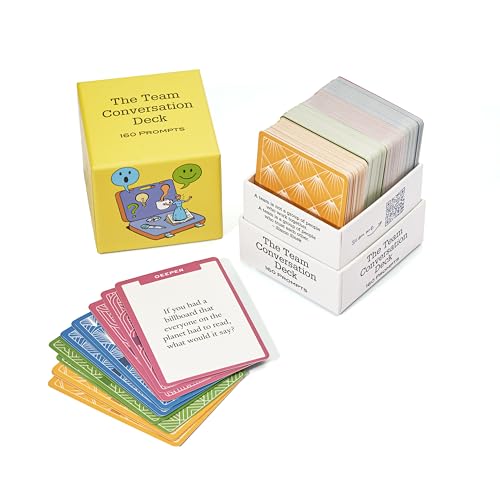
160 Team Building Cards for Managers – Build Trust & Improve Team Performance – 4 Categories from Light Icebreakers to Strategic Team Questions – For Meetings & 1-on-1s | Say This Not That Cards
- Work-Safe and Pre-Screened: Safe for all hierarchy levels
- Four Strategic Categories: From light icebreakers to deep questions
- Color-Coded for Easy Selection: Instantly choose your connection level
As an affiliate, we earn on qualifying purchases.
As an affiliate, we earn on qualifying purchases.
Frequently Asked Questions
How Does Operating Cadence Impact Company Culture?
Your operating cadence directly impacts company culture by fostering leadership alignment and boosting employee engagement. When you establish regular check-ins and clear routines, everyone stays connected and aligned on priorities, creating a sense of stability and shared purpose. This consistency encourages open communication, trust, and accountability, shaping a positive culture. As you lead with a strong cadence, you reinforce values and motivate your team to collaborate effectively and stay committed to your vision.
Can Operating Cadence Adapt During Rapid Growth?
Yes, your operating cadence can adapt during rapid growth. To tackle scalability challenges, you should implement flexibility strategies that allow your rhythm to evolve. Regularly assess your processes, involve your team in adjusting routines, and stay open to change. This proactive approach guarantees your cadence remains effective, supporting growth without sacrificing efficiency or culture. Flexibility helps you navigate the dynamic landscape and sustain momentum through expanding phases.
What Are Common Challenges in Establishing a Cadence?
Ever wondered why establishing a cadence can be tough? You’ll often face challenges like achieving workflow synchronization and maintaining leadership consistency, which are vital for a smooth rhythm. These hurdles can cause misalignment and confusion across teams. To overcome them, you need clear communication, regular check-ins, and adaptable routines. When you focus on these areas, you’ll build a reliable cadence that supports growth and keeps everyone aligned.
How Does Cadence Influence Team Communication?
Your cadence directly influences team communication by establishing a consistent communication rhythm, which enhances team synchronization. When you set regular meetings and check-ins, everyone stays aligned, reducing misunderstandings and ensuring clarity. A steady rhythm encourages openness and accountability, helping team members share updates and address issues promptly. Ultimately, a well-defined cadence fosters smoother collaboration, boosting productivity and cohesion across your team.
Is Operating Cadence Different for Startups Versus Established Companies?
Imagine a river’s flow shaping its banks—that’s how operating cadence differs for startups and established companies. For startups, it’s a rapid current, where innovation metrics and leadership routines are flexible, fueling quick pivots. In contrast, established companies flow more steadily, with structured routines guiding long-term growth. Your leadership must adjust the cadence to match your company’s stage, ensuring innovation thrives without losing stability.

Project Team Leadership and Communication
As an affiliate, we earn on qualifying purchases.
As an affiliate, we earn on qualifying purchases.
Conclusion
You might feel that strategy alone guarantees success, but it’s your daily rhythm—your operating cadence—that truly shapes your company’s future. Even when setbacks hit, sticking to a consistent cadence keeps you moving forward, resilient and focused. Don’t let doubts or fears hold you back; your discipline and commitment will outlast any obstacle. Embrace your cadence, and watch how it transforms challenges into opportunities, proving that your daily habits can forge lasting success.
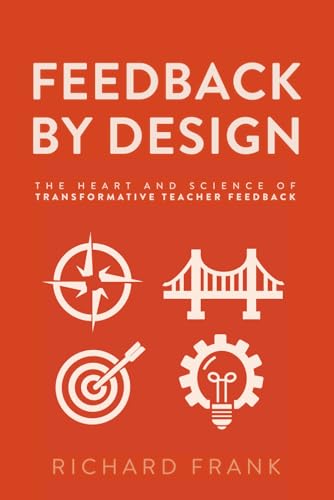
Feedback by Design: The Heart and Science of Transformative Teacher Feedback
As an affiliate, we earn on qualifying purchases.
As an affiliate, we earn on qualifying purchases.
startup operational rhythm planner
As an affiliate, we earn on qualifying purchases.
As an affiliate, we earn on qualifying purchases.