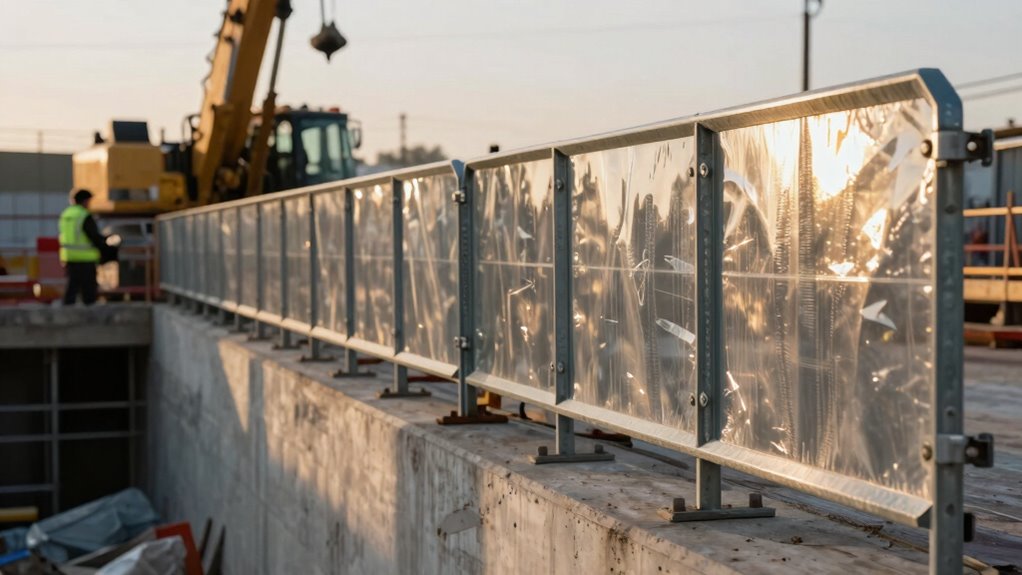
Once AI systems are used in real-world applications, safety guardrails become essential. They prevent harm, address ethical concerns, and protect user privacy and autonomy. Implementing these measures builds trust and guarantees compliance with evolving standards. Without such safeguards, you risk legal issues, reputation damage, and unintended consequences. To manage these complex challenges responsibly, you’ll want to understand how safety guardrails form the foundation of trustworthy AI. Keep exploring to learn more about making AI safe and ethical in practice.

Get business pricing on tech for your team
- Business-only prices and quantity discounts
- Tax-exempt purchasing
- Multiple users, one account, clear invoices
Key Takeaways
- Safety guardrails are essential to prevent harm and ensure ethical AI behavior in real-world applications.
- They help organizations comply with legal standards and avoid reputational and legal risks.
- Guardrails build trust by establishing clear ethical boundaries and promoting transparency.
- Continuous monitoring and updates are necessary to keep safety measures aligned with evolving standards.
- Implementing safety guardrails minimizes bias, protects user privacy, and promotes responsible AI deployment.

As AI becomes integral to real-world applications, implementing safety guardrails isn’t just advisable—it’s essential. When you deploy AI systems in settings that directly impact people’s lives, you must prioritize safety to prevent unintended harm. This isn’t merely about avoiding technical glitches; it’s about addressing broader ethical considerations. You need to ask yourself: How will this AI influence users’ privacy, autonomy, and well-being? Establishing clear ethical guidelines helps you navigate these complex issues. Without such considerations, you risk deploying systems that inadvertently perpetuate bias, misinformation, or unfair treatment.
At the same time, you must recognize that safety guardrails are closely tied to regulatory frameworks. Governments and industry bodies are increasingly stepping in with rules and standards designed to ensure responsible AI use. These frameworks serve as a legal backbone, guiding your development and deployment processes. They may dictate how data should be handled, what transparency measures are necessary, or how accountability is maintained when errors occur. Overlooking these rules isn’t just risky; it can lead to serious legal consequences and damage your organization’s reputation. Compliance isn’t optional; it’s a fundamental part of responsible AI integration.
Safety guardrails must align with evolving regulations to ensure responsible AI development and protect your organization’s reputation.
You should see safety guardrails as a proactive measure, integral to building trust with users and stakeholders. When you clearly define boundaries—such as limiting AI’s decision-making scope or implementing human oversight—you reduce the chances of harmful outcomes. These guardrails act as checks and balances, ensuring AI behaves predictably and ethically. For instance, you might embed fairness algorithms to prevent biased decisions or incorporate explainability features so users understand how AI arrives at conclusions. Such measures demonstrate that safety isn’t an afterthought but a core priority. Additionally, understanding the importance of AI safety standards helps ensure your systems meet evolving expectations and requirements. Staying informed about regulatory compliance will help you adapt your safety protocols to meet new laws and guidelines.
Furthermore, as AI advances rapidly, you need to stay informed about evolving standards and best practices. Regular audits, transparency reports, and updates to your safety protocols help you adapt to new challenges. Incorporating ethical considerations into your safety guardrails is crucial for fostering responsible innovation and maintaining public trust. By integrating ethical considerations into your safety guardrails, you not only comply with current regulations but also foster an environment where responsible innovation can thrive. This approach underscores the importance of biodiversity and sustainable living principles, which emphasize careful stewardship and the minimization of harm in all aspects of development. Recognizing that data privacy is a fundamental element in safety guardrails further strengthens your commitment to responsible AI deployment. Ultimately, once AI starts touching real work, safety guardrails become your safeguard against risks—protecting users, aligning with legal requirements, and upholding your organization’s integrity. Ignoring them isn’t an option if you want AI to serve people reliably and ethically.
Products Worth Considering

LG UltraGear 32GX850A-B 32-Inch 4K UHD Glossy OLED Gaming Monitor

LG UltraGear 27-Inch QHD OLED Gaming Monitor, 240Hz, 0.03ms, G-SYNC Compatible, FreeSync Premium Pro, HDMI 2.1

Samsung 27-Inch Odyssey QD-OLED G8 4K 240Hz Gaming Monitor
As an affiliate, we earn on qualifying purchases.
Frequently Asked Questions
How Do Safety Guardrails Impact AI Development Timelines?
Safety guardrails can extend your AI development timelines because they introduce necessary checks for ethical considerations and technical challenges. You need to design and implement these safeguards carefully, which may slow down progress initially. However, by addressing potential risks early, you guarantee safer, more reliable AI systems. While it might take more time upfront, incorporating guardrails ultimately leads to more responsible AI deployment and reduces the chance of costly errors later.
Are There Industry-Specific Safety Standards for AI Guardrails?
Think of AI guardrails like a medieval knight’s armor, tailored to specific threats. Yes, there are industry-specific safety standards, shaped by ethics compliance and regulatory frameworks. For example, healthcare AI must meet patient privacy laws, while finance AI emphasizes fraud prevention. These standards help guarantee AI systems operate safely within their industry, reducing risks and building trust. Adapting guardrails to industry needs makes AI more reliable and ethically sound.
Who Is Responsible for Maintaining AI Safety Guardrails?
You’re responsible for maintaining AI safety guardrails by ensuring ethical oversight and adhering to liability frameworks. It’s essential that you regularly review and update these guardrails to prevent unintended consequences. By actively monitoring AI behavior and collaborating with ethical and legal experts, you help safeguard users and stakeholders. Taking ownership of these responsibilities minimizes risks and demonstrates your commitment to responsible AI deployment.
Can Safety Guardrails Adapt to Rapidly Evolving AI Capabilities?
You need to realize that safety guardrails can’t keep up with AI’s lightning-fast evolution. As AI capabilities grow exponentially, these guardrails must be flexible, constantly updating to guarantee AI transparency and ethical compliance. Without adaptive measures, you risk AI operating unchecked, like a runaway train. Regularly reviewing and refining safety protocols is vital, so your AI systems stay trustworthy and aligned with new developments in real-time.
What Are the Costs Associated With Implementing AI Safety Guardrails?
Implementing AI safety guardrails costs money, but they’re essential for risk mitigation and ensuring compliance with regulations. You’ll face expenses related to developing, testing, and maintaining these guardrails, plus ongoing updates as AI capabilities evolve. While upfront costs can be significant, they help prevent costly errors, legal issues, and reputational damage down the line. Ultimately, investing in safety guardrails saves you from much larger risks and compliance challenges later.
Conclusion
As you integrate AI into real-world tasks, remember that safety guardrails aren’t optional—they’re essential. Did you know that 73% of AI deployment failures are due to overlooked safety measures? Without proper safeguards, you risk costly errors and safety hazards. So, stay proactive by implementing robust guardrails from the start. It’s your best chance to guarantee AI works safely and effectively, protecting both your team and your bottom line.