

Searching for the 13 best AI tools for automating customer support? The ideal solution balances automation power with maintaining a human touch, a challenge that leads to tradeoffs like cost versus customization or simplicity versus advanced features. The best overall pick offers a balanced mix of usability and capabilities, while other standout options excel in specific niches like small business or complex workflows. However, choosing the right tool means weighing factors such as ease of integration, AI sophistication, and support quality. Keep reading to see a detailed breakdown that will help you find the perfect fit for your support team.

Get business pricing on tech for your team
- Business-only prices and quantity discounts
- Tax-exempt purchasing
- Multiple users, one account, clear invoices
Key Takeaways
- The top tools combine AI-driven automation with easy integration to existing support channels.
- Cost and complexity vary significantly; some tools are best for small businesses, others for large enterprises.
- User-friendly interfaces often come with fewer customization options, requiring a tradeoff between ease and flexibility.
- AI sophistication, like NLP capabilities, is a key differentiator for handling complex support queries.
- Most leading tools include ready-to-use prompts or workflows, but customization remains crucial for unique business needs.
| AI for Customer Support Teams: The Practical Guide to Cutting Costs, Boosting CSAT, and Automating Without Losing the Human Touch |  | Best for Support Managers Seeking Practical Strategies | Focus: Practical AI strategies for customer support | Target Audience: Support teams and managers | Approach: Human-centered automation | VIEW ON AMAZON | See Our Full Breakdown |
| AI Agents for Customer Support: A Practical Build Guide with RAG, Tools, and Guardrails |  | Best for Technical Professionals Building AI Support Agents | Focus: AI agent development and architecture | Target Audience: AI engineers and technical support developers | Approach: Hands-on building and failure management | VIEW ON AMAZON | See Our Full Breakdown |
| The AI-First Customer Support Playbook: A Practical Guide to Designing, Deploying, and Evolving AI Agents in Modern Support Workflows |  | Best for Support Teams and AI Practitioners Planning Deployment | Focus: Deployment and evolution of AI support systems | Target Audience: Support teams and AI strategists | Approach: Strategic planning and ongoing development | VIEW ON AMAZON | See Our Full Breakdown |
| AI-Powered Customer Support, Voice Agent & Workflow Automation Agency |  | Best for Agency Owners Looking to Expand into AI Support Services | Focus: Voice agents and workflow automation for agencies | Target Audience: Agency owners and business strategists | Approach: Business growth and client attraction | VIEW ON AMAZON | See Our Full Breakdown |
| 100 AI Prompts for Small Business Owners: Copy-and-Paste Prompts for Marketing, Sales, Customer Service and Operations |  | Best for Small Business Owners Needing Quick AI Solutions | VIEW ON AMAZON | See Our Full Breakdown | |||
| The Ultimate AI Prompt Book for Customer Service: 500 Ready-to-Use Prompts for Emails, Difficult Customers, Escalations, Quality Assurance, Coaching & Productivity |  | Best Resource for Prompt-Based Customer Support Communication | Number of prompts: 500 | Focus areas: Emails, difficult customers, escalations, quality assurance, coaching, productivity | Format: Text prompts | VIEW ON AMAZON | See Our Full Breakdown |
| Practical AI Workflow Automation: A Beginner-Friendly Guide to No-Code Tools for Email, Meetings, Documents, Spreadsheets, Customer Support, Research, and Daily Operations |  | Best for Beginners Exploring No-Code Automation | Focus areas: Email, meetings, documents, spreadsheets, customer support, research | Skill level: Beginner | Tools covered: No-code AI tools | VIEW ON AMAZON | See Our Full Breakdown |
| AI Customer Support Toolkit for Shopify Stores: 152 Prompts, Workflows, and Playbooks to Improve Response Times and Boost Sales |  | Best for Shopify Store Owners Improving Customer Support & Sales | Number of prompts: 152 | Focus: Customer support, sales | Platform: Shopify | VIEW ON AMAZON | See Our Full Breakdown |
| The AI Agent Advantage: A Practical Guide to Using Chatbots and AI Agents to Attract More Leads, Streamline Support, and Serve Customers Better for Nonprofits and Businesses Alike | 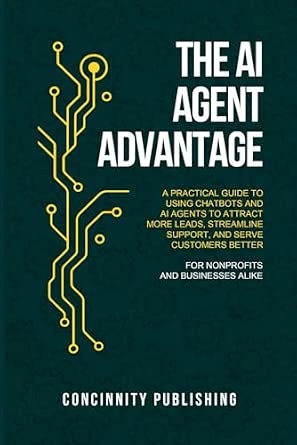 | Best for Organizations Adopting Chatbots & AI Agents | Focus: Customer engagement, lead generation, support | Target audience: Nonprofits and businesses | Technical detail: High-level strategies, no step-by-step | VIEW ON AMAZON | See Our Full Breakdown |
| Mastering Claude Cowork for Customer Support: The Non-Coder’s Guide to Building Autonomous Agents and Automating Replies |  | Best for Non-Coders Building Support Agents with Claude Cowork | Platform: Claude Cowork | Skill level: Non-coders | Focus: Autonomous agents, reply automation | VIEW ON AMAZON | See Our Full Breakdown |
| The AI Revolution in Customer Service and Support: A Practical Guide to Impactful Deployment of AI to Best Serve Your Customers |  | Best for Strategic AI Deployment | Target Audience: Business leaders, Customer service managers | Focus: Strategic AI deployment | Content Type: Guidance and strategy | VIEW ON AMAZON | See Our Full Breakdown |
| AI for Customer Service Reps: How to Use AI to Become the Agent No One Wants to Replace |  | Best for Customer Service Reps Looking to Stay Relevant | Target Audience: Customer service agents, frontline support staff | Focus: Enhancing agent skills with AI | Content Type: Conceptual strategies | VIEW ON AMAZON | See Our Full Breakdown |
| How to Use AI for Customer Support Automation |  | Best for Business Teams Looking to Automate Support | Target Audience: Support teams, small and medium businesses | Focus: Customer support automation | Content Type: Practical guide | VIEW ON AMAZON | See Our Full Breakdown |
| ai tools for automating customer support | Focus | Technical Detail | Target Audience | Content type |
|---|---|---|---|---|
| AI for Customer Support Teams: | Practical AI strategies for customer support | Limited | Support teams and managers | — |
| AI Agents for Customer Support | AI agent development and architecture | Advanced | AI engineers and technical support developers | — |
| The AI-First Customer Support | Deployment and evolution of AI support systems | Moderate | Support teams and AI strategists | — |
| AI-Powered Customer Support | Voice agents and workflow automation for agencies | Low | Agency owners and business strategists | — |
| 100 AI Prompts for Small Busin | — | — | — | — |
| The Ultimate AI Prompt Book fo | — | — | — | Pre-made prompts |
| Practical AI Workflow Automati | — | — | — | — |
| AI Customer Support Toolkit fo | Customer support, sales | — | — | Prompts, workflows, playbooks |
| The AI Agent Advantage: A Prac | Customer engagement, lead generation, support | High-level strategies, no step-by-step | Nonprofits and businesses | Guides and strategies |
| Mastering Claude Cowork for Cu | Autonomous agents, reply automation | Practical, platform-specific | — | Guides and workflows |
| The AI Revolution in Customer | Strategic AI deployment | Minimal | Business leaders, Customer service managers | Guidance and strategy |
| AI for Customer Service Reps: | Enhancing agent skills with AI | Limited | Customer service agents, frontline support staff | Conceptual strategies |
| How to Use AI for Customer Sup | Customer support automation | Moderate | Support teams, small and medium businesses | Practical guide |
More Details on Our Top Picks
AI for Customer Support Teams: The Practical Guide to Cutting Costs, Boosting CSAT, and Automating Without Losing the Human Touch
This book stands out for translating complex AI concepts into actionable steps that customer support teams can implement to improve satisfaction and reduce expenses. Unlike technical guides like AI Agents for Customer Support, which focus on building AI systems, this book emphasizes maintaining empathy and human connection during automation, making it ideal for teams wary of losing personal touch. The lack of technical detail means it’s less suited for AI developers but perfect for support leaders wanting a strategic overview. Its focus on cost savings and CSAT improvements makes it a practical read for managers aiming for quick wins without deep technical dives.
Pros:- Provides clear, practical strategies for integrating AI in support workflows
- Focuses on improving customer satisfaction and reducing costs simultaneously
- Emphasizes the importance of maintaining a human touch in automation
Cons:- Lacks detailed technical guidance or specific tool recommendations
- May require prior AI knowledge to fully leverage its insights
Best for: Customer support team leaders and managers seeking practical, human-centered AI strategies
Not ideal for: AI developers or technical professionals looking for in-depth architecture and coding guidance
- Focus:Practical AI strategies for customer support
- Target Audience:Support teams and managers
- Approach:Human-centered automation
- Technical Detail:Limited
- Cost Focus:Yes
- CSAT Focus:Yes
Our verdict“This book is ideal for support managers prioritizing strategy and customer experience over technical implementation.”
AI Agents for Customer Support: A Practical Build Guide with RAG, Tools, and Guardrails
This guide excels at providing a comprehensive framework for constructing AI support agents, including architecture, prompts, and failure management, surpassing more general overviews like The AI-First Customer Support Playbook. Compared to the latter’s focus on deployment strategies, this book digs into the nuts and bolts of building reliable, scalable AI systems. However, its technical depth can be overwhelming for beginners without prior AI or programming experience, making it less suitable for support staff without technical backgrounds. It’s an invaluable resource for AI engineers or developers aiming to create tailored support solutions.
Pros:- In-depth coverage of AI architecture, prompts, and guardrails
- Focus on failure management enhances reliability of AI agents
- Practical advice for building scalable and robust AI support systems
Cons:- Requires significant technical knowledge to implement effectively
- No pricing or user ratings available, limiting ease of evaluation
Best for: AI developers and technical teams tasked with designing or deploying support chatbots and agents
Not ideal for: Support managers or business owners without technical expertise seeking high-level guidance
- Focus:AI agent development and architecture
- Target Audience:AI engineers and technical support developers
- Approach:Hands-on building and failure management
- Technical Detail:Advanced
- Tools Covered:Prompts, architecture, guardrails
- Use Case:Deploying scalable AI agents
Our verdict“This resource is best suited for technical teams developing custom AI support agents needing detailed architecture guidance.”
The AI-First Customer Support Playbook: A Practical Guide to Designing, Deploying, and Evolving AI Agents in Modern Support Workflows
This playbook offers strategic insights into designing and evolving AI agents within customer support environments, making it a good complement to the more technically detailed AI Agents for Customer Support. While it covers deployment and ongoing development, it leans more toward planning and process than hands-on technical setup, which may leave those seeking granular implementation details wanting. It’s particularly useful for support teams ready to integrate AI but unsure how to manage ongoing evolution and improvement of their systems.
Pros:- Provides comprehensive guidance on deploying and evolving AI support systems
- Focuses on aligning AI with support workflows for continuous improvement
- Suitable for teams planning long-term AI integration
Cons:- Lacks specific technical implementation details
- More theoretical than hands-on for coding or architecture steps
Best for: Support professionals and AI practitioners preparing to deploy and refine AI agents in customer service
Not ideal for: Purely technical developers seeking detailed coding or architecture instructions
- Focus:Deployment and evolution of AI support systems
- Target Audience:Support teams and AI strategists
- Approach:Strategic planning and ongoing development
- Technical Detail:Moderate
- Use Case:Designing support workflows with AI
- Longevity:Yes
Our verdict“This guide is ideal for support teams looking to strategically deploy and manage AI agents over time.”
AI-Powered Customer Support, Voice Agent & Workflow Automation Agency
This book caters to agency owners interested in offering AI-powered customer support solutions, focusing on building voice agents and automating workflows, similar to the approach in 100 AI Prompts for Small Business Owners. While it provides practical guidance for expanding service offerings, it does not include detailed technical specs or coding instructions, making it less suitable for those needing deep technical knowledge. Instead, it’s tailored for entrepreneurs and agencies aiming to attract clients and streamline operations with AI support tools.
Pros:- Focuses on building AI voice agents and automating workflows for agencies
- Provides strategies for attracting clients and growing an AI support business
- Practical guidance on integrating AI into customer support offerings
Cons:- Lacks detailed technical specifications or step-by-step coding instructions
- Requires prior knowledge of AI concepts and business strategy
Best for: Agency owners and business professionals seeking to develop AI support services for clients
Not ideal for: Technical developers or support teams seeking in-depth implementation guidance
- Focus:Voice agents and workflow automation for agencies
- Target Audience:Agency owners and business strategists
- Approach:Business growth and client attraction
- Technical Detail:Low
- Applications:Customer support, workflow automation
- Market Focus:Agency services
Our verdict“This resource is best for agency owners aiming to develop and market AI customer support solutions without deep technical details.”
100 AI Prompts for Small Business Owners: Copy-and-Paste Prompts for Marketing, Sales, Customer Service and Operations
This collection offers 100 ready-to-use AI prompts covering marketing, sales, and customer service, making it highly accessible compared to more technical products like AI Agents for Customer Support. It’s best suited for small business owners who want immediate, practical tools without technical setup. Unlike comprehensive guides, it lacks detailed descriptions or sample prompts, which can make choosing the right prompt challenging without trial. Nevertheless, it provides a quick, no-fuss way to enhance customer support with AI-driven prompts.
Pros:- Offers a variety of prompts for different business functions
- No technical skills needed for immediate use
- Simple to implement for quick results
Cons:- Lacks detailed prompt examples or guidance on customization
- Format and delivery method are not specified, which may affect usability
Best for: Small business owners seeking easy, ready-to-apply AI prompts for customer support and operations
Not ideal for: Support teams or technical users seeking extensive prompt customization or technical integration
Our verdict“This product makes sense for small business owners wanting quick, effective AI prompts without technical complexity.”
The Ultimate AI Prompt Book for Customer Service: 500 Ready-to-Use Prompts for Emails, Difficult Customers, Escalations, Quality Assurance, Coaching & Productivity
This book stands out for its extensive collection of 500 ready-to-use prompts tailored specifically for customer service scenarios. Unlike the more technical Practical AI Workflow Automation, which focuses on no-code tools, this resource offers immediate conversational tools for support agents, making it ideal for quick deployment. The main tradeoff is its lack of detailed strategies or technical guidance—it’s purely prompt-focused. For teams looking to enhance communication quality quickly, this resource is invaluable, but those seeking automation workflows or technical setup will find it limited.
Pros:- Provides a large number of ready-to-use prompts for various scenarios
- Helps improve consistency and clarity in customer interactions
- Useful for coaching staff and onboarding new agents
Cons:- No detailed specifications or technical features
- Limited to prompts without in-depth strategic guidance
Best for: Customer support managers and agents seeking ready-made prompts to improve communication efficiency and quality
Not ideal for: Technical teams or automation specialists seeking detailed workflows or technical integrations
- Number of prompts:500
- Focus areas:Emails, difficult customers, escalations, quality assurance, coaching, productivity
- Format:Text prompts
- Intended users:Support agents, trainers
- Content type:Pre-made prompts
- Ease of use:Immediate application
Our verdict“This prompt collection is perfect for support teams wanting quick, effective communication tools without technical complexity.”
Practical AI Workflow Automation: A Beginner-Friendly Guide to No-Code Tools for Email, Meetings, Documents, Spreadsheets, Customer Support, Research, and Daily Operations
This book makes a compelling case for newcomers to start automating their daily tasks with no-code AI tools. Compared with the AI Customer Support Toolkit for Shopify Stores, which is more tailored for e-commerce, this guide offers a broad overview suitable for general business workflows, including customer support. The main tradeoff is its lack of technical detail—it’s ideal for beginners but may leave more advanced users wanting deeper features or integrations. For small teams or individuals just starting with automation, this resource simplifies the process and reduces learning curves.
Pros:- Comprehensive coverage of common workflows
- Focuses on accessible, no-code AI tools
- Easy-to-understand guidance for complete beginners
Cons:- Lacks technical specifications or platform details
- Does not cover advanced automation features or customizations
Best for: Beginners and small business owners new to AI automation seeking broad workflow coverage
Not ideal for: Advanced users or teams needing detailed technical customization or platform-specific integrations
- Focus areas:Email, meetings, documents, spreadsheets, customer support, research
- Skill level:Beginner
- Tools covered:No-code AI tools
- Format:Instructional guide
- Scope:Daily workflows
- Platform specificity:General
Our verdict“This beginner guide is ideal for those new to automation looking for a broad, straightforward introduction to AI-powered workflows.”
AI Customer Support Toolkit for Shopify Stores: 152 Prompts, Workflows, and Playbooks to Improve Response Times and Boost Sales
This toolkit directly targets Shopify store owners aiming to enhance support speed and increase sales through automation. Compared with the Ultimate AI Prompt Book, which covers a broad range of customer service topics, this product is more specific and actionable for e-commerce. However, it requires customization to fit individual store needs, which may be a hurdle for less tech-savvy users. The inclusion of 152 prompts and workflows makes it a practical resource for streamlining customer interactions, but it doesn’t include detailed technical setup or platform integrations.
Pros:- Includes 152 ready-to-use prompts and workflows
- Designed to reduce response times and boost sales
- Enhances overall customer support efficiency
Cons:- Requires customization for specific store needs
- No detailed technical specifications or platform integrations
Best for: Shopify store owners focused on reducing response times and increasing revenue
Not ideal for: Non-ecommerce businesses or those seeking comprehensive automation beyond Shopify-specific workflows
- Number of prompts:152
- Focus:Customer support, sales
- Platform:Shopify
- Content type:Prompts, workflows, playbooks
- Intended users:E-commerce store owners
- Customization needed:Yes
Our verdict“This Shopify-focused toolkit is ideal for store owners wanting quick wins in support and sales efficiency but needing some customization.”
The AI Agent Advantage: A Practical Guide to Using Chatbots and AI Agents to Attract More Leads, Streamline Support, and Serve Customers Better for Nonprofits and Businesses Alike
This guide offers actionable strategies for deploying chatbots and AI agents to boost engagement and support efficiency, making it suitable for both nonprofits and commercial organizations. Unlike the Mastering Claude Cowork book, which is platform-specific, this resource emphasizes broader implementation strategies and lead generation. Its main tradeoff is the lack of detailed technical instructions, which might challenge users expecting step-by-step guidance. It’s best suited for organizations ready to integrate AI but needing strategic direction rather than technical setup.
Pros:- Provides practical guidance for AI chatbot deployment
- Helps attract leads and improve support
- Suitable for both nonprofits and businesses
Cons:- No detailed technical or step-by-step instructions
- Content may be too general for advanced AI users
Best for: Organizations seeking strategic guidance on deploying chatbots and AI agents without deep technical detail
Not ideal for: Technical teams or users wanting hands-on platform-specific building instructions
- Focus:Customer engagement, lead generation, support
- Target audience:Nonprofits and businesses
- Technical detail:High-level strategies, no step-by-step
- Platform:General
- Use case:Attracting leads, streamlining support
- Content type:Guides and strategies
Our verdict“This guide is best for organizations looking for strategic insights into AI chatbots rather than technical building guides.”
Mastering Claude Cowork for Customer Support: The Non-Coder’s Guide to Building Autonomous Agents and Automating Replies
This book focuses on enabling non-technical users to create autonomous customer support agents using the Claude Cowork platform. Compared with the AI Customer Support Toolkit for Shopify Stores, which is more about ready-made prompts, this guide offers a step-by-step approach to building custom automation workflows. The main tradeoff is its platform-specific focus and lack of detailed coding instructions—it’s designed for non-coders but within the constraints of Claude Cowork. For small teams or support staff wanting to automate replies without coding, this provides practical, accessible techniques.
Pros:- Easy-to-follow for non-coders
- Focuses on practical automation techniques
- Tailored specifically for customer support workflows
Cons:- Limited to the Claude Cowork platform
- No detailed technical coding instructions
Best for: Support teams and small businesses wanting to build autonomous agents without coding skills
Not ideal for: Advanced developers or users seeking platform-agnostic solutions or detailed technical coding guidance
- Platform:Claude Cowork
- Skill level:Non-coders
- Focus:Autonomous agents, reply automation
- Technical detail:Practical, platform-specific
- Content type:Guides and workflows
- Ease of use:Beginner-friendly
Our verdict“This guide makes building autonomous customer support agents accessible for non-technical users on Claude Cowork, but it’s platform-specific.”
The AI Revolution in Customer Service and Support: A Practical Guide to Impactful Deployment of AI to Best Serve Your Customers
This book stands out for offering actionable insights into deploying AI technologies effectively within customer service environments. Unlike technical guides such as How to Use AI for Customer Support Automation, it emphasizes strategic implementation, making it ideal for managers seeking to enhance customer satisfaction through AI. The focus on operational strategies helps organizations avoid common pitfalls and drive meaningful results. However, the lack of technical details means it’s less useful for teams needing hands-on guidance or specific tool configurations. It’s best suited for decision-makers and business leaders planning AI integration at a strategic level.
Pros:- Provides practical guidance on AI deployment in customer service
- Focuses on improving customer satisfaction and operational efficiency
- Offers strategic frameworks for AI integration
Cons:- Lacks specific technical or product feature details
- Content is more suited for professionals and decision-makers than for hands-on teams
Best for: Customer service managers and business leaders planning large-scale AI deployments
Not ideal for: Technical teams or developers seeking step-by-step implementation instructions
- Target Audience:Business leaders, Customer service managers
- Focus:Strategic AI deployment
- Content Type:Guidance and strategy
- Technical Detail:Minimal
- Application Scope:Operational and strategic
- Format:Printed book
Our verdict“This book is ideal for leaders wanting to understand how to strategically implement AI in customer support without technical deep-dives.”
AI for Customer Service Reps: How to Use AI to Become the Agent No One Wants to Replace
This book makes the most sense for individual customer service representatives eager to leverage AI tools to boost their skills and job security. Compared to How to Use AI for Customer Support Automation, which targets companies, this one emphasizes personal skill enhancement and staying competitive in an evolving workplace. It offers practical strategies for integrating AI into daily tasks but falls short on technical specifics, making it less suited for those seeking detailed implementation guides. This focus on conceptual understanding helps agents adapt but might leave tech-savvy users wanting more concrete tools or step-by-step processes.
Pros:- Provides practical strategies for integrating AI into daily customer support work
- Helps agents remain competitive amid AI-driven workplace changes
- Focuses on skill development and AI literacy
Cons:- Lacks detailed technical instructions or tool configurations
- Primarily conceptual, less hands-on for tech implementation
Best for: Customer support agents and frontline reps aiming to enhance their AI skills
Not ideal for: Technical teams or managers looking for detailed AI deployment plans
- Target Audience:Customer service agents, frontline support staff
- Focus:Enhancing agent skills with AI
- Content Type:Conceptual strategies
- Technical Detail:Limited
- Application Scope:Personal skill development
- Format:Printed book
Our verdict“This book suits customer service reps seeking to understand and leverage AI to stay relevant and competitive.”
How to Use AI for Customer Support Automation
This guide is perfect for businesses eager to implement AI-driven automation to reduce response times and increase efficiency. Compared with The AI Revolution in Customer Service and Support, which focuses on strategic deployment, this book offers more practical, step-by-step advice tailored to operational teams. Its focus on automation techniques makes it ideal for companies ready to integrate AI tools into their existing workflows but may fall short for those seeking high-level strategic planning. The absence of detailed technical instructions means some prior AI knowledge or technical support will be necessary for successful implementation.
Pros:- Helps automate customer support processes efficiently
- Focuses on reducing response times and improving customer experience
- Provides practical AI implementation strategies
Cons:- No detailed technical instructions or coding guides
- Requires some prior AI familiarity for effective use
Best for: Support teams and small to medium businesses ready to automate customer interactions
Not ideal for: Organizations seeking high-level AI deployment strategies without technical implementation guidance
- Target Audience:Support teams, small and medium businesses
- Focus:Customer support automation
- Content Type:Practical guide
- Technical Detail:Moderate
- Application Scope:Operational workflows
- Format:Printed book
Our verdict“This book is best for operational teams seeking actionable steps to automate customer support workflows with AI.”

How We Picked
Our evaluation focused on a combination of performance, usability, integration ease, and value. We prioritized tools that demonstrated clear benefits in automating support tasks without sacrificing the quality of customer interactions. Ease of setup and the availability of pre-built workflows or prompts were also key factors, as they determine how quickly a team can see results. We ranked products based on their versatility, AI sophistication, customer support features, and overall value, ensuring that each option offers a distinct advantage for different types of support environments.Factors to Consider When Choosing 13 Best Ai Tools For Automating Customer Support
Choosing the right AI support tool involves balancing several important factors. First, consider your support volume and complexity—larger or more complex needs often justify higher investment in advanced AI features. Ease of setup and user friendliness are critical if your team lacks technical expertise. Cost is always a factor, but the cheapest option might lack scalability or customization. Compatibility with your existing channels, like live chat, email, or voice, ensures smooth integration. Finally, assess the quality of AI, especially NLP capabilities, to handle nuanced customer queries effectively.Performance and AI Capabilities
High-performing AI tools should excel at understanding and responding to customer queries, especially complex ones. Look for tools with advanced natural language processing (NLP) that can interpret context and nuances, reducing the need for human intervention. Tools with better AI will provide more accurate, relevant responses, improving customer satisfaction. However, more sophisticated AI often comes with a higher price and complexity, so evaluate whether your team needs this level of performance or if simpler solutions suffice.
Ease of Integration and Usability
Seamless integration with existing support channels like live chat, email, and CRM systems is essential for quick adoption. User-friendly interfaces and pre-built workflows or prompts can dramatically cut down onboarding time, especially for teams without a technical background. Beware of tools that require extensive setup or custom coding, as these can slow down deployment and increase costs. The best options strike a balance between powerful features and intuitive design.
Cost and Scalability
Support automation tools vary widely in price, from affordable plans suitable for small businesses to high-end enterprise solutions. Consider your current support volume and growth plans—paying for features you don’t need can waste resources, while under-investing might hinder expansion. Look for transparent pricing, and check if the vendor offers tiered plans that scale with your support needs. Remember, investing a bit more upfront in a scalable solution can reduce the need for costly replacements or upgrades later.
Customization and Flexibility
While ready-made prompts and workflows speed up deployment, the ability to tailor responses and automations to your brand voice and policies enhances customer experience. Evaluate whether the tool allows easy customization without extensive technical skills. Flexible systems can adapt as your support needs evolve, making them more cost-effective over time. However, highly customizable tools might require ongoing maintenance, so consider your team’s capacity for management.
Support and Vendor Reliability
Choosing a vendor with strong customer support and ongoing updates is vital for long-term success. Reliable vendors provide timely assistance, extensive documentation, and regular feature improvements. Check reviews and case studies to gauge their reputation. A robust support ecosystem ensures your automation remains effective and adapts to changing customer expectations or support channels.
Frequently Asked Questions
Can I integrate AI customer support tools with my existing CRM?
Yes, most leading AI support tools offer integrations with popular CRM systems like Salesforce, Zendesk, or HubSpot. These integrations enable seamless data sharing, providing agents with relevant customer history and context during interactions. Compatibility varies by vendor, so it’s essential to verify integration options before choosing a platform. Proper integration helps automate workflows, reduce duplicate data entry, and improve overall efficiency.
Are AI support tools suitable for small businesses with limited budgets?
Many AI tools provide tiered pricing plans, making them accessible to small businesses. Basic plans often include essential automation features that can significantly reduce manual workload without a hefty investment. However, more advanced AI capabilities, like NLP or multi-channel support, usually come at higher costs. Small teams should focus on tools that strike a balance between affordability and core functionality, ensuring they can scale as their support needs grow.
How secure are AI customer support platforms with customer data?
Security is a critical factor, especially when handling sensitive customer data. Reputable AI providers implement encryption, compliance with standards like GDPR or CCPA, and regular security audits. Always review the vendor’s privacy policies and data handling practices. Choosing a platform with robust security measures helps protect your customers and your business from data breaches and legal issues.
Will AI tools replace my customer support team?
Most AI tools are designed to augment, not replace, human agents. They handle routine inquiries, freeing up agents to focus on complex, high-value interactions. This approach can improve efficiency and customer satisfaction while reducing burnout. Successful implementation involves training staff to work alongside AI and ensuring the technology complements existing workflows rather than disrupting them. Automation should serve as a support, not a substitute, for human expertise.
What should I do if my AI support tool doesn’t meet expectations?
First, review the tool’s setup and configuration to ensure it’s optimized for your needs. Many vendors offer support and customization options—engaging with their customer success teams can resolve issues quickly. If dissatisfaction persists, consider whether your requirements have evolved beyond the tool’s capabilities or if a different platform might be better suited. It’s often wise to pilot multiple solutions or consult with experts before committing long-term.
Conclusion
If you need a well-rounded, easy-to-deploy solution, the top overall pick offers a balanced mix of features and usability suitable for most support teams. For those on a tight budget or with simple needs, lower-cost options provide essential automation without complexity. Larger enterprises or organizations seeking advanced NLP and customization should consider premium tools with robust integrations. Beginners will benefit from platforms with intuitive interfaces and strong support, while teams with specific workflows should prioritize flexible, customizable options. Ultimately, your choice depends on your support volume, technical capacity, and strategic goals.
Fall Picks
fall essentials
As an affiliate, we earn on qualifying purchases.