
🔍 Read the full analysis: 2026 Portable Power Stations Designed For AI Enthusiasts on ThorstenMeyerAI.com
TL;DR
In 2026, manufacturers introduced new portable power stations tailored for AI enthusiasts, emphasizing increased capacity, portability, and solar recharging. These developments aim to support AI projects and high-power devices off-grid.
In early 2026, several technology companies unveiled a new generation of portable power stations explicitly tailored for AI enthusiasts. These units aim to meet the high power demands of AI hardware, offering increased capacity, enhanced portability, and advanced charging options. The launch reflects a growing market for off-grid AI development and portable computing solutions, making it a significant development for both hobbyists and professionals.
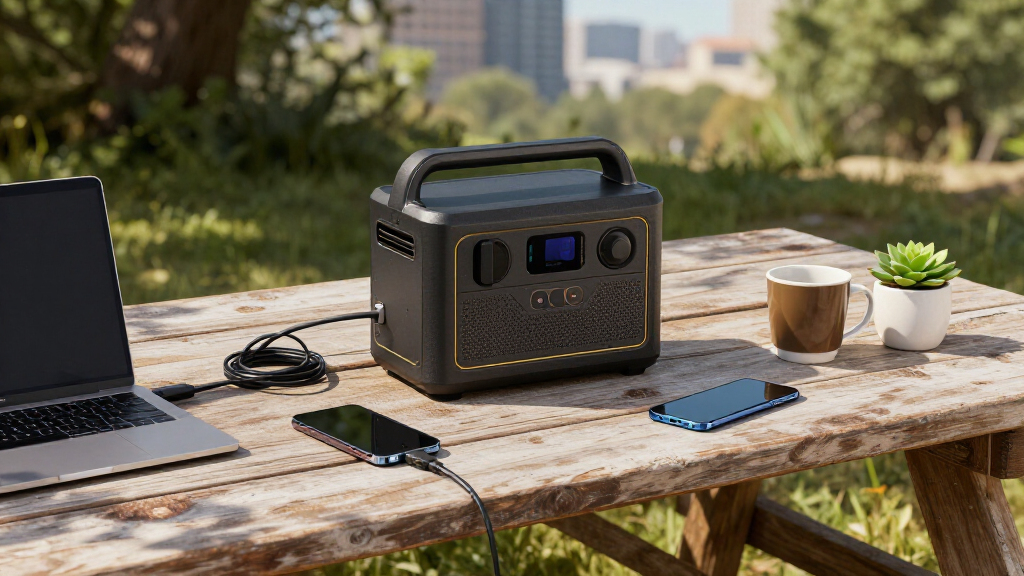
Leading manufacturers such as Jackery, Anker, and new entrants have introduced models with capacities exceeding 2000 watt-hours, capable of supporting high-performance AI hardware, including GPUs, edge computing units, and data collection devices. For a curated list of portable power options, check out these portable power banks. These stations feature improved battery chemistries like LiFePO4 for longer lifespan and safety, along with faster recharge times via AC, solar, and vehicle power sources.
The new models are designed with portability in mind, balancing high capacity with manageable weight and size. For example, the Jackery Explorer 2000+ weighs around 25 kg but offers enough power for extended AI projects in remote locations. Solar compatibility has been integrated into many units, allowing recharging via portable panels, which is crucial for off-grid AI experimentation. These developments aim to support AI research, field data collection, and portable machine learning deployments, especially in areas lacking reliable grid access. For insights into the best portable power solutions for AI projects, see the original analysis.
Implications for AI Fieldwork and Remote Computing
The introduction of high-capacity, portable power stations tailored for AI work marks a significant shift in how AI research and deployment can be conducted outside traditional lab environments. These units enable AI enthusiasts, researchers, and startups to perform complex computations, train models, or run data collection hardware in remote or off-grid locations, expanding the possibilities for field-based AI applications. This development could accelerate AI innovation in sectors like environmental monitoring, disaster response, and autonomous vehicle testing, where mobility and power independence are critical.
high capacity portable power station for AI hardware
As an affiliate, we earn on qualifying purchases.
As an affiliate, we earn on qualifying purchases.
Growing Demand for Portable Power in AI Applications
Over the past few years, the proliferation of edge computing devices and AI hardware has increased the need for portable, reliable power sources. Prior to 2026, existing power stations like the Jackery Explorer 1000 and Anker SOLIX S2000 provided solid options for camping or backup power but were not optimized for the demanding needs of AI hardware. The 2026 launch responds to this gap, with manufacturers designing units that can support high-wattage AI equipment, including GPUs and edge servers, which require sustained, stable power supply. The trend aligns with the growing adoption of AI in various sectors and the need for mobile, off-grid solutions.
solar compatible portable power station 2000Wh
As an affiliate, we earn on qualifying purchases.
As an affiliate, we earn on qualifying purchases.
Unclear Long-Term Durability and Adoption Rates
While the initial launch has been successful, it remains unclear how widely these new power stations will be adopted by the AI community, especially in terms of long-term durability under heavy use. The actual lifespan of these units in demanding AI workloads, their performance in extreme environments, and user feedback are still emerging. Additionally, the cost of high-capacity models and solar integration may limit accessibility for some users, and the full range of compatible AI hardware is still being tested.
As an affiliate, we earn on qualifying purchases.
Next Steps for Market Adoption and Technical Validation
Manufacturers are expected to release detailed user reviews and field tests over the coming months, providing data on durability and performance. Industry events and AI hardware conferences scheduled for late 2026 will likely showcase real-world applications and further innovations. Consumers and organizations interested in these power stations should monitor product updates, compatibility guides, and pricing trends to determine the best fit for their AI projects. Long-term reliability and cost-effectiveness will be key factors influencing widespread adoption.
portable power station for GPU and edge computing
As an affiliate, we earn on qualifying purchases.
As an affiliate, we earn on qualifying purchases.
Key Questions
How much power do these new stations provide for AI hardware?
Most models offer over 2000Wh capacity, supporting high-performance GPUs and edge devices for several hours or days, depending on load.
Are these power stations suitable for outdoor AI projects?
Yes, many are designed with rugged features and solar compatibility, making them ideal for remote or outdoor AI deployments.
What is the typical cost range for these high-capacity power stations?
Prices vary, but high-capacity models generally range from $1,500 to over $3,000, depending on features and capacity.
Can these stations support multiple AI devices at once?
Yes, with multiple outlets and high wattage ratings, they can power several devices simultaneously, including GPUs, servers, and sensors.
Will solar charging significantly extend operation time?
Solar recharging can supplement power, especially with larger panels, but full reliance depends on sunlight availability and panel size.
Source: ThorstenMeyerAI.com