
Human-in-the-loop (HITL) guarantees that people stay in control of autonomous systems, especially when ethical, legal, or safety issues are involved. You need human oversight during critical decisions, high-risk situations, or scenarios with uncertain outcomes to prevent errors and uphold societal values. This approach balances automation with moral judgment and accountability. To understand how to determine when humans should lead, explore the key principles behind effective HITL implementation.
Key Takeaways
- Human-in-the-loop is essential in high-stakes environments like healthcare and autonomous vehicles to ensure safety and ethical decision-making.
- Humans must remain in control during critical moments where moral judgment, legal accountability, or complex ethical considerations are involved.
- Clear decision boundaries should be established so humans oversee automation in situations prone to errors or unforeseen consequences.
- Regular monitoring and oversight are necessary to review AI actions, especially when decisions impact safety, privacy, or societal values.
- Human control is vital for addressing biases, correcting mistakes, and maintaining transparency and trust in autonomous systems.
What Is Human‑In‑The‑Loop (HITL) and How Does It Work?

Have you ever wondered how humans and machines work together to make smarter decisions? Human-in-the-Loop (HITL) systems combine automated processes with human oversight, ensuring critical judgment remains. This setup helps address transparency standards by making decision processes clearer and more accountable. This approach emphasizes collaboration, where human expertise guides the AI, preventing errors or bias. It’s designed to balance efficiency with ethical responsibility, ensuring humans retain control over sensitive or complex situations. By integrating human input at key points, HITL creates a system that’s not only smarter but also aligned with societal values and transparency expectations. Additionally, incorporating high-quality projectors into decision-making environments can enhance visualization and understanding of complex data, further supporting human oversight. Incorporating regulatory frameworks can also ensure that AI deployment adheres to ethical standards and legal requirements. Furthermore, aligning HITL systems with European cloud standards can promote secure and compliant deployment within cloud environments.
When Should Humans Stay in Control? Deciding HITL Implementation

Deciding when humans should stay in control is key to designing effective HITL systems. In situations involving ethical dilemmas, human oversight becomes essential to guarantee moral considerations guide decisions, especially when automated systems lack context or empathy. You must also consider legal accountability—if an AI causes harm or makes a mistake, humans need to retain control to take responsibility and intervene. Implementing HITL in high-stakes environments, like healthcare or autonomous vehicles, helps prevent unintended consequences and ensures compliance with laws. Additionally, establishing clear control boundaries is vital to prevent over-reliance on machines and ensure human judgment remains central. By clearly defining control points, you balance automation efficiency with human judgment, reducing risks associated with over-reliance on machines. Regular monitoring and piercing care and hygiene protocols are crucial during system implementation to prevent issues that could compromise safety. Incorporating regulatory standards into system design further ensures accountability and alignment with societal expectations. Moreover, ongoing training and human-machine collaboration strategies support effective decision-making and adapt to evolving challenges. To achieve optimal control, it is also important to involve stakeholders in designing and refining HITL processes, ensuring diverse perspectives are considered. Ultimately, thoughtful control boundaries protect both societal values and legal obligations.
Why Human Oversight Is Critical in Autonomous Systems

Autonomous systems are increasingly integrated into daily life, but without human oversight, they can make critical errors or overlook important context. Human oversight is essential to address complex issues like ethical dilemmas and privacy concerns. You need to step in when decisions impact moral values or personal data, ensuring responsible use. Consider these points:
Human oversight is vital to prevent errors and uphold ethics in autonomous systems.
- Preventing unethical actions that autonomous systems might perform without moral judgment.
- Protecting privacy by monitoring data collection and preventing misuse.
- Correcting errors that could lead to safety risks or legal liabilities. Maintaining media literacy is vital to understanding how these systems operate and their potential impacts. Your involvement ensures that autonomous systems remain aligned with societal values and legal standards. Without human oversight, these systems risk making decisions that could harm individuals or compromise ethical principles, especially when they lack ethical judgment capabilities. Additionally, oversight helps manage technological limitations that may not yet be fully addressed by artificial intelligence. Recognizing the importance of human oversight helps ensure these systems function responsibly and ethically, particularly when automation could lead to unforeseen consequences.
Which Industries Need HITL for Safety and Ethics?

Which industries depend most heavily on human-in-the-loop (HITL) to guarantee safety and uphold ethical standards? Medical diagnostics relies on HITL to ensure accurate results and prevent misinterpretations that could harm patients. Human oversight helps validate automated analyses, maintaining trust and safety. Unique textures add depth and interest, making the environment more engaging. Similarly, financial auditing depends on HITL to verify automated processes, prevent fraud, and uphold transparency. These industries handle sensitive data and high-stakes decisions where errors can have serious consequences. By keeping humans involved, organizations can address ethical concerns, ensure compliance, and adapt to complex, nuanced situations that automation alone may struggle with. HITL acts as a critical safeguard, balancing technological efficiency with human judgment to protect people and uphold integrity. Expertise spans various architectural needs to support complex decision-making and ensure quality standards are met. Incorporating regulatory compliance further emphasizes the importance of human oversight in these high-stakes fields. Additionally, water safety protocols require human oversight to respond effectively to unexpected hazards and ensure safety standards are maintained.
How to Balance Automation and Human Judgment in Practice
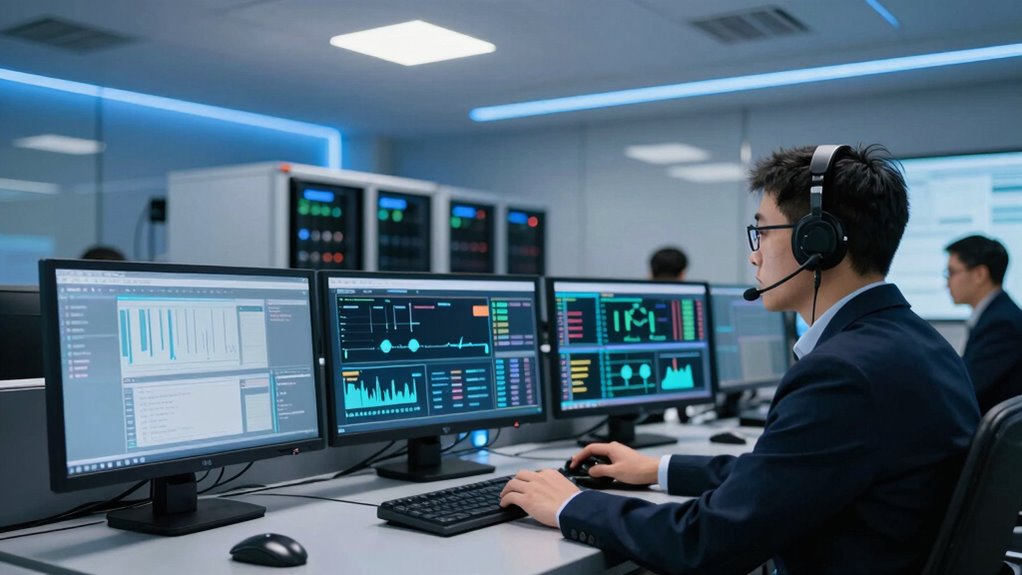
To balance automation and human judgment effectively, you need to set clear decision boundaries that define where machines can operate independently and where humans must step in. Incorporating human oversight guarantees critical issues are reviewed and ethical considerations are maintained. Clear guidelines for decision-making help ensure that both automation and human input work together seamlessly. By establishing these guidelines, you create a system that leverages automation’s efficiency without sacrificing judgment and accountability.
Establish Clear Decision Boundaries
Establishing clear decision boundaries is essential for effectively balancing automation with human judgment. It helps define where automation ends and human input begins, ensuring ethical considerations are respected and user experience remains positive. To set these boundaries:
- Clearly specify tasks suitable for automation versus human oversight, considering ethical implications.
- Use transparent criteria for decision-making limits, so users understand when human judgment intervenes.
- Regularly review boundaries to adapt to changing contexts and maintain trust.
Incorporate Human Oversight
Balancing automation with human judgment requires deliberate oversight to guarantee systems operate ethically and effectively. Your role is to ensure that automation doesn’t override moral considerations or obscure transparency issues. Incorporate human oversight to address ethical dilemmas early, maintaining accountability and public trust. Recognize that automation can sometimes mask biases or lead to unfair decisions, so active human intervention is essential. Use the table below to reflect on emotional impact and ethical responsibility:
| Emotional Impact | Ethical Responsibility |
|---|---|
| Confidence in control | Upholding transparency |
| Trust in systems | Ensuring fairness |
| Relief from ambiguity | Preventing bias |
| Reassurance in decisions | Maintaining accountability |
| Empowerment through oversight | Ethical integrity |
Additionally, understanding Free Floating concepts can help in designing systems that adapt to changing environments without rigid constraints. Incorporating robust oversight mechanisms ensures that systems remain flexible and responsive to unforeseen challenges, thereby supporting ethical and effective operation. Recognizing the importance of adaptive oversight can further enhance system resilience and trustworthiness in complex scenarios. Moreover, integrating real-time monitoring allows for immediate detection and correction of issues, strengthening the human-in-the-loop framework.
Challenges and Limitations of Implementing HITL Approaches

Implementing HITL approaches can be resource-intensive, requiring significant time, personnel, and infrastructure. You also face the risk of human errors, which can compromise system accuracy and reliability. Understanding these challenges helps you develop strategies to mitigate their impact effectively.
Resource Intensive Processes
Human-in-the-loop (HITL) approaches often demand significant resources, making their adoption challenging. You may face issues like automation fatigue, where prolonged reliance on human oversight leads to decreased vigilance and effectiveness. Proper resource allocation becomes critical, as maintaining skilled personnel and infrastructure can strain budgets and schedules. To succeed, you need to contemplate:
- Balancing automation and human involvement to prevent fatigue and maintain accuracy.
- Investing in ongoing training to ensure personnel stay proficient without overextending resources.
- Streamlining processes to optimize resource use, avoiding unnecessary workload and delays.
These challenges highlight why HITL’s resource-intensive nature can limit widespread implementation, requiring careful planning and management to succeed without overburdening your organization.
Human Error Risks
While resource management is a significant concern with HITL systems, human error poses an even greater challenge to their effectiveness. You must recognize that training bias can lead to inconsistent decision-making or overlooked issues, compromising system reliability. Human errors, such as fatigue or distraction, are inevitable, but they can be mitigated with proper training and clear protocols. However, accountability frameworks are essential to assign responsibility when mistakes occur, ensuring transparency and continuous improvement. Without these frameworks, errors can go unchecked, undermining trust in the system. Ultimately, human error risks highlight the importance of designing HITL systems that support operators, reduce bias, and establish clear accountability to maintain safety and efficiency.
The Future of HITL: How AI and Robotics Will Evolve

As artificial intelligence and robotics continue to advance, their integration with human oversight promises to transform how tasks are performed across industries. You’ll see increased focus on AI transparency, ensuring systems explain their decisions clearly, which fosters trust and accountability. Robotic autonomy will grow, allowing machines to handle complex tasks independently while still needing human supervision for critical decisions. This evolution involves three key developments:
- Enhanced AI transparency to build user confidence.
- Smarter robotic autonomy enabling more autonomous operations.
- Seamless human-robot collaboration supporting effective HITL integration.
These changes will shift the balance of control, making human oversight more strategic and less about micromanagement, ultimately creating safer and more efficient systems.
Frequently Asked Questions
How Do HITL Systems Impact Decision-Making Speed?
Human-in-the-loop (HITL) systems can slow decision-making because they add decision latency, as humans need time to review and approve autonomous processes. While automation speeds things up, involving people introduces delays, especially in complex or high-stakes situations. If quick decisions are vital, HITL systems might hinder response times, but they also guarantee human oversight, reducing errors and maintaining control in essential moments.
What Training Is Required for Humans Involved in HITL?
They say “practice makes perfect,” and that’s true for HITL systems. You’ll need training protocols that cover system operations, decision-making, and safety procedures. Skill requirements include technical understanding, quick judgment, and situational awareness. You should also learn how to interpret AI outputs and intervene effectively. Regular drills and updates guarantee you stay sharp, ready to maintain control when it matters most, keeping systems safe and reliable.
Are There Legal Liabilities in HITL Implementations?
You should be aware that there are legal liabilities in HITL implementations. If an incident occurs, accountability frameworks determine who’s responsible—whether it’s the operator, developer, or organization. Laws vary by region, but generally, you could face legal liability if negligence or failure to follow safety protocols is proved. Staying informed about regulations and ensuring proper training helps you manage legal risks and uphold accountability in HITL systems.
How Does HITL Address Ethical Dilemmas in AI?
Imagine steering a ship through stormy waters; HITL keeps you in control, guiding AI through ethical dilemmas with clear oversight. It guarantees you hold moral responsibility, actively shaping decisions to align with human values. This ethical oversight allows you to intervene, adjust, and prevent harm, making sure the AI’s actions reflect your moral compass. In this way, HITL maintains accountability and trust, charting complex moral terrains safely together.
Can HITL Be Automated or Scaled Effectively?
You can automate and scale HITL, but automation challenges and scalability considerations are significant. Fully automating human oversight risks losing nuance and ethical judgment, so you must balance automation with human input. Scaling effectively requires careful integration, ensuring humans remain involved where judgment is critical. By designing flexible systems, you can address these challenges, maintaining control while expanding AI deployment without sacrificing safety or ethical standards.
Conclusion
As you navigate the evolving landscape of automation, remember that human oversight acts as the steady lighthouse guiding ships through foggy waters. Embracing HITL means staying anchored in control while harnessing AI’s power. By balancing human judgment with technology’s speed, you guarantee safety and ethics don’t drift away with the tides. Keep your hand on the wheel—because in this dance of man and machine, your oversight keeps the future on course.