
TL;DR

Get business pricing on tech for your team
- Business-only prices and quantity discounts
- Tax-exempt purchasing
- Multiple users, one account, clear invoices
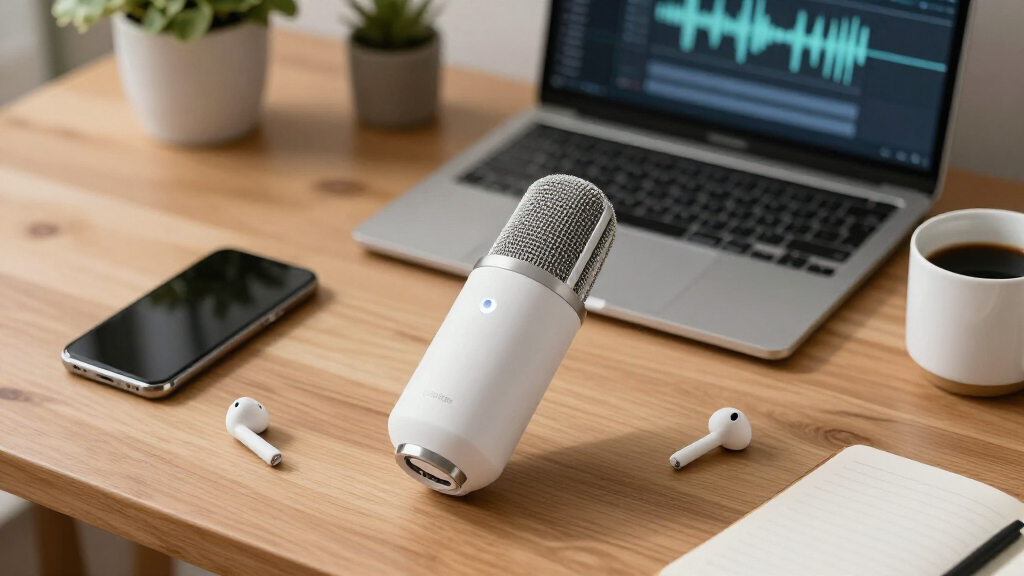
In 2026, USB microphones with integrated artificial intelligence are emerging as essential tools for content creators, streamers, and professionals. These devices offer superior sound quality, noise reduction, and intelligent features that adapt to environments, making them highly sought after. This article explores the confirmed developments, their significance, and what remains uncertain about these AI-powered mics.
Several leading audio technology companies have announced the release of new USB microphones with integrated artificial intelligence for 2026, promising significant improvements in sound clarity, noise suppression, and user adaptability. These innovations are set to transform the landscape for streamers, podcasters, and remote workers, making high-quality audio more accessible and effortless, as detailed in the original analysis. The confirmed launches and features highlight a trend toward smarter, more intuitive audio devices that leverage AI to enhance performance in real-time.
Major brands such as Logitech, Blue Microphones, and newer entrants like SoundAI are unveiling models equipped with AI-driven noise reduction, automatic gain adjustment, and environment sensing capabilities. These microphones utilize machine learning algorithms to analyze sound input, filter out background noise, and optimize audio clarity without requiring manual intervention. Several models also incorporate adaptive pickup patterns that change dynamically based on the environment, providing a tailored experience for users in different settings.
Confirmed features include real-time noise cancellation, intelligent feedback suppression, and customizable sound profiles that can be stored and recalled via companion apps. Some models are also integrating AI-powered voice recognition for commands and transcription, adding further functionality. The devices are designed to connect seamlessly with major operating systems and streaming platforms, emphasizing ease of use and compatibility. Pricing varies, with premium models costing between $150 and $300, reflecting their advanced capabilities, while more affordable options are also emerging for casual users.
The 9 picks
- 1
 Logitech Blue Yeti USB Microphone for PC, Mac, Gaming, Recording, Streaming,…View on Amazon →
 - 2
 NEEWER UM01 AI Noise Canceling USB Microphone, Cardioid Condenser with RGB Li…View on Amazon →
 - 3
 TONOR Conference USB Microphone, Omnidirectional Condenser PC Mic G11View on Amazon →
 - 4
 Aokeo AK-10 USB/XLR Dynamic Desktop Microphone for Gaming, Podcast, Streaming…View on Amazon →
 - 5
 FIFINE K669B USB Microphone, Condenser Recording Mic for Vocals, MeetingsView on Amazon →
 - 6
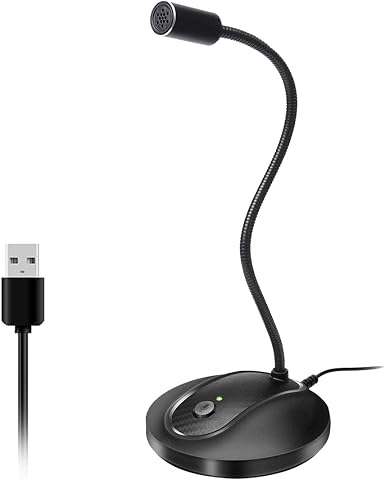 USB Microphone with Adjustable Gooseneck, Mute Button, and Noise-Canceling Te…View on Amazon →
 - 7
 CMTECK Conference USB Microphone, Plug-and-Play Omnidirectional Desktop MicView on Amazon →
 - 8
 CMTECK USB Computer Microphone G009, Noise-Cancelling Desktop Mic for PC/Lapt…View on Amazon →
 - 9
 Plug & Play USB Computer Microphone with Flexible Gooseneck and Mute ButtonView on Amazon →
Why AI-Enhanced USB Microphones Are a Game-Changer in 2026
The integration of artificial intelligence into USB microphones represents a major shift in audio technology, offering users higher quality sound with less setup effort. For content creators, streamers, and remote professionals, these devices can significantly improve communication clarity and reduce post-production editing. The ability to automatically adapt to noisy or variable environments means fewer technical hurdles and more focus on content quality. This development could democratize access to professional-grade audio, making high-quality streaming and recording more accessible to a broader audience.
Moreover, the smart features can enhance productivity by enabling voice commands and real-time adjustments, reducing the need for complex audio setups. As AI continues to evolve, these microphones may gain even more sophisticated capabilities, such as contextual sound adjustments and integration with other smart devices. The overall impact is a more seamless, intuitive experience for users across various domains, from gaming and podcasting to telehealth and virtual meetings.
Products Worth Considering

Bose QuietComfort Headphones (2nd Gen), Wireless Noise-Cancelling Over-Ear Headphones, Eucalyptus Green

Sony WH-1000XM4C Wireless Noise-Cancelling Headphones, Black

Sony WH-1000XM6 Wireless Noise-Canceling Over-Ear Headphones, Blue, Bundle
As an affiliate, we earn on qualifying purchases.
The Evolution of USB Microphones and AI Integration
USB microphones have become standard tools for content creators, with models like the Blue Yeti and FIFINE K669B leading the market due to their ease of use and sound quality. Over the past few years, manufacturers have increasingly incorporated features like noise suppression and customizable patterns. However, the advent of artificial intelligence in 2026 marks a new era, where these devices not only capture sound but also analyze and optimize it dynamically.
This trend builds on previous innovations such as software-based noise reduction and hardware improvements, but AI integration allows for real-time, adaptive responses that surpass manual or static solutions. Early prototypes and leaked specifications suggest that AI microphones will be able to identify and suppress specific background noises, adjust gain automatically, and even recognize different voices for personalized settings. This evolution aligns with broader trends in smart home and office devices, emphasizing automation and user-centric design.
“Our new models use machine learning to deliver noise-free, crystal-clear audio, adapting instantly to any environment without user intervention.”
— Michael Lee, CEO of SoundAI
What Aspects of AI Microphones Are Still Unclear?
While several models have been announced, details about their long-term reliability, compatibility with various platforms, and actual performance in diverse environments are still emerging. It is not yet confirmed how well these AI features perform in highly noisy or unpredictable settings, or how they compare to dedicated professional-grade XLR setups. Additionally, the extent of user customization and whether these devices will require ongoing subscription services or software updates remains unclear.
Furthermore, questions about data privacy and security—particularly how voice data is processed and stored—are still being addressed by manufacturers, with no comprehensive standards established yet. The overall user experience and the true effectiveness of AI-driven noise suppression and voice recognition in real-world scenarios are subjects of ongoing testing and evaluation.
Upcoming Developments and Market Expectations for 2026
Manufacturers are expected to release additional models throughout 2026, with early reviews focusing on real-world performance and user feedback. Industry analysts anticipate that AI features will become standard in mid-range and high-end USB microphones, pushing competitors to innovate further. Software updates and firmware improvements are likely to enhance initial capabilities, addressing early limitations and expanding customization options.
Consumers and professionals should watch for product launches at major tech expos and online announcements, as well as comparative reviews assessing AI effectiveness. As adoption grows, integration with broader smart device ecosystems and compatibility with various streaming and recording platforms are expected to improve, making these AI microphones a staple in both professional and casual settings.
Key Questions
How do AI features improve USB microphone performance?
AI features enable microphones to automatically reduce background noise, adjust gain dynamically, and adapt pickup patterns in real-time, resulting in clearer sound quality with less manual adjustment.
Are AI-powered USB microphones suitable for professional recording?
While they offer significant improvements for streaming, gaming, and casual recording, professional studio work may still benefit from XLR setups with dedicated audio interfaces, which provide higher fidelity and more control.
Will AI microphones require ongoing subscriptions or software updates?
Some models may include optional subscription services for advanced features, but most will likely offer firmware updates and software improvements as part of standard support, enhancing functionality over time.
What privacy considerations exist with AI microphones?
Manufacturers are still addressing data security, but concerns include how voice data is processed, stored, and shared. Users should review privacy policies and choose models that prioritize data security.
Source: ThorstenMeyerAI.com