TL;DR

Get business pricing on tech for your team
- Business-only prices and quantity discounts
- Tax-exempt purchasing
- Multiple users, one account, clear invoices
In 2026, seven major AI trends are set to redefine industries, from advanced generative models to ethical AI frameworks. Experts highlight the significance of these developments for technology and society.
Seven emerging AI trends are expected to shape the technological landscape in 2026, according to industry analysts and research reports. These developments will influence sectors ranging from healthcare to finance and will have broad societal impacts, making them essential for stakeholders to monitor. The trends include advancements in generative AI, ethical frameworks, and AI-powered automation, among others.
Recent industry forecasts and expert analyses indicate that by 2026, AI will have made significant strides in several key areas, as detailed in the original analysis. Generative AI models will become more sophisticated, enabling more realistic content creation across media, entertainment, and marketing. AI ethics and regulation will advance, with governments and organizations establishing clearer standards to ensure responsible AI deployment. Automation and AI integration will expand into complex decision-making processes in industries such as healthcare, finance, and manufacturing, increasing efficiency but also raising concerns about job displacement.
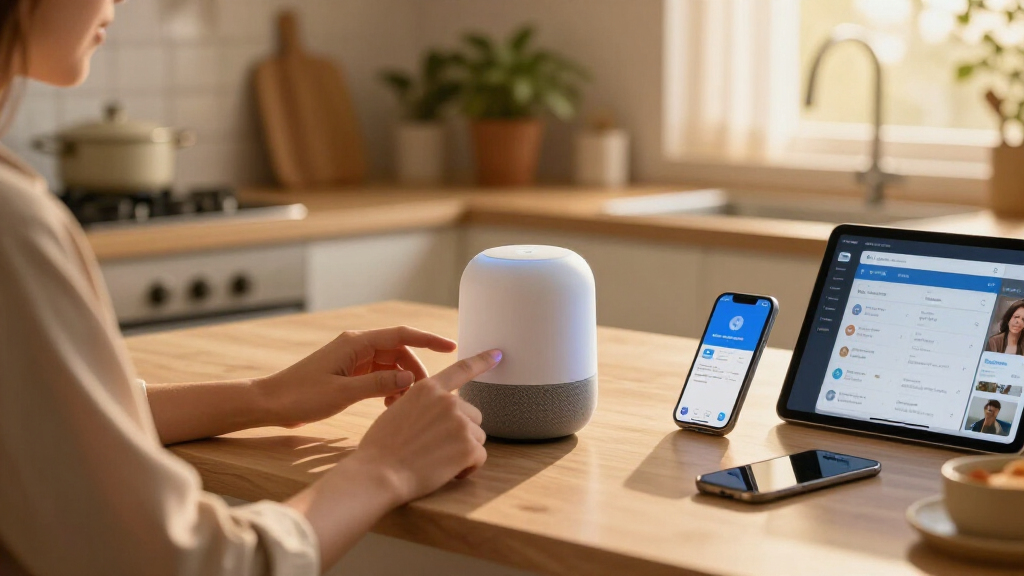
Additionally, personalized AI assistants will become more prevalent, deeply integrated into daily life and work environments. AI-driven cybersecurity will evolve to counter increasingly sophisticated cyber threats, while neural network innovations will push the boundaries of machine learning capabilities. Lastly, the development of AI for climate and social good will gain momentum, aiming to address global challenges like climate change and inequality.
The 7 picks
- 1
 Audio-Technica ATH-M50X Professional Studio Monitor Headphones, BlackView on Amazon →
 - 2
 Audio-Technica ATH-M40x Professional Studio Monitor Headphones, BlackView on Amazon →
 - 3
 Sony MDR7506 Professional Large Diaphragm HeadphonesView on Amazon →
 - 4
 Audio-Technica ATH-M30x Professional Studio Monitor Headphones, BlackView on Amazon →
 - 5
 Audio-Technica ATH-M20x Professional Studio Monitor Headphones, WhiteView on Amazon →
 - 6
 Audio-Technica ATH-M20x Professional Studio Monitor Headphones, BlackView on Amazon →
 - 7
 AKG K240 Studio Semi-Open Studio HeadphonesView on Amazon →
Implications of 2026’s AI Trends for Society and Industry
The projected AI trends for 2026 will have implications across multiple domains. Advances in generative AI could influence content creation and information dissemination, raising considerations around misinformation and authenticity. The development of clearer ethical standards and regulations aims to promote responsible AI use, though the pace of regulatory implementation may vary. Increased automation has the potential to improve efficiency in various sectors but may also impact employment patterns, prompting discussions on workforce adaptation. Personalized AI assistants are expected to enhance user experiences, with privacy considerations remaining important. Progress in AI cybersecurity will be critical for safeguarding infrastructure, and AI applications aimed at social and environmental challenges could contribute to addressing global issues. These trends are relevant for policymakers, businesses, and consumers as the technology evolves.
Current State and Development of AI Leading to 2026
Over recent years, AI has advanced significantly, with notable progress in natural language processing, computer vision, and reinforcement learning. Major organizations such as OpenAI and Google DeepMind have released increasingly capable models, exemplified by GPT-4 and subsequent iterations, demonstrating ongoing improvements in generative AI. Governments and regulatory bodies are beginning to develop frameworks to guide responsible AI deployment, reflecting increased awareness of ethical considerations. Automation has already begun transforming industries, with AI systems handling complex tasks in sectors like healthcare, finance, and logistics. These developments provide a foundation for the more advanced trends anticipated by 2026, as research continues to expand AI capabilities and integration.
Uncertainties Surrounding AI’s 2026 Trajectory
While forecasts suggest continued progress in AI, several uncertainties remain. The development and implementation of regulations may not keep pace with technological advances, potentially creating gaps in oversight. The effectiveness of emerging ethical standards and safety measures at scale is still to be fully demonstrated. The societal impacts of automation, including potential job displacement, are complex and may vary across regions and industries. Additionally, breakthroughs in neural network efficiency or new AI paradigms could influence the trajectory of AI development, making precise predictions for 2026 challenging.
Next Steps in AI Development and Regulation
Ongoing collaboration between researchers and policymakers is expected to focus on establishing comprehensive AI standards and regulations. Investment in AI safety research will likely increase to address potential risks associated with advanced models. Industry stakeholders will continue integrating AI into critical systems with attention to ethical considerations. Public discussions regarding AI’s societal impacts are expected to influence policy development. Technological breakthroughs may accelerate progress, but their adoption will depend on regulatory approval and societal acceptance. Monitoring these developments will be essential to understanding how AI will evolve toward 2026 and beyond.
Key Questions
What are the most significant AI trends expected in 2026?
The key trends include more advanced generative AI, improved ethical and regulatory frameworks, expanded automation in industries, personalized AI assistants, AI-driven cybersecurity, neural network innovations, and AI for social good.
How will AI impact jobs and the economy in 2026?
AI-driven automation is expected to increase efficiency and productivity but may also displace certain job sectors. Policymakers and industries will need to address workforce transitions and reskilling efforts.
What are the main ethical concerns related to AI in 2026?
Major concerns include misinformation from generative AI, privacy issues with personalized assistants, biases in AI systems, and the need for transparent and accountable AI governance.
Will AI regulations be in place by 2026?
While many countries are drafting AI regulations, it is uncertain whether comprehensive frameworks will be fully implemented globally by 2026. Progress is ongoing, with a focus on safety and ethics.
Can breakthroughs in AI technology accelerate faster than regulations?
Yes, technological advances may outpace regulatory development, creating potential risks that require proactive oversight and international cooperation to manage effectively.
Source: ThorstenMeyerAI.com
Halloween Picks
halloween
As an affiliate, we earn on qualifying purchases.