
TL;DR

Get business pricing on tech for your team
- Business-only prices and quantity discounts
- Tax-exempt purchasing
- Multiple users, one account, clear invoices
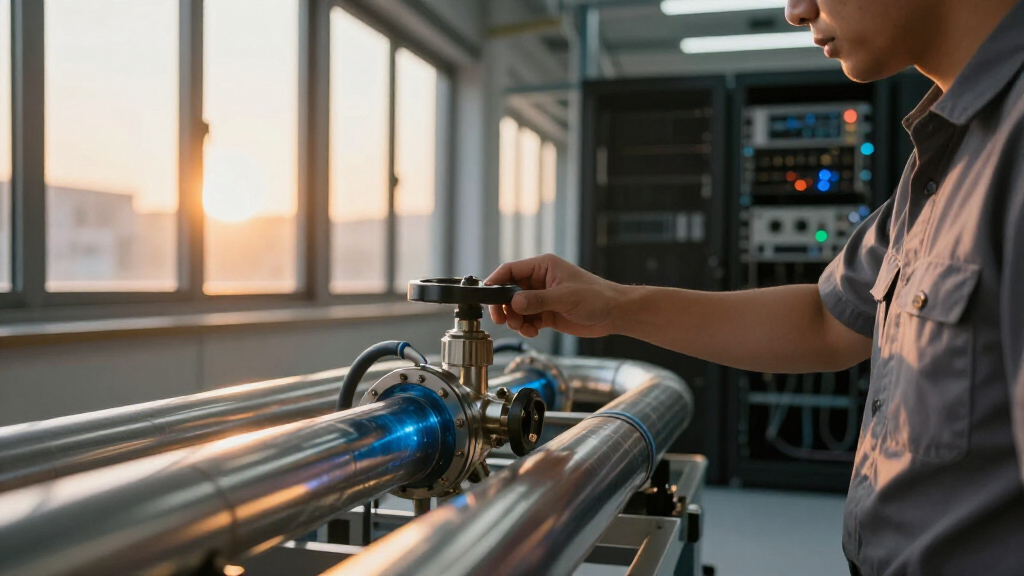
Meta employs a closed-loop cooling system to manage heat generated by its large-scale AI servers. This development is confirmed through recent industry signals, emphasizing the importance of efficient cooling for AI performance. Details about the system’s design and future plans remain under wraps.
Meta is deploying a closed-loop cooling system to manage heat generated by its large-scale AI data centers, according to industry signals. This approach is confirmed to be part of Meta’s efforts to improve energy efficiency and server performance, making it a notable development in data center thermal management.
The closed-loop cooling system involves a sealed, self-contained plumbing infrastructure that circulates coolant directly around the AI servers, removing heat efficiently without relying on external water sources. Industry sources suggest that Meta’s implementation aims to reduce water consumption and improve heat dissipation, critical factors for high-density AI hardware.
While specific technical details remain undisclosed, experts indicate that this system likely incorporates advanced heat exchange components, possibly similar to those used in high-performance computing environments. The deployment aligns with broader industry trends toward more sustainable, energy-efficient data center designs, especially as AI models grow larger and more power-intensive.
Meta’s interest in such cooling solutions has been inferred from recent patent filings and industry leaks, but no official confirmation from Meta has been issued. The company’s focus on optimizing AI infrastructure suggests that this cooling technology could be a key component of its future data center strategy.
Implications for AI Infrastructure and Sustainability
This development underscores the importance of efficient cooling solutions in supporting the growth of AI capabilities. As models become more complex and hardware demands increase, effective thermal management is vital to maintain performance and reduce energy costs. Meta’s adoption of a closed-loop system could set new standards for sustainable data center operations, potentially influencing industry practices worldwide.
Furthermore, such innovations are crucial for reducing the environmental impact of large-scale AI deployments, aligning with broader efforts to make data centers more eco-friendly. The move may also enhance server reliability and lifespan, reducing operational costs over time.
As an affiliate, we earn on qualifying purchases.
Meta’s Data Center Innovations and Industry Trends
Meta has been investing heavily in expanding and upgrading its data center infrastructure to support its AI ambitions. Previous reports have highlighted efforts to improve energy efficiency, including the use of renewable energy sources and advanced cooling techniques. Industry interest in closed-loop cooling systems has surged as AI models grow in size and complexity, demanding more effective thermal management solutions.
While large tech companies like Google and Microsoft have publicly explored similar cooling technologies, Meta’s specific approach remains under observation. The trend toward self-contained, water-efficient cooling systems reflects a broader push for sustainable data center design in the tech industry.
Until now, detailed technical disclosures from Meta are limited, but patent filings and industry leaks hint at a strategic shift toward more innovative thermal management methods. This aligns with the increasing focus on reducing operational costs and environmental footprint amid rising AI workloads.
closed-loop cooling system for servers
As an affiliate, we earn on qualifying purchases.
As an affiliate, we earn on qualifying purchases.
Technical Details and Deployment Timeline Still Unclear
Specific technical specifications of Meta’s closed-loop cooling system have not been publicly disclosed. It is unclear how widespread the deployment is or when it might be fully operational across Meta’s data centers. Industry sources suggest ongoing testing and phased implementation, but official confirmation remains absent.
Additionally, the exact design features, such as coolant type, heat exchange mechanisms, and integration with existing infrastructure, are not confirmed. The scale of the project and its compatibility with other cooling solutions used by Meta are also still under evaluation.
As an affiliate, we earn on qualifying purchases.
Monitoring Meta’s Implementation and Industry Adoption
Further technical disclosures from Meta are anticipated, possibly through patent filings or industry presentations. Observers expect the company to expand its use of closed-loop cooling if initial tests prove successful. Industry analysts will watch for potential scalability and cost benefits, which could influence broader adoption among other tech giants.
In the coming months, updates from Meta regarding pilot programs or full deployment timelines are likely. Meanwhile, competitors and industry stakeholders will monitor these developments to assess the impact on data center sustainability and AI infrastructure strategies.
energy-efficient data center cooling
As an affiliate, we earn on qualifying purchases.
As an affiliate, we earn on qualifying purchases.
Key Questions
What exactly is a closed-loop cooling system?
A closed-loop cooling system is a self-contained plumbing setup that circulates coolant directly around hardware components, removing heat efficiently without external water sources or open cooling ponds.
Why is Meta adopting this cooling technology?
Meta aims to improve energy efficiency, reduce water consumption, and enhance the performance and reliability of its AI servers by employing advanced thermal management solutions like the closed-loop system.
Are other companies using similar cooling methods?
Yes, companies like Google and Microsoft have explored or implemented similar cooling techniques, but Meta’s specific approach remains under observation and has not been officially confirmed.
When will Meta’s new cooling system be fully operational?
There is no official timeline yet. Industry sources suggest phased testing and deployment are ongoing, with full implementation possibly occurring within the next year or more.
What are the environmental benefits of this system?
By reducing water use and improving heat dissipation efficiency, the closed-loop system could significantly lower the environmental footprint of Meta’s data centers, aligning with sustainability goals.
Source: rss
Halloween Picks
halloween
As an affiliate, we earn on qualifying purchases.