
TL;DR

Get business pricing on tech for your team
- Business-only prices and quantity discounts
- Tax-exempt purchasing
- Multiple users, one account, clear invoices
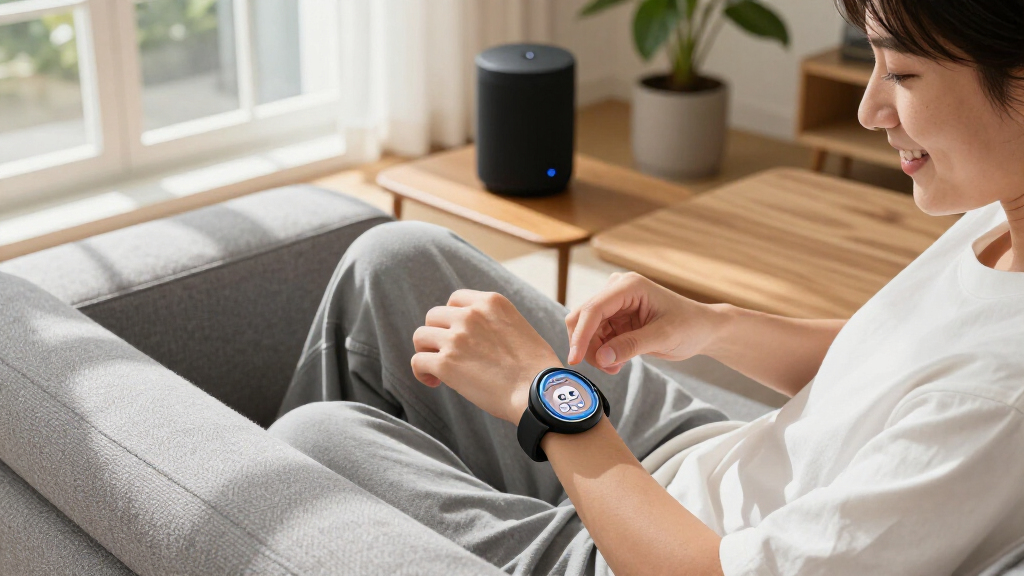
Meta has introduced a new wearable device inspired by Tamagotchi, designed to interact with its Muse AI agent. The development is confirmed, but details about its function remain unclear, raising questions about its purpose and potential applications.
Meta has developed a wearable device resembling a Tamagotchi for its Muse AI agent, a move confirmed by the company that has sparked widespread curiosity. The device appears to combine elements of virtual pet care with wearable technology, but its exact purpose and functionality remain unclear. This development is notable because it signals Meta’s interest in blending AI interaction with tangible, user-facing hardware, potentially opening new avenues for AI engagement and consumer products.
According to Meta, the wearable is designed to interact with its Muse AI, a conversational AI platform that Meta has been developing for several years. The device’s appearance closely resembles a Tamagotchi, the iconic virtual pet toys from the late 1990s, featuring a small screen and simple controls. Meta has not yet released detailed specifications or intended use cases, but the device is confirmed to be in testing or prototype stages.
Sources familiar with the project suggest that the wearable could serve as a personal AI companion, providing notifications, reminders, or even emotional support through interaction with Muse AI. The device’s design emphasizes portability and user engagement, hinting at a focus on daily, casual use rather than purely functional applications. However, Meta has not officially disclosed whether it plans to commercialize the device or keep it as a research prototype.
Interest in the device has surged among tech observers and AI enthusiasts, partly driven by Meta’s history of experimenting with novel hardware and partly by the nostalgic appeal of the Tamagotchi form factor. The company has not provided a timeline for broader release or further details about how the device will operate within its AI ecosystem.
Potential Impact on AI and Wearable Tech
This development could mark a new direction for AI-human interaction, blending tangible, playful hardware with advanced conversational AI. If commercialized, the device might influence how consumers engage with AI assistants, emphasizing emotional connection and entertainment. It also signals Meta’s broader strategy of integrating AI into everyday objects, potentially expanding its ecosystem of AI-driven hardware products. The device’s resemblance to nostalgic toys could appeal to a wide demographic, fostering more personal and engaging AI experiences. However, without detailed specifications, the exact impact remains speculative, and questions about privacy, utility, and market reception are unresolved.As an affiliate, we earn on qualifying purchases.
Meta’s History of Hardware and AI Experiments
Meta has a history of exploring innovative hardware projects, including virtual reality headsets like Oculus and various smart devices. Its AI initiatives have ranged from chatbots to large language models, aiming to embed AI more deeply into user experiences. The Muse AI platform, still in development, is designed to facilitate more natural, human-like interactions. The recent emergence of a Tamagotchi-like wearable aligns with Meta’s broader interest in combining AI with hardware that fosters emotional and social engagement. Interest in Meta’s AI hardware experiments has spiked recently, driven by the company’s increasing focus on AI-powered consumer devices and the nostalgic appeal of the Tamagotchi form factor. The trigger for this specific development appears to be unconfirmed, but the trend indicates a growing curiosity about AI-enabled wearable toys.As an affiliate, we earn on qualifying purchases.
Unconfirmed Details and Unknown Capabilities
It is not yet clear how the device functions, whether it will be commercially available, or what specific features it will offer. Meta has not disclosed technical specifications, intended use cases, or release timelines. The exact role of the device within Meta’s broader AI ecosystem remains speculative, and its potential applications—whether as a personal assistant, emotional companion, or entertainment device—are still unconfirmed.As an affiliate, we earn on qualifying purchases.
Next Steps and Expected Developments
Meta is expected to provide more details about the device in upcoming announcements, possibly including technical specifications, intended use cases, and release plans. Industry analysts anticipate that further testing phases or prototypes may be unveiled at upcoming tech events or through official channels. Observers will be watching for indications of commercialization, user testing feedback, and how the device integrates with Meta’s AI platforms. The company may also explore partnerships or collaborations to expand the device’s capabilities or market reach.
As an affiliate, we earn on qualifying purchases.
Key Questions
Is this wearable device available for purchase now?
As of now, Meta has not announced a commercial release. The device appears to be in prototype or testing stages, with no confirmed availability date.
What functions might this Tamagotchi-like wearable serve?
While specific features are unconfirmed, it is believed to serve as a personal AI companion, offering interaction, notifications, or emotional support through Muse AI integration.
Will this device be aimed at consumers or researchers?
Meta has not specified its target audience. It could be a research prototype or a consumer product, depending on future developments and testing outcomes.
How does this fit into Meta’s broader AI strategy?
This device aligns with Meta’s ongoing efforts to embed AI into tangible, everyday objects, fostering more personal and engaging AI experiences for users.
Could this device influence future AI hardware designs?
Potentially, yes. If successful, it could inspire new forms of AI-enabled wearable toys or personal assistants that emphasize emotional connection and playful interaction.
Source: rss
Halloween Picks
halloween
As an affiliate, we earn on qualifying purchases.