
TL;DR

Get business pricing on tech for your team
- Business-only prices and quantity discounts
- Tax-exempt purchasing
- Multiple users, one account, clear invoices
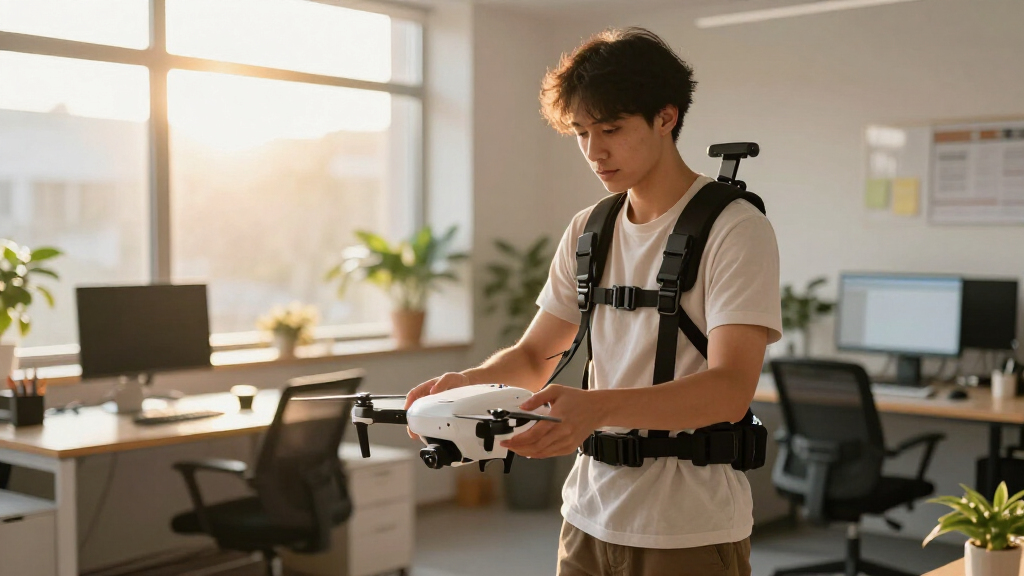
Munder Difflin has announced a new agent harness technology designed to run offices staffed exclusively by clones. This development aims to enhance operational efficiency and reduce human labor costs. The initiative is in early pilot stages, with broader deployment still under consideration.
Munder Difflin has introduced a new agent harness technology capable of running office operations staffed entirely by clones. This innovation aims to automate administrative tasks and reduce reliance on human employees, marking a significant development in workplace automation.
The company revealed that the agent harness system can independently manage office functions such as scheduling, correspondence, and client interactions, using cloned staff members. The technology is currently in pilot testing at select Munder Difflin locations, with plans for potential expansion pending further evaluation.
According to Munder Difflin spokesperson Jane Carter, the system employs advanced AI and robotics integrated with clone management protocols to ensure seamless operation. She emphasized that the clones are designed to perform repetitive tasks, freeing human workers for more strategic roles.
Potential Impact on Workforce Automation and Business Efficiency
This development signifies a major step toward automating office management using cloned staff and AI-driven systems. If successful, it could drastically reduce labor costs, improve operational consistency, and reshape traditional employment models in corporate environments. It also raises questions about worker displacement and ethical considerations surrounding clone labor.
Products Worth Considering

Jackery Explorer 2000 v2 Portable Power Station with Two 200W Solar Panels

Bose SoundLink Flex Bluetooth Speaker (2nd Gen), Portable Waterproof Speaker, Black

Amazon Kindle Scribe Colorsoft 64GB (1st Generation)
As an affiliate, we earn on qualifying purchases.
Background of Clone and Automation Technologies in Business
Over the past decade, companies like Munder Difflin have invested heavily in automation and AI to streamline operations. The concept of using clones as workforce substitutes has been explored in research and speculative projects, but practical applications have remained limited. The recent announcement marks one of the first significant steps toward integrating clone management into everyday office functions.
Previous initiatives focused on robotic automation and AI chatbots, but the use of human clones introduces new possibilities and challenges, including legal, ethical, and logistical considerations. The pilot program aims to assess the viability of this approach at scale.
“Our agent harness system is designed to seamlessly manage offices staffed by clones, increasing efficiency while maintaining high standards of service.”
— Jane Carter, Munder Difflin spokesperson
Unresolved Questions About Clone Rights and Regulation
It is not yet clear how regulatory agencies will oversee the use of cloned workers and whether existing labor laws will adapt to this new form of workforce. Additionally, the long-term safety and ethical implications of clone management systems remain under discussion among experts and policymakers.
Next Steps for Pilot Testing and Regulatory Review
Munder Difflin plans to expand its pilot program to additional offices over the next six months, gathering data on efficiency and clone well-being. Simultaneously, regulatory bodies are expected to evaluate the legal framework surrounding clone employment, potentially leading to new guidelines or restrictions.
Key Questions
What exactly is the agent harness technology?
The agent harness is an AI-driven system integrated with robotics designed to manage office operations staffed by clones, automating tasks like scheduling, communication, and client interactions.
Are the clones human or robotic?
The clones are described as human-like, genetically engineered staff designed for specific work roles. They are not robots but biological entities managed with advanced AI systems.
What are the ethical concerns surrounding clone workers?
Experts raise questions about clone consent, labor rights, and the societal implications of replacing human workers with clones. These issues are under active discussion by ethicists and regulators.
Will this technology replace all human office workers?
It is unlikely to replace all human workers immediately. The current focus is on automating repetitive tasks, while strategic and creative roles may still require human oversight.
When will this system be available for widespread use?
Widespread deployment depends on the outcomes of pilot testing and regulatory approval, which could take several months to over a year.
Source: hn