
TL;DR

Get business pricing on tech for your team
- Business-only prices and quantity discounts
- Tax-exempt purchasing
- Multiple users, one account, clear invoices
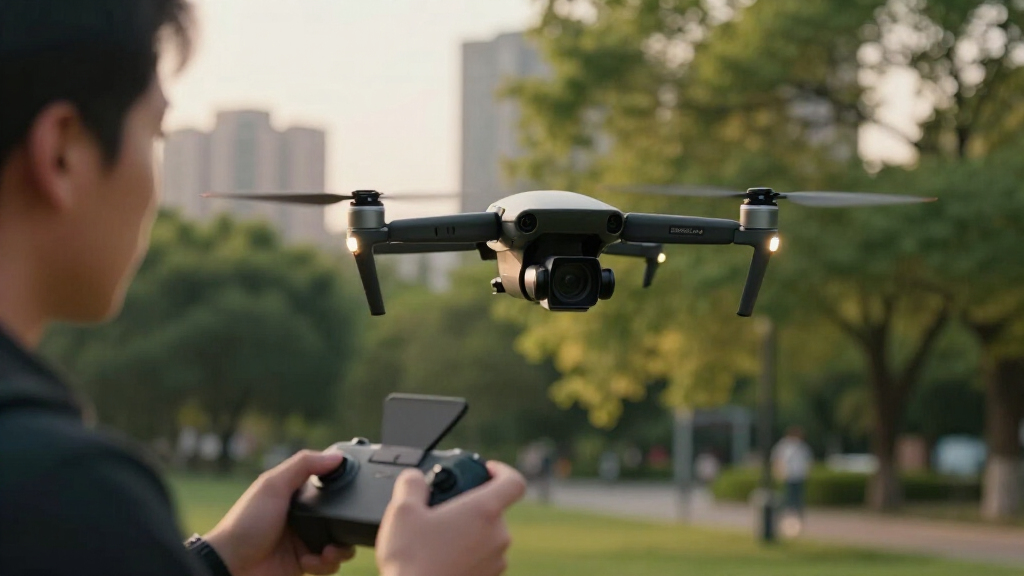
AI camera drones are poised to significantly impact filmmaking in 2026 by offering autonomous flight, advanced stabilization, and real-time scene adjustments. This development will enable filmmakers to capture complex shots more easily and affordably, transforming production workflows.
AI camera drones with autonomous flight and advanced stabilization are emerging as a transformative tool for filmmakers in 2026. These innovations allow for complex shots without the need for large crews or expensive equipment, making cinematic production more accessible and flexible. Industry experts say this technology will redefine how films, commercials, and other visual media are created, increasing efficiency and creative possibilities.
Recent advancements in artificial intelligence and drone technology have led to the development of camera drones capable of autonomous flight, real-time scene analysis, and adaptive shot framing. For more details, see 2026’S Top AI-Powered Camera Drones For Sky Videos. Companies like DJI and startups such as Skydrone AI are leading the charge, integrating AI systems that allow drones to navigate complex environments, avoid obstacles, and adjust camera settings on the fly. These drones leverage machine learning algorithms to recognize scenes, track subjects, and optimize shot composition without human intervention.
Confirmed features include high-resolution cameras with gimbal stabilization, obstacle avoidance sensors, and AI-driven flight paths. Industry insiders note that these drones can execute multi-layered shots—such as following fast-moving subjects or capturing dynamic aerial sequences—previously requiring large crews and expensive equipment. 10 Best Camera Drones in 2026 offer insights into top models. The technology also enables pre-programmed routines, reducing operator workload and minimizing errors during filming.
While these systems are still in early adoption phases, several major production companies have begun experimenting with AI drone footage in commercials and short films. To explore the best options, check out the top camera drones for 2026. Experts predict that by 2026, AI-enabled camera drones will be standard tools in professional filmmaking, especially for outdoor and action scenes, due to their ability to deliver complex shots with minimal setup.
The 10 picks
- 1
 DJI Mini 5 Pro Fly More Combo Plus with DJI RC 2, 4K Camera DroneView on Amazon →
 - 2
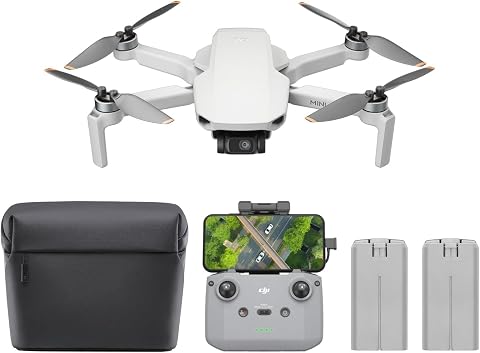 DJI Mini 4K Camera Drone Combo, 4K UHD, 249g, 3-Axis Gimbal, 10km Transmissio…View on Amazon →
 - 3
 DJI Mini 4K Drone with 4K UHD Camera and 3-Axis GimbalView on Amazon →
 - 4
 8K GPS Drone with Camera for Adults, 5G Brushless Foldable RC QuadcopterView on Amazon →
 - 5
 GPS Drone with 1080P Camera and 4.5" LCD Screen RemoteView on Amazon →
 - 6
 TD12Pro Drone with 1080P Camera and LCD Screen RemoteView on Amazon →
 - 7
 MSMV 4K HD Camera Drone, Wireless RC Toy for Boys and GirlsView on Amazon →
 - 8
 F417PRO FPV Drone with 1080P Camera and LCD Remote for Adults, Beginners, KidsView on Amazon →
 - 9
 Drone with Camera and Built-in Screen on ControllerView on Amazon →
 - 10
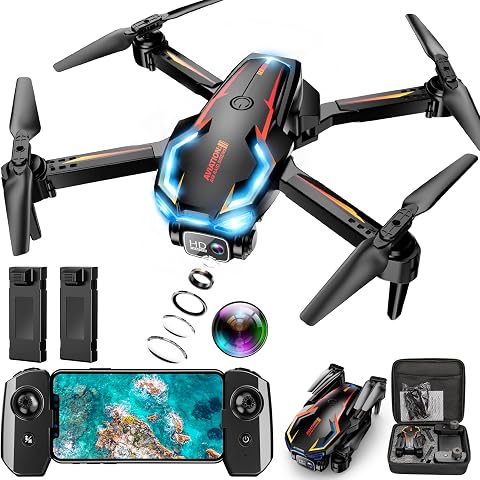 Drone with Camera for Adults, 2K HD FPV, Altitude Hold, One-Key Takeoff/Landi…View on Amazon →
Impact on Filmmaking Workflow and Production Costs
The adoption of AI camera drones in 2026 will significantly alter filmmaking workflows. By automating complex camera movements and scene analysis, these drones reduce the need for large crews, specialized equipment, and extensive planning. This shift could lower production costs and shorten shooting schedules, making high-quality filmmaking more accessible to independent creators and smaller studios. Additionally, AI-driven automation allows for more creative experimentation, enabling filmmakers to execute shots previously deemed too risky or technically challenging.
Furthermore, the technology promises to democratize high-end aerial cinematography, which has traditionally been limited to major studios with substantial budgets. As a result, a broader range of storytellers will gain access to cinematic-grade visuals, potentially diversifying the kinds of stories told and expanding industry innovation. However, some industry experts caution that reliance on AI systems may also raise questions about artistic control and the need for skilled drone operators to oversee autonomous systems.
Evolution of Drone Technology and AI Integration
Over the past decade, drone technology has rapidly evolved, with consumer models becoming more capable and affordable. The integration of AI into these systems has been a gradual process, initially focused on obstacle avoidance and flight stability. In recent years, companies like DJI have introduced features such as automated tracking and intelligent flight modes. These advancements laid the groundwork for more sophisticated AI applications in filmmaking.
Prior to 2026, industry trials demonstrated that AI-enabled drones could perform complex maneuvers and scene adjustments, but widespread adoption was limited by technological constraints and regulatory hurdles. As AI algorithms improved and regulatory frameworks adapted to autonomous flight, the potential for AI camera drones to become standard filmmaking tools increased significantly. This progression has now culminated in the upcoming mainstream deployment expected in 2026.
Historically, aerial cinematography relied heavily on helicopter rigs or cranes, which were costly and logistically complex. Drones revolutionized this aspect, and now AI integration promises to further streamline the process, enabling even more dynamic and cinematic shots with minimal resources.
Regulatory and Ethical Challenges for AI Drone Filmmaking
While technological capabilities are advancing rapidly, it is still unclear how regulatory frameworks will evolve to accommodate fully autonomous AI drone operations in commercial filmmaking. Authorities in many countries are working to update drone flight laws, but widespread legal acceptance and safety standards may lag behind technological development. Additionally, ethical considerations around privacy, safety, and job displacement remain topics of debate within the industry.
It is not yet confirmed how quickly regulations will adapt to AI-driven autonomous filming, or how filmmakers and regulators will address potential misuse or safety incidents involving these advanced drones. The industry is closely monitoring these developments, but uncertainties remain regarding the timeline and scope of regulatory changes.
Expected Industry Adoption and Regulatory Developments in 2026
In the coming months, major drone manufacturers and industry groups are expected to announce pilot programs and regulatory proposals aimed at integrating AI camera drones into mainstream filmmaking workflows. Regulatory agencies are likely to develop specific guidelines for autonomous drone operation, with some jurisdictions possibly issuing pilot licenses or special permits for commercial use.
Filmmakers and production companies will begin testing AI drone systems in real-world scenarios, providing feedback that could influence future regulations. As the technology matures, we expect a gradual shift toward broader adoption, with AI-enabled drones becoming standard equipment for many professional projects by mid-2026.
Industry conferences and trade shows scheduled for late 2025 and early 2026 will serve as platforms for unveiling new AI drone models and discussing regulatory frameworks, shaping the future landscape of autonomous aerial filmmaking.
Key Questions
How will AI camera drones improve filmmaking?
They will enable autonomous, complex shots with minimal human intervention, improve shot stability, and reduce production costs, making cinematic footage more accessible.
Are there safety concerns with autonomous AI drones in filmmaking?
Yes, regulatory and safety standards are still being developed. Industry experts emphasize the importance of regulation to ensure safe operation of autonomous drones.
Will AI camera drones replace human drone operators?
While AI will automate many technical tasks, skilled operators will still be needed for oversight, complex decision-making, and creative input in filmmaking.
When will AI camera drones become widely available for filmmakers?
Major industry players expect widespread adoption by 2026, with early trials and regulatory frameworks shaping the transition.
Source: ThorstenMeyerAI.com
Halloween Picks
halloween
As an affiliate, we earn on qualifying purchases.