

To automate approvals without creating bottlenecks, you should define clear, measurable rules and communicate them transparently to all stakeholders. Use the right tools to integrate seamlessly with your existing systems, and implement automation gradually, starting with routine approvals. Continuously monitor performance with real-time dashboards and gather feedback to refine rules and workflows. Staying proactive guarantees efficiency and prevents delays. Keep learning how to optimize your process further as you explore more strategies below.
Key Takeaways
- Define clear, measurable approval criteria and thresholds to prevent unnecessary delays.
- Automate routine approvals first, reserving manual review for exceptions to maintain speed.
- Use real-time monitoring dashboards to identify and address bottlenecks promptly.
- Incorporate escalation paths for delayed approvals to ensure timely decision-making.
- Regularly review and refine automation rules based on stakeholder feedback and performance data.
Why Automate Approvals? Benefits and Common Challenges

Automating approvals can considerably streamline your workflow and reduce bottlenecks, but it’s important to understand both its advantages and potential hurdles. One major benefit is speeding up the approval process, allowing decisions to be made faster and more efficiently. It also helps maintain decision consistency, ensuring that approvals follow the same criteria every time, reducing errors and bias. Additionally, European cloud innovation supports the development of reliable and scalable automation solutions that align with data sovereignty standards. Modern smart home technology demonstrates how automation can seamlessly integrate into daily routines, highlighting the importance of thoughtful implementation. Moreover, understanding the benefits of automation can help you identify the best strategies for your specific needs. Implementing airless paint sprayers as part of your workflow can serve as an example of how automation and modern tools improve efficiency in practical scenarios. Furthermore, integrating home automation systems can enhance overall operational control and monitoring. However, challenges include setting up the system correctly and ensuring that automated rules align with your organization’s policies. Over-automation can lead to rigid decision-making, sometimes overlooking context or special cases. To succeed, you need a balance—leveraging automation to improve efficiency while keeping oversight to handle exceptions. Recognizing these benefits and challenges helps you optimize your approval workflows effectively.
How to Define Clear Rules for Automated Approvals
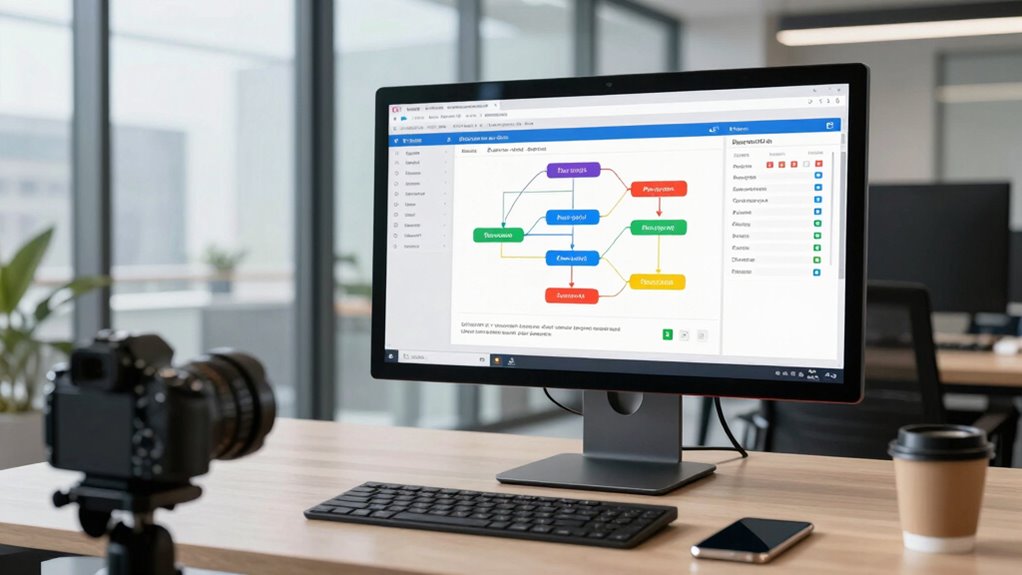
To set up effective automated approvals, you need to establish clear criteria that define when requests qualify. Make sure to communicate these rules clearly to everyone involved, so there’s no confusion or misinterpretation. When rules are transparent and well-understood, the automation runs smoothly and consistently. Implementing affiliate disclosure policies ensures all stakeholders are aware of potential commissions and maintain transparency throughout the process. Additionally, incorporating analytical thinking helps in assessing the effectiveness of your approval rules and making necessary adjustments. Recognizing potential manipulation tactics can further safeguard the process from misuse and ensure fairness. Understanding market reputation can also aid in setting appropriate thresholds for approval criteria and maintaining trust in your system. Furthermore, applying decision-making frameworks can improve consistency and objectivity in approval processes.
Establish Clear Criteria
Establishing clear criteria is essential for successful automated approvals because it guarantees consistency and fairness in decision-making. When your criteria are well-defined, decision consistency improves, reducing errors and misjudgments. To achieve this, focus on setting specific parameters that leave little room for interpretation. Standardized processes help ensure that everyone understands and applies the criteria uniformly. Define measurable thresholds, such as dollar limits or timeframes. Use objective data points instead of subjective opinions. Additionally, incorporating piercing healing times and other relevant data into your criteria can help streamline approvals for related requests. Regularly review and update criteria to reflect changing circumstances. Incorporating decision-making frameworks can further enhance clarity and fairness in the approval process. Leveraging performance metrics can provide ongoing insights into the effectiveness of your approval rules and highlight areas for improvement.
Communicate Rules Effectively
Effective communication of rules is essential for successful automated approvals because it guarantees everyone understands the criteria and processes involved. To achieve this, focus on clarity enhancement by clearly documenting approval rules and criteria. Use straightforward language and visual aids when possible to prevent misunderstandings. Establish feedback channels where team members can ask questions or provide input about the rules, ensuring ongoing clarity. Regularly review and update the communicated rules based on feedback and process changes, keeping everyone aligned. Clear communication minimizes errors and delays, allowing automation to function smoothly without becoming a bottleneck. By emphasizing clarity and maintaining open feedback channels, you ensure your approval process remains transparent, efficient, and adaptable to evolving needs. Additionally, incorporating standardized guidelines can help maintain consistency across approval decisions.
What Are the Best Tools for Approval Automation?

Are you wondering which tools can streamline your approval processes? The right tools can boost efficiency through seamless workflow integration and digital signatures. For example, platforms like DocuSign enable secure digital signatures, speeding up approval cycles. Workflow automation tools such as Zapier or Microsoft Power Automate connect various apps, reducing manual tasks and delays. Cloud-based solutions like Approvals by Jira or Asana offer real-time updates and easy collaboration, ensuring approvals happen on time. These tools help eliminate bottlenecks by automating routine tasks and integrating approval steps directly into your existing systems. Incorporating approval workflows can further optimize your processes by aligning approval workflows with specific organizational needs. Additionally, selecting tools with workflow customization options allows organizations to tailor workflows to their unique requirements, enhancing overall efficiency. When choosing approval tools, considering integration capabilities is essential to ensure smooth operation across your current software ecosystem. Prioritizing those that support workflow integration and digital signatures will notably improve your approval process.
Implementing Approval Automation in Phases

You should start by planning incremental steps to implement approval automation, ensuring each phase builds on the last. As you progress, monitor your progress closely to catch issues early and make adjustments quickly. This phased approach keeps the process manageable and helps you achieve consistent improvements. Incorporating project management support into your planning can also promote a balanced approach to change management. Additionally, understanding workflow analysis can help identify bottlenecks and optimize approval processes effectively. Conducting a thorough technology assessment can ensure that the automation tools align with your existing systems and future needs.
Planning Incremental Steps
Implementing approval automation in phases helps facilitate a smooth *shift* and minimizes disruptions to existing workflows. You should start by identifying key approval points and setting clear milestones for each phase. Prioritize automating routine approvals first, *guaranteeing* user permissions are correctly assigned to prevent bottlenecks. As you expand the system, plan for approval escalation paths to handle exceptions efficiently. Regularly review each phase to address issues before moving forward, maintaining control over the process. By breaking down the implementation, you reduce risks and can adapt based on feedback. This step-by-step approach keeps the project manageable and ensures seamless integration with existing systems, all while maintaining clarity around user permissions and approval escalation needs.
- Define clear milestones for each phase
- Assign proper user permissions early
- Establish approval escalation protocols
Monitoring Progress Effectively
To guarantee each phase of approval automation progresses smoothly, effective monitoring is essential. You need to track progress regularly, ensuring feedback loops are active and issues are addressed promptly. Establish clear escalation procedures to handle bottlenecks or delays before they escalate. Use real-time dashboards to visualize approval statuses, identify stalls, and adjust workflows as needed. Consider this table for clarity:
| Monitoring Focus | Key Actions |
|---|---|
| Feedback Loops | Collect user input, refine automation steps |
| Escalation Procedures | Define triggers, assign escalation owners |
| Progress Tracking | Use dashboards, set milestones |
| Issue Resolution | Address delays swiftly, update workflows |
This approach keeps your automation aligned, responsive, and efficient.
How to Monitor and Improve Your Approval Workflow

Monitoring and improving your approval workflow is essential for maintaining efficiency and reducing bottlenecks. Regularly analyze performance metrics to identify delays and bottlenecks. Establish feedback loops with approvers to gather insights on process pain points and suggestions for improvement. By continuously reviewing these insights, you can refine your automation rules and guarantee smoother approvals. Track key performance metrics like approval times, rejection rates, and volume trends to spot areas needing attention. Adjust workflows based on data and feedback to optimize speed and accuracy. Engaging with these insights helps prevent bottlenecks before they escalate, ensuring your approval process remains agile and effective. Staying proactive with monitoring and improvements keeps your automation aligned with organizational goals.
Avoiding Pitfalls: Tips for Successful Approval Automation

While automating approval workflows can boost efficiency, it’s easy to encounter common pitfalls that undermine these benefits. Approval pitfalls often stem from automation mistakes like overly complex rules or neglecting stakeholder input. These errors can cause delays, confusion, or missed approvals, turning automation into a bottleneck rather than a solution. To prevent this, keep your workflows simple and transparent. Regularly review and test your automation rules to ensure they work as intended. Engage approvers early in the process to identify potential issues. Also, avoid rushing into automation without thorough planning. By being mindful of approval pitfalls and steering clear of automation mistakes, you’ll create a smoother, more reliable approval process that truly enhances efficiency.
Frequently Asked Questions
How Do I Ensure Compliance With Approval Automation Policies?
You guarantee compliance with approval automation policies by setting clear rules aligned with your approval hierarchies. Regularly review audit trails to monitor decision-making and detect any irregularities. Automate alerts for policy breaches and update approval workflows as needed. Training your team on these policies helps maintain consistency, while periodic audits confirm adherence. This approach keeps your approval process compliant without causing delays or bottlenecks.
What Training Is Needed for Staff on New Approval Systems?
Think of staff training as planting seeds in a well-tended garden—you’ll need the right tools and guidance for growth. With effective change management, you guarantee your team understands the new approval system’s rhythm. Provide hands-on workshops and clear documentation, so everyone’s on the same page. This way, your staff becomes confident navigators of the automation process, transforming potential bottlenecks into smooth-flowing streams of productivity.
How Can I Handle Exceptions in Automated Approval Workflows?
You should implement clear exception handling protocols and escalation procedures within your automated workflows. When an exception occurs, set up automatic alerts to notify the right team members for quick resolution. Guarantee your system can escalate issues based on predefined criteria, like urgency or time delays. This way, you prevent bottlenecks, keep processes smooth, and maintain control over approval exceptions without disrupting the overall automation.
What Are the Security Considerations for Approval Automation Tools?
A stitch in time saves nine; so, you need to consider security risks when automating approvals. You must implement strong access controls to prevent unauthorized actions and protect sensitive data. Regularly audit your automation tools for vulnerabilities, ensure encryption of data in transit and at rest, and restrict user permissions to essential functions. By doing so, you’ll safeguard your workflow without creating security loopholes, keeping operations smooth and secure.
How Do I Measure the ROI of Approval Automation Initiatives?
You can measure the ROI of approval automation by conducting a cost-benefit analysis, comparing time and resource savings to implementation costs. Engage stakeholders early to gather insights on efficiency gains and user satisfaction. Track key metrics like approval cycle times, error rates, and compliance improvements. Regularly review these data points to guarantee your automation delivers value, helping you justify investments and identify areas for further optimization.
Conclusion
Think of approval automation as planting a sturdy tree—you set the roots with clear rules, nurture it with the right tools, and watch it grow through continuous care. When you streamline your process, you create a resilient canopy that shields your workflow from bottlenecks. With mindful monitoring and adjustments, your automated system becomes a symbol of efficiency and foresight, ensuring your organization’s growth remains steady and unstoppable.