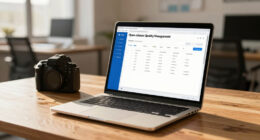
Continuous compliance monitoring tools help you stay ahead of evolving regulations by providing real-time insights into your compliance status. These tools automate manual checks, reducing errors and saving you time. They feature customizable dashboards and centralized visibility, making it easier to identify issues and take prompt corrective actions. By embedding compliance into your daily operations, you’ll reduce risks and stay prepared for audits. Keep going to discover how these tools can transform your compliance efforts.
Key Takeaways
- Enable real-time visibility into compliance status, reducing manual effort and errors.
- Automate audits and data analysis to quickly identify discrepancies and emerging risks.
- Provide customizable dashboards for centralized monitoring and efficient resource allocation.
- Support ongoing compliance efforts, helping organizations adapt to regulatory changes proactively.
- Generate comprehensive reports to demonstrate compliance confidently to regulators.

In today’s fast-paced digital landscape, maintaining compliance can be a complex and ongoing challenge for organizations. You need to stay aligned with evolving regulatory frameworks that govern your industry, which means constantly monitoring and adjusting your processes. Manual compliance checks are not only time-consuming but also prone to errors, increasing the risk of non-compliance and potential penalties. This is where continuous compliance monitoring tools come into play, offering a proactive approach to managing your regulatory obligations. These tools automate the process of tracking compliance status across various standards, making it easier for you to stay ahead of the curve. They provide real-time insights, so you’re not left reacting to issues after they’ve occurred but instead can address potential gaps before they turn into serious problems. By integrating compliance monitoring into your daily operations, you’ll gain a clearer picture of your organization’s adherence to regulatory frameworks, ensuring that you meet all necessary requirements without constant manual oversight.
One of the key advantages of these tools is their ability to leverage audit automation. Traditional audits can be labor-intensive, disruptive, and often conducted retrospectively, which means you only find out about issues long after they’ve happened. Audit automation streamlines this process, allowing you to regularly check compliance status with minimal effort. Automated audits can quickly sift through large volumes of data, identify discrepancies, and flag areas that require attention. This constant vigilance minimizes the chances of non-compliance slipping through the cracks and reduces the overall audit burden on your team. You no longer need to prepare for lengthy, resource-heavy audits because the system continuously monitors your compliance posture, generating reports and documentation that are ready for review at any time. This not only saves time but also enhances accuracy, as automated processes eliminate human error that frequently occurs during manual checks. Incorporating compliance monitoring tools into your existing systems can further streamline your overall compliance management process.
Furthermore, continuous compliance monitoring tools often come with customizable dashboards that provide a unified view of your organization’s compliance health. This centralized visibility helps you prioritize issues, allocate resources effectively, and demonstrate compliance to regulators with confidence. They also facilitate quicker responses to emerging risks, enabling you to implement corrective actions promptly. With these tools, compliance becomes an integrated, ongoing process rather than a periodic checkpoint, helping you build a resilient organization capable of adapting swiftly to regulatory changes. Overall, embracing continuous compliance monitoring tools with audit automation capabilities empowers you to maintain a robust compliance program, reduce risks, and focus on your core business goals with peace of mind.
Frequently Asked Questions
How Do Compliance Tools Integrate With Existing IT Infrastructure?
You integrate compliance tools with your existing IT infrastructure through seamless cloud integration, ensuring real-time data flow and updates. They connect with your systems to monitor user access, identify vulnerabilities, and enforce policies automatically. By leveraging APIs and compatible protocols, these tools adapt to your network, providing continuous oversight without disrupting operations. This integration helps you maintain compliance efficiently while safeguarding sensitive data and user access points.
What Are the Key Features to Look for in Compliance Monitoring Tools?
Look for compliance monitoring tools that prioritize risk assessment, user access, and real-time alerts. You want features that enable thorough risk assessments, restrict and monitor user access, and provide automated reporting. Seamless integration, customizable dashboards, and scalable solutions are also essential. These features help you proactively identify vulnerabilities, guarantee regulatory adherence, and maintain a secure, compliant infrastructure with ease and confidence.
How Do These Tools Handle Data Privacy and Security Concerns?
You should look for tools that prioritize data privacy and security by using data encryption to protect sensitive information and implementing strict access controls to limit who can view or modify data. These measures guarantee your data stays confidential and secure from unauthorized access. Make sure the tools also offer audit logs and compliance certifications to verify their security practices, giving you peace of mind while maintaining compliance standards.
Can Compliance Tools Automate Reporting for Regulatory Audits?
Like a seasoned navigator, compliance tools can automate reporting for regulatory audits, keeping you on course. They streamline audit readiness by generating detailed reports quickly and accurately, saving you time. These tools also assist with risk assessment by continuously monitoring your data, identifying potential issues before audits occur. With automated reporting, you gain confidence in your compliance efforts, ensuring you’re always prepared for audits without the stress of manual documentation.
What Is the Typical Implementation Timeline for These Tools?
The implementation timeline for these tools typically spans 3 to 6 months, depending on your organization’s size and complexity. You’ll go through deployment phases like planning, configuration, integration, testing, and training. During each phase, you’ll set up the system, customize it to your needs, and guarantee smooth integration with existing processes. Staying organized and aligned with your team helps streamline this process and reduces delays.
Conclusion
So, now that you’ve got your hands on continuous compliance monitoring tools, you can finally breathe easy—until the next audit, that is. Who needs peace of mind when you can chase compliance like a hamster on a wheel? Embrace the chaos with a grin, knowing these tools keep you just one step away from perfection… or at least from getting caught. After all, who wouldn’t want a little perpetual stress served with a side of technological savior?