

Infrastructure drift often goes unnoticed but poses serious risks to your system’s stability, security, and automation. When configurations deviate, troubleshooting becomes harder, and automation can fail, causing unpredictable behavior. Manual updates and lack of continuous monitoring allow drift to grow unchecked, making it difficult to maintain consistent performance. If you want to protect your infrastructure and keep automation reliable, understanding how to detect and correct drift is essential—and there’s more to uncover if you keep exploring.

Get business pricing on tech for your team
- Business-only prices and quantity discounts
- Tax-exempt purchasing
- Multiple users, one account, clear invoices
Key Takeaways
- Infrastructure drift compromises system stability and security, often going unnoticed until significant issues occur.
- Manual updates in complex environments lead to subtle configuration deviations that are hard to detect.
- Drift causes automation failures and increases human error, reducing overall operational efficiency.
- Without continuous monitoring, organizations miss early signs of drift, risking prolonged outages or security breaches.
- Managing and preventing drift through automation and compliance checks is essential for maintaining resilient infrastructure.
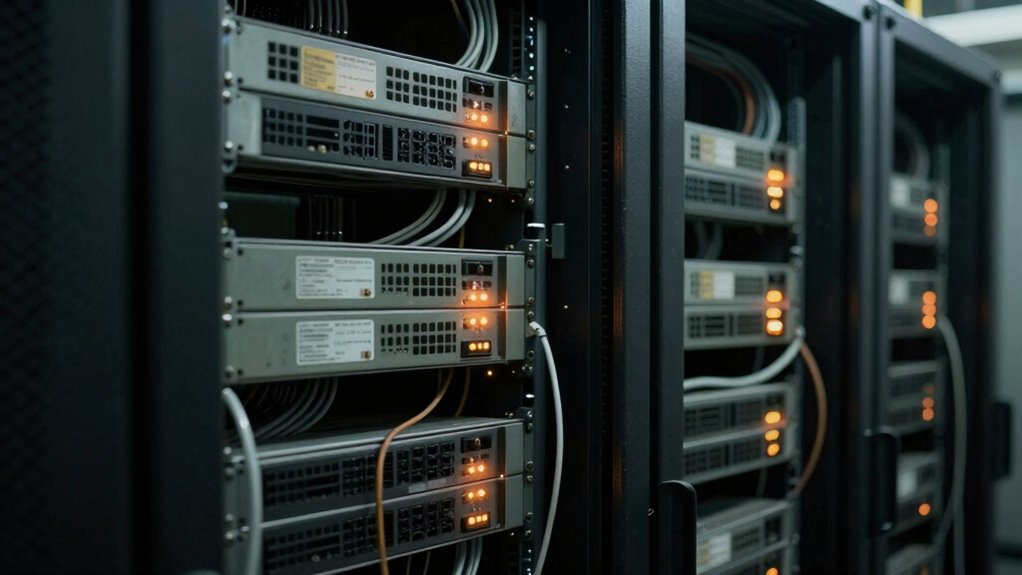
Many teams overlook how quickly infrastructure can drift from its original configuration, but this oversight poses a significant risk to stability and security. When infrastructure deviates from its intended state, it becomes harder to troubleshoot problems, enforce policies, and ensure consistent performance. This drift often happens subtly, especially in complex environments where manual updates and ad-hoc changes are common. As a result, you might find yourself facing automation challenges, where scripts and tools no longer align with the actual infrastructure, leading to failed deployments or inconsistent environments. These issues can cascade, making it difficult to restore systems to a known good state or automate routine tasks effectively. Recognizing the importance of biodiversity in maintaining resilient ecosystems can serve as a metaphor for understanding how diverse, well-managed infrastructure helps prevent such drift. Automation challenges are particularly tricky when infrastructure drifts. Automated processes rely on the assumption that the environment matches predefined configurations. When drift occurs, automation scripts may break or behave unpredictably, forcing you to spend valuable time debugging and manually correcting discrepancies. This undermines the efficiency gains automation is supposed to deliver and increases the risk of human error. Over time, these inconsistencies can accumulate, creating a tangled web of configurations that are difficult to manage or audit. Without proper controls, automation tools might inadvertently reinforce drift if they repeatedly deploy to environments that no longer reflect their intended state. Additionally, the lack of continuous monitoring can allow these deviations to go unnoticed for extended periods, compounding the problem. Implementing effective configuration management practices can help you track and control changes more reliably. It’s also important to recognize that infrastructure as code helps in version-controlling configurations, making it easier to detect and revert unintended changes. Furthermore, adopting automated compliance checks can proactively identify configuration drifts, significantly reducing manual intervention and increasing overall reliability. Regular audits and automated compliance checks can alert you to deviations early, allowing you to take corrective action before they cause significant problems. By integrating these practices into your workflows, you can reduce automation challenges, ensure compliance, and ultimately safeguard your infrastructure’s stability and security. Recognizing the importance of preventing drift isn’t just good practice; it’s essential for maintaining operational resilience in today’s complex infrastructure environments.
Infrastructure as Code configuration management tools
As an affiliate, we earn on qualifying purchases.
As an affiliate, we earn on qualifying purchases.
Frequently Asked Questions
How Can Teams Detect Infrastructure Drift Early?
You can detect infrastructure drift early by implementing automated audits that regularly check your systems against the desired state. Use change visualization tools to clearly see modifications over time, making it easier to spot deviations. These practices help you stay proactive, catching drift before it causes issues. By continuously monitoring and visualizing changes, you guarantee your infrastructure remains consistent, secure, and aligned with your team’s goals.
What Are the Common Causes of Infrastructure Drift?
You often face infrastructure drift from configuration discrepancies, unauthorized modifications, and inconsistent deployment practices. These causes occur when changes aren’t properly tracked, permissions are misused, or updates are applied without standardized procedures. You might overlook small tweaks, forget to document adjustments, or neglect regular audits, leading to divergence. Recognizing these common causes helps you implement controls, enforce policies, and maintain alignment, preventing drift from escalating unnoticed.
How Does Infrastructure Drift Impact Security?
Infrastructure drift impacts security by creating configuration discrepancies that make your systems unpredictable and harder to defend. When your infrastructure deviates from your security policies, compliance gaps emerge, leaving vulnerabilities open for attackers. These inconsistencies can lead to unauthorized access or data breaches. To prevent this, you need continuous monitoring and automated change management, ensuring your infrastructure stays aligned with security standards and closes potential attack vectors.
What Tools Are Best for Monitoring Infrastructure Changes?
You should consider tools like Terraform, Ansible, or AWS Config for monitoring infrastructure changes. These tools help automate tracking and managing updates, addressing automation challenges and ensuring compliance considerations are met. They alert you to drift and enable quick corrections, reducing security risks. Regularly using such tools keeps your infrastructure aligned with policies, minimizes manual errors, and helps you stay ahead of unauthorized changes that could compromise your security posture.
How Often Should Teams Review Their Infrastructure Configurations?
You should review your infrastructure configurations at least weekly to catch drift early. Studies show that teams using configuration management and change automation tools detect issues 60% faster. Regular reviews help prevent unnoticed drift, reducing downtime and security risks. Automating change management ensures consistency, so you can quickly identify and correct deviations. Don’t wait months—frequent checks keep your infrastructure dependable, secure, and aligned with your operational goals.
Automated compliance and configuration monitoring software
As an affiliate, we earn on qualifying purchases.
As an affiliate, we earn on qualifying purchases.
Conclusion
As you navigate your infrastructure, remember that unnoticed drift is like a silent tide eroding your foundation. Without vigilance, small deviations can swell into unseen chasms, threatening stability. Stay anchored with continuous monitoring, and don’t let complacency be the shipwreck. By catching these shifts early, you preserve the integrity of your systems, ensuring they remain a sturdy vessel amid the unpredictable currents of technology. Keep your course steady—your infrastructure depends on it.
Infrastructure drift detection tools
As an affiliate, we earn on qualifying purchases.
As an affiliate, we earn on qualifying purchases.
Server configuration audit tools
As an affiliate, we earn on qualifying purchases.
As an affiliate, we earn on qualifying purchases.
Fall Picks
fall essentials
As an affiliate, we earn on qualifying purchases.