To secure your storefront as a new business, start with essential hardware like alarm systems, cameras, and access controls. Choose tamper-proof entry locks and motion detectors to cover vulnerable points. Make certain everything is installed correctly and fits your layout. Combining alarms with surveillance and access controls creates an all-encompassing security setup. Investing in proper hardware protects your assets and customer safety, and if you look further, you’ll discover how to build an even stronger security plan.

Get business pricing on tech for your team
- Business-only prices and quantity discounts
- Tax-exempt purchasing
- Multiple users, one account, clear invoices
Key Takeaways
- Assess your storefront’s vulnerabilities to determine necessary security hardware like alarms, cameras, and access controls.
- Choose reliable, compliant hardware tailored to your store layout and risk areas.
- Install security systems properly, ensuring all components are functional and accessible for monitoring.
- Integrate alarm and access control systems for comprehensive protection and easy management.
- Regularly review and update security hardware to address evolving threats and business growth.
Securing your storefront begins with understanding the essential hardware designed to protect your property. When you’re starting out, choosing the right security measures can seem overwhelming, but focusing on the basics helps set a strong foundation. Alarm systems are a critical component. They serve as the first line of defense by alerting you and authorities in case of a break-in or unauthorized entry. Modern alarm systems are more sophisticated than ever, offering features like remote monitoring, motion detection, and silent alerts. These systems can be integrated with your existing security infrastructure, allowing you to respond quickly if something suspicious happens. Installing a reliable alarm system not only deters potential intruders but also provides peace of mind, knowing that your storefront is monitored 24/7. Incorporating smart security technology can further enhance your security setup by offering seamless integration with other devices and remote access options.
Start with a reliable alarm system to deter intruders and ensure 24/7 security for your storefront.
Access control is another essential element to consider. This hardware helps regulate who can enter your premises and when. Instead of traditional locks and keys, access control systems use electronic methods such as key cards, PIN codes, or biometric scans. This technology allows you to assign specific access permissions to employees, contractors, or vendors, ensuring that only authorized individuals can enter sensitive areas. It also makes it easier to track who accessed your storefront and when, which can be invaluable for security audits or investigations. Plus, access control systems can be programmed to lock or unlock doors remotely, giving you control even when you’re not physically on-site. Choosing the right hardware also involves understanding security vulnerabilities, which can vary based on your store’s layout and entry points. Conducting regular security assessments can help identify potential weaknesses and adapt your hardware accordingly.
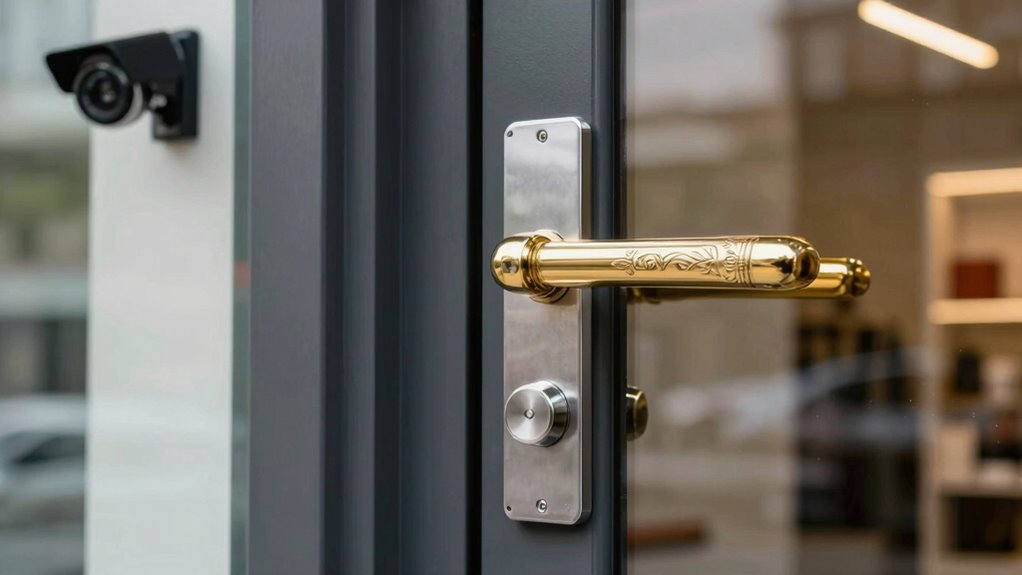
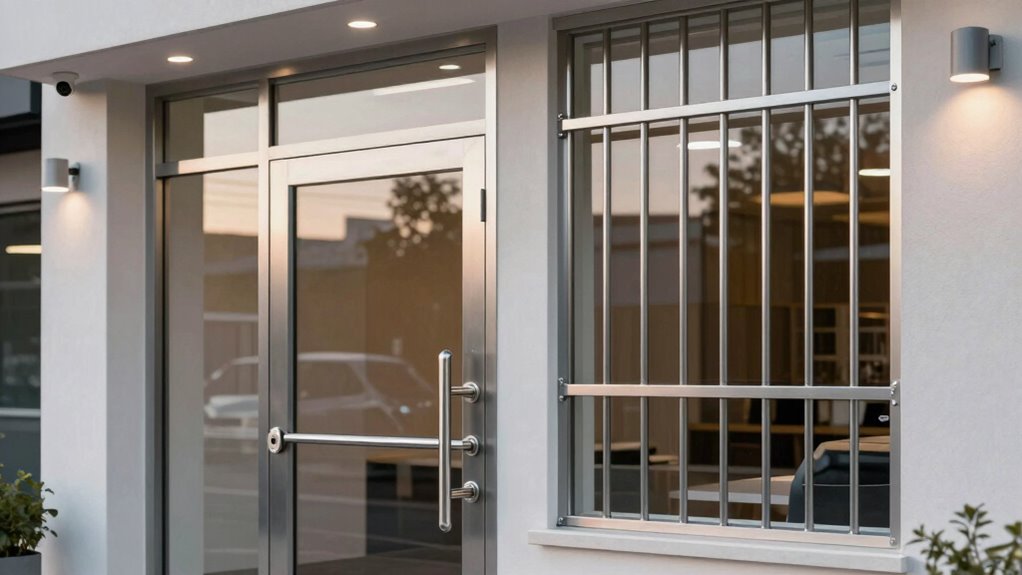
When choosing security hardware, think about the layout and specific vulnerabilities of your storefront. For example, entry points like doors and windows should be reinforced with tamper-proof locks and sensors. Motion detectors can be placed in less visible areas to catch anyone lurking around outside business hours. Surveillance cameras add an additional layer of security, providing live feeds and recordings that can be reviewed later. Combining alarm systems with access control enhances your overall security posture, creating a seamless barrier against intruders. Additionally, considering security standards and best practices will ensure your hardware is effective and compliant with industry regulations.
As a new business owner, you want to focus on growing your enterprise, but neglecting storefront security can lead to costly setbacks. Hardware like alarm systems and access control doesn’t just protect your assets; it also safeguards your staff and customers. When you invest in the right security hardware, you’re making a proactive choice to prevent theft, vandalism, and unauthorized access. Remember, the key is to start with the basics—understanding your needs, choosing reliable equipment, and ensuring proper installation. From there, you can develop an all-encompassing security plan that evolves with your business, keeping your storefront safe and secure every step of the way.
storefront alarm security system
As an affiliate, we earn on qualifying purchases.
As an affiliate, we earn on qualifying purchases.
Frequently Asked Questions
How Do I Choose the Right Security Hardware for My Business Type?
You should consider your business type’s specific needs when choosing security hardware. For example, retail stores benefit from strong locks and security cameras, while restaurants might need emergency response systems. Focus on ease of security hardware installation and ensuring quick access during emergencies. Evaluate potential risks and select hardware that’s scalable. Regularly update and maintain your security systems to keep your business protected and ready for any emergency.
Are There Specific Security Standards for Different Industries?
Yes, different industries often have specific security standards to guarantee safety and compliance. You should research industry compliance requirements and security protocols tailored to your business type. For example, healthcare businesses must follow HIPAA standards, while retail stores adhere to PCI DSS for payment security. Understanding these standards helps you select appropriate security hardware, maintain legal compliance, and protect sensitive information effectively.
What Is the Average Lifespan of Storefront Security Hardware?
Like a steady heartbeat, your storefront security hardware keeps your business safe. On average, security cameras last about 5 to 10 years, while locking mechanisms can endure 10 to 15 years with proper maintenance. Regular care prevents wear and tear from turning your defenses into fragile glass. Keep these essential elements in check, and your security system remains resilient, protecting your business’s future like an unbreakable shield.
Can Security Hardware Be Integrated With Existing Alarm Systems?
Yes, security hardware can be integrated with your existing alarm system. You should check for alarm system compatibility to guarantee seamless hardware integration. Many modern security devices are designed to work with various alarm systems, making upgrades easier. By choosing compatible hardware, you’ll enhance your storefront’s security without needing a complete system overhaul. Just verify compatibility beforehand, and you’ll enjoy a streamlined, integrated security solution tailored to your business needs.
What Are the Most Cost-Effective Security Hardware Options?
Like the trusty quill of a Medieval scribe, budget-friendly options can be your most effective tools. To find cost-effective solutions, focus on high-quality locks, simple surveillance cameras, and sturdy door alarms. These options provide essential security without draining your coffers. By choosing these budget-friendly options, you guarantee your storefront remains protected while keeping expenses in check, allowing you to invest elsewhere and grow your new business confidently.
As an affiliate, we earn on qualifying purchases.
Conclusion
Equipped with the right security hardware, your storefront transforms into a fortress of safety amid the bustling street. Picture sturdy locks securing your doors like a trusted guardian, surveillance cameras silently watching every movement from above. As dawn breaks, your store stands resilient, ready to welcome honest customers. Remember, investing in solid security isn’t just about equipment—it’s about peace of mind, allowing your business to grow confidently, shielded by the unseen but powerful armor of smart security choices.
As an affiliate, we earn on qualifying purchases.
security cameras for retail store
As an affiliate, we earn on qualifying purchases.
As an affiliate, we earn on qualifying purchases.
Halloween Picks
halloween
As an affiliate, we earn on qualifying purchases.