
If you stand for long hours on hard surfaces, anti-fatigue mats are your best solution—they promote movement, improve circulation, and reduce fatigue. On the other hand, if your job involves sitting most of the time and you need better posture support, a footrest can help prevent lower back and hip strain. Choosing the right one depends on your main concern; keep exploring to find out more about which option suits your needs best.
Play games included with Prime
Start a Prime free trial and play with Amazon Luna on your devices.
As an affiliate, we earn on qualifying purchases.
Key Takeaways
- Anti-fatigue mats primarily address fatigue from prolonged standing on hard surfaces, promoting circulation and movement.
- Footrests mainly support posture and reduce lower back and hip strain during sitting or shifting positions.
- Choose mats for environments with extended standing; opt for footrests for seated tasks requiring posture support.
- Durability and safety features are essential for both, ensuring long-term, safe ergonomic benefits.
- Correct product selection depends on whether the primary issue is fatigue or posture-related discomfort.
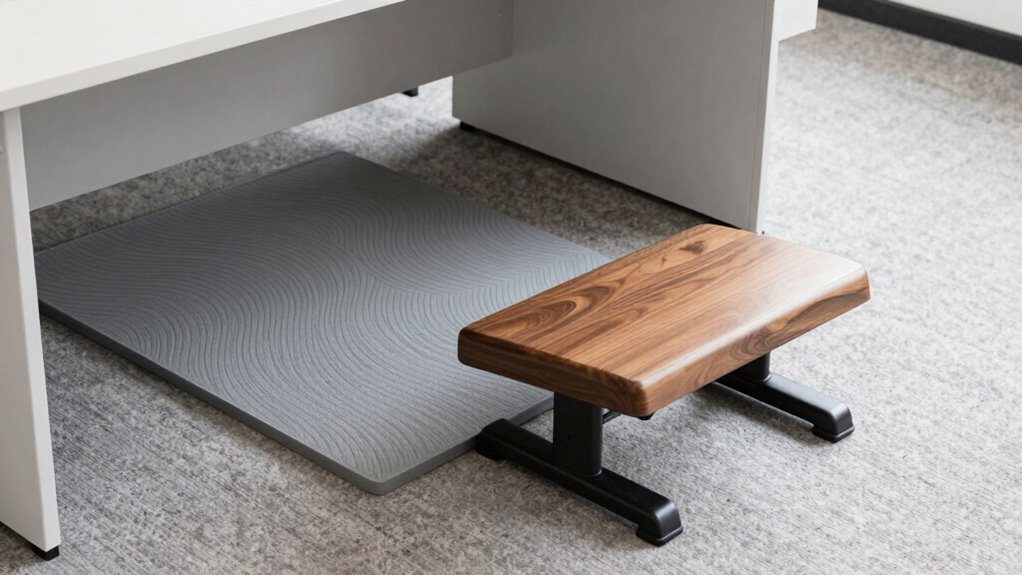
Are you tired of feeling achy after long hours of standing? If so, you’re probably looking for a way to make your workday more comfortable and less taxing on your body. Anti-fatigue mats and footrests are common solutions, but understanding which one addresses your specific problem is key. Anti-fatigue mats are designed to reduce fatigue caused by standing on hard surfaces for extended periods. They offer ergonomic benefits by encouraging subtle movements and shifting weight, which promotes better circulation and less muscle strain. When choosing an anti-fatigue mat, material durability is crucial; you want one that withstands daily use without cracking, flattening, or deteriorating over time. High-quality mats often feature dense foam or rubber that maintains its resilience even after months of continuous standing. This durability ensures you get consistent ergonomic benefits without the need for frequent replacements, making it a cost-effective choice for long-term comfort. Additionally, selecting a mat made from durable materials ensures it continues to provide support and comfort over time. Properly maintained, these mats can also help prevent slips and falls, which is an important safety consideration. Moreover, anti-fatigue mats can also contribute to reducing muscle fatigue, especially in environments where workers stand for extended periods.
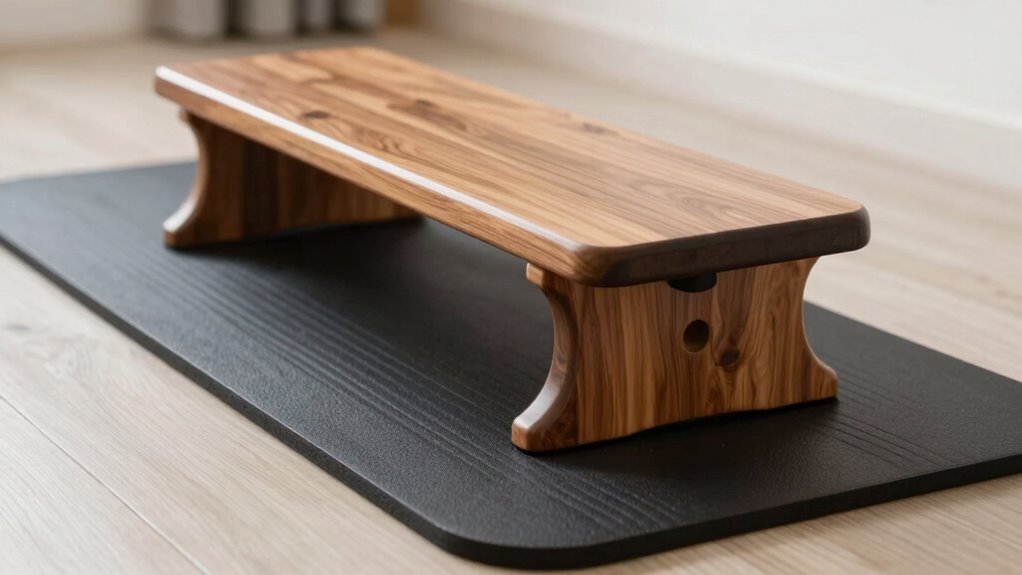
On the other hand, footrests are more about providing a different kind of support. They elevate your feet, helping to reduce pressure on your lower back and improve circulation in your legs. Footrests are especially beneficial if your work involves sitting most of the day but requires occasional standing or shifting positions. They focus on improving posture rather than directly reducing fatigue from standing on hard surfaces. The ergonomic benefits of footrests come from their ability to promote better alignment, reducing strain on your lower back and hips. When selecting a footrest, material durability is still important because you’ll want one that can support your feet comfortably and withstand frequent use without breaking down or losing its shape. A sturdy, well-made footrest made of durable materials like high-density plastic or metal provides reliable support and longevity. In addition, choosing a footrest with non-slip features can help prevent accidents and enhance safety during use. Regularly adjusting your footrest position can also contribute to maintaining good posture and overall comfort during long work hours.
As an affiliate, we earn on qualifying purchases.
Frequently Asked Questions
How Do I Choose Between an Anti-Fatigue Mat and a Footrest?
You should choose based on your ergonomic needs and workspace. An anti-fatigue mat offers ergonomic design benefits by reducing fatigue during long standing periods, and its material durability guarantees long-term use. A footrest provides support for seated work, promoting better posture. Consider how much time you spend standing versus sitting, and pick the option that best supports your comfort and health. Both choices should prioritize ergonomic design and durable materials.
Are Anti-Fatigue Mats Suitable for All Work Environments?
Anti-fatigue mats are like versatile tools in your workspace, but they’re not suitable for all environments. They offer ergonomic benefits by reducing fatigue and improving comfort, especially in standing jobs. However, their material durability varies, so you need to choose mats suited for heavy-duty use or specific flooring surfaces. Consider your work environment’s safety standards and flooring type to determine if an anti-fatigue mat fits your needs.
Can Footrests Improve Circulation During Long Sitting Periods?
Yes, footrests can improve circulation during long sitting periods. They promote ergonomic benefits by encouraging proper leg positioning, which helps reduce pressure on your thighs and enhances circulation. When you elevate your feet slightly, it prevents blood from pooling in your lower limbs, reducing discomfort and fatigue. Using a footrest regularly during extended sitting sessions can considerably boost circulation, making you feel more comfortable and reducing the risk of circulation-related issues.
How Often Should Anti-Fatigue Mats Be Replaced?
You should replace anti-fatigue mats every 1 to 3 years, depending on their ergonomic design and material durability. Regular use, exposure to moisture, or heavy foot traffic can wear down the mat faster. Check for signs of cracking, flattening, or loss of cushioning. Prioritize mats with high-quality materials and ergonomic features to extend their lifespan and maintain comfort and safety during long periods of standing.
Are There Safety Concerns With Using Footrests Improperly?
Yes, using footrests improperly can create safety concerns. If you don’t position your feet correctly, you might strain your ergonomic posture or lose balance, leading to slips or falls. Always make sure your footrest is stable and adjusted to support proper alignment. Keep the area clear of clutter to reduce slip hazards. Proper use helps maintain comfort and safety, preventing injuries related to poor ergonomics or accidental slips.
ergonomic footrest for office chair
As an affiliate, we earn on qualifying purchases.
As an affiliate, we earn on qualifying purchases.
Conclusion
Imagine your feet feeling like they’re finally getting a breather, the stress melting away with each step on the right mat or footrest. When you choose what’s best for your comfort, you turn your workspace into a sanctuary of relief, where fatigue no longer lingers. It’s more than just an accessory; it’s a small change that transforms your day, making each moment at your desk a little easier, a little brighter. Your comfort, within reach.
anti-fatigue mat with non-slip surface
As an affiliate, we earn on qualifying purchases.
As an affiliate, we earn on qualifying purchases.
As an affiliate, we earn on qualifying purchases.
NFL season / tailgating Picks
team gear
As an affiliate, we earn on qualifying purchases.