
AI tools for sports analytics are transforming how teams, coaches, and analysts understand game data and improve decision-making. The best overall pick, Sports Analytics in Python, offers versatile coding capabilities for deep insights, while Football Analytics with Python & R provides a beginner-friendly entry point into sports data science. These tools balance complexity and usability but face tradeoffs around learning curves and customization levels. Continue reading to see a detailed breakdown of each option and find the best fit for your needs.

Get business pricing on tech for your team
- Business-only prices and quantity discounts
- Tax-exempt purchasing
- Multiple users, one account, clear invoices
Key Takeaways
- Top-ranked tools combine user-friendly interfaces with advanced analytical features suitable for both beginners and experts.
- Python-based solutions dominate the lineup, emphasizing customization and deep data processing capabilities.
- Many tools are specialized, focusing on particular sports or decision-making areas, which can influence their overall versatility.
- Pricing varies widely, with some high-end tools offering extensive features at premium costs, while others provide more accessible entry points.
- Ease of integration with existing data sources and platforms is a common factor differentiating top tools from niche options.
| Football Analytics with Python & R: Learning Data Science Through the Lens of Sports |  | Best for Beginners Interested in Sports Data Science | Languages Covered: Python, R | Focus Area: Football data analysis | Intended Audience: Beginners to intermediate learners | VIEW LATEST PRICE | See Our Full Breakdown |
| Sport Business Analytics (Data Analytics Applications) |  | Best for Sports Industry Professionals Focused on Business Decisions | Focus Area: Business decision-making in sports | Case Studies: Multiple real-world examples | Audience: Sports managers and industry professionals | VIEW LATEST PRICE | See Our Full Breakdown |
| Football Analytics for Coaches: Simple Data Tools to Make Smarter Game Decisions |  | Best for Football Coaches Seeking Practical Analytics | Sport Focus: Football | Tools Included: Simple data tools | Audience: Football coaches | VIEW LATEST PRICE | See Our Full Breakdown |
| Sports Analytics: A Guide for Coaches, Managers, and Other Decision Makers | 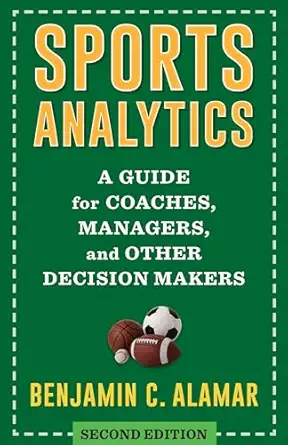 | Best for Broad Decision Makers Seeking Conceptual Understanding | Scope: Multiple sports and decision contexts | Focus: Conceptual understanding and strategy | Intended Audience: Managers and general decision makers | VIEW LATEST PRICE | See Our Full Breakdown |
| Data-Driven Sports Betting Science: Advanced Methods in Sports Analytics, Risk Management, and Predictive Modeling |  | Best for Sports Enthusiasts and Professionals in Betting | Focus Area: Predictive modeling and betting strategies | Technical Depth: Advanced methods | Audience: Experienced sports bettors and analytics professionals | VIEW LATEST PRICE | See Our Full Breakdown |
| AI-Powered Business Analytics: Transform Data into Decisions with Artificial Intelligence, Machine Learning, ChatGPT, Predictive Analytics, and Real-World Business Case Studies |  | Best for Business Professionals Seeking Practical AI Insights | Focus: Business analytics with AI and ML | Case Studies: Multiple real-world examples | Target Audience: Business professionals and data analysts | VIEW LATEST PRICE | See Our Full Breakdown |
| Sports Analytics: A Guide for Coaches, Managers, and Other Decision Makers |  | Best for Coaches and Sports Managers Looking for Strategic Insights | Focus: Strategic sports analytics | Audience: Coaches and team managers | Content Depth: Basic to intermediate | VIEW LATEST PRICE | See Our Full Breakdown |
| Sports Analytics in Python | 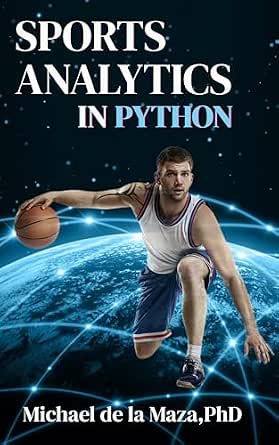 | Best for Coding Enthusiasts and Data Hobbyists | Focus: Python-based sports data analysis | Audience: Beginners and intermediate Python users | Coverage: Data analysis, visualization, prediction | VIEW LATEST PRICE | See Our Full Breakdown |
| Sports Analytics for Beginners: A Simple Guide to Understanding Data, Metrics, and AI in Sports |  | Best for Newcomers and Non-Technical Readers | Focus: Introductory sports data and AI concepts | Audience: Total beginners and students | Content Depth: Basic | VIEW LATEST PRICE | See Our Full Breakdown |
| Sport Analytics: A Data-Driven Approach to Sport Business and Management |  | Best for Sports Business and Management Professionals | Focus: Sports business and management | Audience: Industry professionals and students | Content Depth: Strategic and conceptual | VIEW LATEST PRICE | See Our Full Breakdown |
| Soccer Analytics with Machine Learning: Learning Predictive Modeling Techniques with Sports Data |  | Best Specialized Book for Soccer Data Scientists | Focus Area: Soccer predictive modeling | Target Audience: Data scientists and sports analysts | Content Type: Theoretical and application-focused | VIEW LATEST PRICE | See Our Full Breakdown |
More Details on Our Top Picks
Football Analytics with Python & R: Learning Data Science Through the Lens of Sports
This book stands out for its accessible introduction to data science techniques tailored to football analytics, making it a strong choice for newcomers. Unlike the more industry-focused Sport Business Analytics, it emphasizes practical programming skills in Python and R, which are essential for hands-on sports data analysis. However, its technical depth may be overwhelming for casual readers or those seeking quick insights, and its lack of detailed specifications limits understanding of its full scope. Compared to more conceptual guides, this book offers practical coding experience, but at the expense of advanced technical explanations.
Pros:- Practical approach to learning data science through sports
- Includes programming in Python and R, essential for hands-on analysis
- Suitable for both beginners and those with some experience
Cons:- Lacks detailed specifications or comprehensive technical depth
- Content may be too technical for absolute beginners without programming background
Best for: Aspiring sports data analysts or coaches new to programming who want practical skills in football analytics
Not ideal for: Experienced analysts seeking advanced analytics techniques or industry-specific case studies
- Languages Covered:Python, R
- Focus Area:Football data analysis
- Intended Audience:Beginners to intermediate learners
Bottom line: This book makes the most sense for newcomers eager to learn coding skills in the context of football analytics.
Sport Business Analytics (Data Analytics Applications)
This book excels in demonstrating how data analytics can impact sports management and decision-making, making it ideal for sports business professionals. Unlike Football Analytics with Python & R, which emphasizes technical skills, this title emphasizes strategic insights and real-world case studies that are valuable for executives and managers. Its main limitation is the lack of detailed technical explanations, which might frustrate analysts seeking in-depth methods. Compared to technical programming guides, this book offers broad industry insights but less focus on analytical tools or coding.
Pros:- Provides practical insights into sports analytics applications
- Includes real-world case studies for contextual understanding
- Helpful for strategic decision-making in sports organizations
Cons:- Lacks detailed technical or analytical methodology explanations
- No information on the latest edition or specific analytical tools covered
Best for: Sports managers and decision makers wanting to apply analytics insights to improve team and business outcomes
Not ideal for: Data scientists or analysts seeking hands-on programming or technical analytics skills
- Focus Area:Business decision-making in sports
- Case Studies:Multiple real-world examples
- Audience:Sports managers and industry professionals
Bottom line: This book makes the most sense for professionals aiming to leverage analytics for strategic sports management.
Football Analytics for Coaches: Simple Data Tools to Make Smarter Game Decisions
This book is tailored for football coaches looking for straightforward data tools to enhance in-game decisions, making it an accessible complement to more technical titles like Sports Analytics. Its emphasis on simple tools and strategies helps coaches analyze performance without extensive technical knowledge, but its limited scope to football coaching means it might omit broader analytical concepts. Compared with comprehensive guides, this book prioritizes ease of use over in-depth analytics or programming skills.
Pros:- Provides practical, easy-to-understand data tools for coaching
- Helps improve decision-making during games with clear strategies
- Designed specifically for football, making it highly relevant
Cons:- Limited to football coaching, not applicable to other sports
- Lacks detailed technical or advanced analytics methods
Best for: Football coaches who want easy-to-implement analytics strategies to improve game tactics
Not ideal for: Analysts or data scientists seeking detailed technical analytics or programming insights
- Sport Focus:Football
- Tools Included:Simple data tools
- Audience:Football coaches
Bottom line: This pick makes the most sense for football coaches seeking quick, actionable insights without technical complexity.
Sports Analytics: A Guide for Coaches, Managers, and Other Decision Makers
This book offers a broad overview of sports analytics concepts and practical strategies, making it suitable for managers and coaches who need a general understanding of data-driven decision-making. Unlike the more specialized Football Analytics for Coaches, it covers a wider range of sports and decision scenarios, but its lack of detailed specifications or technical depth may leave analysts wanting more concrete tools. Compared to technical guides, it emphasizes strategic insights over hands-on analytics or programming skills.
Pros:- Provides a comprehensive overview suitable for decision makers
- Focuses on practical applications and strategic insights
- Broad coverage across multiple sports and roles
Cons:- No detailed specifications or technical features provided
- Lacks in-depth analytical tools or software guidance
Best for: Sports team managers or coaches new to analytics who want a conceptual framework for decision-making
Not ideal for: Data analysts or technical practitioners seeking detailed analytics methodologies or coding skills
- Scope:Multiple sports and decision contexts
- Focus:Conceptual understanding and strategy
- Intended Audience:Managers and general decision makers
Bottom line: This guide makes the most sense for decision makers who need conceptual understanding rather than technical implementation.
Data-Driven Sports Betting Science: Advanced Methods in Sports Analytics, Risk Management, and Predictive Modeling
This book delves into advanced techniques in predictive modeling and risk management for sports betting, making it ideal for enthusiasts wanting to refine their betting strategies with data. Compared with titles like Football Analytics with Python & R or Sport Business Analytics, this book emphasizes betting-specific analytics rather than general sports data analysis. Its main drawback is the absence of practical examples or detailed tools, which could limit immediate application for readers looking for actionable insights. It’s best suited for those with some background in analytics and a focus on betting rather than general sports analytics.
Pros:- Provides advanced insights into predictive modeling for betting
- Focuses on risk management strategies in sports analytics
- Suitable for professionals and serious enthusiasts
Cons:- Lacks specific product details or comprehensive tools
- No practical examples or software guidance included
Best for: Data-savvy sports bettors or professionals seeking to improve predictive models and risk assessments
Not ideal for: Beginners or those seeking practical, step-by-step tools for sports analytics
- Focus Area:Predictive modeling and betting strategies
- Technical Depth:Advanced methods
- Audience:Experienced sports bettors and analytics professionals
Bottom line: This pick makes the most sense for experienced bettors or analysts interested in advanced predictive techniques rather than beginners seeking quick wins.
AI-Powered Business Analytics: Transform Data into Decisions with Artificial Intelligence, Machine Learning, ChatGPT, Predictive Analytics, and Real-World Business Case Studies
This book stands out for its focus on applying AI and machine learning techniques to real-world business scenarios, making it highly relevant for data analysts and decision-makers in sports organizations who want to leverage AI beyond traditional sports data. Compared with Sports Analytics in Python, which emphasizes technical skills, this book offers broader strategic insights but lacks step-by-step tutorials, making it less suitable for those seeking hands-on coding guidance. Its strength lies in practical case studies, although the technical depth can be intimidating for beginners. Overall, this pick is ideal for sports professionals looking to incorporate AI-driven decision-making into their management processes without diving deep into programming.
Pros:- Provides real-world case studies for practical understanding
- Covers a wide range of AI and machine learning techniques
- Useful for integrating AI into business decision-making
Cons:- Highly technical, may overwhelm beginners
- Lacks detailed step-by-step tutorials for implementation
Best for: Sports business analysts and managers interested in practical, strategic AI applications
Not ideal for: Beginners seeking technical coding skills or detailed tutorials in AI tools
- Focus:Business analytics with AI and ML
- Case Studies:Multiple real-world examples
- Target Audience:Business professionals and data analysts
- Depth:Intermediate to advanced
- Format:Theoretical with practical insights
- Tools Covered:AI, machine learning, predictive analytics
Bottom line: This book is best suited for sports industry professionals who want to understand AI’s strategic potential without focusing on coding specifics.
Sports Analytics: A Guide for Coaches, Managers, and Other Decision Makers
This book offers a comprehensive overview tailored for coaches and decision-makers, focusing on strategies to improve team performance through analytics. Unlike Sports Analytics in Python, which emphasizes technical skills, this guide prioritizes decision-making frameworks and practical tools. While it provides valuable insights into sports data use, the lack of detailed content depth or software instructions might leave more technical users wanting. It makes the most sense for those who need accessible strategic guidance rather than in-depth technical analysis.
Pros:- Provides strategic insights tailored for sports decision-makers
- Practical advice for improving team performance
- Accessible language suitable for non-technical readers
Cons:- Limited technical depth or detailed analytics methods
- No specific software or tool instructions
Best for: Coaches and sports managers seeking strategic, easy-to-understand analytics insights
Not ideal for: Data analysts or programmers looking for technical, hands-on data analysis tools
- Focus:Strategic sports analytics
- Audience:Coaches and team managers
- Content Depth:Basic to intermediate
- Approach:Conceptual and strategic
- Tools Discussed:General analytics concepts, decision frameworks
- Practicality:High for strategy, low for technical implementation
Bottom line: Ideal for sports leaders aiming to incorporate analytics into decision-making without complex technical details.
Sports Analytics in Python
This book makes the most sense for readers interested in applying Python to sports data, offering clear examples of data analysis, visualization, and predictive modeling. Compared with Sports Analytics for Beginners, which simplifies concepts for newcomers, this book dives into practical Python techniques, though it doesn’t include extensive project-based examples, which might limit hands-on learning for some. Its strengths are in covering core analytics methods with practical code snippets, yet it leaves advanced topics and large projects unaddressed. It’s best for those comfortable with basic Python looking to get started with sports data analysis quickly.
Pros:- Comprehensive coverage of sports analytics techniques with Python
- Practical code examples facilitate quick learning
- Suitable for beginners and intermediate users
Cons:- Limited in scope of advanced analytics or complete projects
- Lacks detailed, real-world project walkthroughs
Best for: Sports data enthusiasts with basic Python knowledge wanting practical coding guidance
Not ideal for: Complete beginners without Python experience or those seeking in-depth project tutorials
- Focus:Python-based sports data analysis
- Audience:Beginners and intermediate Python users
- Coverage:Data analysis, visualization, prediction
- Project Examples:Limited
- Techniques Covered:Basic to intermediate analytics
- Usability:Hands-on coding
Bottom line: This book is perfect for Python users looking to implement sports analytics techniques with straightforward, practical examples.
Sports Analytics for Beginners: A Simple Guide to Understanding Data, Metrics, and AI in Sports
This book provides an easy-to-understand introduction suited for those new to sports data and AI, making it ideal for absolute beginners. While Sports Analytics in Python offers practical coding skills, this guide emphasizes fundamental concepts and metrics, making it accessible for readers without technical backgrounds. However, its lack of detailed examples or exercises limits its usefulness for learners seeking hands-on experience. Compared to more advanced books, it simplifies complex ideas but at the cost of depth. It works best for newcomers who need a gentle start to understanding sports data and AI basics.
Pros:- Clear, beginner-friendly explanations
- Covers fundamental concepts in sports data and AI
- Great for building foundational understanding
Cons:- No practical exercises or real-world examples
- Limited technical depth or advanced topics
Best for: Sports novices and students exploring data and AI concepts for the first time
Not ideal for: Readers seeking technical depth, detailed exercises, or advanced analytics techniques
- Focus:Introductory sports data and AI concepts
- Audience:Total beginners and students
- Content Depth:Basic
- Practical Exercises:None
- Technical Focus:Conceptual
- Use Case:Fundamental understanding
Bottom line: This book is best for absolute beginners wanting a gentle overview of sports data and AI fundamentals.
Sport Analytics: A Data-Driven Approach to Sport Business and Management
This book targets sports industry professionals interested in applying data analytics to management and business decisions. Compared with Sports Analytics in Python, which is more technical, this book emphasizes strategic insights and data-driven management practices rather than coding or technical analysis. While it offers valuable perspectives on how data can influence sports business, it falls short on detailed case studies or practical tools, limiting its use for hands-on implementation. It makes sense for professionals looking to integrate analytics into their sports enterprise strategies, but not for those seeking technical skills.
Pros:- Provides strategic insights into sports management
- Useful for understanding data-driven decision making in sports business
- Accessible to non-technical industry professionals
Cons:- Lacks detailed case studies or practical tools
- No software or coding examples included
Best for: Sports business managers and industry professionals aiming to adopt data-driven strategies
Not ideal for: Technical analysts or programmers seeking hands-on data analysis tools or code examples
- Focus:Sports business and management
- Audience:Industry professionals and students
- Content Depth:Strategic and conceptual
- Tools:Data-driven management strategies
- Case Studies:Limited
- Practical Tools:None
Bottom line: Ideal for sports business professionals wanting to leverage data for strategic management rather than technical analysis.
Soccer Analytics with Machine Learning: Learning Predictive Modeling Techniques with Sports Data
This book stands out for its focus on applying machine learning techniques specifically to soccer analytics, making it ideal for those who want to deepen their understanding of predictive modeling in this sport. Compared with more general sports analytics guides like Sports Analytics: A Guide for Coaches, Managers, and Other Decision Makers, this title offers a targeted approach that can significantly enhance a data scientist’s ability to develop accurate soccer predictions. However, it assumes a solid foundation in both machine learning and sports data, which might be a barrier for beginners. The content is rich in concepts but lacks detailed technical specifications, making it less accessible for those seeking step-by-step implementation. Overall, this book is perfect for experienced analysts aiming to specialize in soccer.
Pros:- Deep focus on machine learning applications in soccer analytics
- Provides valuable insights for building predictive models
- Helps users understand how to leverage sports data for decision-making
- Useful for refining analytical skills in a specialized sport context
Cons:- Requires prior knowledge of machine learning and sports analytics concepts
- Lacks detailed content overview or step-by-step tutorials for beginners
- No technical specifications or implementation details included
Best for: Data scientists or sports analysts with prior machine learning experience looking to specialize in soccer predictive modeling
Not ideal for: Beginners or sports professionals without technical backgrounds who need practical, easy-to-follow guides
- Focus Area:Soccer predictive modeling
- Target Audience:Data scientists and sports analysts
- Content Type:Theoretical and application-focused
- Prerequisites:Knowledge of machine learning and sports data
- Format:Book
- Level:Advanced
Bottom line: This book makes the most sense for experienced data analysts wanting to deepen their soccer analytics expertise, but it’s less suitable for newcomers.

How We Picked
The selection process focused on evaluating each AI tool’s ability to deliver actionable sports insights through performance, usability, and versatility. We considered the depth of analytical features, ease of use for different skill levels, build quality, and integration options. Value for cost and the potential for long-term scalability also played key roles. The ranking reflects a balance between advanced capabilities for professional use and accessible features for newcomers, ensuring a broad appeal across various user needs.Factors to Consider When Choosing AI Tools For Sports Analytics
Choosing the right AI tool for sports analytics requires understanding several critical factors. First, consider your technical skill level—some tools require coding knowledge, while others offer drag-and-drop interfaces. Next, evaluate the specific sports or decision areas you want to analyze, as many tools are specialized. Cost is another factor, especially when weighing features against budget constraints. Compatibility with your existing data sources and platforms can significantly affect implementation. Lastly, consider the scalability and future-proofing of the tool, ensuring it can grow with your analytics needs.Skill Level and Usability
Tools range from beginner-friendly interfaces to highly customizable platforms requiring programming skills. If you’re new to sports analytics, look for solutions with intuitive dashboards and minimal setup. For advanced users, options that support coding in Python or R allow deeper customization and complex modeling. Misjudging your skill level can lead to frustration or under-utilized features, so choose a tool that matches your current expertise but also offers room to grow.
Sports and Use Case Focus
Some tools specialize in particular sports like soccer or football, offering tailored metrics and models. Others aim for versatility across multiple sports or decision-making areas like coaching, betting, or management. Picking a sport-specific tool can provide deeper insights, but may limit broader applicability. Consider your primary focus—if you need a general-purpose analytics platform, ensure the tool supports multiple sports and scenarios.
Cost and Value
Pricing varies widely, from free open-source packages to premium enterprise solutions. Cheaper options often lack advanced features but can be sufficient for small teams or hobbyists. Higher-end tools typically include more sophisticated predictive models and better support, making them worthwhile for professional use. Be cautious of overspending on features you won’t utilize; evaluate whether the investment aligns with your goals and budget.
Integration and Data Compatibility
Seamless data integration is vital for efficient analysis. Check whether the tool supports importing your existing datasets or connects with your preferred data management platforms. Poor compatibility can lead to time-consuming manual data entry or fragmented workflows, undermining the tool’s value. Confirm that the analytics environment can handle your data volume and formats effectively.
Scalability and Future-Proofing
Sports analytics needs can evolve rapidly. Opt for tools that offer scalable features, whether through modular add-ons or cloud support. This ensures your investment remains relevant as your data complexity grows. Avoid solutions that are rigid or lack ongoing updates, which could limit your ability to adapt to new sports, metrics, or analytical techniques.
Frequently Asked Questions
Do I need coding experience to use these AI tools?
While some tools in this lineup, such as Python-based options, require coding skills for full functionality, several options offer visual interfaces that are accessible to non-programmers. For beginners, tools with drag-and-drop features or guided workflows can deliver valuable insights without programming. Advanced users can leverage coding platforms for more customized and in-depth analysis, making it easier to tailor models to specific needs.
Can these tools analyze multiple sports at once?
Most tools are optimized for specific sports or decision areas, with some offering multi-sport support. If you need a versatile solution that covers different sports, look for platforms explicitly designed for broad applicability. Keep in mind that specialized tools often provide deeper insights into particular sports, so choosing the right tool depends on your primary focus and whether you value breadth or depth.
Are these AI tools suitable for small teams or individual analysts?
Many options in this roundup cater to a range of users, from hobbyists to professional organizations. Entry-level tools with simple interfaces are ideal for individuals or small teams with limited budgets. More comprehensive platforms may require larger teams or enterprise-level resources but offer advanced predictive models and integration capabilities that benefit larger organizations.
How important is data source compatibility?
Compatibility with your existing data sources can significantly reduce setup time and improve workflow efficiency. Tools that support common data formats or integrate with popular sports data providers can save you from manual data entry and ensure your analysis is based on the latest information. Overlooking data compatibility may lead to inconsistent or outdated insights.
Should I prioritize affordability or advanced features?
Deciding between cost and features depends on your goals and budget. Beginners or casual users may prioritize affordable tools that still provide meaningful insights. Professional analysts or teams with more complex needs should consider investing in higher-end solutions that offer predictive modeling, automation, and scalability. Weigh your current requirements against future needs to make an informed choice.
Conclusion
For those just starting out or working with limited budgets, the best choice is Sports Analytics in Python, offering a balance of power and accessibility. If your focus is on professional-level analysis with deep customization, the premium AI-Powered Business Analytics platform provides extensive features worth the investment. Coaches and decision-makers seeking straightforward insights should consider user-friendly options like Football Analytics for Coaches. Small teams or hobbyists will appreciate entry-level tools that prioritize ease of use, while large organizations should look for scalable, enterprise-ready solutions that grow with their needs. Understanding your primary use case and technical capacity will guide you to the most suitable option.