

AI tools for automating workflows are transforming how businesses and individuals handle repetitive tasks, streamline processes, and boost productivity. The best solutions combine powerful AI capabilities with user-friendly interfaces, enabling both beginners and experts to automate complex operations. Microsoft Copilot Studio stands out as the overall best pick for its versatility and integration, while n8n offers exceptional value for those seeking open-source flexibility. However, tradeoffs often involve balancing ease of use against customization depth or cost. Continue reading for a detailed breakdown of the top options, their strengths, and limitations.

Get business pricing on tech for your team
- Business-only prices and quantity discounts
- Tax-exempt purchasing
- Multiple users, one account, clear invoices
Key Takeaways
- Top picks balance ease of use with powerful automation features, making them suitable for both novices and experienced users.
- Open-source tools like n8n provide high customization but may require technical skills, unlike streamlined platforms like CrewAI or Copilot Studio.
- Many tools excel in specific niches, such as data workflows or ethical hacking, highlighting the importance of aligning features with your needs.
- Pricing and scalability vary significantly; premium solutions often offer more integrations and advanced AI, but at a higher cost.
- Integration capability with existing systems and APIs is a decisive factor for ensuring smooth automation across diverse tools.
| AI for Small Business: A Practical Guide to Automating Operations, Boosting Profits, and Outsmarting the Competition Without a Tech Degree | 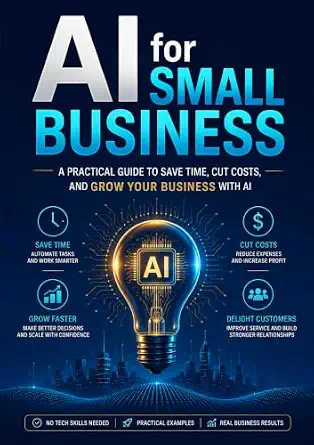 | Best for Practical Implementation Without Technical Background | Target Audience: Small business owners without a technical background | Focus Area: Operational automation, profit increase, competitive edge | Approach: Practical strategies with real-world examples | VIEW LATEST PRICE | See Our Full Breakdown |
| Microsoft Copilot Studio for Beginners: A Step-by-Step Guide to Building AI Agents, Automating Workflows, and Creating No-Code Business Solutions |  | Best for No-Code Beginners and Workflow Automation Newcomers | Target Audience: Beginners and no-code automation enthusiasts | Platform Focus: Microsoft Copilot Studio | Content Type: Step-by-step guide | VIEW LATEST PRICE | See Our Full Breakdown |
| CrewAI Made Simple: A Beginner-Friendly Guide to Creating AI Agents, Automating Complex Workflows, and Developing Intelligent Applications |  | Best for Broad AI Automation Introduction for Beginners | Target Audience: Beginner AI enthusiasts | Content Scope: Creating AI agents, automating workflows, developing applications | Technical Depth: Basic, introductory | VIEW LATEST PRICE | See Our Full Breakdown |
| Claude AI for Beginners: A Step-by-Step Guide to Writing Better Prompts, Automating Tasks, and Getting More Done in Less Time |  | Best for Improving Prompting and Task Automation Efficiency | Target Audience: Beginners using Claude AI | Focus Area: Prompt writing, task automation, productivity | Level: Beginner | VIEW LATEST PRICE | See Our Full Breakdown |
| Claude AI for Beginners: The Complete Guide to Prompting, Evaluating, Refining, and Automating with Claude AI |  | Best for Comprehensive Beginner Skills in AI Workflow Automation | Target Audience: Beginners to intermediate AI automation learners | Content Focus: Prompting, evaluating, refining, real projects | Technical Depth: Basic to intermediate | VIEW LATEST PRICE | See Our Full Breakdown |
| Agentic Coding with Claude Code (5-in-1): A Practical Developer’s Handbook for Building, Automating, and Scaling Software Projects |  | Best for Advanced Developers Seeking Practical AI Workflow Guidance | Focus Area: AI-powered development workflows | Target Audience: Intermediate to advanced developers | Content Depth: In-depth technical guidance | VIEW LATEST PRICE | See Our Full Breakdown |
| Agentic AI for Ethical Hacking: A Hands-On Manual for Designing, Building, and Automating AI-Driven Penetration Testing Workflows |  | Best for Security Professionals Developing AI-Driven Pen Testing Tools | Focus Area: AI-driven cybersecurity testing | Target Audience: Cybersecurity practitioners and ethical hackers | Content Depth: Advanced, hands-on techniques | VIEW LATEST PRICE | See Our Full Breakdown |
| AI Productivity for Beginners: A Practical Handbook to Streamlining Work, Automating Tasks |  | Best for Newcomers Wanting Simple, Practical Automation Tips | Focus Area: Basic AI automation and productivity | Target Audience: Beginners and non-technical users | Content Depth: Introductory, practical tips | VIEW LATEST PRICE | See Our Full Breakdown |
| Mastering n8n in Practice: The Complete Guide to Automating Workflows with n8n, APIs, and AI Tools — Featuring 20 Real-World Projects |  | Best for Hands-On Learners Wanting Practical Automation Projects | Focus Area: Workflow automation with n8n, APIs, and AI | Target Audience: Intermediate users and automation enthusiasts | Content Depth: Project-based, technical | VIEW LATEST PRICE | See Our Full Breakdown |
| AI-Powered Data Workflows: From Raw Data to Actionable Insights |  | Best for Data Professionals Automating Complex Data Pipelines | Focus Area: Data automation and analysis workflows | Target Audience: Data analysts, data scientists | Content Depth: Technical, detailed | VIEW LATEST PRICE | See Our Full Breakdown |
| AI for Coaches: A Practical Guide to Streamlining Your Workflow, Automating Admin, and Saving Time with Artificial Intelligence Tools for Life, Business, and Executive Coaches |  | Best for Niche Workflow Optimization | Target Audience: Life, Business, and Executive Coaches | Focus Area: Workflow automation and administrative tasks | Content Type: Practical strategies and case examples | VIEW LATEST PRICE | See Our Full Breakdown |
| Claude AI for Business: The 10X Playbook |  | Best for Business Automation Projects | Target Audience: Business professionals, developers, project managers | Focus Area: AI project development and workflow automation | Content Type: Strategies, projects, and skills development | VIEW LATEST PRICE | See Our Full Breakdown |
| AI tools for automating workflow | Target Audience | Focus Area | Prerequisites |
|---|---|---|---|
| AI for Small Business: A Pract | Small business owners without a technical background | Operational automation, profit increase, competitive edge | — |
| Microsoft Copilot Studio for B | Beginners and no-code automation enthusiasts | — | — |
| CrewAI Made Simple: A Beginner | Beginner AI enthusiasts | — | — |
| Claude AI for Beginners: A Ste | Beginners using Claude AI | Prompt writing, task automation, productivity | — |
| Claude AI for Beginners: The C | Beginners to intermediate AI automation learners | — | — |
| Agentic Coding with Claude Cod | Intermediate to advanced developers | AI-powered development workflows | Basic coding and AI familiarity |
| Agentic AI for Ethical Hacking | Cybersecurity practitioners and ethical hackers | AI-driven cybersecurity testing | Knowledge of hacking and AI basics |
| AI Productivity for Beginners: | Beginners and non-technical users | Basic AI automation and productivity | None required |
| Mastering n8n in Practice: The | Intermediate users and automation enthusiasts | Workflow automation with n8n, APIs, and AI | Basic understanding of APIs recommended |
| AI-Powered Data Workflows: Fro | Data analysts, data scientists | Data automation and analysis workflows | Familiarity with Python and AI tools recommended |
| AI for Coaches: A Practical Gu | Life, Business, and Executive Coaches | Workflow automation and administrative tasks | — |
| Claude AI for Business: The 10 | Business professionals, developers, project managers | AI project development and workflow automation | Some familiarity with AI concepts and basic coding |
More Details on Our Top Picks
AI for Small Business: A Practical Guide to Automating Operations, Boosting Profits, and Outsmarting the Competition Without a Tech Degree
This book stands out for its focus on actionable AI strategies tailored to small business owners who lack a technical background. Unlike more technical guides like Agentic Coding with Claude Code, it emphasizes real-world applications and straightforward insights, making AI accessible without deep coding knowledge. However, it omits detailed technical procedures, which might leave those seeking in-depth implementation needing additional resources. Compared to the beginner-centric guides, this book offers relatable examples specifically for small business contexts, though it sacrifices detailed technical depth. It’s ideal for entrepreneurs wanting practical guidance rather than technical deep-dives.
Pros:- Provides practical AI strategies tailored for small businesses
- Accessible for readers without a technical background
- Offers real-world examples and actionable insights
Cons:- No specific technical implementation details
- May require additional resources for full AI integration
Best for: Small business owners eager to implement AI without coding experience
Not ideal for: Tech-savvy developers seeking detailed AI integration procedures
- Target Audience:Small business owners without a technical background
- Focus Area:Operational automation, profit increase, competitive edge
- Approach:Practical strategies with real-world examples
- Level:Beginner-friendly
- Format:Book
- Resource Needs:Minimal, supplementary resources recommended
Our verdict“This guide makes the most sense for small business owners who want practical, easy-to-understand AI strategies without technical complexity.”
Microsoft Copilot Studio for Beginners: A Step-by-Step Guide to Building AI Agents, Automating Workflows, and Creating No-Code Business Solutions
This guide makes building AI agents and automating workflows accessible through detailed, step-by-step instructions, making it ideal for newcomers. Compared with CrewAI Made Simple, it emphasizes no-code solutions within the Microsoft ecosystem, which can streamline adoption for users already familiar with Microsoft tools. However, it lacks in-depth technical specifications or advanced features, limiting its usefulness for experienced users or those seeking customization. Its focus on beginners means it’s perfect for those starting their automation journey, yet less suited for developers or power users looking for advanced options.
Pros:- Comprehensive step-by-step guidance for beginners
- Focuses on no-code solutions for ease of use
- Covers building AI agents and workflows comprehensively
Cons:- Lacks detailed technical specifications
- No information on supplementary resources or advanced features
Best for: Beginners interested in no-code automation within Microsoft tools
Not ideal for: Advanced users seeking detailed technical customization or coding options
- Target Audience:Beginners and no-code automation enthusiasts
- Platform Focus:Microsoft Copilot Studio
- Content Type:Step-by-step guide
- Level:Beginner
- Format:Book
- Focus Areas:AI agents, workflow automation, no-code solutions
Our verdict“This pick makes the most sense for those new to AI and automation who want straightforward, no-code solutions within the Microsoft environment.”
CrewAI Made Simple: A Beginner-Friendly Guide to Creating AI Agents, Automating Complex Workflows, and Developing Intelligent Applications
This book offers a broad, easy-to-understand overview of creating AI agents and automating workflows, making it suitable for absolute beginners. Unlike Microsoft Copilot Studio, which is more platform-specific, CrewAI Made Simple covers a wider range of AI automation topics, providing practical guidance across different tools and applications. Nonetheless, it doesn’t dive deep into technical details or specific software, which may disappoint those seeking hands-on implementation or advanced insights. Its simplicity makes it accessible, but for users ready to move beyond basic concepts, it might feel limiting.
Pros:- Beginner-friendly and easy to follow
- Covers a wide range of AI automation topics
- Provides practical guidance for developing intelligent applications
Cons:- Lacks detailed technical depth
- No specific tools or software mentioned
Best for: Beginners seeking a broad overview of AI automation without platform constraints
Not ideal for: Intermediate or advanced users seeking technical depth and specific tools
- Target Audience:Beginner AI enthusiasts
- Content Scope:Creating AI agents, automating workflows, developing applications
- Technical Depth:Basic, introductory
- Platform Specificity:None
- Format:Book
- Focus:Ease of understanding and broad coverage
Our verdict“This guide is best for newcomers wanting a broad, accessible introduction to AI automation concepts and strategies.”
Claude AI for Beginners: A Step-by-Step Guide to Writing Better Prompts, Automating Tasks, and Getting More Done in Less Time
This book excels at guiding beginners through the essentials of using Claude AI for prompt writing and task automation, with clear, step-by-step instructions. Compared to Claude AI for Beginners: The Complete Guide, which covers broader project workflows, this pick concentrates specifically on improving prompt effectiveness and productivity. Its focus on practical, straightforward skills makes it ideal for those looking to quickly enhance their AI efficiency, but it doesn’t delve into technical customization or advanced automation techniques. For users seeking rapid productivity gains, this is a practical starting point, though it offers limited depth for complex automation projects.
Pros:- Clear, step-by-step instructions for prompt writing
- Focuses on practical automation skills to boost productivity
- Helps users achieve faster results with Claude AI
Cons:- No detailed technical content or customization options
- Limited scope beyond prompt optimization and basic tasks
Best for: Beginners who want to improve prompt writing and automate simple tasks efficiently
Not ideal for: Advanced users seeking detailed technical workflows or automation engineering
- Target Audience:Beginners using Claude AI
- Focus Area:Prompt writing, task automation, productivity
- Level:Beginner
- Content Type:Step-by-step instructions
- Format:Book
- Outcome:Faster, more efficient AI task completion
Our verdict“This book is ideal for beginners looking to increase productivity with Claude AI through better prompts and simple automation tasks.”
Claude AI for Beginners: The Complete Guide to Prompting, Evaluating, Refining, and Automating with Claude AI
This guide provides a thorough overview for beginners wanting to master prompting, evaluating, and refining workflows with Claude AI, incorporating real projects to illustrate concepts. Unlike the more narrowly focused Claude AI for Beginners guide, this book emphasizes practical project-based learning, making it suitable for users aiming to develop well-rounded skills in AI automation. However, it doesn’t include detailed technical specifications or advanced customization options, which might leave experienced users seeking more depth. Its comprehensive approach makes it perfect for those starting out but not for seasoned developers who need technical granularity.
Pros:- Comprehensive coverage from beginner to intermediate level
- Includes real projects and workflows for practical learning
- Focuses on developing practical skills in prompting and automation
Cons:- Lacks detailed technical specifications
- Content may be too basic for advanced automation professionals
Best for: Beginner to intermediate users wanting a complete introduction to Claude AI workflows
Not ideal for: Advanced practitioners seeking low-level technical customization or coding
- Target Audience:Beginners to intermediate AI automation learners
- Content Focus:Prompting, evaluating, refining, real projects
- Technical Depth:Basic to intermediate
- Approach:Practical, project-based learning
- Format:Book
- Outcome:Develop practical skills in AI workflow automation
Our verdict“This is best suited for beginners who want a complete, project-based understanding of Claude AI workflow automation and prompting.”
Agentic Coding with Claude Code (5-in-1): A Practical Developer’s Handbook for Building, Automating, and Scaling Software Projects
This comprehensive handbook stands out for its focus on real-world coding and automation techniques with Claude Code, making it ideal for developers aiming to embed AI into their workflows. Unlike the more beginner-friendly AI Productivity for Beginners, this guide assumes a certain level of coding experience and dives deep into scaling projects, which can be overwhelming for newcomers. Its strength lies in practical advice on automating complex development tasks, but it lacks specific technical prerequisites and may feel dense for less experienced users. Compared to other resources, it offers a hands-on approach tailored for those already familiar with programming, trading simplicity for depth.
Pros:- Provides actionable guidance on integrating AI into software workflows
- Focuses on building, automating, and scaling projects with practical techniques
- Suitable for developers aiming to enhance productivity with AI tools
Cons:- No detailed technical prerequisites are provided, which may hinder beginners
- Content can be dense and challenging for those new to AI or coding
Best for: Experienced developers looking to automate and scale complex software projects using AI
Not ideal for: Beginners or non-technical managers seeking simple automation tips without coding
- Focus Area:AI-powered development workflows
- Target Audience:Intermediate to advanced developers
- Content Depth:In-depth technical guidance
- Prerequisites:Basic coding and AI familiarity
Our verdict“This pick is best suited for experienced developers who want a thorough, practical guide to AI-driven software automation.”
Agentic AI for Ethical Hacking: A Hands-On Manual for Designing, Building, and Automating AI-Driven Penetration Testing Workflows
This manual excels in guiding security experts to automate penetration testing with AI, offering practical, hands-on methods for designing effective workflows. Compared with the more general AI Productivity for Beginners, this title is highly specialized, focusing on security vulnerabilities and ethical hacking, which makes it less suitable for those outside cybersecurity. Its strength is in detailed, real-world examples, but it assumes a level of technical knowledge that may challenge newcomers. While comprehensive in scope, it lacks detailed prerequisites and can be complex for beginners who are unfamiliar with AI or hacking fundamentals.
Pros:- Offers detailed, practical guidance on AI-driven penetration testing
- Includes real-world examples for designing effective workflows
- Focuses on automation to improve security testing efficiency
Cons:- Lacks detailed technical prerequisites, which may hinder beginners
- Complex content may be intimidating for those new to hacking or AI
Best for: Cybersecurity professionals and ethical hackers seeking to automate penetration testing with AI
Not ideal for: Beginners or general productivity users without security experience
- Focus Area:AI-driven cybersecurity testing
- Target Audience:Cybersecurity practitioners and ethical hackers
- Content Depth:Advanced, hands-on techniques
- Prerequisites:Knowledge of hacking and AI basics
Our verdict“This manual is ideal for security experts wanting to incorporate AI into penetration testing workflows, though beginners should proceed cautiously.”
AI Productivity for Beginners: A Practical Handbook to Streamlining Work, Automating Tasks
This handbook emphasizes accessible strategies for beginners eager to improve productivity through AI, making automation approachable without technical jargon. Unlike Mastering n8n in Practice, which offers in-depth projects, this guide simplifies concepts for those just starting out, but it doesn’t offer detailed technical instructions or specific software guidance. Its strength lies in practical tips that can be quickly applied, but it sacrifices depth and technical rigor, which may limit advanced users. For newcomers seeking a gentle introduction, this is a good starting point, though experienced users may find it too basic.
Pros:- Easy-to-understand guidance suitable for beginners
- Provides practical tips to start automating tasks quickly
- Focuses on improving overall productivity
Cons:- Lacks detailed technical instructions or specific AI tools
- Limited depth may not satisfy advanced users
Best for: Individuals new to AI and automation looking for straightforward productivity improvements
Not ideal for: Experienced automation practitioners or those needing detailed technical instructions
- Focus Area:Basic AI automation and productivity
- Target Audience:Beginners and non-technical users
- Content Depth:Introductory, practical tips
- Prerequisites:None required
Our verdict“This book makes the most sense for beginners seeking simple, practical ways to automate work but isn’t suited for experienced automation professionals.”
Mastering n8n in Practice: The Complete Guide to Automating Workflows with n8n, APIs, and AI Tools — Featuring 20 Real-World Projects
This guide is ideal for those who prefer learning by doing, offering 20 real-world projects that demonstrate how to automate workflows with n8n, APIs, and AI tools. While it covers a broad range of applications, it may be too dense for complete beginners who lack familiarity with APIs or workflow automation concepts. Compared to AI Productivity for Beginners, it offers deeper technical content and practical projects, but at the expense of simplicity. Its strength is in its comprehensive, project-based approach, making complex automation accessible through hands-on experience.
Pros:- Includes 20 detailed, real-world projects for hands-on learning
- Covers automation with APIs and AI tools comprehensively
- Suitable for both beginners and intermediate users seeking practical skills
Cons:- No explicit technical prerequisites are listed, which might challenge complete novices
- Content can be overwhelming for those unfamiliar with APIs or automation concepts
Best for: Users with some technical background who want to master practical workflow automation
Not ideal for: Absolute beginners without basic knowledge of APIs or automation tools
- Focus Area:Workflow automation with n8n, APIs, and AI
- Target Audience:Intermediate users and automation enthusiasts
- Content Depth:Project-based, technical
- Prerequisites:Basic understanding of APIs recommended
Our verdict“This is a strong choice for learners ready to build practical automation skills through real-world projects, though beginners should approach with some prior knowledge.”
AI-Powered Data Workflows: From Raw Data to Actionable Insights
This book excels at helping data professionals automate the entire data pipeline, from cleaning to analysis and reporting, using Python and AI tools. It compares favorably with AI Productivity for Beginners by offering detailed techniques suited for those handling large or complex datasets. Its focus on building efficient data workflows makes it ideal for analysts and data scientists, but the lack of technical prerequisites and the complexity of content could challenge newcomers. For those aiming to automate data processes with AI, this provides practical guidance, though it’s less suitable for non-technical users seeking simple solutions.
Pros:- Provides detailed guidance on automating data workflows
- Covers modern AI tools and Python integration extensively
- Suitable for professionals working with large, complex datasets
Cons:- No specific technical prerequisites are listed, which may be daunting for novices
- Content can be dense and technical for those new to data automation
Best for: Data analysts and scientists seeking to automate complex data workflows
Not ideal for: Beginners or non-technical users without familiarity with Python or AI tools
- Focus Area:Data automation and analysis workflows
- Target Audience:Data analysts, data scientists
- Content Depth:Technical, detailed
- Prerequisites:Familiarity with Python and AI tools recommended
Our verdict“This book is a valuable resource for data professionals aiming to streamline and automate complex data pipelines with AI, but it’s less accessible for beginners.”
AI for Coaches: A Practical Guide to Streamlining Your Workflow, Automating Admin, and Saving Time with Artificial Intelligence Tools for Life, Business, and Executive Coaches
This guide stands out for its tailored advice specifically for coaching professionals, offering practical AI strategies to streamline client management, automate scheduling, and reduce administrative burdens. Compared with more general workflow books, it provides actionable insights aligned with coaching workflows, though it falls short on technical depth or specific tool recommendations. Its focus on applying AI within coaching means it’s less useful for those outside this niche or seeking in-depth technical guidance. The content’s greatest strength is its relevance to coaches looking for immediate practical tips, but it might leave tech-savvy users wanting more detailed implementation steps.
Pros:- Provides practical AI application strategies specifically for coaching workflows
- Helps automate routine admin tasks like scheduling and client follow-ups
- Offers adaptable tips for various coaching niches, including life and executive coaching
Cons:- Lacks detailed technical instructions or specific AI tool guidance
- Assumes some familiarity with AI concepts, which might challenge beginners
Best for: Coaching professionals who want tailored, easy-to-implement AI strategies to improve client management and streamline administrative tasks
Not ideal for: Non-coaching professionals or those seeking technical details and specific AI tool integrations for broader workflows
- Target Audience:Life, Business, and Executive Coaches
- Focus Area:Workflow automation and administrative tasks
- Content Type:Practical strategies and case examples
- Technical Detail:Limited; focuses on concepts over tools
- Applicability:Broad coaching niches
- Skill Level:Intermediate, some AI familiarity recommended
Our verdict“This book makes the most sense for coaches wanting straightforward, niche-specific AI advice without deep technical complexity.”
Claude AI for Business: The 10X Playbook
This book is a comprehensive roadmap for leveraging Claude AI to automate complex business workflows, develop AI-powered applications, and enhance productivity through practical projects. It outshines more general guides like ‘AI for Small Business’ by offering detailed project-focused strategies and a wide range of AI tools, plugins, and skills development. Compared to more beginner-oriented resources, it provides depth that can challenge newcomers but rewards those ready to build sophisticated AI solutions. The lack of detailed specs or pricing information might deter readers seeking quick, plug-and-play solutions, but its focus on hands-on projects makes it ideal for those willing to experiment and learn.
Pros:- Offers detailed, project-oriented strategies for AI workflow automation
- Includes practical exercises to develop skills in AI project building
- Covers a wide array of AI tools, plugins, and integrations for business use
Cons:- Lacks specific technical specifications or hardware requirements
- Content can be dense and challenging for beginners without prior AI experience
Best for: Business owners, developers, and project managers aiming to build and scale AI-driven workflows with Claude AI
Not ideal for: Beginners lacking technical background or those seeking quick, simple automation tools without a steep learning curve
- Target Audience:Business professionals, developers, project managers
- Focus Area:AI project development and workflow automation
- Content Type:Strategies, projects, and skills development
- Technical Detail:Moderate; emphasizes practical application over technical specs
- Range of Tools:Plugins, AI agents, coding projects
- Prerequisites:Some familiarity with AI concepts and basic coding
Our verdict“This pick is perfect for those ready to dive deep into building complex AI workflows with Claude AI, despite its steep learning curve.”
How We Picked
Our selection process focused on evaluating each tool’s performance, ease of use, flexibility, and integration options. We prioritized solutions that enable meaningful automation without requiring extensive technical expertise, unless they offered substantial advanced features for developers. Cost-effectiveness and scalability also played key roles, ensuring options suit a range of budgets and business sizes. Each product was assessed against real-world workflow scenarios, with an eye on user experience, customization potential, and support for complex automation tasks. This approach ensures the ranking highlights tools that deliver real value for automating workflows efficiently in 2026.
| AI tools for automating workflow | Prerequisites |
|---|---|
| AI for Small Business: A Pract | — |
| Microsoft Copilot Studio for B | — |
| CrewAI Made Simple: A Beginner | — |
| Claude AI for Beginners: A Ste | — |
| Claude AI for Beginners: The C | — |
| Agentic Coding with Claude Cod | Basic coding and AI familiarity |
| Agentic AI for Ethical Hacking | Knowledge of hacking and AI basics |
| AI Productivity for Beginners: | None required |
| Mastering n8n in Practice: The | Basic understanding of APIs recommended |
| AI-Powered Data Workflows: Fro | Familiarity with Python and AI tools recommended |
| AI for Coaches: A Practical Gu | — |
| Claude AI for Business: The 10 | Some familiarity with AI concepts and basic coding |
Factors to Consider When Choosing AI Tools For Automating Workflows
Choosing the right AI tool for automating workflows involves considering several key factors. Not all solutions fit every user or use case, so understanding these considerations can help you make an informed decision that aligns with your goals and technical comfort level.Ease of Use and User Interface
For most users, especially beginners, an intuitive interface and straightforward setup are essential. Look for tools with visual workflow builders, clear documentation, and minimal technical barriers. Advanced users might prioritize customization options over simplicity, but sacrificing ease of use can slow down adoption and increase setup time.
Integration and Compatibility
Check whether the tool seamlessly integrates with your existing systems, APIs, and data sources. Compatibility with popular platforms like Microsoft 365, Google Workspace, or custom APIs can significantly reduce manual work. Poor integration options can lead to fragmented workflows and diminish automation benefits.
Scalability and Flexibility
Evaluate whether the tool can grow with your needs. Scalable solutions support increasing workload volumes, additional integrations, and more complex automation as your business expands. Conversely, some tools may be limited to simple automations, making them less suitable for long-term or high-volume use cases.
Cost and Value
Pricing models vary from free open-source platforms to premium enterprise solutions. Consider your budget alongside features offered—sometimes paying more provides significant gains in automation depth and support. Beware of hidden costs, such as training or additional integrations, that can inflate the total expense.
Support and Community
Reliable support, tutorials, and an active community can make a substantial difference, especially when troubleshooting or customizing workflows. Tools with extensive documentation and user forums tend to facilitate faster ramp-up and ongoing maintenance, reducing downtime and frustration.
Frequently Asked Questions
Can I use these AI tools without any coding experience?
Many of the listed tools, such as Microsoft Copilot Studio and CrewAI, are designed with no-code or low-code interfaces, making them accessible to users without coding skills. These platforms typically feature visual workflow builders and guided setup processes. However, more advanced automation or custom integrations might still require some technical knowledge, especially with open-source options like n8n. For most users, beginning with no-code tools provides a smooth automation experience.
Are these tools suitable for small businesses or only large enterprises?
Most tools in this roundup are highly adaptable and can serve small businesses, startups, and large organizations alike. Solutions like Claude AI for Business and CrewAI are particularly friendly for small teams, offering scalable features without overwhelming complexity. Larger enterprises may benefit from more robust options like Microsoft Copilot Studio, which supports extensive integrations and automation workflows. The key is matching the tool’s capabilities with your business size, budget, and automation needs.
How secure are these AI automation tools for sensitive data?
Data security varies across platforms. Premium solutions like Microsoft Copilot often include enterprise-grade security features, such as encryption, access controls, and compliance certifications. Open-source tools like n8n require careful configuration to maintain security but offer transparency for customization. It’s vital to review each provider’s security policies and ensure they meet your industry standards, especially if handling confidential or regulated data.
Can I integrate these AI tools with my existing workflow management systems?
Yes, most of these tools support integrations with popular workflow management systems, APIs, and third-party apps. For example, n8n provides extensive API support and can connect virtually any system with APIs, while solutions like Copilot Studio and Claude AI for Business often offer native integrations with major enterprise platforms. Always verify compatibility before committing, as seamless integration is crucial for maximizing automation benefits and avoiding siloed workflows.
What should I prioritize if I want to start automating workflows quickly?
If rapid deployment is your goal, focus on user-friendly, no-code platforms with built-in integrations, like CrewAI or Microsoft Copilot Studio. These tools typically offer templates and visual builders that reduce setup time. Avoid overly complex or highly customizable tools unless you have dedicated technical resources, as they may slow down initial implementation. Quick-start solutions allow you to realize automation benefits sooner while gradually exploring more advanced features.
Conclusion
For most users seeking a comprehensive, easy-to-use solution, Microsoft Copilot Studio offers the best overall experience with wide-ranging integrations and scalability. Budget-conscious buyers or those wanting more control should consider n8n for its open-source flexibility and strong community. Beginners will find CrewAI and AI Productivity for Beginners ideal for simple automation tasks without steep learning curves. For those with advanced technical skills or specific niche needs like data workflows or ethical hacking, specialized tools like Agentic Coding with Claude Code or Agentic AI for Ethical Hacking are worth exploring. Overall, your choice hinges on balancing ease of use, scalability, and your specific automation goals.
Halloween Picks
halloween
As an affiliate, we earn on qualifying purchases.