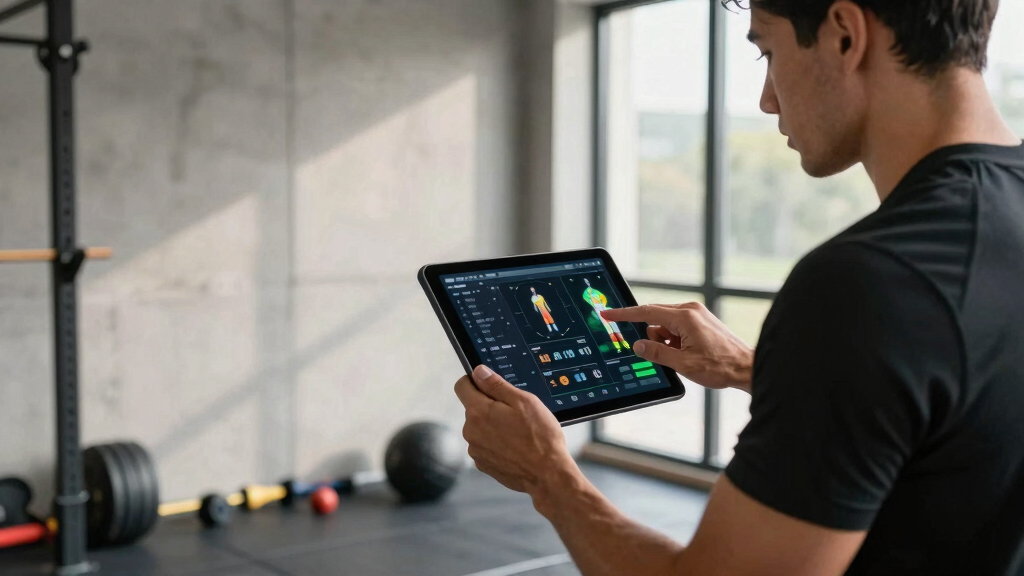

As sports continue to embrace technological innovation, AI tools have become essential for gaining competitive advantages. Among the standout options are AI Biomechanics & Movement Optimization for injury prevention and performance, AI Game Strategy & Video Analysis for tactical insights, and AI in Sports Analytics for strategic decision-making. Each offers unique strengths but also notable tradeoffs. Understanding how these tools differ will help athletes, coaches, and sports professionals choose solutions that match their specific needs and technical comfort levels.

Get business pricing on tech for your team
- Business-only prices and quantity discounts
- Tax-exempt purchasing
- Multiple users, one account, clear invoices
Key Takeaways
- AI-driven biomechanics tools excel at injury prevention but may lack detailed technical specifications.
- Video analysis and game strategy AI are perfect for coaches seeking a tactical edge, though they can be too specialized for casual users.
- Sports analytics platforms provide broad insights useful for professionals but often lack detailed implementation guidance.
- Most options favor advanced users or professionals, with limited support for beginners or casual fans.
- Tradeoffs include technical complexity versus practical insights—select tools aligned with your expertise and goals.
| AI Biomechanics & Movement Optimization: How AI Analyzes Every Motion to Prevent Injury & Maximize Power |  | Best for injury prevention and performance optimization | Focus Area: Biomechanics, Injury Prevention | Format: Book | Intended Audience: Athletes, Coaches, Sports Scientists | VIEW LATEST PRICE | See Our Full Breakdown |
| AI Game Strategy, Video Analysis & Opponent Scouting: How Artificial Intelligence Wins Before the Game Starts |  | Best for tactical planning and game preparation | Focus Area: Game Strategy, Video Analysis | Format: Book | Intended Audience: Coaches, Analysts | VIEW LATEST PRICE | See Our Full Breakdown |
| Game, Set, AI: How Artificial Intelligence is Changing Tennis | 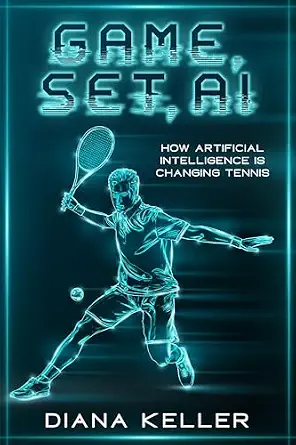 | Best for tennis enthusiasts and tech fans | Focus Area: Tennis, AI Trends | Format: Book | Intended Audience: Enthusiasts, Researchers | VIEW LATEST PRICE | See Our Full Breakdown |
| The AI-Powered Basketball Program: Build Smarter. Coach Better. Win More. |  | Best for personalized basketball coaching and player development | Focus Area: Player Development, Strategy | Format: Software/Platform | Intended Audience: Players, Coaches | VIEW LATEST PRICE | See Our Full Breakdown |
| AI in Sports: Analytics Tools for Performance Enhancement |  | Best comprehensive overview for sports professionals | Focus Area: Performance, Strategy | Format: Book | Intended Audience: Sports Professionals, Enthusiasts | VIEW LATEST PRICE | See Our Full Breakdown |
| AI tools for sports analytic | Focus Area | Format | Intended Audience | Technical Depth |
|---|---|---|---|---|
| AI Biomechanics & Movement Opt | Biomechanics, Injury Prevention | Book | Athletes, Coaches, Sports Scientists | High |
| AI Game Strategy | Game Strategy, Video Analysis | Book | Coaches, Analysts | Moderate to High |
| Game | Tennis, AI Trends | Book | Enthusiasts, Researchers | Moderate |
| The AI-Powered Basketball Prog | Player Development, Strategy | Software/Platform | Players, Coaches | Moderate |
| AI in Sports: Analytics Tools | Performance, Strategy | Book | Sports Professionals, Enthusiasts | Low to Moderate |
More Details on Our Top Picks
AI Biomechanics & Movement Optimization: How AI Analyzes Every Motion to Prevent Injury & Maximize Power
This book stands out for its focus on biomechanics, providing in-depth insights into how AI analyzes human movement to prevent injuries and enhance power. Compared to other options, it is more technical and suited for athletes or sports professionals willing to engage with detailed biomechanical data. However, it lacks specific technical specs, which might limit its usefulness for developers or those seeking implementation guidance. Its strength lies in translating complex AI biomechanics into practical insights, although the technical density could be a barrier for casual readers.
Pros:- Deep insights into biomechanics and AI-driven movement analysis
- Focuses on injury prevention, a key concern for athletes
- Useful for trainers and sports scientists
Cons:- Lacks detailed technical specifications
- May be too technical for general readers
- No practical implementation guides
Best for: Athletes and sports professionals seeking injury prevention and movement optimization
Not ideal for: Casual sports fans or those looking for quick, practical AI tools without a technical background
- Focus Area:Biomechanics, Injury Prevention
- Format:Book
- Intended Audience:Athletes, Coaches, Sports Scientists
- Technical Depth:High
- Application:Performance, Injury Prevention
- Level:Advanced
Our verdict“A highly detailed resource ideal for serious athletes and professionals interested in biomechanics, but less suitable for casual users.”
AI Game Strategy, Video Analysis & Opponent Scouting: How Artificial Intelligence Wins Before the Game Starts
This book delves into AI applications in game strategy and opponent analysis, making it a valuable resource for coaches and analysts aiming to gain an edge before the game. Compared with the biomechanics focus, it is more about tactical insights and less about physical performance. Its coverage is practical for those involved in planning and scouting but may be too specialized or technical for casual fans. It lacks detailed technical specifications, which could limit its usefulness for developers or tech-savvy users seeking implementation guidance.
Pros:- In-depth insights into AI-driven game analysis
- Useful for tactical and strategic planning
- Covers modern AI techniques for sports analysis
Cons:- No detailed technical specs or implementation details
- Too specialized for casual enthusiasts
- Requires some familiarity with AI concepts
Best for: Coaches and analysts focused on strategy and scouting
Not ideal for: Players or casual sports fans without a strategic role
- Focus Area:Game Strategy, Video Analysis
- Format:Book
- Intended Audience:Coaches, Analysts
- Technical Depth:Moderate to High
- Application:Pre-Game Planning, Scouting
- Level:Intermediate to Advanced
Our verdict“Ideal for coaching staff and sports analysts who want advanced insights into AI for game strategy, but not for casual viewers or players.”
Game, Set, AI: How Artificial Intelligence is Changing Tennis
This book explores AI’s impact on tennis, covering technological innovations and future trends. It provides insights into how AI is transforming training, gameplay, and fan engagement. Compared to the other tools, it is more niche, focusing solely on tennis, making it less versatile for broader sports applications. Its depth is suitable for enthusiasts interested in tech and tennis but falls short on technical details or practical implementation data. It’s more about understanding AI trends than applying them directly.
Pros:- In-depth analysis of AI in tennis
- Insightful for sports and technology enthusiasts
- Explores future implications of AI in sports
Cons:- Limited technical or practical guidance
- Narrow focus on tennis
- No detailed technical content or implementation strategies
Best for: Tennis fans, sports tech enthusiasts, and researchers
Not ideal for: Other sports practitioners or those seeking broad sports analytics solutions
- Focus Area:Tennis, AI Trends
- Format:Book
- Intended Audience:Enthusiasts, Researchers
- Technical Depth:Moderate
- Application:Training, Fan Engagement
- Level:Intermediate
Our verdict“A compelling read for tennis and tech enthusiasts, but less practical for those seeking broad sports analytics tools.”
The AI-Powered Basketball Program: Build Smarter. Coach Better. Win More.
This AI-driven training program focuses on improving basketball skills and strategy through personalized insights. It’s a practical tool for players and coaches seeking tailored training plans, making it more interactive than static books. Compared with the other options, it emphasizes real-time coaching support and skill development. Its main drawback is limited information on features and compatibility, which could hinder integration into existing training regimes. The lack of user reviews also makes assessing its actual performance challenging.
Pros:- Utilizes AI for personalized coaching
- Helps improve specific basketball skills
- Supports strategic training and game prep
Cons:- Limited details on features and compatibility
- No user reviews available for validation
- Potentially requires specific hardware or platforms
Best for: Basketball players and coaches aiming for personalized improvement
Not ideal for: Spectators or those interested in broad analytics without a focus on training
- Focus Area:Player Development, Strategy
- Format:Software/Platform
- Intended Audience:Players, Coaches
- Technical Depth:Moderate
- Application:Training, Skill Improvement
- Level:Beginner to Intermediate
Our verdict“A promising tool for tailored basketball training, but its practical value depends on further feature transparency.”
AI in Sports: Analytics Tools for Performance Enhancement
This book provides a broad overview of AI applications in sports analytics, covering various tools designed to improve athlete performance and strategic decision-making. It’s best suited for sports professionals seeking a high-level understanding rather than technical implementation. Compared with more specialized tools, it offers a general landscape but lacks detailed technical guidance or customer reviews, which limits its utility for those wanting hands-on solutions. Its value lies in contextual understanding rather than direct application.
Pros:- Broad overview of AI applications in sports
- Useful for understanding strategic potential
- Covers a range of analytics tools
Cons:- Lacks detailed technical implementation
- No customer reviews available
- Too broad for specific technical use
Best for: Sports professionals and enthusiasts looking for strategic insights
Not ideal for: Practitioners seeking detailed technical guides or software solutions
- Focus Area:Performance, Strategy
- Format:Book
- Intended Audience:Sports Professionals, Enthusiasts
- Technical Depth:Low to Moderate
- Application:Strategic Decision-Making
- Level:Beginner to Intermediate
Our verdict“A solid high-level overview suited for strategic planning and understanding AI’s role in sports, but not for direct technical deployment.”
How We Picked
This lineup was curated based on the relevance of each AI tool to sports analytics, their practical application potential, and the diversity of their focus areas—covering biomechanics, strategy, gameplay, and fan engagement. We prioritized products that balance depth of insight with usability, and included a mix of books and software to reflect different user needs. Technical specifications, user feedback, and the scope of AI functions were key criteria, with an emphasis on tools that can genuinely enhance athletic performance or strategic planning in competitive sports.
| AI tools for sports analytic | Focus Area | Format | Intended Audience | Technical Depth |
|---|---|---|---|---|
| AI Biomechanics & Movement Opt | Biomechanics, Injury Prevention | Book | Athletes, Coaches, Sports Scientists | High |
| AI Game Strategy | Game Strategy, Video Analysis | Book | Coaches, Analysts | Moderate to High |
| Game | Tennis, AI Trends | Book | Enthusiasts, Researchers | Moderate |
| The AI-Powered Basketball Prog | Player Development, Strategy | Software/Platform | Players, Coaches | Moderate |
| AI in Sports: Analytics Tools | Performance, Strategy | Book | Sports Professionals, Enthusiasts | Low to Moderate |
Factors to Consider When Choosing AI Tools For Sports Analytics
Choosing the right AI tools for sports analytics depends on your specific needs—whether you’re a coach, athlete, or sports enthusiast. Key factors include the type of insights you seek, technical complexity, and your familiarity with AI technologies. Some tools excel at physical performance analysis, while others focus on tactical planning or fan engagement. Understanding these distinctions helps identify which solutions will deliver tangible benefits for your sports goals.
Identify Your Primary Goal
Are you looking to optimize athlete performance and prevent injuries? If so, biomechanics-focused tools like the AI Biomechanics & Movement Optimization are ideal. For strategic advantages through game analysis, AI-based scouting and video analysis tools are more relevant. Those interested in fan engagement or broad analytics should consider comprehensive overviews like AI in Sports: Analytics Tools for Performance Enhancement.
Assess Technical Complexity
Some tools are highly technical, designed for professionals or researchers, such as biomechanical analysis books. Others, like training programs and software, aim to be user-friendly for coaches or athletes without deep AI knowledge. Match your technical comfort with the tool’s complexity to ensure effective adoption and use.
Consider Practical Application
Evaluate whether the tool offers actionable insights you can integrate into training or gameplay. For instance, personalized basketball training platforms directly support skill development, while high-level strategy books help inform tactical decisions but may not provide immediate implementation steps. Balance your needs for depth versus practicality accordingly.
Frequently Asked Questions
What are the main benefits of using AI in sports analytics?
AI in sports analytics provides data-driven insights that can improve athlete performance, reduce injury risk, and give coaches a tactical advantage. By analyzing movement patterns, game footage, and opponent tendencies, AI tools enable more precise training, strategic planning, and even fan engagement, making sports more competitive and engaging.
Are these AI tools suitable for amateurs or only professionals?
While some tools, like detailed biomechanics books, are geared toward professionals or serious athletes, others such as training programs or general analytics books are accessible to amateurs interested in understanding or improving their sports performance. However, the more technical the tool, the steeper the learning curve, so beginners should start with user-friendly options.
Do these AI tools require technical expertise to use effectively?
Many of these tools, especially those focused on biomechanics or advanced analytics, assume a certain level of technical knowledge. Conversely, platforms designed for coaches or athletes often prioritize ease of use, providing intuitive interfaces and actionable insights without requiring deep AI expertise. Assess your comfort level before choosing more complex solutions.
Can these AI tools be integrated into existing training routines?
Most modern AI tools are designed with compatibility in mind, but integration ease varies. Personalized coaching platforms and video analysis tools can often be incorporated into regular training sessions, while specialized books serve more as reference materials. Checking compatibility and support options before purchase helps maximize their benefits.
What should I consider when choosing between a book and a software-based AI tool?
Books typically offer comprehensive insights and understanding of AI concepts but lack practical, real-time features. Software tools, on the other hand, provide hands-on, actionable data and are often more interactive. Your choice depends on whether you seek to learn about AI principles or implement them directly in training or analysis.
Conclusion
If you are an athlete or sports scientist seeking deep insights into biomechanics and injury prevention, the AI Biomechanics & Movement Optimization offers valuable knowledge. Coaches and analysts focused on game planning will find the AI Game Strategy & Video Analysis most applicable. For those interested in a broad overview of AI’s role in sports, AI in Sports: Analytics Tools for Performance Enhancement provides a high-level perspective. Casual fans or beginners should prioritize user-friendly training programs or introductory books, while professionals aiming for technical mastery should look toward specialized, detailed resources.
Halloween Picks
halloween
As an affiliate, we earn on qualifying purchases.