

In 2026, AI continues to revolutionize sports analytics, offering new insights and tools that elevate performance and strategy. For those seeking actionable insights, “The AI in Sports: Analytics Tools for Performance Enhancement” provides a broad overview of AI applications across sports. Meanwhile, “AI Game Strategy, Video Analysis & Opponent Scouting” offers targeted strategies for pre-game preparation, ideal for coaches and analysts. For hands-on training, “The AI-Powered Basketball Program” delivers personalized coaching insights, though limited details might leave some wanting more technical specifics. Conversely, “AI Biomechanics & Movement Optimization” dives deep into injury prevention and movement efficiency, perfect for professionals but perhaps too technical for casual enthusiasts. Lastly, “Game, Set, AI” explores AI’s influence on tennis, making it suitable for fans and tech enthusiasts but lacking detailed features. The tradeoffs are clear: some options offer broad theoretical insights, while others focus on practical, sport-specific applications.

Get business pricing on tech for your team
- Business-only prices and quantity discounts
- Tax-exempt purchasing
- Multiple users, one account, clear invoices
Key Takeaways
- Most products focus on performance data analysis, but vary in practical application and technical depth.
- Books tend to provide comprehensive insights but lack hands-on tools; programs offer personalized training but often lack detailed features.
- Choosing the right tool depends heavily on the user’s role—coaches, athletes, or enthusiasts—and their technical familiarity.
- Limited technical specifications in some products make it harder to evaluate their practical value fully.
- Pre-game strategy and injury prevention are emerging areas within AI sports analytics, but many tools still require integration with existing systems.
| Game, Set, AI: How Artificial Intelligence is Changing Tennis | 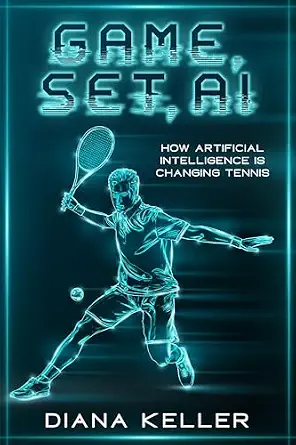 | Best for theoretical insights into AI’s impact on sports | Focus: AI’s impact on tennis | Type: Book | Target Audience: Enthusiasts, Researchers | VIEW LATEST PRICE | See Our Full Breakdown |
| The AI-Powered Basketball Program: Build Smarter. Coach Better. Win More. |  | Best for personalized coaching and training strategies | Application: Personalized training | Sport: Basketball | Type: Software/Program | VIEW LATEST PRICE | See Our Full Breakdown |
| AI Biomechanics & Movement Optimization: How AI Analyzes Every Motion to Prevent Injury & Maximize Power |  | Best for injury prevention and biomechanics insights | Focus: Biomechanics and movement | Type: Book | Target Audience: Athletes, coaches, sports scientists | VIEW LATEST PRICE | See Our Full Breakdown |
| AI in Sports: Analytics Tools for Performance Enhancement |  | Best for broad sports analytics insights | Focus: Performance analytics | Type: Book | Target Audience: Sports professionals, enthusiasts | VIEW LATEST PRICE | See Our Full Breakdown |
| AI Game Strategy, Video Analysis & Opponent Scouting: How Artificial Intelligence Wins Before the Game Starts |  | Best for pre-game strategy and opponent analysis | Focus: Game strategy and scouting | Type: Book | Target Audience: Coaches, analysts | VIEW LATEST PRICE | See Our Full Breakdown |
| AI tools for sports analytic | Focus | Type | Target Audience | Depth |
|---|---|---|---|---|
| Game | AI’s impact on tennis | Book | Enthusiasts, Researchers | Theoretical |
| The AI-Powered Basketball Prog | Skill improvement | Software/Program | — | — |
| AI Biomechanics & Movement Opt | Biomechanics and movement | Book | Athletes, coaches, sports scientists | Technical |
| AI in Sports: Analytics Tools | Performance analytics | Book | Sports professionals, enthusiasts | High-level |
| AI Game Strategy | Game strategy and scouting | Book | Coaches, analysts | Moderate |
More Details on Our Top Picks
Game, Set, AI: How Artificial Intelligence is Changing Tennis
This book offers a comprehensive look at how AI is transforming tennis, emphasizing technological advancements and future implications. Compared with more practical tools, it provides deep insights into AI applications in training, gameplay, and analytics but lacks specific technical features or implementation details. It’s ideal for sports enthusiasts and tech aficionados eager to understand the broader trends. However, for practitioners seeking hands-on tools or detailed strategies, this might fall short. The absence of concrete data or case studies limits its immediate applicability, but it excels at framing AI’s potential in sports.
Pros:- Provides in-depth insights into AI’s impact on tennis
- Suitable for both sports and tech enthusiasts
- Explores future implications of AI in sports
Cons:- No detailed specifications or features
- Limited practical guidance
- Focuses more on theory than application
Best for: Sports enthusiasts and tech-savvy readers interested in the conceptual side of AI in tennis
Not ideal for: Coaches and athletes looking for specific training tools or technical implementation
- Focus:AI’s impact on tennis
- Type:Book
- Target Audience:Enthusiasts, Researchers
- Coverage:Training, Gameplay, Analytics
- Depth:Theoretical
- Technical Detail:Low
Our verdict“Best suited for readers interested in understanding AI’s conceptual influence on tennis rather than practical tools.”
The AI-Powered Basketball Program: Build Smarter. Coach Better. Win More.
This AI-driven basketball program emphasizes tailored training, helping players and coaches refine skills and develop smarter game strategies. It stands out for its focus on personalized feedback, making it a valuable tool for improving individual performance. That said, its lack of detailed features or user reviews raises questions about its actual capabilities and ease of use. This pick makes the most sense for dedicated coaches or players willing to invest in compatible devices and who prioritize customized training over broad analytics. Compared with books that offer conceptual insights, this program aims at practical application but requires further clarification on its specific features and content.
Pros:- Uses AI for personalized training
- Helps improve skills and game strategies
- Suitable for dedicated athletes and coaches
Cons:- Limited information on features and content
- No user reviews available
- Requires compatible devices or software
Best for: Basketball players and coaches seeking personalized training solutions
Not ideal for: Casual players or those looking for comprehensive sports analytics without device requirements
- Application:Personalized training
- Sport:Basketball
- Type:Software/Program
- Compatibility:Requires specific devices
- Focus:Skill improvement
- Content Depth:Limited
Our verdict“Best for those seeking tailored, AI-driven basketball training, provided they are comfortable with limited product details.”
AI Biomechanics & Movement Optimization: How AI Analyzes Every Motion to Prevent Injury & Maximize Power
This book dives into how AI analyzes human movement to prevent injuries and optimize athletic performance. It offers detailed explanations of biomechanics and AI applications, making it especially valuable for sports professionals and athletes interested in improving movement efficiency. However, its technical nature and lack of concrete product features may make it less accessible for casual readers or those new to AI. Compared with more general sports analytics tools, it focuses specifically on biomechanics, making it ideal for users seeking technical depth and injury prevention strategies. Its limited scope means it might not cover broader analytics applications.
Pros:- Provides in-depth insights into biomechanics
- Useful for injury prevention and performance enhancement
- Focuses on human movement analysis
Cons:- No specific product details or features
- Technical for general readers
- Limited scope to biomechanics
Best for: Athletes, sports professionals, and biomechanics enthusiasts seeking injury prevention insights
Not ideal for: Casual sports fans or those seeking broad analytics tools without technical detail
- Focus:Biomechanics and movement
- Type:Book
- Target Audience:Athletes, coaches, sports scientists
- Depth:Technical
- Application:Injury prevention, performance
- Scope:Biomechanics
Our verdict“Best suited for professionals and athletes interested in movement analysis and injury prevention, despite its technical complexity.”
AI in Sports: Analytics Tools for Performance Enhancement
This book provides an overview of how AI tools are used across various sports to analyze performance data and improve outcomes. It covers a range of analytics techniques and tools, making it a good resource for sports professionals and enthusiasts looking for a general understanding of AI applications. Still, the lack of detailed technical implementation or case studies limits its practical usefulness for those wanting hands-on guidance. Compared with more specialized tools, it offers a high-level perspective that can help users grasp the broader landscape but falls short on technical depth.
Pros:- Provides insights into AI applications in sports
- Covers a range of analytics tools
- Good for understanding the landscape of sports AI
Cons:- Lacks detailed technical implementation
- No pricing or reviews
- High-level overview without practical steps
Best for: Sports professionals and enthusiasts seeking a broad overview of AI tools in sports analytics
Not ideal for: Practitioners needing detailed technical guidance or specific software recommendations
- Focus:Performance analytics
- Type:Book
- Target Audience:Sports professionals, enthusiasts
- Coverage:Tools, techniques
- Depth:High-level
- Technical Detail:Low
Our verdict“Ideal for those wanting a broad understanding of AI’s role in sports analytics, but not for hands-on practitioners or technical developers.”
AI Game Strategy, Video Analysis & Opponent Scouting: How Artificial Intelligence Wins Before the Game Starts
This book explores how AI enhances sports performance by optimizing game strategy, video analysis, and opponent scouting. It’s particularly useful for coaches and sports analysts aiming to gain a competitive edge before the game begins. It emphasizes strategic insights and pre-game preparation, but lacks specific technical details or real-world case studies, which could limit its practical applicability. Compared with broader analytics books, this title focuses on tactical advantages, making it less suitable for those interested in general performance data but highly valuable for strategic planning.
Pros:- Provides in-depth insights into AI for game strategy
- Useful for pre-game preparation
- Focuses on opponent scouting and tactical analysis
Cons:- No specific technical details
- Lacks case studies
- Too specialized for casual users
Best for: Coaches and analysts focused on pre-game strategy and scouting
Not ideal for: Players or casual fans seeking broad analytics tools
- Focus:Game strategy and scouting
- Type:Book
- Target Audience:Coaches, analysts
- Application:Pre-game tactics
- Depth:Moderate
- Technical Detail:Limited
Our verdict“Best suited for coaches and analysts seeking tactical advantages through AI-driven scouting and strategy.”
How We Picked
My selection process involved evaluating each product based on clarity of the AI application, relevance to sports analytics, user role suitability, and the depth of insights provided. I prioritized tools that offer actionable insights, whether through books that deepen understanding or programs that deliver personalized training. I also considered the diversity of sports covered, ensuring a balance between team and individual sports. Technical detail level, ease of use, and potential for practical impact played key roles in my rankings, along with the availability of real-world examples or case studies. Since many products lacked detailed specs or user reviews, I assessed their content focus and intended audience to determine overall value.
| AI tools for sports analytic | Focus | Type | Target Audience | Depth |
|---|---|---|---|---|
| Game | AI’s impact on tennis | Book | Enthusiasts, Researchers | Theoretical |
| The AI-Powered Basketball Prog | Skill improvement | Software/Program | — | — |
| AI Biomechanics & Movement Opt | Biomechanics and movement | Book | Athletes, coaches, sports scientists | Technical |
| AI in Sports: Analytics Tools | Performance analytics | Book | Sports professionals, enthusiasts | High-level |
| AI Game Strategy | Game strategy and scouting | Book | Coaches, analysts | Moderate |
Factors to Consider When Choosing AI Tools For Sports Analytics
Choosing the right AI tools for sports analytics depends on your specific needs—whether it’s enhancing performance, developing strategies, or preventing injuries. Understanding the different types of resources available can help you select the most effective solutions for your role and goals.Identify Your Primary Goal
Are you looking for broad theoretical insights, hands-on training tools, or strategic planning aids? Books like “AI in Sports” provide comprehensive overviews, while programs such as “The AI-Powered Basketball Program” focus on personalized skill development. Clarifying whether you want to deepen your understanding or apply AI directly will guide your choice.
Assess Technical Complexity
If you prefer straightforward insights without technical barriers, opt for high-level overviews. However, if you’re comfortable with detailed biomechanics or technical implementations, select products that delve into these areas. For example, “AI Biomechanics & Movement Optimization” offers technical depth suitable for professionals.
Consider Your Sport and Role
Different tools cater to different sports and user roles. Coaches may prioritize strategic and scouting tools, while athletes might seek personalized training solutions. Make sure the product aligns with your sport and whether you’re a practitioner, coach, or enthusiast.
Evaluate Practical Application
Look for products with clear case studies, user reviews, or practical examples. Lack of specifications or real-world data can make it difficult to gauge actual benefits. Prioritize offerings that demonstrate tangible results or detailed features relevant to your needs.
Frequently Asked Questions
What are the main types of AI tools used in sports analytics?
The main types include data analysis platforms that process performance metrics, biomechanical analysis tools that improve movement and injury prevention, video analysis systems for scouting and strategy, and personalized training programs that tailor workouts to individual athletes. Each type serves different needs—some focus on improving skills, others on tactical insights or injury prevention.
Are books a practical choice for implementing AI in sports?
Books provide valuable conceptual frameworks and overview of AI’s role in sports but generally lack hands-on tools or software. They are best suited for understanding the landscape and gaining strategic insights. For direct application, pairing books with specialized software or training programs is often necessary.
How technical are the AI tools for sports analytics?
The level of technicality varies widely. Some books, like those on biomechanics, are quite technical and suited for professionals. In contrast, training programs or strategy guides tend to be more accessible but may lack in-depth technical details. Your familiarity with AI or sports science will influence which products suit you best.
Can these AI tools be integrated with existing sports systems?
Many AI tools are designed to complement existing systems, especially performance analysis platforms and scouting tools. However, some training programs or books may require additional software or hardware. It’s important to verify compatibility and integration capabilities before investing.
Are AI tools for sports analytics suitable for amateur athletes?
While many tools are geared toward professionals, some, particularly training and strategy books, can benefit serious amateurs seeking to improve. However, advanced biomechanics or injury prevention tools usually require a higher level of expertise and may be less accessible for casual athletes.
Conclusion
For sports enthusiasts or casual fans, a broad overview like “AI in Sports” offers valuable insights without overwhelming technical details. Coaches and professional athletes will find targeted tools such as “The AI-Powered Basketball Program” or “AI Game Strategy, Video Analysis & Opponent Scouting” more useful, especially if they seek personalized or tactical advantages. Researchers or sports scientists interested in biomechanics should consider “AI Biomechanics & Movement Optimization” for its depth, despite its technical nature. Ultimately, selecting the right AI tool depends on your role, technical comfort level, and specific objectives within sports analytics.
As an affiliate, we earn on qualifying purchases.Fall Picks
fall essentials