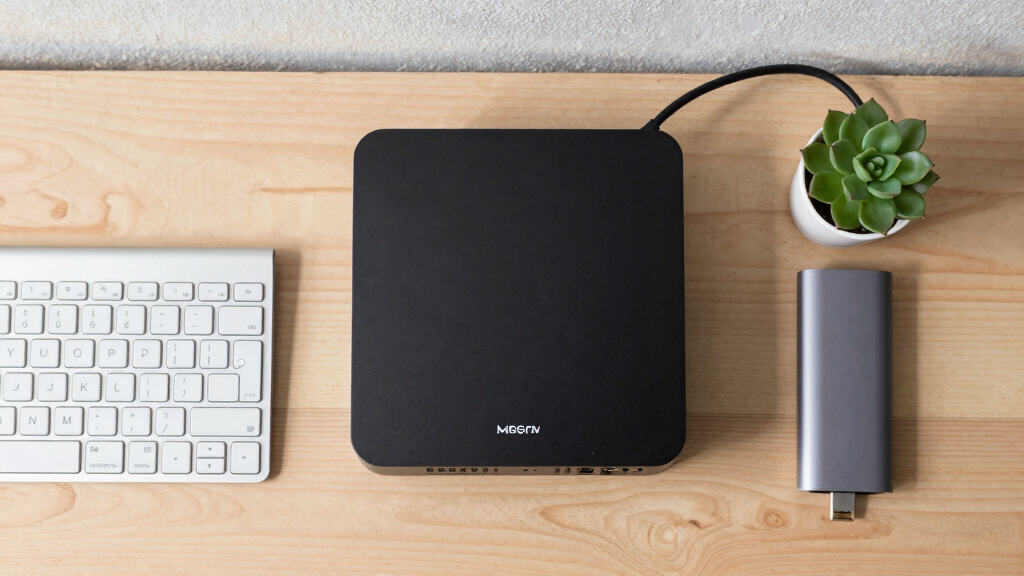

Finding the best mini PC for developers and home labs requires balancing performance, size, and expandability. The GEEKOM A6 with Ryzen 7 6800H stands out as the top overall choice thanks to its powerful CPU and ample RAM, ideal for multitasking and virtual machines. For those on a tighter budget, the KAMRUI Pinova P2 offers good performance with quiet operation and triple display support. The main tradeoffs in this category involve choosing between raw power and compact size, or between expandability and affordability. Keep reading for a detailed breakdown of these options and how to pick the best fit for your setup.

Get business pricing on tech for your team
- Business-only prices and quantity discounts
- Tax-exempt purchasing
- Multiple users, one account, clear invoices
Key Takeaways
- High-core CPU performance, like the Ryzen 7 6800H, is essential for demanding development tasks and virtualization.
- Expandability with RAM and storage can significantly extend the lifespan and versatility of a mini PC for labs.
- Connectivity features such as multiple LAN ports and Wi-Fi 6 are often overlooked but critical for network-heavy environments.
- Size doesn’t always mean less power; compact designs like the KAMRUI P2 can handle multi-monitor setups while staying small.
- Price varies widely, but investing in a slightly more expensive model can provide long-term value through better specs and durability.


| mini pc for developers and home lab | Processor | Storage | RAM | Graphics |
|---|---|---|---|---|
| GEEKOM A6 Mini PC with Ryzen 7 | Ryzen 7 6800H | 1TB PCIe 4.0 SSD (up to 4TB + additional M.2 slot) | 32GB DDR5 (upgradable) | Radeon 680M GPU |
| GEEKOM A6 Mini PC | Ryzen 7 6800H | 1TB PCIe 4.0 SSD | 16GB DDR5, upgradable to 64GB | AMD Radeon 680M (RDNA 2) |
| Glorlin Mini PC Ryzen 7 6800H | AMD Ryzen 7 6800H | 512GB NVMe SSD | 16GB LPDDR5 | Radeon 680M |
| MINISFORUM MS-01-S1260 Mini PC | Intel Core i5-12600H | — | — | Intel Iris Xe Graphics |
| KAMRUI Pinova P2 Mini PC | AMD Ryzen 7330U | 256GB M.2 SSD | 16GB LPDDR4X | Integrated Radeon Vega 6 |
| MINISFORUM AI X1-255 Mini PC w | AMD Ryzen 7 255 (8 cores / 16 threads, up to 4.9 GHz) | 1 TB M.2 SSD, dual PCIe4.0 slots up to 4 TB each | 32 GB DDR5, expandable to 64 GB | Radeon 780M |
| Dell OptiPlex 7050 Micro Compu | Intel Quad Core i5-6500T up to 3.1GHz | 256GB SSD | 16GB DDR4 | — |
| BOSGAME E5 11 Pro Mini PC | AMD Ryzen 3 5300U, 4 Cores/8 Threads, up to 3.8GHz | 256GB NVMe SSD, expandable up to 2TB | 8GB DDR4, upgradable to 64GB | AMD Radeon Graphics, 6 cores, 1500 MHz |
| Getorli Mini PC Ryzen 5 3501U | AMD Ryzen 5 3501U, 2.1 GHz, 4 cores | 512GB PCIe 3.0 NVMe SSD | — | — |
More Details on Our Top Picks
GEEKOM A6 Mini PC with Ryzen 7 6800H, 32GB DDR5 RAM, 1TB PCIe 4.0 SSD
This GEEKOM A6 stands out for delivering desktop-class performance in a compact form, thanks to its Ryzen 7 6800H processor and 32GB DDR5 RAM. Compared to the more modest GEEKOM A6 with 16GB RAM, this model targets demanding developers and home lab enthusiasts who need raw power and upgrade potential. Its upgradeable RAM and multiple storage options make it future-proof, and the high-speed connectivity ensures seamless multitasking. The cooling system is robust, maintaining performance under load. However, its lack of included peripherals and the global supply constraints for DDR5 memory could complicate setup and availability. Still, this mini PC offers an exceptional balance of performance and expandability for advanced users.
Pros:- Powerful Ryzen 7 6800H processor for demanding tasks
- Upgradeable 32GB DDR5 RAM and flexible storage options
- Compact design with efficient cooling system
- Supports multi-display setups with HDMI and USB-C
Cons:- Limited information on included peripherals or accessories
- Potential supply shortages for DDR5 memory
- No detailed pricing info available
Best for: Developers running intensive workloads, creative professionals, and home lab builders who need a powerful, upgradeable mini PC.
Not ideal for: Casual users or those seeking a plug-and-play device with minimal setup, due to its advanced hardware and upgrade options.
- Processor:Ryzen 7 6800H
- RAM:32GB DDR5 (upgradable)
- Storage:1TB PCIe 4.0 SSD (up to 4TB + additional M.2 slot)
- Graphics:Radeon 680M GPU
- Operating System:Windows 11 preloaded, supports Linux/Ubuntu
- Connectivity:2x HDMI, USB4, USB-C, SD Card Slot, VESA Mount, 2.5Gbps Ethernet, Wi-Fi 6E
Our verdict“This mini PC is ideal for users who need desktop-level performance in a small, upgradeable package with high connectivity options.”
GEEKOM A6 Mini PC, Ryzen 7 6800H, 16GB DDR5 Upgradable RAM, 1TB PCIe 4.0 SSD
This GEEKOM A6 variant emphasizes upgradable RAM and enterprise-grade connectivity, making it well-suited for multitasking, creative workflows, and home labs. Its Ryzen 7 6800H processor ensures stable performance for demanding workloads, and support for up to four 4K displays extends its multitasking capacity beyond typical mini PCs like the Glorlin. While it costs more than basic models, the premium chassis and advanced cooling improve durability and thermal performance. Yet, the detailed port configurations and global supply issues might limit immediate availability or increase costs. Overall, this model is a strong choice for users who want a balance of power, expandability, and business-ready features.
Pros:- High-performance Ryzen 7 6800H with stable 45W TDP
- Supports up to four 4K monitors for extensive multitasking
- Upgradeable RAM up to 64GB and fast PCIe 4.0 SSD
- Premium aluminum chassis enhances durability
Cons:- Limited details on port expandability
- Higher price point due to advanced features
- Availability may be affected by supply chain issues
Best for: Power users, creative professionals, and small office/home lab setups needing multi-display support and future expansion.
Not ideal for: Casual users or those on a tight budget, as its higher price and complexity may be unnecessary for simple tasks.
- Processor:Ryzen 7 6800H
- RAM:16GB DDR5, upgradable to 64GB
- Storage:1TB PCIe 4.0 SSD
- Graphics:AMD Radeon 680M (RDNA 2)
- Display Support:Quad 4K monitors
- Connectivity:Wi-Fi 6E, Bluetooth 5.4, 2.5G LAN, USB4, HDMI
Our verdict“This mini PC excels for advanced multitasking and creative workflows where future-proofing and multi-display support are priorities.”
Glorlin Mini PC Ryzen 7 6800H, 16GB LPDDR5, 512GB NVMe SSD, Radeon 680M, Triple 4K Display, Dual LAN, WiFi 6, Bluetooth 5.3, Compact Desktop for Office & Gaming
The Glorlin Mini PC offers a balanced mix of performance and versatility with its Ryzen 7 6800H processor and triple 4K display support. Compared to more powerful, upgradeable options like the GEEKOM A6 with 32GB RAM, this model is more suited for users who prioritize space-saving design without sacrificing multitasking. Its 16GB LPDDR5 RAM and 512GB SSD deliver quick responsiveness for office work and multimedia, while its compact size makes it a good fit for small desks or entertainment setups. The limited upgrade options and absence of a dedicated GPU mean it’s less ideal for demanding gaming or heavy creative tasks. Still, it’s a reliable choice for users needing a small, capable multi-display PC for productivity and light gaming.
Pros:- Powerful Ryzen 7 6800H with up to 4.7GHz boost
- Supports three 4K displays for multitasking
- Compact and lightweight design with quiet cooling
- Supports WiFi 6 and Bluetooth 5.3 for modern connectivity
Cons:- Limited upgrade options with fixed 16GB RAM
- No dedicated GPU for intensive gaming or 3D work
- 512GB SSD may need external storage for large files
Best for: Office workers, light content creators, and multimedia users who need a compact, triple 4K display-capable PC for everyday tasks.
Not ideal for: Power gamers or developers requiring extensive upgradeability or high-end GPU performance, due to limited upgrade options and integrated graphics.
- Processor:AMD Ryzen 7 6800H
- RAM:16GB LPDDR5
- Storage:512GB NVMe SSD
- Graphics:Radeon 680M
- Display Support:Triple 4K
- Connectivity:WiFi 6, Bluetooth 5.3, Dual LAN
Our verdict“This mini PC is great for space-constrained environments requiring multi-display productivity with modest gaming or creative needs.”
MINISFORUM MS-01-S1260 Mini PC Barebone with Intel Core i5-12600H, vPro Support, Dual 10Gbps SFP+ LAN, 2.5Gbps RJ45, USB4, HDMI, PCIe 4.0, M.2 NVMe SSD, U.2 NVMe SSD (No OS/RAM/SSD)
The MINISFORUM MS-01-S1260 stands out as a customizable, enterprise-grade mini PC, ideal for advanced users and IT professionals. Its Intel Core i5-12600H processor with vPro support makes it suitable for secure, managed environments, especially compared to the more consumer-focused options like the GEEKOM A6. Its support for up to 96GB DDR5 RAM and multiple high-speed NVMe drives offers extensive expandability, suitable for complex workloads. The dual 10Gbps SFP+ LAN ports provide exceptional network throughput, making it a top choice for data-intensive tasks. The main tradeoffs are that it arrives as a barebone, requiring additional components, and its setup can be challenging for those unfamiliar with enterprise hardware. This makes it ideal for specialized, high-performance environments.
Pros:- Powerful Core i5-12600H with vPro support for security and manageability
- Supports up to 96GB DDR5 RAM and multiple NVMe drives
- Dual 10Gbps SFP+ LAN ports for high-speed networking
- Supports extensive storage and RAID configurations
Cons:- No included RAM, SSD, or OS, requiring additional components
- Complex setup for non-technical users
- Higher initial cost with component purchases
Best for: IT professionals, enterprise users, and advanced developers needing a highly customizable and secure mini PC.
Not ideal for: Casual users or those seeking a ready-to-use mini PC, due to its barebone nature and complex setup.
- Processor:Intel Core i5-12600H
- Graphics:Intel Iris Xe Graphics
- Memory Support:Up to 96GB DDR5
- Storage Support:Up to 3 M.2 NVMe + U.2 NVMe SSDs
- Network:2x 10Gbps SFP+ LAN, 2.5Gbps RJ45
- Connectivity:USB4, HDMI, Thunderbolt
Our verdict“This barebone mini PC is best suited for enterprise environments and advanced users who need extensive customization and networking capabilities.”
KAMRUI Pinova P2 Mini PC, AMD Ryzen 7330U, 16GB RAM, 256GB SSD, Triple 4K Display, Quiet Cooling
The KAMRUI Pinova P2 is a compact mini PC optimized for quiet operation and versatile display support. Its Ryzen 7330U processor offers strong multi-core performance for everyday office and home tasks, and its triple 4K display capability makes it suitable for multitasking and media consumption. Compared to larger, more powerful options like the GEEKOM A6, this device emphasizes space-saving and noise reduction, with a quiet cooling system ideal for quiet environments. The limited 256GB SSD and fixed RAM make it less suitable for large storage needs or heavy workloads, but its ease of use and VESA mount compatibility make it perfect for small desks or media centers. It’s a good fit for users who prioritize quiet, minimal footprint performance.
Pros:- Efficient Ryzen 7330U processor with good multi-core performance
- Supports triple 4K display output
- Quiet cooling system minimizes noise
- VESA mount compatible for space-saving setups
Cons:- Limited to 256GB SSD, may require external storage
- No dedicated GPU for gaming or intensive creative work
- Fixed RAM limits future upgrades
Best for: Home users, small office workers, and media enthusiasts needing a quiet, space-efficient multi-display PC.
Not ideal for: Power users or developers with heavy storage or upgrade needs, due to limited out-of-the-box storage and upgradeability.
- Processor:AMD Ryzen 7330U
- Graphics:Integrated Radeon Vega 6
- RAM:16GB LPDDR4X
- Storage:256GB M.2 SSD
- Display Support:Triple 4K
- Connectivity:Wi-Fi 6, Bluetooth, Gigabit LAN
Our verdict“This mini PC is ideal for users seeking a quiet, space-efficient device for office, media, and light multitasking environments.”
MINISFORUM AI X1-255 Mini PC with AMD Ryzen 7 255, 32GB DDR5, 1TB SSD, 4K HDMI/DP, Wi-Fi 7, Bluetooth 5.4
The MINISFORUM AI X1-255 stands out for its combination of high-performance AMD Ryzen 7 255 processor and expansive memory options, making it ideal for developers who need robust multi-threaded capabilities. Compared to the GEEKOM A6, which offers a more gaming-oriented setup, this model emphasizes productivity and multitasking, supported by DDR5 RAM and dual PCIe4.0 SSD slots that cater to heavy data workloads. However, the lack of hot-swappable drives and the potential for noise under full load are tradeoffs that might matter for quiet home lab environments. Its support for 4K multi-screen output and high-speed connectivity makes it suitable for multimedia editing or light virtualization. Nonetheless, the system is limited to Windows and may become noisy during intensive tasks, which could be a concern in quiet home labs.
Pros:- Powerful AMD Ryzen 7 processor with high multi-core performance
- Supports 4K multi-screen display via HDMI and DisplayPort
- Fast data transfer with dual PCIe4.0 SSD slots and USB4 ports
- Excellent connectivity options including Wi-Fi 7 and Bluetooth 5.4
Cons:- Does not support hot-swapping of drives, limiting flexibility
- Potential noise under full load despite efficient cooling
- Limited to Windows OS, restricting OS choice
Best for: Developers and data scientists who need a powerful, expandable mini PC for multitasking, virtual machines, and multimedia work.
Not ideal for: Users seeking a silent or ultra-compact device for basic tasks or those preferring Linux compatibility without Windows restrictions.
- Processor:AMD Ryzen 7 255 (8 cores / 16 threads, up to 4.9 GHz)
- Graphics:Radeon 780M
- RAM:32 GB DDR5, expandable to 64 GB
- Storage:1 TB M.2 SSD, dual PCIe4.0 slots up to 4 TB each
- Display Output:HDMI, DisplayPort, USB4 (8K@60Hz/4K@120Hz)
- Connectivity:Wi-Fi 7, Bluetooth 5.4, 2.5G LAN
Our verdict“This model is best suited for developers and power users who prioritize performance and expandability over absolute silence or OS flexibility.”
Dell OptiPlex 7050 Micro Computer, Intel Quad Core i5-6500T up to 3.1GHz, 16GB DDR4, 256GB SSD, Windows 11 Pro 64-bit (Renewed)
The Dell OptiPlex 7050 Micro offers a compact and reliable platform for everyday development and home lab tasks, especially for those who prefer a Windows environment out of the box. Its Intel Quad Core i5-6500T provides adequate processing power for running multiple lightweight virtual machines and basic coding environments, outperforming some ultra-slim options like the Getorli Mini PC. While its 16GB RAM and 256GB SSD are sufficient for many projects, they may fall short for larger data sets or extensive virtualization, and the absence of dedicated graphics limits graphics-intensive tasks. Its dual display support with 4K output is a plus, but the refurbished status introduces potential variability in longevity and cosmetic condition. It’s an ideal choice for those with limited space who want a dependable Windows mini PC, but it’s not suited for heavy multitasking or high-end GPU workloads.
Pros:- Compact size suitable for tight spaces
- Supports dual 4K display output
- Includes Windows 11 Pro and essential peripherals
- Reliable brand with proven durability
Cons:- Refurbished condition may have cosmetic or functional inconsistencies
- Limited to 90-day warranty, less future-proof
- No dedicated graphics card, restricting graphics-heavy applications
Best for: Home lab enthusiasts or developers needing a small, Windows-based PC for light virtualization, coding, and office tasks.
Not ideal for: Power users requiring high performance, gaming, or GPU-accelerated workloads, or those wanting new hardware warranties.
- Processor:Intel Quad Core i5-6500T up to 3.1GHz
- RAM:16GB DDR4
- Storage:256GB SSD
- Display Support:Supports dual 4K monitors
- Ports:HDMI, DisplayPort, USB 3.0
- Operating System:Windows 11 Pro
Our verdict“This PC works well for space-limited environments where moderate development tasks and Windows compatibility are priorities, but not for intensive workloads.”
BOSGAME E5 11 Pro Mini PC, AMD Ryzen 5300U, 8GB RAM, 256GB SSD, Dual 2.5GbE LAN, 4K Triple Display
The BOSGAME E5 11 Pro distinguishes itself with dual 2.5GbE LAN ports and support for three 4K displays, making it an appealing choice for network-intensive setups or multimedia multitasking. Its AMD Ryzen 3 5300U offers decent multi-core performance for light virtualization and office applications, surpassing less capable CPUs like the Getorli Ryzen 5 3501U in multitasking. The device’s quiet cooling system and VESA mount support make it suitable for clutter-free home labs and media centers. However, the 8GB RAM is limiting for heavier multitasking or virtualization, and the 256GB SSD may require upgrades for larger data sets. Its lack of dedicated GPU restricts gaming or graphics-heavy tasks, but overall, it provides strong network performance and reliable multimedia support for professional use.
Pros:- Dual 2.5GbE LAN ports for fast wired networking
- Supports triple 4K display output
- Quiet, compact design with VESA compatibility
- Good multi-core performance for light virtualization
Cons:- Limited to 8GB RAM, restricting heavy multitasking
- Pre-installed 256GB SSD may need upgrades for large storage needs
- No dedicated graphics card, limiting high-end visual tasks
Best for: Home lab setups requiring high-speed wired networking, multimedia editing, and multitasking with multiple 4K displays.
Not ideal for: Power users needing extensive RAM or GPU capabilities for intensive workloads or gaming.
- Processor:AMD Ryzen 3 5300U, 4 Cores/8 Threads, up to 3.8GHz
- Graphics:AMD Radeon Graphics, 6 cores, 1500 MHz
- RAM:8GB DDR4, upgradable to 64GB
- Storage:256GB NVMe SSD, expandable up to 2TB
- Display Output:HDMI 2.0, DisplayPort, USB-C
- Network:Dual 2.5GbE LAN
Our verdict“This mini PC excels in network performance and multimedia multitasking but may require upgrades for storage and heavier workloads.”
Getorli Mini PC Ryzen 5 3501U, 16GB RAM, 512GB SSD, Triple Display, WiFi 6
The Getorli Mini PC Ryzen 5 3501U delivers a balanced combination of performance and size, suitable for light development, media, and office tasks. Its Ryzen 5 3501U, with 4 cores at 2.1 GHz, offers responsive multitasking that surpasses entry-level CPUs like the Ryzen 3 5300U in some tasks, especially with 16GB of RAM. The 512GB SSD provides ample space for most small projects and media files, and its triple display support enables effective multitasking. The inclusion of WiFi 6 and Bluetooth 5.3 enhances connectivity, while the VESA mount adds versatility to small workspaces. However, the device isn’t designed for gaming or heavy-duty graphics tasks, and upgrading components requires some technical skill. It offers a compact, all-around setup for users needing a reliable, space-saving machine for light workloads.
Pros:- Responsive Ryzen 5 3501U processor with balanced performance
- Supports triple 4K displays for multitasking
- Fast WiFi 6 and Bluetooth 5.3 connectivity
- Compact size with VESA mount compatibility
Cons:- Limited to 16GB RAM out of the box, with upgrades needing technical skills
- No dedicated GPU, restricting high-end visual tasks
- 512GB SSD may be marginal for larger projects without upgrades
Best for: Home users and light developers seeking a compact, well-rounded mini PC for multitasking and media consumption.
Not ideal for: Heavy virtualization, gaming, or graphics-intensive applications that demand dedicated GPUs or large RAM capacity.
- Processor:AMD Ryzen 5 3501U, 2.1 GHz, 4 cores
- Memory:16GB DDR4, up to 32GB
- Storage:512GB PCIe 3.0 NVMe SSD
- Display Support:Triple display via HDMI, USB-C
- Connectivity:WiFi 6, Bluetooth 5.3
- Dimensions:5.0 × 4.4 × 1.6 inches
Our verdict“This mini PC offers a well-rounded experience for casual users and light developers, prioritizing size, connectivity, and moderate performance.”
How We Picked
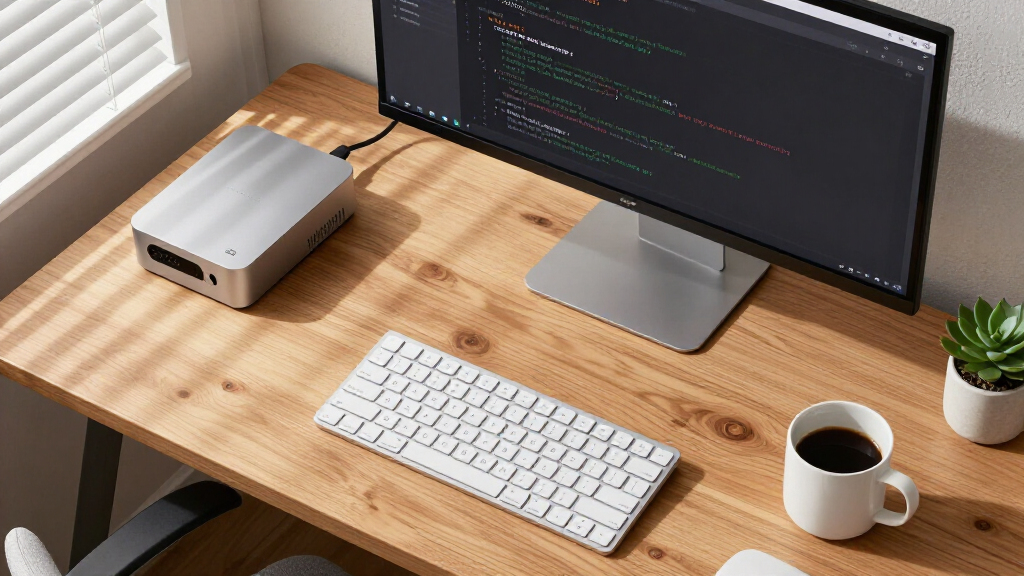
I evaluated each mini PC based on performance, expandability, connectivity, build quality, and value for developers and home lab users. Prioritizing processors capable of multitasking, virtualization, and development workloads was key. I also considered user upgrade paths, port selection, and size constraints, ranking products that strike a balance between power and compactness. The scoring reflects how well each model meets the needs of tech enthusiasts who require reliable, versatile, and future-proof systems while remaining space-efficient.| mini pc for developers and home lab | Display Support |
|---|---|
| GEEKOM A6 Mini PC with Ryzen 7 | — |
| GEEKOM A6 Mini PC | Quad 4K monitors |
| Glorlin Mini PC Ryzen 7 6800H | Triple 4K |
| MINISFORUM MS-01-S1260 Mini PC | — |
| KAMRUI Pinova P2 Mini PC | Triple 4K |
| MINISFORUM AI X1-255 Mini PC w | — |
| Dell OptiPlex 7050 Micro Compu | Supports dual 4K monitors |
| BOSGAME E5 11 Pro Mini PC | — |
| Getorli Mini PC Ryzen 5 3501U | Triple display via HDMI, USB-C |
Factors to Consider When Choosing Best Mini Pc For Developers And Home Labs
Choosing the right mini PC for development and home labs involves several key considerations. Beyond raw specs, understanding expandability, connectivity, and form factor can save you money and headache down the line. It’s important to weigh initial costs against long-term flexibility, especially if you plan to run multiple virtual machines or servers. The following factors will help you identify the best fit for your specific needs.Performance and CPU Power
For development work, a capable CPU is non-negotiable. Multi-core processors like AMD Ryzen 7 or Intel Core i5/i7 variants provide the power needed for compiling code, running virtual machines, and multitasking. Beware of overly low-tier CPUs, which can bottleneck your workflow. When choosing, consider whether your tasks demand sustained high performance or occasional bursts, and select a processor that balances power with energy efficiency.
Expandability and RAM
Most mini PCs have limited internal upgrade options, so prioritize models with accessible RAM slots and storage bays. Developers running multiple VMs or containers benefit from 16GB or more, with 32GB being ideal for heavy workloads. Avoid models with soldered RAM if future expansion is likely. Also, check whether storage can be upgraded easily, especially if you plan to store large datasets or projects locally.
Connectivity Options
Network and display connectivity are critical in a lab environment. Multiple LAN ports, Wi-Fi 6, and Bluetooth 5.0+ ensure fast and reliable access. For multi-monitor setups, look for mini PCs supporting triple 4K displays or at least dual outputs. Ensure ports like USB-C and Thunderbolt are available for high-speed peripherals, as these can streamline your workflow and reduce cable clutter.
Size and Form Factor
While smaller is often better for saving space, it can limit ports and upgradeability. Larger mini PCs tend to offer more expansion options but may not fit in tight spaces. Consider your workspace constraints and whether you need portability or a fixed setup. Some models strike a good balance, offering compactness without sacrificing too many features.
Price and Long-Term Value
High-performance mini PCs typically cost more upfront but can reduce the need for future upgrades. Cheaper options may save money initially but could fall short for demanding workloads or lack upgrade paths. Assess your budget against your performance needs, and remember that investing in a more capable system now can pay off over years of productive use.
Frequently Asked Questions
Can a mini PC handle virtualization for multiple virtual machines?
Many mini PCs with high-core CPUs like the Ryzen 7 6800H or Intel Core i5/i7 support virtualization well, especially when paired with 16GB or more RAM. However, the key is to check if the model allows RAM and storage upgrades, as virtual machines require dedicated resources. For intensive virtual environments, prioritize models with robust CPUs, ample RAM, and multiple network ports to ensure smooth operation.
Is it better to buy a mini PC with integrated GPU or dedicated GPU for development tasks?
Most mini PCs for development rely on integrated GPUs, which are sufficient for coding, compiling, and running VMs. If your development involves graphics-intensive work or gaming, then a model with a dedicated GPU or a powerful integrated one like Radeon 680M can be advantageous. Keep in mind, dedicated GPUs increase power consumption and cost, so choose based on your specific workload.
How important is expandability in a mini PC for a home lab?
Expandability is often overlooked but can extend the life of your mini PC significantly. Look for models with accessible RAM slots, multiple M.2 slots, and additional PCIe options if possible. This flexibility allows you to upgrade storage and memory over time, avoiding the need for a complete replacement as your lab’s demands grow.
What should I prioritize: size or performance?
It depends on your workspace and use case. If space is tight, a compact model that still offers decent performance can be a good choice. However, if your workload demands high CPU and GPU power, sacrificing some size for better specs might be necessary. Balance your need for space savings with the performance required to get your work done efficiently.
Is a pre-built mini PC better than a DIY build for a home lab?
Pre-built mini PCs offer convenience and warranty support, making them suitable for users who prefer a plug-and-play setup. DIY builds can be tailored exactly to your needs, with more flexibility for upgrades and customization. However, they require more technical knowledge and time investment. For most users focused on stability and ease, a quality pre-built model is often the better choice.
Conclusion
For general development and home lab use, the GEEKOM A6 with Ryzen 7 6800H offers a balanced mix of power, expandability, and compact design, making it the best overall pick. If you’re working within a tighter budget but need reliable multitasking, the KAMRUI Pinova P2 provides excellent value for less demanding workloads. For those seeking maximum performance and future-proofing, the MINISFORUM AI X1-255 with Wi-Fi 7 and DDR5 RAM stands out as a premium choice. Beginners or casual users should lean toward models with straightforward setup, while advanced users should prioritize expandability and connectivity features to build a versatile home lab.
As an affiliate, we earn on qualifying purchases.Fall Picks
fall essentials