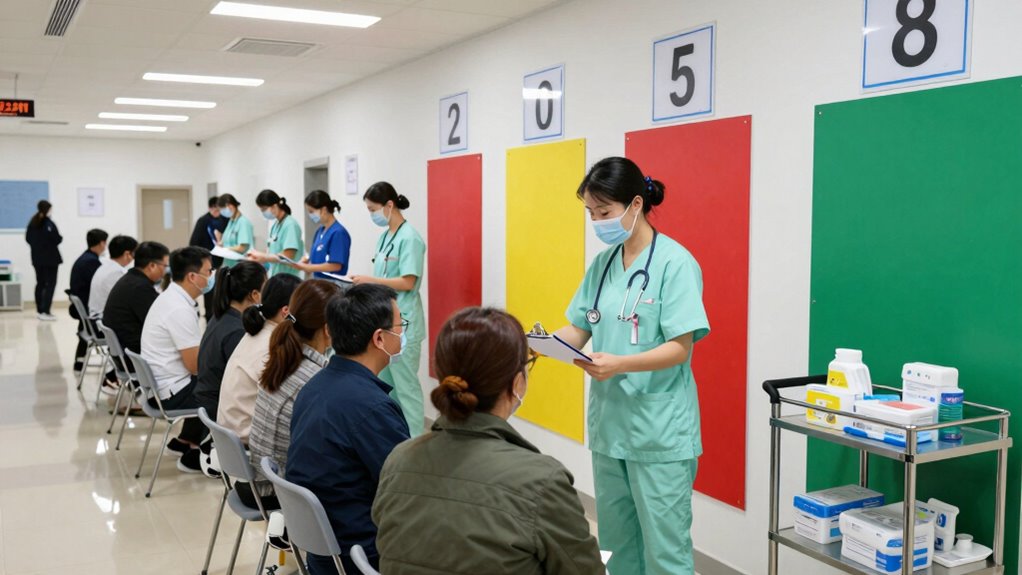

To prioritize support tickets in 10 minutes, implement a clear 3-level triage system: Level 1 for urgent issues disrupting operations, Level 2 for important but less critical problems, and Level 3 for minor inquiries. Quickly assess each ticket based on established criteria, communicate transparently, and use automated tools to streamline decisions. Mastering these steps helps you respond faster and allocate resources effectively—continue exploring to discover how to optimize your triage process even further.
Key Takeaways
- Establish clear triage criteria for Level 1 (urgent), Level 2 (important), and Level 3 (minor) issues.
- Train support staff to assess and categorize issues within 10 minutes using standardized protocols.
- Use visual and diagnostic standards to quickly determine issue severity and appropriate escalation level.
- Leverage automation tools and secure infrastructure, like European cloud solutions, to streamline triage processes.
- Regularly review triage outcomes to refine criteria, ensuring quick, accurate prioritization and efficient resource allocation.
Impresario Medical PATIENT CHECK IN Software Single PC for Windows 7,8,10,11 | Paperless Check In and Check Out for a Medical or Dental Practice or Clinic | Patient Register Log for Patient Sign In.
As an affiliate, we earn on qualifying purchases.
As an affiliate, we earn on qualifying purchases.
How to Use a 3-Level Support Ticket Triage System to Prioritize Quickly
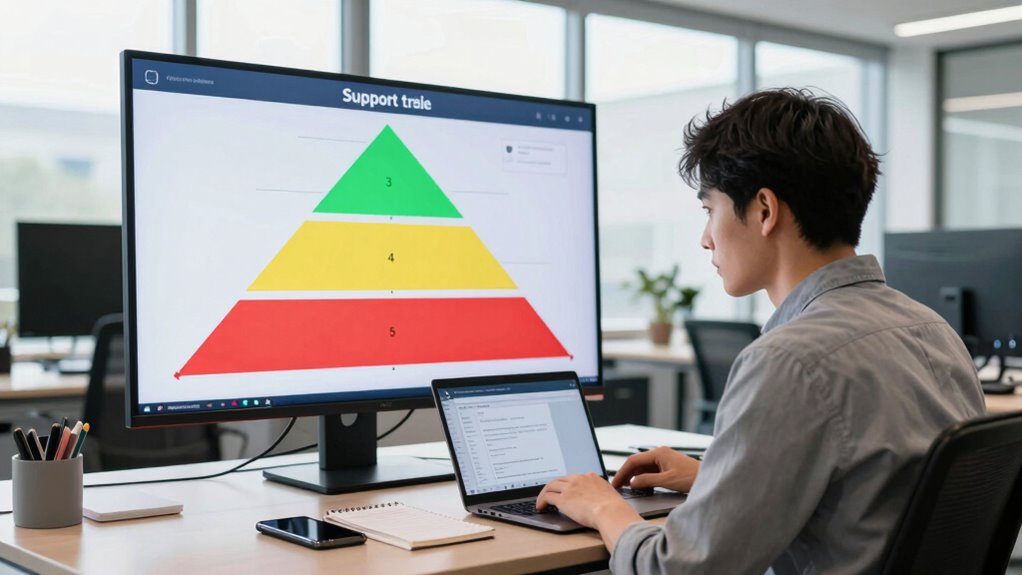
Implementing a 3-level support ticket triage system helps you prioritize issues efficiently from the start. You can quickly identify critical problems that need immediate attention by establishing clear escalation protocols for each level. For example, high-priority tickets requiring urgent resolution should escalate automatically, ensuring swift action. Incorporate customer feedback to refine your triage process, identifying common pain points and adjusting criteria accordingly. This approach prevents bottlenecks and keeps your team focused on the most impactful issues. By categorizing tickets into levels—such as urgent, important, and low priority—you streamline workflow and reduce response times. Consistently applying escalation protocols guarantees consistency, so your support team knows exactly when and how to escalate, leading to faster resolutions and happier customers. Leveraging European cloud innovation can further enhance your support infrastructure by integrating sustainable and secure solutions that meet modern demands. Additionally, adopting support automation tools can help maintain efficiency as your support volume grows.

4-Pack Stainless Steel Receipt Spike & Ticket Holder – 5.5 Inch Rustproof Bill Fork for Home, Restaurant, Office – Heavy Duty Ticket Stabber & Receipt Holder Organizer
【Sturdy Stainless Steel Receipt Spike】Made of high-quality rustproof stainless steel, this 5.5-inch receipt spike resists bending and corrosion….
As an affiliate, we earn on qualifying purchases.
As an affiliate, we earn on qualifying purchases.
Clear Criteria for Each Triage Level and When to Apply Them
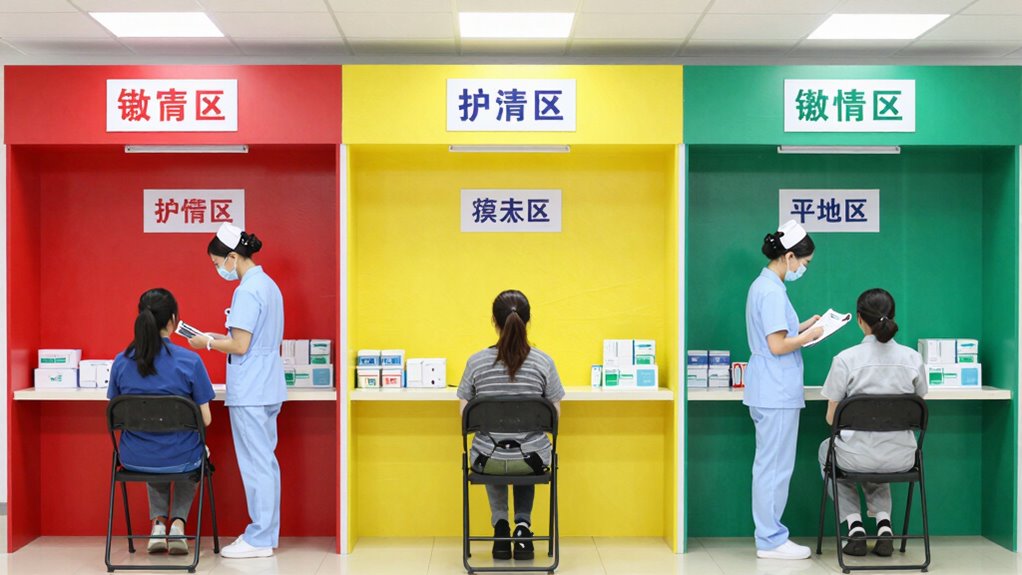
Once you’ve established a triage system, defining clear criteria for each level guarantees your team can consistently prioritize tickets. For Level 1, assign urgent issues that threaten customer operations or involve safety, requiring immediate attention and priority escalation. Level 2 covers important but less critical problems that impact the customer’s experience, scheduled for prompt response. Level 3 includes minor issues or general inquiries, handled in routine workflows. When applying these criteria, communicate transparently with customers to set realistic expectations, especially for lower levels. Clear criteria help your team avoid guesswork, ensure consistent prioritization, and improve customer communication. Properly applying these guidelines guarantees urgent issues are addressed swiftly, while less critical tickets are managed efficiently without unnecessary delays. Additionally, understanding triage levels supports effective resource allocation and response times, and establishing a prioritization framework ensures clarity across your support team. Recognizing the role of contrast ratio in image quality can also guide your team’s understanding of issue severity in visual display problems. Incorporating visual clarity standards can further enhance diagnostic accuracy in visual-related issues.
Trainers Warehouse RSVP – Challenging Assumptions: Creative Problem Solving Activity for Team Building, Leadership Training, and Innovation Workshops – Includes Puzzles & Facilitator Guide
Boost Creative Problem Solving in Minutes – This fast-paced activity (10–20 min) helps teams uncover hidden assumptions, spark…
As an affiliate, we earn on qualifying purchases.
As an affiliate, we earn on qualifying purchases.
How to Implement the System and Train Your Support Team for 10-Minute Triage
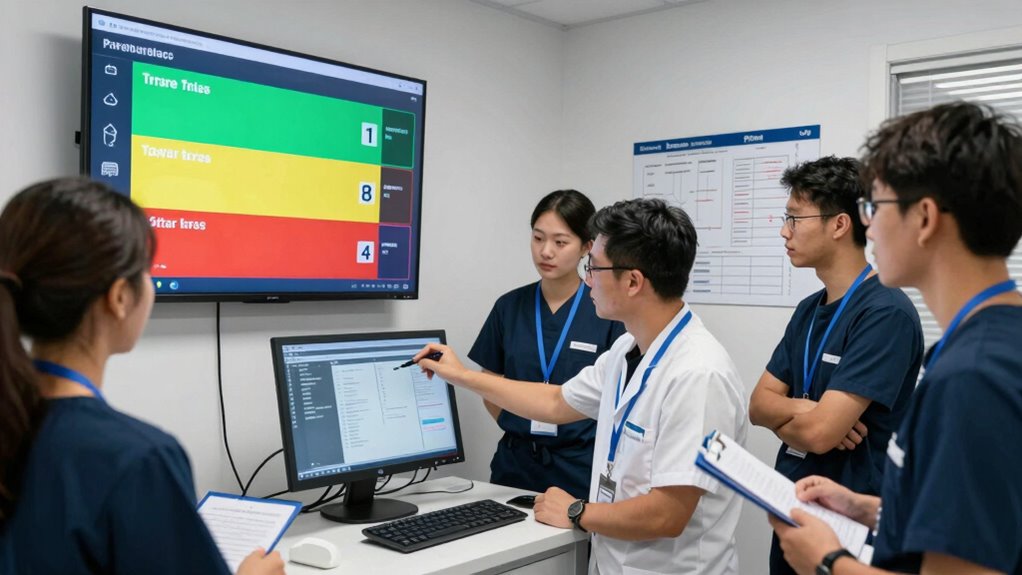
To effectively train your support team for 10-minute triage, start by clearly communicating the established criteria for each priority level and emphasizing the importance of quick, accurate assessment. During team onboarding, guarantee everyone understands the triage process, including how to recognize urgent issues versus lower-priority tickets. Incorporate training on escalation procedures so team members know when and how to escalate cases promptly, avoiding delays. Use role-playing and real-life scenarios to reinforce decision-making skills within the time frame. Regularly review triage outcomes and gather feedback to refine your system. Additionally, understanding the concept of Free Floating can help team members better adapt to diverse situations without rigid adherence to fixed procedures. Recognizing Infection Risks and Prevention as part of the triage process can also improve overall efficiency by prioritizing cases that require immediate attention and ensuring proper handling. Incorporating Market Knowledge about relevant industry standards can assist your team in making more informed triage decisions. By providing clear guidelines and emphasizing quick action, you empower your team to efficiently categorize tickets and escalate issues when necessary, maintaining a smooth and effective triage process.

FOXWELL NT301 OBD2 Scanner Live Data Professional Mechanic OBDII Diagnostic Code Reader Tool for Check Engine Light
【Read Fault Codes】About the read code funtion needs to be in the ignition on state and if the…
As an affiliate, we earn on qualifying purchases.
As an affiliate, we earn on qualifying purchases.
Frequently Asked Questions
How Can I Customize Triage Levels for Different Support Scenarios?
You can customize triage levels by defining clear priority classifications based on your support scenarios. Start by establishing scenario-specific criteria, such as urgency, impact, and complexity, to differentiate each level effectively. Adjust these criteria for different support types, ensuring that each triage level accurately reflects the urgency and resources needed. Regularly review and update your classification system to stay aligned with evolving support needs and maintain efficient response times.
What Common Pitfalls Should I Avoid When Implementing the Triage System?
When implementing your triage system, avoid overgeneralization by customizing levels for specific scenarios instead of applying a one-size-fits-all approach. Neglecting proper training can lead to misclassification and delays, so guarantee your team is well-trained on criteria. Regularly review and adjust your process based on feedback, and don’t rush the setup—careful planning and clear guidelines prevent common pitfalls.
How Do I Handle Urgent Issues That Don’T Fit Existing Criteria?
When urgent issues don’t fit existing criteria, you should follow clear escalation procedures to guarantee swift action. Train your staff to recognize these situations and empower them to escalate accordingly. Regular staff training keeps everyone prepared for unexpected cases, reducing delays and confusion. By establishing a well-defined escalation protocol and ongoing training, you ensure that urgent issues are addressed promptly, even when they fall outside standard triage categories.
What Tools Best Support Rapid Triage in High-Volume Environments?
You should use tools with automated categorization to quickly sort incoming issues, guaranteeing urgent problems are prioritized. Real-time dashboards give you a clear overview of support volume and triage status, enabling swift decision-making. These tools help handle high-volume environments efficiently by reducing manual effort and speeding up response times. Combining automated categorization with real-time dashboards streamlines your triage process and ensures critical issues get immediate attention.
How Often Should the Triage Criteria Be Reviewed and Updated?
They say, “Forewarned is forearmed,” so you should review your triage criteria regularly. Typically, update your criteria review frequency every 3 to 6 months, or sooner if there are significant changes in your support environment. Staying proactive guarantees your triage system remains effective, accurate, and aligned with current demands. Consistent updates keep your team prepared and your support process swift, especially during high-volume periods.
Conclusion
By mastering this 3-level triage system, you’ll be like a skilled captain steering stormy seas, swiftly guiding urgent issues to the forefront while calmly addressing lower priorities. With clear criteria and proper training, you’ll turn support chaos into streamlined efficiency—saving time and delighting your users. Remember, just as a lighthouse guides ships safely home, your quick, confident triage keeps your support team on course and your customers happy.