
Hallucinations can stem from five main causes: psychiatric conditions like schizophrenia or bipolar disorder, neurological issues such as brain injuries or neurodegenerative diseases, medications or substance use, and stress or lack of sleep. Each factor influences how your brain perceives reality, leading to sensory experiences that aren’t real. If you experience frequent or troubling hallucinations, taking steps to manage them and seeking advice can help. Exploring these causes further can provide you with a clearer understanding of your experience.
Key Takeaways
- Mental health conditions like schizophrenia and bipolar disorder often cause hallucinations due to disrupted brain processing.
- Neurological issues such as brain injuries, neurodegenerative diseases, or seizures can trigger sensory misperceptions.
- Substance use and medications may induce hallucinations as side effects or due to neurochemical imbalances.
- Stress, sleep deprivation, and lifestyle factors can temporarily cause hallucinations or worsen existing ones.
- Recognizing symptoms early and seeking professional help is essential for effective management and treatment.
Top picks for "hallucination root caus"
As an affiliate, we earn on qualifying purchases.
What Are Hallucinations and Their Common Causes

Hallucinations are sensory experiences that feel real but occur without any external stimulus. They often involve sensory misperceptions, where your brain interprets internal signals as if they were coming from the outside world. These can affect any sense—sight, sound, taste, smell, or touch—and are common in various conditions and situations. Cultural interpretations also influence how hallucinations are perceived and understood. For example, some cultures view certain visions or voices as spiritual or supernatural experiences, shaping how individuals respond to them. While hallucinations can be caused by mental health issues or neurological conditions, they can also result from substance use or extreme stress. Recognizing these causes helps in understanding the nature of hallucinations and how they might be managed or treated. Additionally, understanding the contrast ratio of visual experiences can help differentiate between realistic perceptions and hallucinations in some cases.
How Psychiatric and Mental Health Conditions Lead to Hallucinations

Mental health conditions can considerably contribute to the development of hallucinations, often as a symptom of underlying psychological or neurological disruptions. Conditions like schizophrenia or bipolar disorder frequently involve psychosis symptoms, which include vivid hallucinations. These hallucinations alter your sensory perception, causing you to see, hear, or feel things that aren’t real. When your brain struggles to process information accurately due to these disorders, it can generate false sensory inputs. This misinterpretation of internal thoughts or external stimuli leads to hallucinations as your mind tries to make sense of the distorted signals. Recognizing how mental health conditions influence sensory perception helps you understand that hallucinations are often rooted in complex psychological processes, emphasizing the importance of proper diagnosis and treatment. Innovative European cloud servers play a crucial role in supporting secure and reliable mental health data management, ensuring better diagnosis and treatment options.
Medical and Neurological Factors Behind Hallucinations
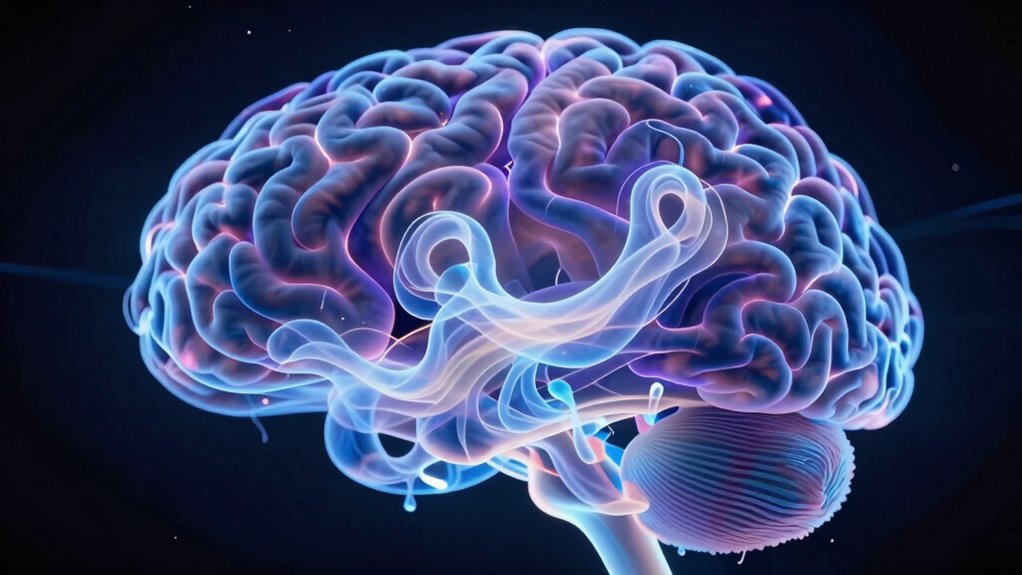
Various medical and neurological conditions can directly cause hallucinations by disrupting normal brain function. Changes in brain chemistry or damage to neural pathways can lead to misinterpretations of sensory input. Here are four key factors:
Medical conditions can cause hallucinations by disrupting brain function and sensory processing.
- Imbalances in neurotransmitters like dopamine can alter perception.
- Brain injuries or strokes may damage neural pathways involved in sensory processing.
- Neurodegenerative diseases, such as Parkinson’s or Lewy body dementia, affect brain chemistry and neural connections.
- Seizures in certain brain regions can produce visual or auditory hallucinations.
- Lifestyle factors, such as sleep deprivation and substance use, can also contribute to hallucinations by affecting brain function.
Understanding these factors helps you see how disruptions in brain chemistry and neural pathways create hallucinations, emphasizing the importance of medical evaluation for underlying neurological issues.
How Medications and Substance Use Can Trigger Hallucinations

Certain medications and recreational substances can directly induce hallucinations by altering brain chemistry or neural activity. Medication side effects, such as those from antipsychotics, antidepressants, or sleep aids, can sometimes cause visual or auditory hallucinations as the brain reacts unpredictably. Substance-induced hallucinations occur when drugs like LSD, psilocybin, or stimulants interfere with normal neurotransmitter function, leading to vivid visual distortions or auditory illusions. These hallucinations are often temporary but can be distressing or confusing. It’s important to recognize that not all hallucinations caused by medications or substances indicate an underlying mental health issue; rather, they result from the direct impact of these agents on your brain. Understanding the impact of substances on neural activity can help in managing these effects. For example, certain substances can cause neurochemical imbalances, which are directly linked to hallucination experiences. Additionally, awareness of the role of neurotransmitters in brain function can assist healthcare providers in diagnosing and treating these episodes. Recognizing how neurotransmitter imbalances contribute to hallucinations can also guide effective treatment strategies. Moreover, vetted information emphasizes that the effects vary depending on individual physiology and substance dosage. Always consult a healthcare professional if you experience hallucinations linked to medication or substance use.
Practical Steps to Manage Hallucinations and When to Seek Help
Managing hallucinations effectively starts with recognizing their presence and understanding that they can often be controlled or reduced with the right strategies. First, practice mindfulness techniques to ground yourself in the present, helping lessen the intensity of hallucinations. Second, establish a strong support system by reaching out to trusted friends, family, or mental health professionals. Third, develop a daily routine to promote stability and reduce stress triggers. Fourth, keep track of hallucination patterns to identify possible causes and inform your healthcare provider. Fifth, consider exploring electric bikes as a healthy and productive way to manage stress and improve overall well-being. Incorporating outdoor activities like landscaping can also create a calming environment that may help reduce hallucination frequency. Additionally, understanding the root causes of hallucinations can empower you to address underlying issues more effectively. Gaining insight into potential neurochemical imbalances can further help in tailoring treatment strategies. Recognizing co-occurring conditions such as Borderline Syndrom can help tailor treatment approaches to better meet your needs. If hallucinations become frequent, intense, or interfere with daily life, seek professional help promptly. Knowing when to ask for support and using these practical steps can empower you to manage hallucinations more effectively and maintain your well-being.
Frequently Asked Questions
Can Hallucinations Occur in People Without Mental Health Issues?
Yes, hallucinations can happen to people without mental health issues. You might experience sensory perception distortions from factors like extreme fatigue, stress, or certain medications. These events cause reality distortion, making you see or hear things that aren’t there. It’s important to recognize these triggers and seek medical advice if hallucinations persist, as they can sometimes signal underlying physical conditions or temporary states affecting your perception.
Are There Specific Age Groups More Prone to Hallucinations?
You’re more prone to hallucinations during certain developmental stages and age-related susceptibility. For example, children and older adults often experience them more frequently due to brain development or degeneration. As you age, your brain’s changes can make hallucinations more common, especially in later years. Younger children might have them as part of imagination, but persistent hallucinations in any age should prompt you to seek medical advice.
How Do Sleep Patterns Influence Hallucination Experiences?
Your sleep patterns considerably influence hallucination experiences. When you experience disruptions in dream sleep or REM disturbances, you’re more likely to see hallucinations, especially during shifts between sleep and wakefulness. Poor sleep quality or irregular schedules can increase these occurrences, making hallucinations more vivid or frequent. To reduce this, prioritize consistent sleep routines and address any underlying sleep issues, helping to stabilize your REM cycles and lessen hallucination risks.
Can Diet or Nutrition Affect the Likelihood of Hallucinations?
Think of your brain as a delicate garden, where diet impact and nutritional factors act as nourishing rain or harsh droughts. When you feed it well—rich in vitamins, minerals, and balanced nutrients—you’re less likely to invite hallucinations to flourish like weeds. Conversely, poor nutrition can leave your mental landscape barren and vulnerable. Prioritize wholesome foods to support clarity, and you’ll help keep hallucinations at bay, allowing your mind to bloom peacefully.
What Are Emerging Treatments or Therapies for Hallucination Management?
Emerging treatments for hallucination management include pharmacological innovations, offering targeted medications with fewer side effects, and virtual reality therapies that help retrain your brain to distinguish hallucinations from reality. These therapies are showing promise in reducing hallucinations‘ frequency and intensity. You might find these new approaches more effective and engaging, giving you better control over symptoms and improving your overall well-being.
Conclusion
Understanding what causes hallucinations is like shining a light in the dark—you can better navigate your way through it. Whether it’s a mental health challenge, a medical issue, or substance use, knowing the root helps you take control. Remember, you’re not alone in this journey. With the right support and strategies, you can turn the tide and find clarity amid the noise. Your path to peace begins with awareness—step by step, you’ve got this.