
📊 Full opportunity report: The Memory Squeeze: Why Your RAM Bill Doubled on ThorstenMeyerAI.com — validation score, market gap, and execution plan.

Get tech for your team delivered free — and shop member deals
- Fast, free delivery on millions of items
- Access to Prime Big Deal Days deals on October 6–7
- Prime Video, Amazon Music and more included
TL;DR
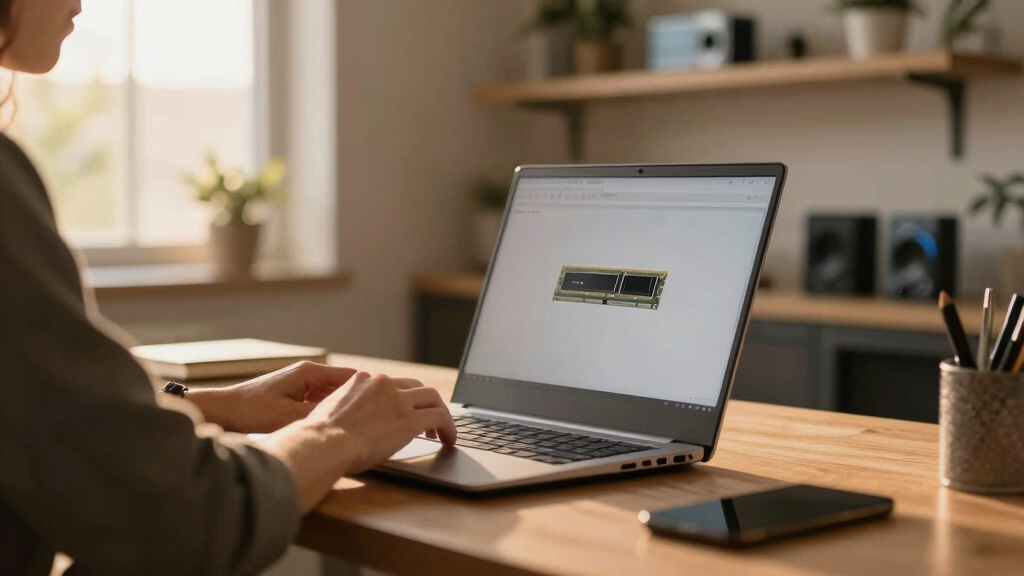
DRAM prices have roughly doubled in 2026 due to a strategic shift by manufacturers toward AI-related products. This has led to shortages and increased costs for consumer RAM, impacting PC builds and pricing.
DRAM prices have doubled or more in 2026, driven by a strategic shift among the world’s leading memory manufacturers toward AI hardware. This development is causing widespread shortages and significant price hikes for consumer RAM and PC components, affecting the entire supply chain.
Over the first half of 2026, the cost of 32GB DDR5 RAM kits has surged from about $80–$120 in 2025 to over $370, with some 64GB kits exceeding $600. According to industry sources, DRAM prices have increased roughly 90% in the first quarter alone, making memory the most expensive component in many PC builds. HP reported that memory now accounts for approximately 35% of build costs, up from 15–18% earlier in 2026.
The core of the crisis lies in the manufacturing shift: Samsung, SK Hynix, and Micron, which produce nearly all global DRAM, are redirecting wafer capacity from consumer DDR5 to High Bandwidth Memory (HBM), used in AI accelerators like Nvidia GPUs. HBM commands three to five times the profit per wafer compared to DDR5, incentivizing this reallocation. This shift is compounded by the physics of wafer efficiency; HBM consumes three to four times more wafer area per bit, reducing overall supply of consumer-grade DRAM.
Unlike past shortages that eased with increased capacity, this one persists because of deliberate prioritization of high-margin AI memory. New fab expansions are years away, and current supply management strategies favor scarcity to maintain record margins. Major buyers, including hyperscalers and enterprise customers, have placed large, long-term contracts, further constraining supply for consumer markets.
Why your RAM bill doubled
“Doubled” is the polite version — consumer DRAM is running 3–6× its 2024 lows. The boom-bust cycle that always brought cheap RAM back isn’t coming this time, because the factories that make your RAM now make something far more profitable instead.
HBM
This is the quiet tax on the whole AI era. Relief isn’t forecast before 2028, and even then prices may settle 30–50% above pre-crisis levels. Buy what you genuinely need now; don’t panic-buy capacity you won’t use. You can’t out-wait the fab math — but, as this series will show, you can shrink what you need. Next: HBM Ate the Fab.
Impact on Consumer Electronics and Market Dynamics
This shift has profound implications for consumers and the broader tech industry. The doubling of RAM prices raises costs for PC builders, increases prices for laptops and desktops, and limits availability of affordable memory modules. It also signals a fundamental change in the memory market, where AI hardware priorities are reshaping supply and pricing strategies. The scarcity may lead to increased counterfeit modules and further supply chain disruptions, affecting a wide range of electronics and enterprise systems.
As an affiliate, we earn on qualifying purchases.
Historical Trends and Industry Capacity Changes
Historically, memory shortages have been temporary, resolved by building new fabs and flooding the market with supply, which then led to price declines. However, in 2026, the industry is actively choosing to reallocate wafer capacity toward AI hardware, which yields higher profits and is physically less efficient. The three dominant DRAM producers—Samsung, SK Hynix, and Micron—control approximately 95% of the market and have historically coordinated capacity and pricing, though no collusion is proven this time. The demand for AI accelerators continues to grow rapidly, further driving this reallocation.
While new capacity expansions are planned for 2027–2028, the physical and economic realities mean supply cannot catch up quickly. Meanwhile, large buyers have secured multi-year contracts, limiting the ability of the market to adjust naturally through increased supply.
“Memory has ballooned to about 35% of our build materials, up from less than 20% earlier this year, reflecting the increased cost and scarcity.”
— HP spokesperson
As an affiliate, we earn on qualifying purchases.
Unresolved Questions About Market Manipulation and Future Supply
While current explanations focus on economic incentives and physical constraints, it remains unclear whether any collusion or coordination influences the ongoing scarcity. Additionally, the timeline for new capacity to alleviate shortages is uncertain, with expansions not expected to produce significant volume until 2027–2028. The full impact of long-term contracts and potential market interventions also remains to be seen.
As an affiliate, we earn on qualifying purchases.
Expected Developments in Memory Market and Industry Response
Manufacturers are likely to continue prioritizing high-margin AI memory, with new fabs coming online around 2027–2028. Consumers and PC builders should prepare for sustained high prices and limited supply in the near term. Industry analysts will monitor whether additional capacity expansions or technological innovations can mitigate the shortage, but the current trend suggests persistent scarcity until new supply is operational.
As an affiliate, we earn on qualifying purchases.
Key Questions
Will memory prices return to normal soon?
It is unlikely in the near term, as the primary driver is a deliberate capacity shift toward AI hardware, with new capacity not expected until 2027–2028.
How is this affecting PC and laptop prices?
Prices for RAM modules and devices are rising, with some manufacturers raising prices by 50% or more due to scarcity and cost increases.
Are shortages limited to consumer RAM?
No, shortages are affecting enterprise memory and AI hardware as well, with large contracts and supply constraints impacting multiple segments.
Could this lead to increased counterfeit memory modules?
Yes, scarcity and high prices are already leading to the appearance of counterfeit modules in the market.
What can consumers do to mitigate the impact?
Consumers should anticipate higher prices and limited availability; purchasing in advance or considering alternative configurations may help, but shortages are expected to persist.
Source: ThorstenMeyerAI.com
Halloween Picks
halloween
As an affiliate, we earn on qualifying purchases.