TL;DR

Get business pricing on tech for your team
- Business-only prices and quantity discounts
- Tax-exempt purchasing
- Multiple users, one account, clear invoices
Innovative smartphone technologies now enable users to objectively measure tooth shade during home whitening. These tools use guided lighting and camera calibration to track progress, potentially transforming the DIY dental care market. Validation against dentist standards is underway to confirm accuracy.
Smartphone technologies that use guided lighting and calibration are being developed to objectively measure tooth shade during home whitening, offering a new way for consumers to track progress and select products. This innovation addresses a long-standing challenge in the DIY dental care market, where users rely on subjective visual assessments.
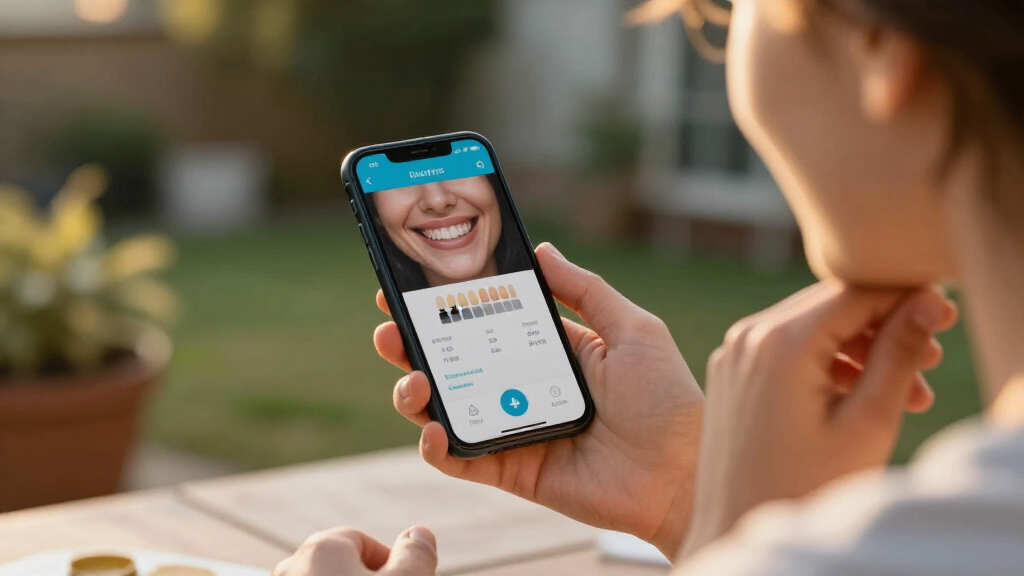
The new approach involves a guided-lighting photo flow within smartphone apps that captures images of teeth and scores their color against the dental shade scale. These scores can be plotted over time, allowing users to see measurable improvements from whitening products such as strips, trays, or LED kits. The system also provides personalized recommendations based on data from similar users, enhancing the effectiveness of home whitening routines.
According to sources familiar with the development, the core technology leverages advancements in smartphone camera calibration and lighting control to approximate the shade-matching accuracy traditionally performed by dentists using VITA shade guides. The developers plan to validate the system by benchmarking app scores against dentist readings in a study involving fifty users, aiming for a strong correlation that can support product recommendations and user confidence.
Revenue models are expected to include subscriptions for ongoing tracking and affiliate commissions from recommended whitening products that demonstrate measurable shade improvements. The market focus is on consumer oral-care and beauty tech, with potential for significant growth as consumers seek more objective, data-driven approaches to home whitening.
Impact on Consumer Teeth Whitening Practices
This technology could significantly improve the accuracy and confidence of consumers performing DIY teeth whitening. By providing objective, measurable data, users can better assess product effectiveness, avoid unnecessary cycling through ineffective options, and optimize their routines. Additionally, the system could reduce the guesswork that often leads to overuse or misuse of whitening products, potentially improving safety and results.
For the industry, this innovation introduces a measurement layer that could become standard in home dental care, similar to how fitness trackers transformed personal health monitoring. It also opens new revenue streams for app developers and product brands through subscriptions and affiliate sales, aligning consumer interests with product efficacy.
smartphone tooth shade matching app
As an affiliate, we earn on qualifying purchases.
As an affiliate, we earn on qualifying purchases.
Advances in Smartphone-Based Dental Measurement
Traditionally, tooth shade matching has relied on subjective visual assessments or costly professional equipment used in dental offices. The VITA shade guide remains the gold standard for dentists but is impractical for at-home use. Recent technological advances in smartphone camera calibration and guided lighting have made it possible to approximate these professional assessments in a consumer setting.
Several startups and tech companies are exploring or developing apps that use these capabilities to help users track whitening progress objectively. Early prototypes have shown promising correlation with dentist readings, though large-scale validation studies are still in progress. The timing aligns with a broader trend toward personalized, data-driven health and beauty solutions.
While some skepticism remains about the precision of smartphone-based shade scoring, the market size for home whitening and beauty tech supports further investment and development. Validating these tools against established dental standards remains a critical step before widespread adoption.
“The guided-lighting photo flow can approximate professional shade matching with sufficient calibration, opening new possibilities for at-home dental care.”
— an anonymous researcher
As an affiliate, we earn on qualifying purchases.
Validation and Accuracy of Smartphone Shade Scores
It is not yet confirmed how closely the app’s shade scores will match professional dentist readings, though validation studies are ongoing. The accuracy and reliability of the technology in diverse lighting conditions and for different tooth shades remain to be fully established.
Further research is needed to determine whether the technology can consistently produce results that influence consumer decisions and product recommendations effectively.
DIY teeth whitening calibration device
As an affiliate, we earn on qualifying purchases.
As an affiliate, we earn on qualifying purchases.
Upcoming Validation Studies and Market Rollout
Developers plan to complete validation studies benchmarking app scores against dentist VITA readings in the coming months. If results are favorable, a wider rollout of the app with integrated product recommendations and subscription options could follow within the next year.
Additional features, such as historical tracking and personalized advice, are also under development to enhance user engagement and efficacy. Industry observers will watch closely to see if the technology gains regulatory approval or endorsement from dental professionals.
As an affiliate, we earn on qualifying purchases.
Key Questions
How accurate are smartphone-based tooth shade measurements?
While initial prototypes show promising correlation with dentist readings, full validation results are still pending. Accuracy depends on calibration, lighting conditions, and the specific app used.
Can this technology replace professional dental shade matching?
Currently, it is intended as a supplementary tool for home use. It is not yet confirmed whether it can fully replace professional assessments, which remain the gold standard.
Will this technology help me choose better whitening products?
Yes, if validated, the app could recommend products based on measurable improvements, helping users select the most effective options and avoid unnecessary product cycling.
When will these tools be available for consumers?
Development is ongoing, with validation studies expected to conclude within the next few months. A commercial release could follow shortly after if results are positive.
Are there privacy concerns with using smartphone apps for dental measurements?
As with any health-related app, users should review privacy policies. Proper data handling and security measures are essential for consumer trust and compliance.
Source: IdeaNavigator AI
Halloween Picks
halloween
As an affiliate, we earn on qualifying purchases.