🔍 Read the full analysis: Transforming History With AI: The La Citadelle Siege Of 1693 In Digital Archive on ThorstenMeyerAI.com
TL;DR
An AI-powered digital archive has launched an interactive simulation of the 1693 siege of La Citadelle. This project uses layered SVGs, CSS, and canvas to recreate the event visually, offering a new way to explore historical battles. The exhibit aims to enhance educational access to military history through innovative technology.
An AI-driven interactive exhibition has been launched that vividly reconstructs the 1693 siege of La Citadelle, a historic fortress in Montfaucon. This digital project, developed through a sophisticated process of layered SVGs, CSS, and canvas elements, offers viewers a cinematic, explorable experience of the military event. For a detailed analysis, see the original analysis. The exhibit aims to transform how history is visualized and understood, making complex siege tactics accessible to a broad audience.
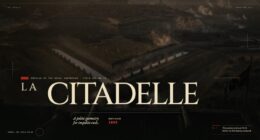
The project, titled La Citadelle — An Anatomy of Siege, 1693, is hosted on a dedicated online platform that features a dynamic, scroll-driven diagram illustrating the terrain, fortifications, and troop movements during the historic siege. More details can be found in Glimpse: La Citadelle. It employs AI to analyze and critique its visual coherence, responsiveness, and historical plausibility, ensuring a high level of fidelity. The entire experience is built without static images, relying solely on layered SVGs, CSS animations, and canvas trajectories to simulate earthworks, artillery fire, and troop sorties in real time. Learn more in Glimpse: La Citadelle.
According to an anonymous researcher involved in the project, the initiative follows a three-stage workflow: initial construction, iterative critique driven by AI analysis, and final approval by an art director. The design emphasizes historical accuracy, aesthetic restraint, and emotional depth, with a carefully curated color palette and typography that evoke archival gravitas. The site’s signature interaction involves animated siege maps, where each layer—such as trenches, fortifications, and trajectories—is animated through JavaScript functions, creating a cinematic tableau of the siege’s progression over days.
Why This Digital Reconstruction Matters for History
This project represents a significant advancement in digital humanities, demonstrating how AI can facilitate immersive, accurate, and engaging reconstructions of complex historical events. It provides educators, students, and history enthusiasts with an accessible tool that combines artistic storytelling with rigorous historical detail. By visualizing military tactics and terrain dynamically, the exhibit offers new insights into siege warfare and fortification design, potentially influencing future digital history projects and educational methods.
Furthermore, the use of AI critique and layered visual architecture ensures that the reconstruction maintains a high level of fidelity and responsiveness across devices. This innovation could set a precedent for future interactive history exhibits, expanding the possibilities for digital storytelling and public engagement with the past.
interactive historical battle simulation
As an affiliate, we earn on qualifying purchases.
As an affiliate, we earn on qualifying purchases.
Historical Background of the 1693 Siege of La Citadelle
The siege of La Citadelle in 1693 was a pivotal event during a series of military conflicts in the late 17th century, involving European powers contesting control over strategic fortresses in the region. La Citadelle, a star-shaped fortress built with bastioned geometry, was a key defensive position in Montfaucon. The siege involved coordinated artillery bombardments, trench digging, and counterattacks, exemplifying the military engineering principles of the era. Historically, detailed accounts of the siege are limited, often relying on textual descriptions and engravings, which lack the spatial and tactical clarity of modern visualization methods.
Recent efforts to digitally reconstruct the event aim to fill this gap, using AI and advanced web technologies to create an immersive, explorable model of the siege. The project draws inspiration from military engineering manuals and siege atlases, such as those by Vauban, to ensure historical accuracy. This digital approach offers a new perspective on the event, enabling users to understand the strategic and tactical complexities involved.
“By focusing on layered visual architecture and cinematic storytelling, we aim to create a digital monument that balances educational depth with aesthetic restraint.”
— an anonymous researcher
As an affiliate, we earn on qualifying purchases.
Uncertainties in Historical Accuracy and Technical Limitations
While the project emphasizes historical fidelity, it is not yet clear how closely the AI critique process aligns with primary historical sources or how much interpretive liberty has been taken in visualizing troop movements and terrain. The reliance on AI analysis and layered visualizations, though innovative, introduces potential discrepancies that have not been fully disclosed. Additionally, the long-term durability and accessibility of the digital platform remain to be tested as the project evolves.
AI-powered educational history tools
As an affiliate, we earn on qualifying purchases.
As an affiliate, we earn on qualifying purchases.
Future Developments and Broader Applications of AI in Digital History
Moving forward, developers plan to expand the platform with more detailed annotations, interactive quizzes, and multi-language support to broaden accessibility. There is also interest in applying similar AI-driven visualization techniques to other historical sieges and battles, creating a comprehensive digital library of military history. Scholars and educators will likely evaluate the project’s educational impact and seek to integrate it into curricula or museum exhibits. As AI technology advances, expect even more immersive and accurate reconstructions of historical events.
historical siege visualization software
As an affiliate, we earn on qualifying purchases.
As an affiliate, we earn on qualifying purchases.
Key Questions
How accurate is the reconstruction of the 1693 siege?
The reconstruction emphasizes historical plausibility based on available sources and AI analysis, but some interpretive elements remain, and the visualization is designed to complement, not replace, traditional historical research.
Can I explore the siege on my mobile device?
Yes, the exhibit is built with responsiveness in mind and is accessible across various devices, including smartphones and tablets.
Will this project be expanded to include other historical events?
There are plans to adapt the AI-driven visualization techniques to other sieges and battles, creating a broader digital history platform.
What role did AI critique play in developing this exhibit?
AI critique was used to assess visual coherence, responsiveness, and historical plausibility, guiding refinements and ensuring high-quality output.
Is the platform open-source or available for public modification?
Currently, the platform is a proprietary project; however, future versions may explore open-access options for educational use.
Source: ThorstenMeyerAI.com