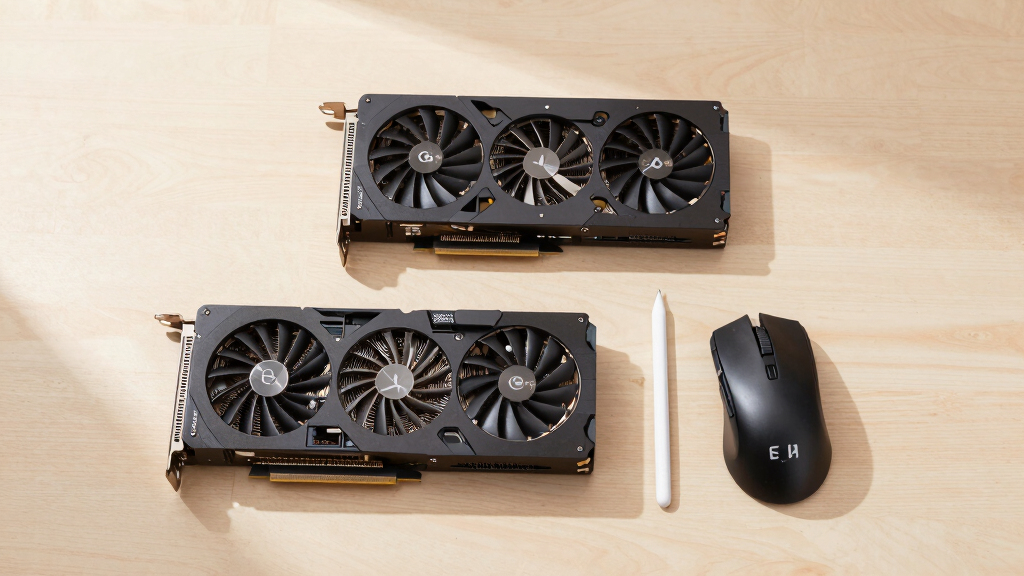

📊 Full opportunity report: 15 Best Graphics Cards for Gaming, AI, and Creative Work in 2026 on ThorstenMeyerAI.com — validation score, market gap, and execution plan.

Get business pricing on tech for your team
- Business-only prices and quantity discounts
- Tax-exempt purchasing
- Multiple users, one account, clear invoices
TL;DR
In 2026, the GIGABYTE Radeon RX 9070 XT Gaming OC 16G is the top overall choice, balancing performance, VRAM, and price. Premium options like the RTX 5090 cater to extreme power needs, while others focus on value and compactness. The lineup reflects diverse user priorities across gaming, AI, and creative work.
The 2026 lineup of graphics cards features a diverse range of options tailored for gaming, AI, and creative professionals, with the GIGABYTE Radeon RX 9070 XT Gaming OC 16G recognized as the best overall pick based on performance, VRAM, and value.
The GIGABYTE Radeon RX 9070 XT Gaming OC 16G leads the list, offering a balanced combination of modern gaming performance, 16GB VRAM, effective cooling, and a competitive price point. It is suitable for 1440p gaming and some 4K workloads, appealing to a broad user base.
High-end options like the PNY GeForce RTX 5090 OC Triple Fan stand out for extreme power, ideal for demanding AI and professional workloads, but their size, power draw, and cost limit their practicality for average gamers.
For budget-conscious or mainstream users, the ASUS Dual RTX 5060 Ti 16GB offers solid VRAM and longevity at a more accessible price, especially for 1080p and 1440p gaming. Meanwhile, professional AI cards such as the Radeon AI PRO R9700 series excel in memory-heavy tasks but are less suited for casual gaming.
External GPU options and compact models are available for small-form-factor builds, but they often involve trade-offs in cooling, upgradeability, or price.
The 15 picks
- 1
 ASRock Radeon AI PRO R9700 32GB GDDR6 Professional Graphics CardView on Amazon →
 - 2
 GIGABYTE AORUS RTX 5060 Ti AI Box Graphics Card with Thunderbolt 5View on Amazon →
 - 3
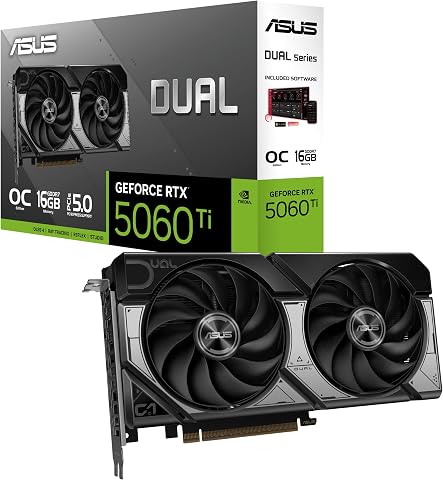 ASUS Dual NVIDIA GeForce RTX 5060 Ti 16GB GDDR7 OC Edition Graphics CardView on Amazon →
 - 4
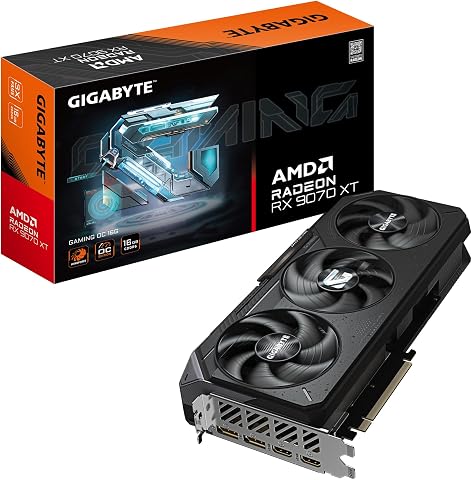 GIGABYTE Radeon RX 9070 XT Gaming OC 16G Graphics CardView on Amazon →
 - 5
 ASUS Dual NVIDIA GeForce RTX 5060 8GB GDDR7 OC Edition (PCIe 5.0, Axial-tech…View on Amazon →
 - 6
 ASUS Turbo AMD Radeon AI Pro R9700 Graphics Card with RDNA 4 Architecture and…View on Amazon →
 - 7
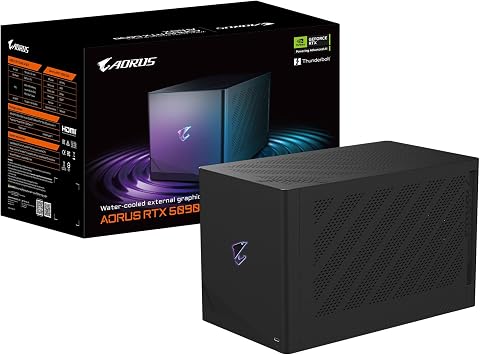 GIGABYTE AORUS RTX 5090 AI Box External GPUView on Amazon →
 - 8
 ASRock Intel Arc Pro B60 24GB Graphics Card with Xe2-HPG Architecture and Blo…View on Amazon →
 - 9
 GIGABYTE Radeon AI PRO R9700 AI TOP 32G Graphics CardView on Amazon →
 - 10
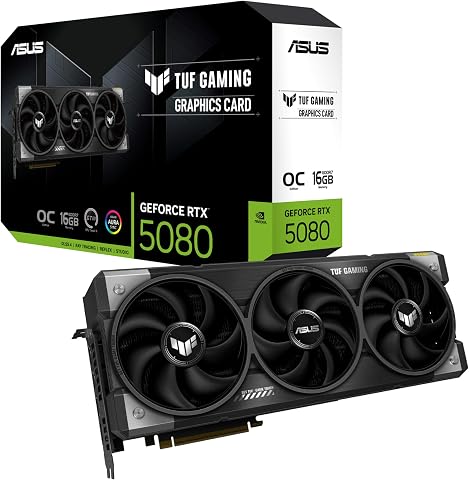 ASUS TUF Gaming GeForce RTX 5080 16GB GDDR7 OC Edition Graphics CardView on Amazon →
 - 11
 XFX AMD Radeon AI Pro R9700 32GB GDDR6 Graphics CardView on Amazon →
 - 12
 PNY NVIDIA RTX PRO 2000 Blackwell Graphics Card with 16GB GDDR7 MemoryView on Amazon →
 - 13
 ASUS Prime RTX 5070 SFF-Ready Graphics Card with NVIDIA GeForce RTX 5070, 12G…View on Amazon →
 - 14
 GIGABYTE GeForce RTX 5070 WINDFORCE OC SFF 12G Graphics CardView on Amazon →
 - 15
 PNY NVIDIA GeForce RTX 5090 OC Triple Fan Graphics Card (32GB GDDR7, DLSS 4)View on Amazon →
Why the 2026 GPU Lineup Shapes Gaming and AI
This lineup demonstrates the ongoing diversification of graphics cards to meet specific needs—whether for high-refresh gaming at 1440p, 4K ray tracing, or AI and creative workloads. Learn more in the comprehensive guide. The availability of a broad range of options ensures users can select hardware optimized for their specific tasks, balancing performance, VRAM, size, and cost. As AI and creative applications demand more memory and stability, professional-grade cards like the Radeon AI PRO series are increasingly relevant, while gamers benefit from innovations in ray tracing and frame generation. These developments influence purchasing decisions and hardware compatibility across the industry, impacting both consumers and manufacturers.Evolution of Graphics Cards in 2026
The 2026 GPU market reflects rapid advancements in performance, VRAM capacity, and energy efficiency. For a detailed overview, see the original analysis. Leading manufacturers like AMD and NVIDIA have expanded their offerings to include high-performance gaming cards, AI-optimized models, and compact solutions for small form-factor systems. For a curated list, see the top graphics cards of 2026. This trend continues a multi-year evolution driven by the increasing demands of modern games, AI applications, and professional creative software, with new architectures and cooling technologies enhancing capabilities. Notably, the Radeon RX 9070 XT and RTX 5090 series are flagship models, but mid-range options like the RTX 5060 Ti remain popular for their balance of price and performance. The market also sees a rise in external GPU enclosures and specialized workstation cards, reflecting broader adoption of AI and creative workflows.Remaining Questions About 2026 GPU Performance and Availability
It is not yet clear how supply chain issues, manufacturing yields, and software driver support will impact the availability and real-world performance of these new cards. Additionally, long-term durability and energy consumption data are still emerging, and some high-end models may be overkill for typical users, depending on future software developments.Upcoming Releases and Market Trends in 2026
Manufacturers are expected to release updated drivers and firmware to optimize performance, with new models possibly announced mid-year. Market adoption will depend on supply stability and pricing, especially for high-end cards like the RTX 5090. Buyers should monitor ongoing reviews and benchmarks to refine their choices, while software updates may unlock additional features such as improved ray tracing and AI acceleration.Key Questions
Which graphics card offers the best value in 2026?
The GIGABYTE Radeon RX 9070 XT Gaming OC 16G is considered the best overall value, balancing performance, VRAM, and price for most users.
Are high-end cards like the RTX 5090 necessary for gaming?
For most gamers, especially at 1440p, high-end cards like the RTX 5090 are overkill. They are more suited for AI, professional workloads, or 4K gaming with ray tracing enabled.
How important is VRAM in choosing a GPU for creative work?
VRAM is crucial for handling large textures, datasets, and AI models. A 16GB card like the RTX 5060 Ti offers good longevity for creative applications, while professional cards with 32GB or more are ideal for intensive workflows.
Will external GPU enclosures become more popular in 2026?
Yes, external GPU options are gaining traction, especially for small-form-factor builds, but they often involve higher costs and thermal considerations.
What should I consider when choosing between gaming and professional GPUs?
Consider your primary workload—gaming performance, VRAM needs, software compatibility, and cooling requirements. Professional cards excel in stability and memory-heavy tasks, while gaming cards focus on frame rates and ray tracing features.
Source: ThorstenMeyerAI.com
Fall Picks
fall essentials
As an affiliate, we earn on qualifying purchases.