
TL;DR

Get tech for your team delivered free — and shop member deals
- Fast, free delivery on millions of items
- Access to Prime Big Deal Days deals on October 6–7
- Prime Video, Amazon Music and more included
In 2026, AI-driven routers are transforming home networks with smarter management and faster speeds. The TP-Link Archer BE550 is ranked as the top overall choice, offering a balance of features and affordability. This development highlights the growing role of AI in optimizing home connectivity.
In 2026, AI-driven home routers are becoming the standard for faster, more reliable, and smarter home networks, with top models like the TP-Link Archer BE550 leading the market. For a detailed overview, see the original analysis. These routers leverage artificial intelligence to optimize network traffic, improve security, and adapt to user behavior, making home Wi-Fi more efficient and easier to manage. Learn more about the latest Wi-Fi 7 routers in this comprehensive guide. The development underscores the increasing integration of AI technologies into everyday connected devices, directly impacting consumers’ online experiences.
Among the latest offerings, the TP-Link Archer BE550 stands out as the best overall AI-driven router, thanks to its tri-band design and 2.5G ports, providing a balanced combination of speed, capacity, and affordability. It supports Wi-Fi 7 features, including 6GHz access, which helps reduce congestion in busy households. The Deco BE63 mesh system is notable for large or multi-story homes, offering comprehensive coverage through three nodes. Meanwhile, high-end models like the TP-Link BE600 and BE12000 incorporate 10G hardware, catering to users with multi-gig internet plans or extensive local data needs.
Experts emphasize that AI capabilities in these routers enable real-time traffic management, device prioritization, and enhanced security, making them a significant upgrade over traditional models. These features help optimize network performance dynamically, especially in environments with many connected devices, such as smart homes and gaming setups.
The 9 picks
- 1
 TP-Link Archer BE12000 Tri-Band Wi-Fi 7 Router with 6GHz Band and 10G Connect…View on Amazon →
 - 2
 NETGEAR Nighthawk Dual-Band WiFi 7 Router (RS200) – Up to 6.5 Gbps, Covers 2,…View on Amazon →
 - 3
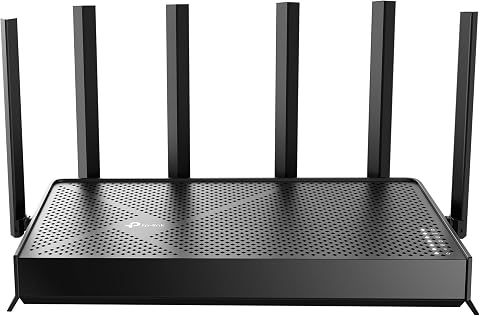 TP-Link Tri-Band WiFi 7 Router (Archer BE600) with 10G Port and HomeShield Se…View on Amazon →
 - 4
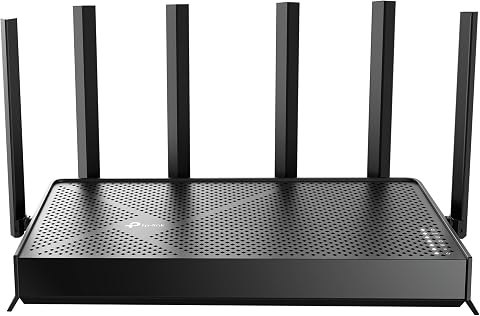 TP-Link BE6500 Dual-Band WiFi 7 Router (BE400)View on Amazon →
 - 5
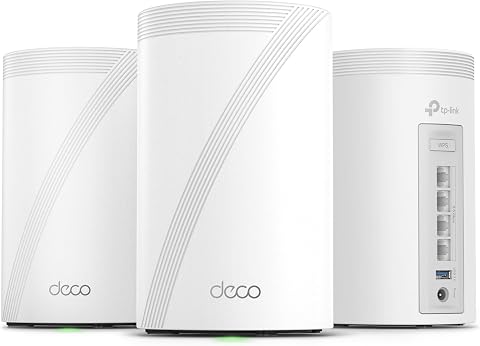 TP-Link Deco 7 Pro BE63 Tri-Band WiFi 7 Mesh System (3-Pack)View on Amazon →
 - 6
 NETGEAR Nighthawk Dual-Band WiFi 7 Router (RS140)View on Amazon →
 - 7
 TP-Link Tri-Band WiFi 7 Router (Archer BE550) with 6 Streams and 2.5G PortsView on Amazon →
 - 8
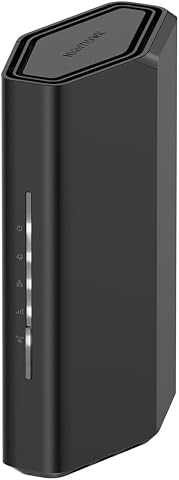 NETGEAR Nighthawk Dual-Band WiFi 7 Router (RS90)View on Amazon →
 - 9
 TP-Link Dual-Band Wi-Fi 7 Router Archer BE3600, 4-Stream, 2.5G Ports, USB 3.0…View on Amazon →
Why AI-Driven Routers Reshape Home Connectivity in 2026
This shift to AI-powered routers marks a major advancement in home networking, offering users smarter, more adaptive, and more secure Wi-Fi experiences. AI integration enables automatic traffic prioritization, improved device management, and enhanced security protocols, reducing latency and congestion. For consumers, this means fewer connection issues, better support for high-bandwidth activities like streaming and gaming, and simplified network management—especially as homes become increasingly connected with IoT devices.
Evolution of Home Routers and AI Integration
Over the past few years, Wi-Fi technology has progressed from basic connectivity to sophisticated systems with multiple bands and mesh capabilities. In 2026, AI integration has become a key feature in high-end routers, driven by advancements in machine learning and network management software. Major brands like TP-Link, NETGEAR, and others have introduced models that leverage AI for traffic optimization, security, and device management. The adoption of Wi-Fi 7 standard, with features like 6GHz band and multi-gig ports, further enhances these capabilities, making AI-driven routers essential for modern smart homes.
“AI-driven routers are fundamentally changing how home networks are managed, offering smarter traffic control and security features that adapt in real time.”
— Thorsten Meyer, AI Network Expert
Uncertainties About AI Capabilities and Adoption Rates
While AI-driven routers are gaining popularity, it remains unclear how widespread adoption will be across different household types and how quickly consumers will embrace these advanced features. Additionally, the long-term reliability of AI algorithms in managing complex networks and potential security vulnerabilities are still under evaluation. Market availability and pricing for high-end models like the BE600 and BE12000 may also influence consumer choices.
Upcoming Developments and Market Trends in 2026
Manufacturers are expected to introduce more AI-enabled features, including enhanced security protocols and more intuitive user interfaces. As Wi-Fi 7 adoption continues, further integration of AI for dynamic bandwidth allocation and device management will likely become standard. Consumer education on the benefits of AI-driven routers is also anticipated to grow, alongside potential reductions in hardware costs, making advanced networking more accessible.
Key Questions
What are the main benefits of AI-driven home routers?
AI-driven routers offer smarter traffic management, improved security, automatic device prioritization, and adaptive network performance, leading to a more reliable and efficient home Wi-Fi experience.
Is the TP-Link Archer BE550 suitable for small homes?
Yes, the BE550 provides a good balance of features and price for small to medium homes, especially those with multiple devices and higher bandwidth needs.
Do I need Wi-Fi 7 devices to benefit from these routers?
While Wi-Fi 7 devices maximize the benefits of these routers, many AI features will still improve performance with existing Wi-Fi 6 and Wi-Fi 5 devices, though the full advantages are realized with Wi-Fi 7 compatibility.
Will AI features make my home network more secure?
Yes, AI-enabled routers can include advanced security features like real-time threat detection and automatic updates, enhancing overall network security.
Source: ThorstenMeyerAI.com
Halloween Picks
halloween
As an affiliate, we earn on qualifying purchases.