

TL;DR

Get tech for your team delivered free — and shop member deals
- Fast, free delivery on millions of items
- Access to Prime Big Deal Days deals on October 6–7
- Prime Video, Amazon Music and more included
In 2026, AI is significantly expanding across industries, creating new opportunities. Experts highlight ten key insights, from advancements in automation to ethical considerations, shaping the future of work and innovation.
Artificial intelligence is increasingly integrated into diverse sectors in 2026, creating new opportunities for innovation, efficiency, and economic growth. Experts and industry leaders emphasize that recent advancements are driving this expansion, making AI a key driver of change across the global economy.
Multiple industry reports and expert analyses confirm that AI technology has reached new levels of sophistication in 2026, enabling breakthroughs in automation, healthcare, finance, and creative industries. For a detailed overview, see the original analysis.
For example, AI-powered automation is now handling complex tasks in manufacturing and logistics, reducing costs and increasing productivity. In healthcare, AI-driven diagnostics and personalized medicine are improving patient outcomes, with some systems approved for clinical use.
Furthermore, AI is fostering innovation in areas such as autonomous vehicles, natural language processing, and creative content generation, opening new markets and business models. Industry leaders like Thorsten Meyer highlight that these developments are reshaping job roles and industry standards, prompting both opportunities and challenges. Learn more about AI ownership strategies in this guide.
The 10 picks
- 1
 CRUA 49" DQHD 240Hz Ultrawide Curved Gaming Monitor, 1500R, FreeSyncView on Amazon →
 - 2
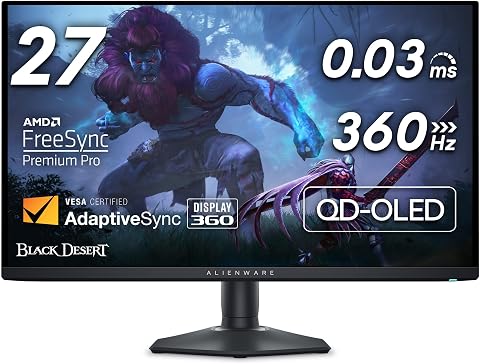 Alienware AW2725DF OLED Gaming Monitor – 26.7-inch QD-OLED, 2560×1440, 360Hz,…View on Amazon →
 - 3
 LG 27GR83Q-B 27-inch Ultragear QHD Gaming Monitor, 240Hz, 1ms, DisplayHDR 400…View on Amazon →
 - 4
 SANSUI 32 Inch Curved Gaming Monitor 240Hz FHD 1080PView on Amazon →
 - 5
 Acer Nitro 27-inch QHD IPS Gaming Monitor XV272U W2bmiiprxView on Amazon →
 - 6
 SANSUI 27 Inch Curved 240Hz Gaming Monitor FHD 1080P, 1500R Curve, FreeSync,…View on Amazon →
 - 7
 Samsung 27" Odyssey G5 (G51F) Series QHD Gaming MonitorView on Amazon →
 - 8
 Sceptre 27-inch Curved Gaming Monitor 1080p 1500R up to 250Hz with Built-in S…View on Amazon →
 - 9
 Sceptre 24-inch Prime Gaming Monitor with 165Hz Refresh Rate and Built-in Spe…View on Amazon →
 - 10
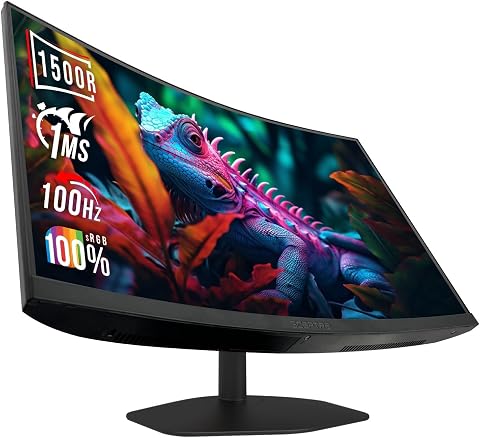 Sceptre 24-inch Curved Gaming Monitor with 1ms Response Time, 100Hz Refresh R…View on Amazon →
Impacts of AI-Driven Opportunities on the Economy and Workforce
This expansion of AI in 2026 matters because it reshapes economic structures and labor markets, offering increased efficiencies and new job categories. However, it also raises concerns about workforce displacement and ethical use, making understanding these shifts critical for policymakers and businesses.
Key AI Advancements and Industry Adoption in 2026
Since 2023, AI has rapidly evolved, with major tech firms and startups deploying new models and applications. The development of large language models, improved machine learning algorithms, and increased computational power have driven these changes. Industry reports from sources like Thorsten MeyerAI.com indicate that sectors such as healthcare, finance, and manufacturing are leading the adoption, while regulatory and ethical debates continue to develop alongside technological progress.
Unresolved Challenges and Ethical Concerns in AI Expansion
While AI’s growth in 2026 is well-documented, uncertainties remain regarding regulatory frameworks, ethical standards, and the long-term societal impacts. Questions about job displacement, data privacy, and algorithmic bias are actively debated but not fully resolved, with ongoing discussions among policymakers, industry groups, and civil society.
Next Steps in AI Development and Policy Formulation
Looking ahead, experts expect continued technological advancements, with increased focus on establishing global AI regulations, ethical standards, and safety protocols. Industry leaders and governments are likely to collaborate on frameworks to balance innovation with societal protection, while startups and established firms push the boundaries of AI applications in new domains.
Key Questions
How is AI creating new job opportunities in 2026?
AI is automating routine tasks, enabling new roles in AI development, data analysis, and ethical oversight, thus expanding employment in emerging fields.
What industries are most impacted by AI in 2026?
Healthcare, finance, manufacturing, and creative industries are leading adopters, leveraging AI for diagnostics, automation, content creation, and financial analysis.
Are there risks associated with AI growth this year?
Yes, risks include job displacement, privacy concerns, algorithmic bias, and the need for robust regulation to ensure responsible deployment.
What policies are being developed to regulate AI in 2026?
Governments and international bodies are working on frameworks to oversee AI safety, ethics, and transparency, though comprehensive global standards are still in development.
Source: ThorstenMeyerAI.com
Fall Picks
fall essentials
As an affiliate, we earn on qualifying purchases.