

TL;DR

Get tech for your team delivered free — and shop member deals
- Fast, free delivery on millions of items
- Access to Prime Big Deal Days deals on October 6–7
- Prime Video, Amazon Music and more included
In 2026, the AI landscape is evolving rapidly with 13 key trends, including advances in generative AI, increased regulation, and new ethical standards. This report details what is confirmed, what is claimed, and what is still unclear, emphasizing the importance for industry stakeholders and users.
Multiple AI trends have emerged in 2026, shaping the future of technology, industry, and society. For a detailed overview, see The 9 Most Important AI Trends For 2026. These developments include confirmed advances in generative AI capabilities, increased regulatory measures, and evolving ethical standards, making AI more integrated into daily life and business operations.
Industry experts and analysts have identified 13 key trends defining the AI landscape in 2026. Among these, the expansion of generative AI models with improved accuracy and creativity is confirmed, with companies like OpenAI and Google leading the way. Regulatory frameworks are also being implemented globally, aiming to address concerns over privacy, bias, and safety, though the scope and enforcement vary by region. For insights into AI’s geopolitical impact, refer to The China Open-Weight Window.
In addition, advancements in AI hardware, such as specialized chips and energy-efficient processors, are confirmed to support larger models and broader deployment. To explore current trends, see Tech Trends Spotlight: Bare C++ Software Rendering Solutions. Ethical considerations, including transparency and accountability, are increasingly prioritized, with some organizations adopting new standards and certifications. However, claims about AI surpassing human intelligence or fully autonomous systems remain disputed, and many experts caution that such developments are still years away or uncertain.
The 13 picks
- 1
 Jackery HomePower 3600 Plus Portable Power Station, 3600W AC Output, 3584Wh L…View on Amazon →
 - 2
 EF ECOFLOW DELTA 3 Max Portable Power Station, 2048Wh LFP Battery, 2400W / 34…View on Amazon →
 - 3
 Jackery Explorer 2000 v2 Portable Power Station, 2042Wh, 2200W AC Output, LiF…View on Amazon →
 - 4
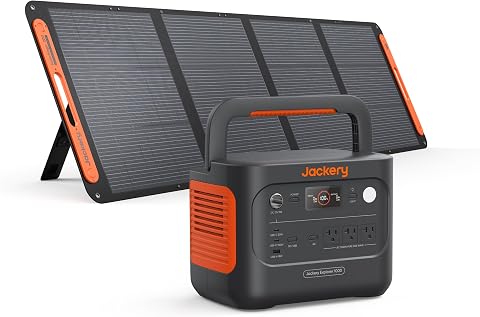 Jackery Solar Generator 1000 V2 with 200W Solar Panel, 1070Wh, 1500W AC, Fast…View on Amazon →
 - 5
 Anker SOLIX C1000 Gen 2 Portable Power Station, 1024Wh, 2000W, Camping, Emerg…View on Amazon →
 - 6
 Jackery Explorer 1000 v2 Portable Power Station, 1070Wh, 1500WView on Amazon →
 - 7
 Jackery Explorer 300 Portable Power Station, 292Wh, LiFePO4 Battery, Solar Ge…View on Amazon →
 - 8
 EF ECOFLOW Portable Power Station Delta 3 Classic, 1024Wh, 1800W AC, LiFePO4…View on Amazon →
 - 9
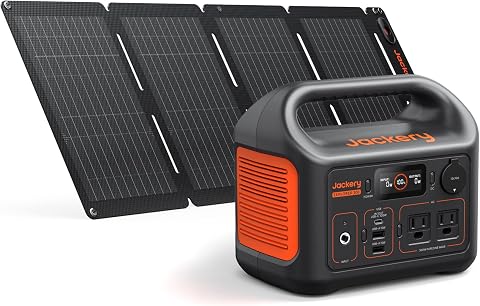 Jackery Solar Generator 300 with 40W Solar Panel, 292Wh, 300W AC OutputView on Amazon →
 - 10
 BLUETTI Elite 30 V2 Portable Power Station 288Wh 600W LFP Solar GeneratorView on Amazon →
 - 11
 Portable Power Station 300W, 192Wh LiFePO4 Battery Solar Generator with Carry…View on Amazon →
 - 12
 EnginStar Portable Power Station 300W 296Wh Battery Bank with 110V Pure Sine…View on Amazon →
 - 13
 HOWEASY Portable Power Station, 88Wh Solar Generator with 120W Peak OutputView on Amazon →
Impacts of AI Advancements on Society and Industry
This trend analysis is vital because AI is now deeply embedded in sectors like healthcare, finance, and transportation. Confirmed progress in generative AI enhances productivity and creativity, while regulatory efforts aim to mitigate risks associated with misuse or bias. Understanding these developments helps stakeholders prepare for changes in employment, privacy, and ethical standards, making this overview crucial for policymakers, businesses, and consumers.
Key Developments and Industry Movements in 2026
Over the past few years, AI has transitioned from experimental technology to a core component of digital infrastructure. Major companies have launched large language models with capabilities rivaling human creativity and reasoning, confirmed by industry reports. Governments have begun implementing regulations, such as the EU’s AI Act, to oversee deployment and ensure safety, although enforcement remains inconsistent. Additionally, breakthroughs in hardware, driven by demand for more powerful AI, have been confirmed, enabling larger and more efficient models.
Despite these advances, claims of AI reaching or exceeding human-level general intelligence are still contested, with many experts emphasizing the need for more research and caution. The debate over AI ethics, safety, and societal impact continues to shape policy discussions worldwide.
Unconfirmed Claims and Ongoing Debates in AI Development
While progress in AI is clear, many claims about AI reaching human-level intelligence or achieving full autonomy are still debated. Experts warn that such breakthroughs are not yet confirmed and may still be years away, if achievable at all. Regulatory effectiveness and ethical standards are also still developing, with some regions lagging behind others in implementation and enforcement.
Next Steps for AI Innovation and Governance in 2026
Industry leaders and policymakers will continue to refine AI models, regulations, and ethical standards throughout 2026. Expect further breakthroughs in hardware supporting larger models, alongside increased international cooperation on AI safety and ethics. Monitoring how these trends unfold will be crucial for predicting AI’s future trajectory and societal impact.
Key Questions
What are the most confirmed AI advancements in 2026?
The most confirmed advancements include improvements in generative AI models, expanded hardware capabilities, and the implementation of new regulations aimed at safety and transparency.
Are claims of AI reaching human-level intelligence credible?
No, most experts agree that such claims are still speculative and not supported by current evidence. AI systems are advancing, but true human-level general intelligence remains unconfirmed.
How are governments regulating AI in 2026?
Several regions, including the European Union, have introduced regulations like the AI Act to oversee development and deployment, though enforcement and scope vary globally.
What are the main ethical concerns related to AI in 2026?
Key concerns include bias, privacy, transparency, and accountability. Efforts are underway to establish standards, but challenges remain in ensuring responsible AI use.
What should industry stakeholders focus on next?
Stakeholders should prioritize compliance with emerging regulations, invest in ethical AI development, and stay informed on technological breakthroughs and policy changes.
Source: ThorstenMeyerAI.com
Fall Picks
fall essentials
As an affiliate, we earn on qualifying purchases.


![Meta AI Vs Perplexity Vs DeepSeek: 130M Vs 45M Users [2026] - Tech-insider.org](https://goodsidekick.com/wp-content/uploads/2026/08/meta-ai-vs-perplexity-vs-deepseek-130m-vs-45m-users-2026-tech-insider-org-featured-560x300.jpg)