
TL;DR

Get business pricing on tech for your team
- Business-only prices and quantity discounts
- Tax-exempt purchasing
- Multiple users, one account, clear invoices
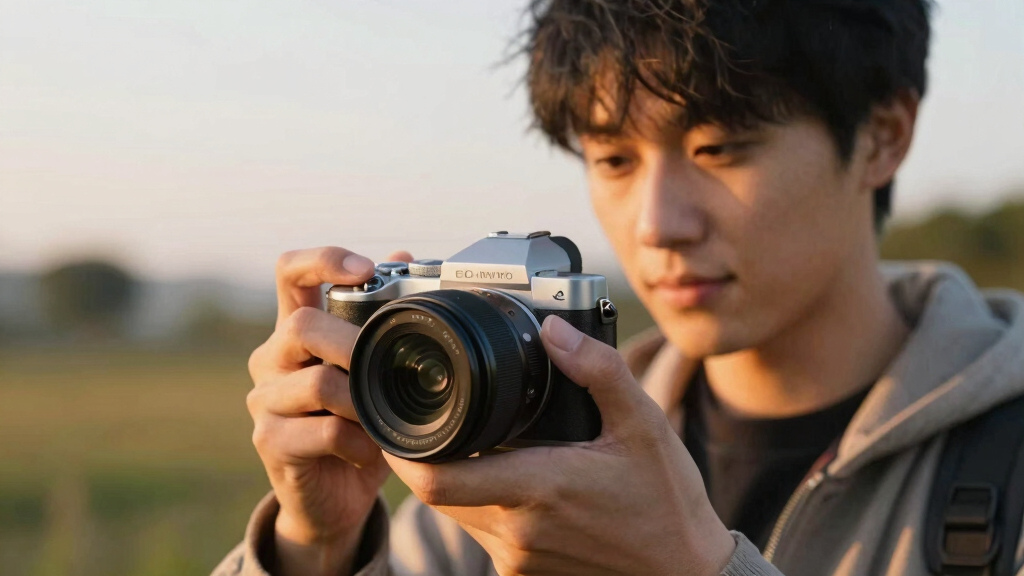
In 2026, the most recommended AI-enabled mirrorless cameras include the Sony Alpha 7 IV, Nikon Z50 II, and Canon EOS R50, each suited for different user needs. This guide evaluates their features, value, and suitability for beginners to professionals.
Multiple AI-enabled mirrorless cameras have been launched in 2026, with models like the Sony Alpha 7 IV, Nikon Z50 II, and Canon EOS R50 receiving high praise for their features and value. These cameras are being recognized as the top choices for different skill levels, from beginners to professionals, due to their advanced AI-driven autofocus, improved video capabilities, and system versatility.
The Sony Alpha 7 IV remains the top overall pick for its balanced combination of full-frame image quality, autofocus, and video features, according to Thorsten Meyer AI.com. The Nikon Z50 II two-lens kit offers the best value and versatility for travel and family photography, providing a broad shooting range out of the box. Meanwhile, the Canon EOS R50 is highlighted as the best entry-level model for beginners and content creators, thanks to its touchscreen, autofocus, and user-friendly interface.
These models are part of a broader trend in 2026 where AI features significantly enhance autofocus speed, subject tracking, and image stabilization, making high-quality photography more accessible across skill levels. The selection process evaluated factors such as sensor size, lens system, video capabilities, and system expandability, with the Sony Alpha 7 IV leading for hybrid use. For a detailed review, see the original analysis. The Canon EOS R100 and EOS RP continue to serve budget-conscious buyers, though with some limitations in autofocus and stabilization compared to newer models.
The 10 picks
- 1
 Sony Alpha 1 II Full-Frame Mirrorless Interchangeable Lens Camera (Body) BundleView on Amazon →
 - 2
 Sony Alpha 7 IV Full-Frame Mirrorless Camera with 28-70mm Zoom Lens KitView on Amazon →
 - 3
 Nikon Z50 II with Two Lenses – Compact Mirrorless Camera with 20.9MP Sensor,…View on Amazon →
 - 4
 Canon EOS RP Full-Frame Mirrorless Camera with RF24-105mm Lens KitView on Amazon →
 - 5
 Canon EOS R50 Mirrorless Camera with RF-S 18-45mm F4.5-6.3 IS STM Lens KitView on Amazon →
 - 6
 Sony Alpha a6400 Mirrorless Camera with 16-50mm LensView on Amazon →
 - 7
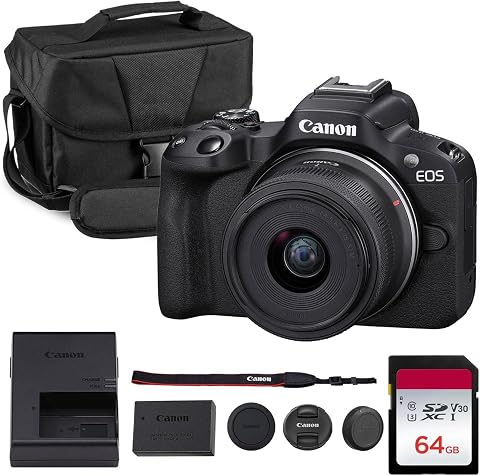 Canon EOS R50 Mirrorless Camera Kit with 18-45mm Lens, 4K Video, Dual Pixel A…View on Amazon →
 - 8
 Canon EOS R100 Mirrorless Camera with RF-S 18-45mm f/4.5-6.3 IS STM LensView on Amazon →
 - 9
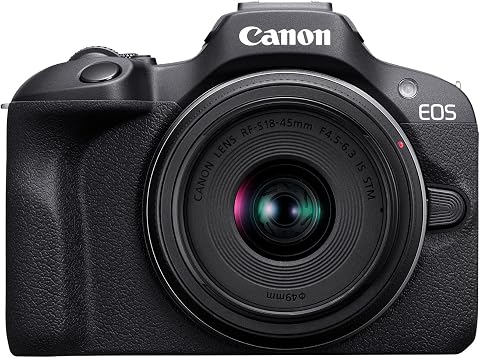 Canon EOS R100 Mirrorless Camera RF-S 18-45mm F4.5-6.3 IS STM Lens KitView on Amazon →
 - 10
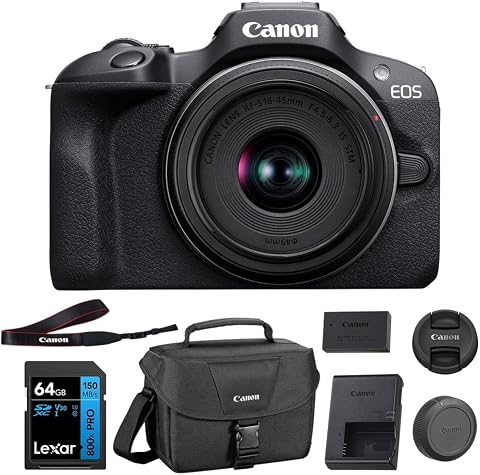 Canon EOS R100 Mirrorless Camera with RF-S18-45mm F4.5-6.3 IS STM Lens Kit, 2…View on Amazon →
Why AI-Enabled Cameras Reshape Photography in 2026
The emergence of AI-enabled mirrorless cameras in 2026 redefines accessibility and quality in photography. These models automate complex tasks like autofocus, tracking, and scene optimization, enabling beginners to produce professional-quality images and allowing seasoned photographers to work more efficiently. The integration of AI features also expands creative possibilities, especially in video and fast-paced shooting environments, making these cameras vital tools for both hobbyists and professionals.
As AI continues to evolve, it influences the design and usability of future imaging devices, potentially shifting market dynamics and consumer expectations. The widespread adoption of AI in mirrorless cameras demonstrates a clear trend toward smarter, more intuitive photography tools that lower barriers to high-quality image-making.
2026 Camera Market Trends and Past Developments
In recent years, the mirrorless camera market has shifted from traditional manual controls toward AI-driven automation, driven by advancements in machine learning and sensor technology. The 2026 lineup reflects this evolution, with models like the Sony Alpha 7 IV and Canon EOS R50 incorporating sophisticated AI autofocus and scene recognition features. Historically, brands such as Sony, Canon, and Nikon have competed to deliver versatile systems with extensive lens options, but 2026 marks a turning point where AI integration becomes a key differentiator.
Prior to 2026, flagship models like Sony’s Alpha 1 and Canon’s EOS R3 set high standards for professional work, but the new crop aims to democratize high-quality imaging, making advanced features accessible to a broader audience. The trend toward AI-enabled features aligns with increasing consumer demand for smarter, more user-friendly cameras that require less technical expertise to operate effectively.
“The Sony Alpha 7 IV remains the best all-purpose hybrid, combining full-frame quality with advanced AI autofocus and video capabilities.”
— Thorsten Meyer, AI.com
Remaining Questions About AI Camera Capabilities
While the 2026 lineup demonstrates significant AI integration, it is still unclear how these features will perform under diverse real-world conditions over time. Long-term durability of AI algorithms, battery life impacts, and compatibility with future lens systems remain areas for ongoing evaluation. Additionally, the exact extent to which AI can replace manual control in complex shooting scenarios is still being tested.
Upcoming Developments in AI Photography for 2026 and Beyond
Manufacturers are expected to release firmware updates to enhance AI features further and introduce new models with even more advanced automation. Consumer feedback from early adopters will shape future iterations, potentially leading to more integrated AI workflows, improved battery efficiency, and expanded lens compatibility. Industry events like Photokina and CES 2026 are likely to showcase upcoming innovations, setting the stage for the next wave of AI-enabled imaging technology.
Key Questions
Which AI-enabled mirrorless camera offers the best value in 2026?
The Nikon Z50 II two-lens kit is considered the best value for its versatility and out-of-the-box shooting range, especially for travel and family photography.
Are AI features reliable enough for professional work?
Many professional photographers find AI autofocus and scene recognition highly reliable, but long-term performance under demanding conditions is still being evaluated.
Should beginners prioritize AI features when choosing a camera?
Yes, AI features like autofocus, scene recognition, and stabilization can significantly ease the learning curve and improve image quality for beginners.
Will AI-enabled cameras replace manual controls entirely?
While AI automates many tasks, manual controls will still be essential for creative professionals seeking precise adjustments, though AI will continue to assist and enhance manual shooting.
What is the future outlook for AI in mirrorless cameras?
Expect ongoing improvements in AI algorithms, greater system integration, and expanded creative tools, making AI an integral part of future camera development.
Source: ThorstenMeyerAI.com
Halloween Picks
halloween
As an affiliate, we earn on qualifying purchases.