
📊 Full opportunity report: How AI Can Help Structure Private Investigation Reports on IdeaNavigator AI — validation score, market gap, and execution plan.

Get business pricing on tech for your team
- Business-only prices and quantity discounts
- Tax-exempt purchasing
- Multiple users, one account, clear invoices
TL;DR
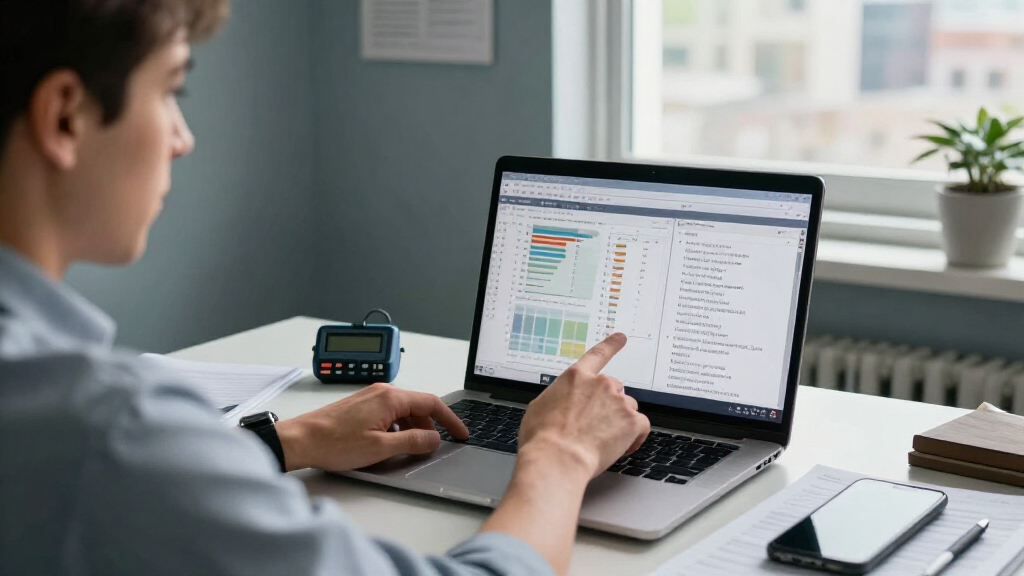
IdeaNavigator AI has proposed testing an AI report generator aimed at independent private investigators and small firms. The suggested tool would organize field notes, timestamped photos and GPS tracks into a chronological draft, but its courtroom suitability and time savings remain unproven and would need testing with firms and attorneys.
IdeaNavigator AI has proposed an AI tool that would turn private investigators’ field notes, timestamped photos and GPS records into draft chronological reports. The concept targets independent investigators and small firms, but it is a product proposal rather than a report of a launched service or validated results; the proposed test would ask attorneys to review reports and measure time saved.
The suggested tool would combine materials gathered during surveillance, including written observations, photo timestamps and GPS tracks. It would arrange those inputs chronologically, cite exhibits, flag gaps in the timeline and export a draft using the firm’s report template. A human review pass is part of the proposed workflow, rather than an optional final step.
The business case centers on the time investigators spend converting records into formal narratives after surveillance work. IdeaNavigator AI describes that writing as hours of unbilled work and says report quality can affect whether evidence holds up in court. Those are claims in the proposal; it provides no measured writing-time data, court outcomes or independent evaluation.
For validation, the proposal calls for converting recent case files from 10 firms into reports, asking the firms’ attorneys to assess admissibility quality and measuring time saved per report. It also suggests a monthly subscription priced by seat and report volume. No participating firms, product, pricing, test results or launch schedule are identified.
How AI Could Structure Investigation Reports
IdeaNavigator AI proposes turning case records into chronological report drafts. The concept has no reported product, launch, or test results.
From records to draft
The proposed tool would assemble surveillance materials into a reviewable chronology.
Combine field notes, timestamped photos, and GPS tracks.
Draft a timeline, cite exhibits, and flag gaps.
A person checks the draft before it is exported in the firm’s template.
Potential business value
The proposal targets independent investigators and small firms.
Less report assembly
Reliable drafting could reduce time spent turning records into formal narratives.
More structured reports
Chronologies and exhibit references could make report preparation more standardized.
Subscription tiers
The suggested monthly plan would vary by seats and report volume; no prices are given.
What the trial needs to establish
The proposed exercise would use recent case files from 10 firms and attorney review.
- Time saved per report
- Draft accuracy against source records
- Timeline gaps and errors
- No firms or attorneys are confirmed
- No test findings or court outcomes
- Data security and error handling are unspecified
The Test Is Accuracy, Not Just Speed
For a small investigation business, reducing time spent assembling reports could free investigators to handle other paid work. A tool that consistently organizes records and references exhibits could also make report preparation more standardized. But faster drafting alone would not establish value: the output must faithfully reflect the underlying records and remain suitable for attorney review and the firm’s intended use.
The proposal’s focus on attorney review recognizes that reports may be scrutinized in legal settings. AI-generated wording could introduce unsupported details, obscure gaps or misstate chronology if source records are incomplete or conflicting. The planned checks—attorney assessment and time measurement—would address some practical questions, but the proposal does not specify a method for measuring errors, handling sensitive case data or determining whether a report meets particular court requirements.
The commercial case is also untested. A subscription tiered by seats and report volume would depend on whether firms see enough reliable time savings to pay for it. The suggested 10-firm exercise is a proposed validation approach, not evidence that the product has achieved those savings or passed an admissibility review.
Products Worth Considering

Bose SoundLink Plus Portable Bluetooth Speaker, Black

Jackery HomePower 3600 Plus Portable Power Station

Apple AirPods Pro (1st Generation) with MagSafe Charging Case
As an affiliate, we earn on qualifying purchases.
From Field Records to Formal Narratives
Private investigators can collect information in different formats over the course of a case: handwritten or digital notes, images marked with times and location records. Turning those materials into one chronological account is the workflow the proposed product aims to address. Its intended customers are independent investigators and small firms, not the wider legal-services market.
The proposal frames the timing around language models’ ability to transform structured observations into narrative text and says investigation firms are underserved by modern software. It does not identify a particular model, compare existing products or provide evidence about the size of that software gap. Those points should be treated as the proposal’s rationale, not independently established market findings.
The proposed minimum viable product is narrowly scoped: import records, assemble a draft with exhibit references, flag timeline gaps and export in a firm’s template for review. That is a defined product concept, but no working tool or deployment is described. The suggested case-file exercise would be an early test of whether the workflow solves a practical problem for actual firms.
Product and Legal Tests Remain Open
No test findings are available, and the proposal does not say whether any firms or attorneys have agreed to participate. It is also unclear how the tool would distinguish conflicting records, handle missing timestamps, or prevent generated text from asserting details that are not present in the evidence.
The proposal gives no information about data storage, security controls, retention periods or who could access sensitive case files. It also does not define what “admissibility quality” would mean across different cases or jurisdictions. Attorney review is included in the suggested workflow, but that alone does not establish that generated reports would be accurate, legally sufficient or accepted in court.
There is no named developer, release date, price or estimate of report-level time savings. Until those details and test results are available, the concept’s operational and commercial viability remain unresolved.
A Ten-Firm Trial Would Set the Test
The next concrete step in the proposal is a trial using recent files from 10 firms. Investigators would provide case materials for draft generation, and attorneys would review the resulting reports. A useful assessment would need to compare the drafts with the underlying records, document errors and timeline gaps, and measure time spent before and after using the tool.
No trial date or results have been announced in the material describing the idea. If a test proceeds, its findings would clarify whether the system saves meaningful time without compromising accuracy, and whether firms consider the output useful enough to justify a subscription. Until then, the AI report generator remains a proposed workflow, not a demonstrated product.
Source: IdeaNavigator AI
Key Questions
Has an AI report generator for private investigators launched?
The material describes a product proposal, not a confirmed launch. It gives no release date or working-product details.
What would the proposed tool do?
It would combine field notes, timestamped photos and GPS tracks into a chronological draft, add exhibit references, flag timeline gaps and export using a firm’s template. The proposed process includes human review.
Has the tool been shown to save investigators time?
No results are provided. Measuring time saved per report is part of the proposed test involving recent case files from 10 firms.
Would AI-generated reports be admissible in court?
That has not been established. The proposed validation would have attorneys review report quality, but no findings or court outcomes are reported. Attorney review remains part of the suggested workflow.
How might the product charge customers?
IdeaNavigator AI suggests a monthly subscription with pricing tiers based on seats and report volume. No prices are specified.
Source: IdeaNavigator AI