
TL;DR

Get business pricing on tech for your team
- Business-only prices and quantity discounts
- Tax-exempt purchasing
- Multiple users, one account, clear invoices
In 2026, new noise cancelling headphones featuring advanced AI technology are hitting the market. These models promise better sound isolation, personalized noise management, and improved user experience. The development is confirmed by major brands, but details on capabilities vary.
Leading audio brands have unveiled new AI-powered noise cancelling headphones for 2026, promising significant improvements in sound isolation, user comfort, and smart features. For a detailed review, see the 10 Best Noise Cancelling Headphones for Everyday Quiet in 2026. The announcements highlight a shift toward integrating artificial intelligence to tailor noise cancellation to individual environments and user preferences, making these models highly relevant for commuters, travelers, and everyday listeners. For more insights, see the comprehensive review on the top noise-cancelling headphones.
The new models from Bose, Sony, Apple, and other key players incorporate advanced AI algorithms that adapt in real-time to ambient noise and user activity. Bose’s latest QuietComfort series, for example, features AI-driven adaptive noise cancellation that automatically adjusts to changing environments, according to official statements. Apple’s AirPods Pro 3 now include machine learning enhancements that optimize noise reduction based on ear shape and usage patterns. These developments are confirmed by product launches and company disclosures, indicating a clear industry trend toward smarter audio devices.
Manufacturers claim that AI integration allows for more precise cancellation of unpredictable sounds such as voices and sudden noises, improving overall listening quality. This trend is highlighted in the original analysis of the latest noise-cancelling models. Battery endurance, comfort, and microphone performance are also highlighted as benefits, with some models offering extended usage times and customizable fit options. While these features are officially announced, specific performance metrics and real-world testing results remain to be seen as the products become available to consumers.
The 10 picks
- 1
 Bose QuietComfort Wireless Bluetooth Headphones with Noise Cancelling and MicView on Amazon →
 - 2
 Bose QuietComfort Headphones – Wireless Bluetooth Over-Ear Noise Cancelling w…View on Amazon →
 - 3
 Bose QuietComfort Wireless Bluetooth Headphones with Noise Cancelling and MicView on Amazon →
 - 4
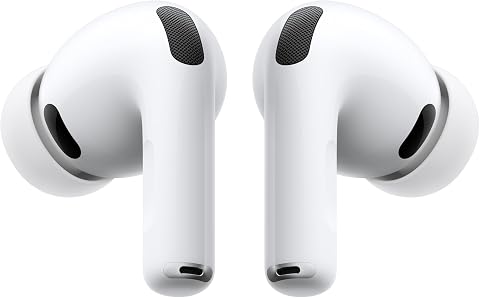 Apple AirPods Pro 3 Wireless Earbuds with Active Noise Cancellation and Healt…View on Amazon →
 - 5
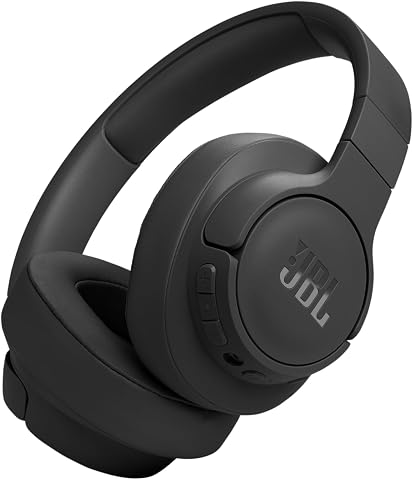 JBL Tune 770NC Wireless Over-Ear Headphones – BlackView on Amazon →
 - 6
 Sony WH-CH720N Noise Canceling Wireless Headphones, Bluetooth Over-Ear, Micro…View on Amazon →
 - 7
 Beats Studio Pro Wireless Over-Ear HeadphonesView on Amazon →
 - 8
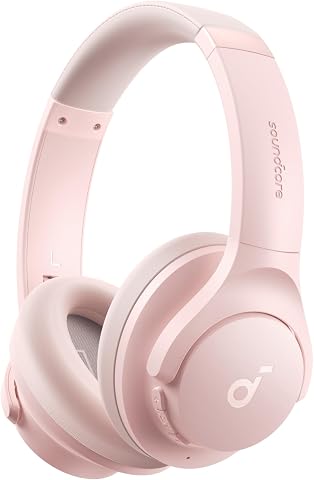 Soundcore by Anker Q20i Hybrid Active Noise Cancelling Headphones, PinkView on Amazon →
 - 9
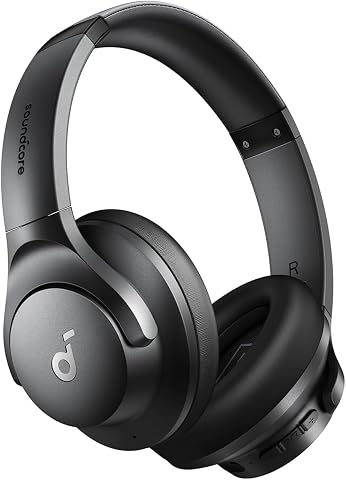 Soundcore by Anker Q20i Hybrid Active Noise Cancelling Headphones, BlackView on Amazon →
 - 10
 Hybrid Active Noise Cancelling Bluetooth Over-Ear Headphones, 120H Playtime,…View on Amazon →
Impact of AI-Enhanced Noise Cancelling Technology in 2026
The integration of artificial intelligence into noise cancelling headphones marks a major evolution in personal audio technology. For consumers, this means more effective noise reduction tailored to individual environments, leading to a better listening experience across commuting, work, and leisure. It also signals a competitive shift among brands striving to offer smarter, more adaptive devices, potentially setting new industry standards and influencing future product development.
These advancements could benefit users by reducing the need for manual adjustments and increasing comfort during long sessions. Additionally, improved microphone performance with AI assistance may enhance call quality in noisy settings. Overall, AI-powered noise cancelling in 2026 could redefine expectations for personal audio and wearable tech, making these devices more intuitive and effective for diverse scenarios.
Evolution of Noise Cancelling Headphones and AI Integration
The trend toward integrating AI in personal audio devices has been underway since the early 2020s, with brands progressively adding smarter features to their noise cancelling headphones. Previous models relied primarily on electronic cancellation and passive isolation, with limited adaptation to changing environments. The 2026 announcements represent a significant leap, as AI algorithms now enable real-time personalization and dynamic noise management.
Industry insiders note that the push for AI integration aligns with broader trends in smart wearables, driven by advances in machine learning, sensor technology, and processing power. Major brands like Bose and Apple have invested heavily in developing AI capabilities, aiming to differentiate their products in a competitive market. The current wave of launches confirms that AI-enhanced noise cancellation is becoming a standard feature, rather than a premium add-on.
“Our latest QuietComfort headphones use AI algorithms to provide the most effective noise cancellation tailored to your environment.”
— Bose spokesperson
Performance and Real-World Effectiveness Still Unconfirmed
While manufacturers have announced AI-enhanced noise cancelling headphones, specific performance metrics, real-world testing results, and user feedback remain unavailable. It is unclear how much these models outperform previous versions in everyday scenarios or how well AI personalization functions across diverse environments and ear shapes. Consumer reviews and independent tests will be crucial to validate these claims once products are released.
Expected Release, Testing, and Consumer Feedback in 2026
Following the announcements, the next steps include product launches, availability for testing, and user reviews. Industry analysts anticipate that early adopters and tech reviewers will evaluate the real-world performance of AI-driven noise cancelling features in the coming months. Manufacturers are expected to release firmware updates and software enhancements based on initial feedback, further refining AI capabilities. The market will likely see a broader adoption of these smart headphones as consumers seek more personalized and effective noise management solutions.
Key Questions
How do AI-powered noise cancelling headphones differ from traditional models?
AI-powered models adapt in real-time to changing environments and user activity, offering more personalized and effective noise cancellation compared to traditional static settings.
Are these new headphones compatible with all devices?
Most announced models support standard Bluetooth protocols, ensuring compatibility with a wide range of smartphones, tablets, and computers. Specific features may vary by brand and model.
Will AI features require regular software updates?
Yes, manufacturers plan to provide firmware and software updates to improve AI functionality, fix bugs, and enhance user experience over time.
What is the expected price range for these AI-enhanced headphones?
Prices are expected to range from mid-tier to premium, approximately $200 to $400, depending on brand, features, and build quality.
When will these headphones be available to consumers?
Most models are expected to launch in the second quarter of 2026, with wider availability throughout the year as production ramps up.
Source: ThorstenMeyerAI.com
Halloween Picks
halloween
As an affiliate, we earn on qualifying purchases.