
Small business owners increasingly turn to AI automation tools to save time, cut costs, and scale faster. The best options, like Agentic AI for Small Business, offer powerful no-code workflows that can run with minimal oversight. The Solo Operator stands out for those wanting to do the work of a team solo, while others focus on building passive income streams without hiring or coding. However, choosing the right tool involves tradeoffs: some prioritize ease of use, others focus on advanced customization, and budget constraints can influence decisions. Keep reading for a detailed breakdown of the top 11 options and which suits your unique needs.

Get business pricing on tech for your team
- Business-only prices and quantity discounts
- Tax-exempt purchasing
- Multiple users, one account, clear invoices
Key Takeaways
- The top tools balance ease of use with powerful automation features, making them suitable for small business owners with limited technical skills.
- Pricing varies widely, with some tools offering free plans or low-cost entry points, but advanced features often require higher-tier subscriptions.
- Many top options emphasize no-code or low-code interfaces, making automation accessible without programming knowledge.
- Choosing the right tool depends heavily on specific business needs, such as lead generation, content creation, or operational workflows.
- Some products excel at guiding beginners through setup, while others are better suited for users seeking highly customizable, scalable solutions.
| The Solo Operator: AI Workflows to Do the Work of a Team, By Yourself |  | Best for Solo Entrepreneurs and Independent Professionals | Target Audience: Solo entrepreneurs and freelancers | Focus Area: AI workflows for individual use | Technical Detail: Low; no specific tools or software | VIEW LATEST PRICE | See Our Full Breakdown |
| AI Automation for Small Businesses: Build Semi-Passive Income Systems Without Hiring or Coding |  | Best for Small Business Owners Looking to Generate Semi-Passive Income | Target Audience: Small business owners seeking semi-passive income | Focus: Automating income-generating processes | Technical Detail: Low; no coding needed | VIEW LATEST PRICE | See Our Full Breakdown |
| AI Business Automation: The Practical Guide to Building Self-Running Workflows and Scaling Fast | 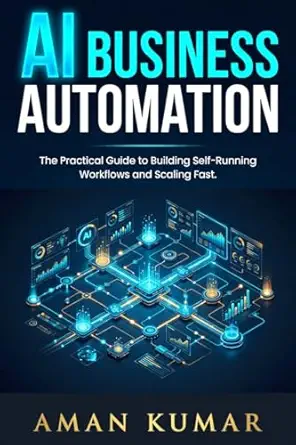 | Best for Business Owners and Managers Focused on Scaling | Target Audience: Business owners and managers | Focus: Scaling and automation | Technical Detail: High-level; strategic guidance | VIEW LATEST PRICE | See Our Full Breakdown |
| AI Tools for Small Business Owners: A 30-Day Starter Guide to Save Time, Create Better Content & Grow Smarter |  | Best for Time-Constrained Small Business Owners Ready to Start Quickly | Target Audience: Small business owners eager to start AI quickly | Focus: Time-saving, content creation, growth | Technical Detail: Basic; no deep technical info | VIEW LATEST PRICE | See Our Full Breakdown |
| AI Automation for Local Businesses: No-Code Workflows to Get More Leads, Follow-Up Faster, and Increase Sales |  | Best for Local Business Owners Focused on Lead Generation | Target Audience: Local business owners | Focus: Lead generation and follow-up | Technical Detail: Low; no coding | VIEW LATEST PRICE | See Our Full Breakdown |
| The No-Code AI Automation Handbook: Reclaim 10 Hours a Week by Automating the Busywork Your Small Business Does by Hand |  | Best for Beginners Seeking Practical Automation Strategies | Format: Paperback / eBook | Pages: 150 | Focus: No-code AI automation | VIEW LATEST PRICE | See Our Full Breakdown |
| AI Automation for Small Businesses: The Practical 2026 Guide to Saving Time, Reducing Costs & Growing Your Business |  | Best for Forward-Thinking Business Owners Preparing for 2026 | Format: Paperback / eBook | Pages: 200 | Focus: Future AI trends and strategy | VIEW LATEST PRICE | See Our Full Breakdown |
| AI Automation Playbook: Workflows That Save 20+ Hours Per Week |  | Best for Time-Conscious Owners Who Want Practical Workflows | Format: Paperback / eBook | Pages: 180 | Focus: Workflows for automation | VIEW LATEST PRICE | See Our Full Breakdown |
| AI for Small Business Owners: A Practical Guide to Saving Ten Hours a Week |  | Best for Practical, Easy-to-Implement AI Strategies | Format: Paperback / eBook | Pages: 120 | Focus: Time-saving AI strategies | VIEW LATEST PRICE | See Our Full Breakdown |
| Agentic AI for Small Business: No-Code Automation Playbook |  | Best for Owners Who Want Rapid, No-Code Automation in 5 Hours | Format: Paperback / eBook | Pages: 140 | Focus: Rapid no-code automation | VIEW LATEST PRICE | See Our Full Breakdown |
| AI Business Blueprint: The Complete Implementation Guide for Small Business Owners |  | Best Practical Implementation Guide | Implementation Timeframe: 30 days | Coding Required: No | Focus Areas: Customer service, marketing, operations | VIEW LATEST PRICE | See Our Full Breakdown |
| AI automation tools for small businesse | Skill Level | Focus |
|---|---|---|
| The Solo Operator: AI Workflow | Beginner to intermediate | — |
| AI Automation for Small Busine | Beginner to intermediate | Automating income-generating processes |
| AI Business Automation: The Pr | Intermediate to advanced | Scaling and automation |
| AI Tools for Small Business Ow | Beginner to intermediate | Time-saving, content creation, growth |
| AI Automation for Local Busine | Beginner | Lead generation and follow-up |
| The No-Code AI Automation Hand | Beginner | No-code AI automation |
| AI Automation for Small Busine | Intermediate | Future AI trends and strategy |
| AI Automation Playbook: Workfl | Intermediate | Workflows for automation |
| AI for Small Business Owners: | Beginner | Time-saving AI strategies |
| Agentic AI for Small Business: | Beginner to intermediate | Rapid no-code automation |
| AI Business Blueprint: The Com | — | — |
More Details on Our Top Picks
The Solo Operator: AI Workflows to Do the Work of a Team, By Yourself
This book stands out for its focus on empowering individual operators to leverage AI for high-impact tasks without relying on a team. Unlike more comprehensive guides like AI Business Automation, which target business scaling, this resource concentrates on practical workflows tailored for solo users, making it ideal for freelancers or solopreneurs. The strategies help increase productivity by automating routine tasks, yet it lacks detailed technical instructions and specific software recommendations, which could leave less tech-savvy users searching for more guidance. It’s best suited for those who want straightforward, actionable ideas without deep technical dives.
Pros:- Provides practical AI workflow strategies tailored for solo operators
- Helps significantly increase productivity and efficiency
- Easy-to-understand guidance without technical jargon
Cons:- Lacks detailed technical instructions and software specifics
- No step-by-step implementation guidance for complex workflows
Best for: Solo entrepreneurs, freelancers, or independent consultants seeking to maximize efficiency without technical complexity
Not ideal for: Small business teams or managers looking for detailed system implementation guidance; those needing step-by-step tutorials
- Target Audience:Solo entrepreneurs and freelancers
- Focus Area:AI workflows for individual use
- Technical Detail:Low; no specific tools or software
- Approach:Practical, strategy-based
- Skill Level:Beginner to intermediate
Our verdict“This book is perfect for individual professionals who want practical, quick-win AI workflows without technical overhead.”
AI Automation for Small Businesses: Build Semi-Passive Income Systems Without Hiring or Coding
This book makes the most sense for small business owners interested in creating income streams that require minimal ongoing effort, similar to AI Business Automation, but with a sharper focus on income generation rather than workflow automation. It appeals to those who lack coding skills or resources to hire, emphasizing practical AI strategies to automate revenue-generating tasks. The downside is that it doesn’t go into the technical nitty-gritty, which may leave some readers wanting more detailed implementation steps. It’s best for entrepreneurs willing to learn basic AI concepts and implement straightforward automation systems.
Pros:- Focuses on practical strategies for automating income streams
- No coding or hiring required, making it accessible
- Helps streamline operations and increase revenue
Cons:- Lacks detailed technical instructions for implementation
- May not cover all types of small businesses or niches
Best for: Small business owners aiming to develop semi-passive income streams without technical skills or hiring
Not ideal for: Businesses needing highly customized or complex automation solutions; readers seeking technical step-by-step guides
- Target Audience:Small business owners seeking semi-passive income
- Focus:Automating income-generating processes
- Technical Detail:Low; no coding needed
- Approach:Practical, strategy-oriented
- Skill Level:Beginner to intermediate
Our verdict“Ideal for small business owners who want to automate income without technical expertise or hiring, accepting some guidance gaps.”
AI Business Automation: The Practical Guide to Building Self-Running Workflows and Scaling Fast
This book provides a solid foundation for automating business processes with AI, especially compared to AI Tools for Small Business Owners, which offers a more tactical 30-day plan. It’s well-suited for owners and managers looking to create scalable, self-sustaining workflows to grow their operations efficiently. The guidance leans toward strategic planning rather than technical how-to, which makes it less useful for those seeking detailed implementation steps. If your goal is rapid scaling with automated systems, this pick offers high-level insights that can be translated into action.
Pros:- Provides practical guidance on scaling through AI automation
- Helps build self-sustaining workflows that grow with your business
- Designed for managers and owners with growth in mind
Cons:- Lacks detailed technical implementation steps
- May be too high-level for technical beginners
Best for: Business owners and managers aiming to scale operations through self-running workflows
Not ideal for: Solo operators or those seeking beginner-friendly, step-by-step AI integration plans
- Target Audience:Business owners and managers
- Focus:Scaling and automation
- Technical Detail:High-level; strategic guidance
- Approach:Process-oriented
- Skill Level:Intermediate to advanced
Our verdict“This book is best suited for established business leaders focused on scaling operations via automation strategies.”
AI Tools for Small Business Owners: A 30-Day Starter Guide to Save Time, Create Better Content & Grow Smarter
This guide is ideal for small business owners who want a clear, actionable plan to incorporate AI into their daily routines, similar to AI Automation for Small Businesses, but with a structured 30-day timeline. It’s particularly useful for those seeking to improve content quality and productivity swiftly, though it doesn’t delve into technical details or provide software specifics. The plan’s simplicity makes it accessible, but a lack of technical depth could leave more advanced users wanting additional resources. It’s best for owners eager to kickstart AI use with a short-term, focused approach.
Pros:- Provides a clear 30-day plan for AI integration
- Helps save time and improve content quality
- Accessible for beginners ready to implement quickly
Cons:- No detailed technical or software instructions
- May require prior familiarity with AI tools for best results
Best for: Small business owners who want a quick, structured approach to AI adoption without technical complexity
Not ideal for: Owners looking for in-depth technical tutorials or custom automation solutions; those requiring long-term, scalable systems
- Target Audience:Small business owners eager to start AI quickly
- Focus:Time-saving, content creation, growth
- Technical Detail:Basic; no deep technical info
- Approach:Structured, time-bound
- Skill Level:Beginner to intermediate
Our verdict“This starter guide is perfect for small business owners seeking a quick, structured AI implementation plan to boost productivity and content quality.”
AI Automation for Local Businesses: No-Code Workflows to Get More Leads, Follow-Up Faster, and Increase Sales
This book excels at offering no-code AI workflows tailored specifically for local businesses looking to boost leads and sales, similar to AI Business Automation, but with a more targeted approach on lead management. It’s especially useful for owners who want quick, implementable strategies without technical skills, though it doesn’t provide detailed instructions or cover the full spectrum of automation tools—additional subscriptions or software might be needed. If your primary goal is lead generation and follow-up, this pick provides practical, no-code solutions that can be deployed rapidly.
Pros:- Practical no-code automation workflows for local businesses
- Helps increase leads and sales quickly
- Easy to implement without technical expertise
Cons:- Lacks detailed technical instructions
- May require additional tools or subscriptions for full automation
Best for: Local business owners seeking to increase leads and accelerate follow-up without coding skills
Not ideal for: Business owners needing comprehensive automation beyond lead management; those expecting detailed technical tutorials
- Target Audience:Local business owners
- Focus:Lead generation and follow-up
- Technical Detail:Low; no coding
- Approach:Practical, no-code workflows
- Skill Level:Beginner
Our verdict“This book is best suited for local business owners focused on lead generation and rapid follow-up using no-code workflows.”
The No-Code AI Automation Handbook: Reclaim 10 Hours a Week by Automating the Busywork Your Small Business Does by Hand
This handbook stands out for small business owners who want to start automating routine tasks without technical expertise. Compared with the more comprehensive AI Automation Playbook, it offers easier, step-by-step guidance but lacks advanced technical setup details. Its focus on no-code solutions makes it accessible for those new to automation, though it may not satisfy users seeking complex, customizable workflows. The book’s practical strategies help owners reclaim hours by streamlining everyday tasks, but it might fall short for larger businesses needing more sophisticated systems.
Pros:- Helps small business owners save time through automation
- Provides easy-to-follow, no-code AI strategies
- Enhances overall business efficiency
Cons:- No technical background required may limit advanced automation techniques
- Content may be less useful for larger enterprises
- No detailed technical setup instructions
Best for: Small business owners with limited technical skills looking for straightforward automation guidance
Not ideal for: Business owners seeking advanced, customizable automation solutions or technical details
- Format:Paperback / eBook
- Pages:150
- Focus:No-code AI automation
- Audience:Small business owners
- Skill level:Beginner
- Release Year:2023
Our verdict“Ideal for beginners wanting practical, no-code automation strategies to save time on routine tasks.”
AI Automation for Small Businesses: The Practical 2026 Guide to Saving Time, Reducing Costs & Growing Your Business
This guide makes sense for small business owners focused on future-proofing their operations with AI. Unlike AI Automation Playbook, which emphasizes workflows, this book centers on strategic insights tailored for 2026 trends, but it offers less technical detail and fewer actionable steps. It’s better suited for those planning long-term growth rather than immediate implementation. While it provides valuable strategic context, it lacks specific product recommendations or step-by-step workflows, making it less practical for owners ready to deploy automation today.
Pros:- Provides practical AI automation strategies for small businesses
- Focuses on saving time and reducing costs
- Updated for 2026 business trends
Cons:- No specific product details or features provided
- No customer reviews or ratings available
- Limited actionable instructions for immediate implementation
Best for: Owners planning for future AI adoption and business growth in 2026
Not ideal for: Owners seeking immediate, detailed automation techniques or technical implementation support
- Format:Paperback / eBook
- Pages:200
- Focus:Future AI trends and strategy
- Audience:Small business owners planning ahead
- Skill level:Intermediate
- Release Year:2025
Our verdict“Best suited for strategic planning rather than immediate automation deployment in small businesses.”
AI Automation Playbook: Workflows That Save 20+ Hours Per Week
This playbook excels at providing concrete workflows that can save over 20 hours weekly, making it ideal for business owners ready to implement specific automation systems. Compared to The No-Code AI Automation Handbook, which focuses on beginner strategies, this book dives into actionable workflows that require some technical understanding but deliver measurable results. Its detailed guides are perfect for owners who want to build efficient, scalable systems but may be too technical for complete novices. The emphasis on saving hours gives it a clear edge for owners looking for real time benefits.
Pros:- Offers practical automation workflows
- Helps save significant time weekly
- Suitable for business owners in the AI economy
Cons:- No detailed specifications provided
- Content may be technical for beginners
- Requires some familiarity with automation concepts
Best for: Small business owners with some technical familiarity seeking proven automation workflows
Not ideal for: Beginners or those seeking purely conceptual guidance without technical detail
- Format:Paperback / eBook
- Pages:180
- Focus:Workflows for automation
- Audience:Small business owners with technical familiarity
- Skill level:Intermediate
- Release Year:2023
Our verdict“Best for owners who want actionable, proven workflows to dramatically reduce their weekly workload.”
AI for Small Business Owners: A Practical Guide to Saving Ten Hours a Week
This book makes a strong case for small business owners seeking straightforward AI strategies to improve efficiency. Unlike The No-Code AI Automation Handbook, which emphasizes no-code tools, this guide is more about actionable tips that are easy to understand and implement quickly, though it doesn’t go deep into technical specifics. Its simplicity makes it ideal for owners new to AI, but those looking for complex workflows or technical instructions may find it too basic. The focus on saving ten hours a week offers a tangible benefit that appeals to busy entrepreneurs.
Pros:- Provides practical AI strategies for small businesses
- Helps save time and increase efficiency
- Easy-to-understand guidance
Cons:- Limited to small business applications
- No detailed technical instructions
- Content may be too basic for advanced users
Best for: Small business owners who want quick, practical AI tips without technical complexity
Not ideal for: Owners seeking advanced automation setups or technical deep-dives
- Format:Paperback / eBook
- Pages:120
- Focus:Time-saving AI strategies
- Audience:Small business owners
- Skill level:Beginner
- Release Year:2022
Our verdict“Ideal for busy owners who want quick, actionable AI strategies to save time without technical hurdles.”
Agentic AI for Small Business: No-Code Automation Playbook
This playbook emphasizes rapid deployment of automation systems with a promise to save over 15 hours weekly in just 5 hours of setup, making it attractive for busy entrepreneurs. Compared to AI Automation for Small Businesses, which offers broad strategies, this guide is more focused on quick, actionable steps but lacks detailed technical instructions. Its no-code approach is perfect for owners who want quick wins without coding skills, though it may leave some users wanting more depth or customization options. The focus on fast results is its biggest draw, but it sacrifices detailed technical guidance.
Pros:- Practical guide for small business automation
- Time-saving strategies
- No coding required
Cons:- No detailed technical instructions
- Focuses mainly on automation concepts
- May not suit owners seeking customized solutions
Best for: Small business owners eager for quick, no-code automation solutions with minimal setup time
Not ideal for: Owners seeking detailed technical configurations or complex workflows
- Format:Paperback / eBook
- Pages:140
- Focus:Rapid no-code automation
- Audience:Small business owners
- Skill level:Beginner to intermediate
- Release Year:2024
Our verdict“Ideal for owners wanting quick, no-code automation setups with immediate time savings.”
AI Business Blueprint: The Complete Implementation Guide for Small Business Owners
This guide stands out for its focus on a structured, step-by-step approach for small business owners to implement AI tools within 30 days without requiring technical skills. Compared to more conceptual guides like AI Automation for Small Businesses: Build Semi-Passive Income Systems Without Hiring or Coding, this plan emphasizes actionable steps, making it ideal for owners who want quick results. However, the lack of detailed technical explanations may leave those needing deeper understanding slightly frustrated, and additional resources might be necessary for complex integrations. Its simplicity makes it accessible, but it may not suit businesses seeking in-depth technical training or custom solutions.
Pros:- Easy-to-follow 30-day plan accelerates implementation
- No coding required, lowering entry barriers
- Helps automate customer service, marketing, and operations
Cons:- Lacks detailed technical explanations for complex setups
- May require additional resources or consulting for advanced customization
Best for: Small business owners who want a clear, easy-to-follow roadmap to automate key processes within a month without coding experience.
Not ideal for: Owners needing advanced technical customization or detailed system architecture, as the guide offers limited technical depth.
- Implementation Timeframe:30 days
- Coding Required:No
- Focus Areas:Customer service, marketing, operations
- Guidance Type:Step-by-step instructions
- Technical Depth:Basic, no technical explanations
- Resource Needs:Additional resources may be necessary
Our verdict“This guide is best suited for small business owners looking for a straightforward, time-bound automation plan without needing technical expertise.”

How We Picked
In evaluating these AI automation tools, I prioritized features that directly benefit small businesses, such as ease of setup, user-friendliness, and versatility. Performance and reliability were key, along with value for the price—especially considering small budgets. I also looked at scalability, integration options, and the level of technical skill required, to ensure these tools are accessible yet powerful. The ranking reflects a balance of these factors, favoring tools that deliver tangible time savings and growth potential without overwhelming users with complexity.| AI automation tools for small businesse | Skill Level |
|---|---|
| The Solo Operator: AI Workflow | Beginner to intermediate |
| AI Automation for Small Busine | Beginner to intermediate |
| AI Business Automation: The Pr | Intermediate to advanced |
| AI Tools for Small Business Ow | Beginner to intermediate |
| AI Automation for Local Busine | Beginner |
| The No-Code AI Automation Hand | Beginner |
| AI Automation for Small Busine | Intermediate |
| AI Automation Playbook: Workfl | Intermediate |
| AI for Small Business Owners: | Beginner |
| Agentic AI for Small Business: | Beginner to intermediate |
| AI Business Blueprint: The Com | — |
Factors to Consider When Choosing AI Automation Tools For Small Businesses
Choosing the right AI automation tool for your small business hinges on understanding your specific needs and the tradeoffs involved. While some solutions offer ready-to-use workflows, others allow for deep customization that might require more time to set up. Budget is always a concern, so it’s important to weigh the value against cost, especially since many tools have tiered pricing. Ease of use can accelerate adoption, but might limit advanced features. Compatibility with existing systems and scalability should also influence your decision to ensure the tool can grow with your business.Ease of Use and Learning Curve
For small businesses without dedicated technical staff, choosing a tool with an intuitive interface is essential. No-code platforms that guide you through setup can reduce the time to implement automation. However, simpler tools might lack advanced customization options, so consider what level of control you need. Investing in a slightly more complex platform may pay off if it offers features that directly impact your growth or efficiency goals. Always test demo versions or free tiers to gauge how quickly your team can adapt.
Features and Customization
The breadth of automation features varies widely. Some tools excel at specific tasks like lead follow-up or content creation, while others offer comprehensive workflow building. Think about your primary pain points—if you need specific automations, prioritize tools that specialize in those areas. Conversely, if you want an all-in-one solution, look for platforms with modular features. Beware of overpaying for complex features you won’t use, but also avoid underpowered tools that limit your growth potential.
Pricing and Value
Understanding the pricing structure helps prevent surprises. Many tools have free tiers or trial periods, which are great for testing without commitment. Be cautious with subscription costs that escalate as you add more workflows or contacts, and check what features are included in each tier. Sometimes, paying more upfront for advanced automation can save money long-term by reducing manual work. Evaluate if the ROI justifies the expense, especially when balancing initial investment against potential time savings.
Integration and Compatibility
A key consideration is how well the automation tool integrates with your existing systems—CRM, email marketing, e-commerce platforms, etc. Seamless integration reduces setup time and minimizes disruptions. Check if the platform supports popular APIs or has pre-built connectors for your essential tools. Poor integration can lead to fragmented workflows, negating automation benefits. Also, consider future expansion; a tool that integrates with your current stack should also scale as your business grows.
Scalability and Support
As your small business expands, so will your automation needs. Choose tools that can handle increased data loads and more complex workflows without significant retooling. Good vendor support and active community forums add value, especially if you encounter issues or need guidance. Evaluate the vendor’s update cycle and roadmap to ensure ongoing improvements. Avoid solutions with limited scalability or poor customer support, which can hinder your growth and cause frustration.
Frequently Asked Questions
Can these AI automation tools replace my entire team?
While AI automation tools can handle many repetitive tasks, they typically do not replace the need for human oversight and strategic decision-making. Instead, they free up your staff from mundane activities, allowing them to focus on higher-value work. For small businesses, these tools are best viewed as force multipliers rather than complete replacements. They can significantly boost productivity but still require human input for nuanced judgment and customer interaction.
How difficult is it to set up AI automation tools for a small business?
The setup difficulty varies by platform. Many modern tools emphasize simplicity with drag-and-drop interfaces and guided onboarding, making initial setup straightforward even for non-technical users. More advanced platforms with extensive customization options might require a learning curve or some technical knowledge. Most vendors offer tutorials, templates, and customer support to ease this process. Starting with a tool designed for beginners can help you see quick wins while exploring automation’s potential.
Are AI automation tools secure for small business data?
Security standards differ across platforms, but reputable AI automation tools prioritize data privacy and compliance. Look for vendors that use encryption, regular security audits, and clear privacy policies. Be cautious of free or lesser-known options that may lack robust security measures. Protecting customer data and sensitive business information is critical, so choose a platform with transparent security practices and good support for GDPR or other relevant regulations.
What features should I prioritize for my small business automation?
Focus on features that directly impact your core operations, such as lead generation, follow-up automation, or content creation. Prioritize ease of use, integration with your existing systems, and scalability. If your business relies heavily on customer communication, look for tools with strong email or messaging automation. For operational efficiency, consider workflow builders that streamline internal processes. Avoid overly complex tools that require significant training or ongoing maintenance if your team is small and resource-constrained.
Should I invest in a premium AI automation tool or start with a free version?
Starting with a free or low-cost plan can be a smart way to test automation’s impact without a large initial investment. However, free tiers often come with limited features and capacity, which may hinder long-term growth. Premium tools typically offer more robust automation, better support, and scalability, making them worthwhile if you see automation as a strategic priority. Evaluate your immediate needs and growth plans carefully—sometimes, paying more upfront can lead to faster results and better ROI.
Conclusion
For small business owners seeking a reliable all-around solution, Agentic AI for Small Business offers a balanced mix of power and usability, making it the best overall pick. Budget-conscious entrepreneurs will appreciate the value provided by The Solo Operator or The No-Code AI Automation Handbook, which deliver solid automation without breaking the bank. Those new to automation should consider tools with intuitive interfaces and guided onboarding, like AI Tools for Small Business Owners, to ensure smooth adoption. For advanced users needing deep customization, solutions like AI Business Automation or AI Automation Playbook excel at scaling complexity. Ultimately, your choice hinges on your specific business goals, technical comfort, and budget constraints—use this guide to align your needs with the best fit.
As an affiliate, we earn on qualifying purchases.Evergreen bestsellers Picks
bestsellers