

AI-powered coding assistants are transforming how developers write, debug, and optimize code. The best overall pick, GitHub Copilot, offers comprehensive AI support for experienced coders, while Cursor AI stands out for its beginner-friendly approach. Many tools face tradeoffs between depth of features and ease of use, making it crucial to match an assistant’s capabilities to your skill level and project needs. Keep reading for a detailed comparison that helps you identify which option aligns with your workflow and goals.

Get business pricing on tech for your team
- Business-only prices and quantity discounts
- Tax-exempt purchasing
- Multiple users, one account, clear invoices
Key Takeaways
- The top-performing AI coding assistants balance robust feature sets with user-friendly interfaces, catering to a range of expertise levels.
- Pricing models vary significantly, with some tools offering free tiers suitable for learners and others requiring subscription plans for full features.
- Integration with popular IDEs and version control systems is a common factor that influences productivity gains.
- Beginner-focused tools often prioritize simplicity and guided workflows, whereas advanced options provide deep customization and automation.
- The most effective assistants leverage large language models but differ in how they implement context-awareness and code generation accuracy.
| Qualitative Data Analysis With Chatgpt And Qualcoder: A Step-By-Step Guide To AI-Powered Coding And Thematic Analysis (AI-Powered Research Toolkit — A Mastering Research Series) | 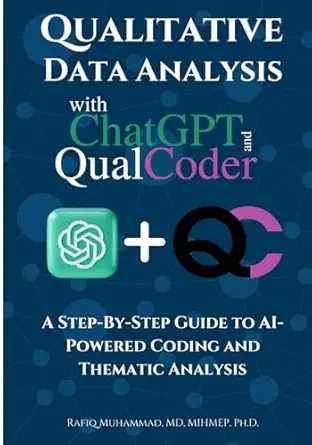 | Best for Specialized Research Applications | Focus Area: Qualitative Data Analysis | Tools Covered: ChatGPT, Qualcoder | Application Type: Research Workflow | VIEW LATEST PRICE | See Our Full Breakdown |
| AI-Assisted Coding: A Practical Guide for Software Development with ChatGPT, GitHub Copilot, and More |  | Best for Practical Software Development | Tools Covered: ChatGPT, GitHub Copilot, Ollama, Aider | Application Focus: Workflow Integration | Practicality: High | VIEW LATEST PRICE | See Our Full Breakdown |
| Claude AI Mastery: The No-Fluff Guide to Writing, Research, and Coding with Anthropic’s Powerful Assistant |  | Best for Concise Practical Use of Claude AI | AI Model: Claude AI | Focus Areas: Writing, Research, Coding | Guide Style: Concise, No-Fluff | VIEW LATEST PRICE | See Our Full Breakdown |
| Cursor AI Simplified: Beginner’s Guide to AI Coding Assistants |  | Best for Novice Developers | Target Audience: Beginners | Content Depth: Introductory | Focus: Basic Concepts and Examples | VIEW LATEST PRICE | See Our Full Breakdown |
| Generative AI-Powered Assistant for Developers – Amazon Q Developer |  | Best for Amazon Ecosystem Users | Platform: Amazon Q Developer | Features: AI-driven code suggestions, workflow automation | Ecosystem: Amazon Cloud | VIEW LATEST PRICE | See Our Full Breakdown |
| AI Coding Assistants Beginner Guide: Using AI Tools for Learning, Debugging, and Building Apps |  | Best for Novice Learners | Focus Area: Beginner-friendly AI coding and debugging | Coverage: Basic programming concepts, app development, website creation | Guidance Style: Step-by-step instructions | VIEW LATEST PRICE | See Our Full Breakdown |
| AI Programming Made Practical: A Step-by-Step Guide to Building AI-Powered Applications and Using Modern Tools |  | Best for Professional Developers | Format: Book | Focus: Building AI applications, code efficiency | Approach: Step-by-step | VIEW LATEST PRICE | See Our Full Breakdown |
| AI-Powered Developer: Build great software with ChatGPT and Copilot |  | Best for Practical AI Tool Users | Tools Covered: ChatGPT, Copilot | Focus: Practical productivity | Workflow Type: Daily coding routines | VIEW LATEST PRICE | See Our Full Breakdown |
| Mastering Cursor 2.0: The Complete Guide to AI-Powered Coding, Multi-Agent Workflows, and Intelligent Software Automation | 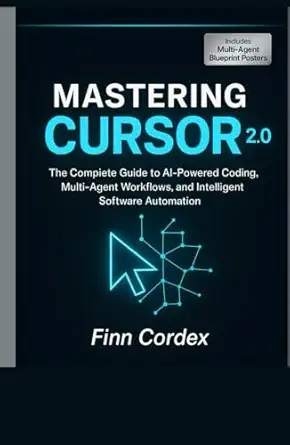 | Best for Automation Enthusiasts | Focus: Multi-agent workflows, automation | Depth: Advanced | Target Audience: Automation-focused developers | VIEW LATEST PRICE | See Our Full Breakdown |
| Windsurf AI for Beginners: Code Without Limits: From Idea to Deployment — How AI-Powered Coding Transforms Beginners into Full-Stack Developers |  | Best for Aspiring Full-Stack Beginners | Focus: Beginner to full-stack development | Approach: From idea to deployment | Target Audience: Beginners and aspiring developers | VIEW LATEST PRICE | See Our Full Breakdown |
| Mastering Tabnine AI : A Beginner’s Path to Faster, Smarter Coding (AI Coding Assistants Book 1) |  | Best for Beginners Learning AI-Enhanced Coding | Target Audience: Beginners, aspiring developers | Focus: Practical beginner-level AI coding concepts | Coverage: Basic usage of Tabnine | VIEW LATEST PRICE | See Our Full Breakdown |
| Vibe Coding with Claude, The AI-Powered Developer’s Handbook: Master Terminal Workflows, Automate Development Tasks, and Ship Production-Ready Applications Using Advanced AI Assistance |  | Best for Power Users and Automation Enthusiasts | Target Audience: Intermediate to advanced developers | Focus: Terminal automation and workflow optimization | Features: AI-driven task automation, production deployment | VIEW LATEST PRICE | See Our Full Breakdown |
| Claude Code Pro for Developers: Unlocking the Power of AI Coding Assistants in Modern Software Engineering (Engineered: Data, AI, and DevOps Book 11) |  | Best for Experienced Developers Integrating AI into Modern Workflows | Target Audience: Experienced developers and DevOps professionals | Focus: AI integration in data, development, and deployment | Coverage: Advanced AI techniques in modern engineering | VIEW LATEST PRICE | See Our Full Breakdown |
More Details on Our Top Picks
Qualitative Data Analysis With Chatgpt And Qualcoder: A Step-By-Step Guide To AI-Powered Coding And Thematic Analysis (AI-Powered Research Toolkit — A Mastering Research Series)
This guide stands out for its focus on qualitative research, combining ChatGPT with Qualcoder to streamline thematic analysis. Compared with more general coding assistants like Cursor AI Simplified, it offers depth in research methodology but is less suited for traditional software development. Its step-by-step approach makes it ideal for researchers aiming to incorporate AI into data analysis workflows, though it may lack the versatility needed for coding-intensive tasks. The absence of technical specs and limited applicability outside research contexts mark its tradeoffs.
Pros:- Integrates ChatGPT with qualitative analysis software for streamlined research workflows
- Provides detailed, step-by-step guidance suitable for research novices
- Enhances efficiency in thematic coding and data interpretation
Cons:- Limited relevance for general software development tasks
- Lacks technical specifications or advanced AI features for coding
Best for: Researchers and academics focusing on qualitative data analysis who need structured AI support.
Not ideal for: Software developers seeking a tool for coding and debugging, as this is tailored to research workflows and thematic analysis.
- Focus Area:Qualitative Data Analysis
- Tools Covered:ChatGPT, Qualcoder
- Application Type:Research Workflow
- Guide Style:Step-by-step
- Intended Audience:Researchers and Academics
- Depth:Introductory to Intermediate
Bottom line: This book is best suited for researchers needing AI assistance in qualitative data analysis, not for traditional software coding tasks.
AI-Assisted Coding: A Practical Guide for Software Development with ChatGPT, GitHub Copilot, and More
This book makes the most sense for developers eager to incorporate multiple AI tools like ChatGPT, GitHub Copilot, Ollama, and Aider into their workflows. Unlike Qualitative Data Analysis With Chatgpt, which focuses on research, this guide emphasizes hands-on techniques for coding efficiency and quality. Its coverage of diverse tools offers flexibility, but the rapid pace of AI tool updates could make some advice outdated quickly. It’s a practical choice for developers ready to experiment with AI-driven coding, though it assumes a baseline familiarity with programming concepts.
Pros:- Covers a range of AI tools, enabling versatile workflow enhancements
- Focuses on real-world implementation techniques for improving code quality and speed
- Provides practical strategies for integrating AI into existing development processes
Cons:- Tool-specific content risks becoming outdated as AI features evolve
- Requires some prior coding knowledge to fully utilize recommendations
Best for: Software developers looking to integrate multiple AI assistants into their daily coding routines.
Not ideal for: Complete beginners with no prior coding experience, as it assumes some foundational knowledge.
- Tools Covered:ChatGPT, GitHub Copilot, Ollama, Aider
- Application Focus:Workflow Integration
- Practicality:High
- Target Audience:Intermediate to Advanced Developers
- Update Frequency:Tool-specific, potentially quickly outdated
- Approach:Hands-on, example-driven
Bottom line: This guide suits developers aiming to enhance productivity with multiple AI tools, assuming a basic coding background.
Claude AI Mastery: The No-Fluff Guide to Writing, Research, and Coding with Anthropic’s Powerful Assistant
This resource excels for users who want a quick, effective way to leverage Claude AI for writing, research, and coding without wading through unnecessary details. Unlike AI-Assisted Coding, which covers multiple tools, this guide centers on Anthropic’s Claude AI, offering focused advice on maximizing its capabilities. Its brevity is a strength for busy professionals but leaves out deep technical insights or complex implementation examples. It’s perfect for those who want a straightforward, no-fluff introduction to Claude AI’s potential.
Pros:- Concise, focused guidance on using Claude AI for multiple tasks
- Designed as a practical, no-fluff reference for quick results
- Highlights effective strategies for writing, research, and coding
Cons:- Limited depth on advanced or niche Claude AI features
- Lacks detailed real-world implementation examples
Best for: Professionals who prefer a quick, practical reference to maximize Claude AI’s productivity features.
Not ideal for: Developers seeking in-depth technical guidance or advanced feature exploration beyond basic use cases.
- AI Model:Claude AI
- Focus Areas:Writing, Research, Coding
- Guide Style:Concise, No-Fluff
- Audience:Busy Professionals
- Depth:Basic to Intermediate
- Application:Productivity Enhancement
Bottom line: Ideal for users seeking a quick, targeted guide to harness Claude AI’s core functionalities efficiently.
Cursor AI Simplified: Beginner’s Guide to AI Coding Assistants
This book is tailored for those just starting with AI-powered coding tools, offering simplified explanations and practical examples to demystify AI concepts. Compared with AI-Assisted Coding, which assumes some prior knowledge, it provides a gentle introduction suitable for absolute beginners. However, its lack of depth and technical specifics means it won’t satisfy more experienced developers looking for advanced techniques. It’s a good starting point for newcomers but leaves many questions unanswered for seasoned coders.
Pros:- Clear, straightforward explanations of AI coding concepts
- Practical, beginner-friendly examples
- Accessible language for newcomers
Cons:- Limited depth, not suitable for advanced users
- No detailed technical specifications or advanced use cases
Best for: Total beginners who need clear, simple guidance to start using AI coding assistants.
Not ideal for: Experienced developers seeking detailed technical insights or complex workflows.
- Target Audience:Beginners
- Content Depth:Introductory
- Focus:Basic Concepts and Examples
- Technical Specs:Not specified
- Ease of Use:High
- Application Level:Fundamental
Bottom line: This guide is perfect for absolute beginners looking for an easy introduction to AI coding tools.
Generative AI-Powered Assistant for Developers – Amazon Q Developer
This AI assistant is designed to accelerate development workflows within the Amazon Q Developer ecosystem, offering AI-driven code suggestions and workflow streamlining. Compared to AI-Assisted Coding or Claude AI Mastery, which focus on broader AI tools, this product is tailored for those already invested in Amazon’s cloud and development environment. Its productivity gains depend heavily on familiarity with Amazon Q Developer, making it less accessible for general users. The learning curve is moderate, but the integration benefits can be significant for the right audience.
Pros:- Seamless integration with Amazon Q Developer tools
- AI-driven code suggestions that accelerate development
- Streamlines workflows within a specific ecosystem
Cons:- Requires familiarity with Amazon Q Developer ecosystem
- May involve a learning curve for new users outside Amazon platform
Best for: Developers working within Amazon Q Developer environments who want to boost productivity using AI assistance.
Not ideal for: Developers outside the Amazon ecosystem or those seeking a general-purpose AI coding guide.
- Platform:Amazon Q Developer
- Features:AI-driven code suggestions, workflow automation
- Ecosystem:Amazon Cloud
- User Level:Intermediate to Advanced
- Integration:Deep within Amazon tools
- Ideal For:Amazon ecosystem developers
Bottom line: This AI assistant is best for developers embedded in Amazon Q Developer workflows seeking productivity enhancements.
AI Coding Assistants Beginner Guide: Using AI Tools for Learning, Debugging, and Building Apps
This guide stands out for its clear, step-by-step approach tailored to beginners who want to understand how AI can assist in coding, debugging, and creating websites. Unlike more advanced resources like Mastering Cursor 2.0, it emphasizes foundational skills and practical applications without overwhelming the user. However, its focus on basic concepts means it may not satisfy seasoned developers seeking deep technical insights or platform-specific instructions. The guide effectively simplifies complex tasks, making it ideal for those just starting out, but it offers limited depth for experienced programmers looking for advanced automation strategies.
Pros:- Covers essential AI tools for learning and debugging
- Provides step-by-step guidance suited for beginners
- Focuses on practical applications like app and website creation
Cons:- Lacks depth needed by advanced coders
- Limited to general AI tool usage without platform specialization
Best for: Beginners and students new to coding who need practical, easy-to-follow guidance
Not ideal for: Experienced developers seeking advanced AI automation techniques or platform-specific workflows
- Focus Area:Beginner-friendly AI coding and debugging
- Coverage:Basic programming concepts, app development, website creation
- Guidance Style:Step-by-step instructions
- Platform Focus:General AI tools
- Intended Audience:Novice programmers and students
- Depth:Introductory
Bottom line: This guide is perfect for newcomers looking to incorporate AI into their early coding journey, but not for seasoned developers seeking advanced automation.
AI Programming Made Practical: A Step-by-Step Guide to Building AI-Powered Applications and Using Modern Tools
Compared with the beginner-focused AI Coding Assistants Beginner Guide, this book offers a structured, detailed roadmap for developers aiming to build AI-powered applications efficiently. Its step-by-step approach emphasizes modern tools and optimization techniques, making it suitable for those already familiar with basic coding but wanting to deepen their AI integration skills. The lack of explicit hands-on exercises, however, might leave some learners seeking more interactive practice a bit underserved. For developers comfortable with foundational coding, this guide bridges the gap to advanced AI application development without overwhelming with overly technical jargon.
Pros:- Structured, step-by-step instructions for practical AI integration
- Covers modern AI tools and code optimization techniques
- Focuses on real-world application building
Cons:- No explicit hands-on coding exercises in the book
- May be too detailed for complete beginners
Best for: Intermediate to advanced developers ready to implement AI in real-world applications
Not ideal for: Absolute beginners with no prior programming experience or those seeking hands-on coding exercises
- Format:Book
- Focus:Building AI applications, code efficiency
- Approach:Step-by-step
- Tools Covered:Modern AI tools
- Target Audience:Intermediate developers
- Hands-On:Limited
Bottom line: This guide suits developers looking to advance from basic coding to deploying AI-powered applications with practical, structured guidance.
AI-Powered Developer: Build great software with ChatGPT and Copilot
This product excels at showcasing how ChatGPT and Copilot can be integrated into daily development workflows, making it ideal for developers who want to leverage these tools for real productivity gains. Unlike the more comprehensive Mastering Cursor 2.0, which explores multi-agent workflows and automation, this pick focuses on practical, immediate use cases with popular AI assistants. The absence of detailed automation strategies or multi-agent workflows means it’s less suited for those aiming to overhaul complex development pipelines. Instead, it offers straightforward tips for improving coding speed and accuracy with familiar tools.
Pros:- Clear focus on using ChatGPT and Copilot effectively
- Enhances productivity with familiar AI tools
- Easy to implement in daily workflows
Cons:- Limited scope—does not cover automation or multi-agent workflows
- Lacks in-depth technical strategies beyond tool usage
Best for: Developers seeking immediate, practical AI assistance in their coding routines
Not ideal for: Developers interested in multi-agent workflows or advanced automation beyond ChatGPT and Copilot
- Tools Covered:ChatGPT, Copilot
- Focus:Practical productivity
- Workflow Type:Daily coding routines
- Automation:Basic
- Intended Audience:Developers using ChatGPT and Copilot
- Complexity:Beginner to intermediate
Bottom line: This is an excellent choice for developers who want quick, actionable tips on boosting productivity with popular AI assistants, but not for those seeking complex automation solutions.
Mastering Cursor 2.0: The Complete Guide to AI-Powered Coding, Multi-Agent Workflows, and Intelligent Software Automation
This comprehensive guide surpasses basic AI assistance by exploring multi-agent workflows, automation, and intelligent software automation, making it ideal for developers who want to automate complex tasks and orchestrate multiple AI agents. Compared with AI Programming Made Practical, which emphasizes step-by-step application building, Mastering Cursor 2.0 dives into automation architectures that can transform entire development pipelines. Its depth, however, might overwhelm beginners or those only interested in simple AI coding tips. This pick is best suited for engineers looking to implement advanced AI automation and multi-agent coordination in their projects.
Pros:- Extensive coverage of multi-agent workflows and automation
- Focus on intelligent software automation for complex tasks
- Helps automate entire development pipelines
Cons:- Steep learning curve for newcomers
- Overkill for simple AI coding needs
Best for: Advanced developers and automation specialists seeking to overhaul or streamline complex workflows
Not ideal for: Beginners or developers looking for basic AI coding guidance without automation complexity
- Focus:Multi-agent workflows, automation
- Depth:Advanced
- Target Audience:Automation-focused developers
- Coverage:Complex AI orchestration
- Use Cases:Streamlining large-scale development pipelines
- Ease of Use:Challenging for beginners
Bottom line: This guide is best for experienced developers aiming to implement sophisticated AI automation and multi-agent workflows in their projects.
Windsurf AI for Beginners: Code Without Limits: From Idea to Deployment — How AI-Powered Coding Transforms Beginners into Full-Stack Developers
Compared to the more technical Mastering Cursor 2.0, this book emphasizes the transformative journey of beginners becoming full-stack developers through AI-powered tools. Its focus on guiding new programmers from idea inception to deployment makes it ideal for those eager to see tangible results quickly. However, its lack of advanced automation or multi-agent workflows means it’s less suited for developers seeking to automate complex tasks or optimize large-scale projects. Instead, it offers a motivating, accessible pathway for beginners to grow into capable full-stack developers with AI as their partner.
Pros:- Accessible from idea to deployment
- Transforms beginners into full-stack developers
- Focuses on hands-on project development
Cons:- Limited automation or advanced AI workflow coverage
- Less suitable for experienced developers
Best for: Beginners and aspiring full-stack developers eager to learn end-to-end project building with AI
Not ideal for: Experienced developers or those looking for in-depth automation or multi-agent workflows
- Focus:Beginner to full-stack development
- Approach:From idea to deployment
- Target Audience:Beginners and aspiring developers
- Automation:Limited
- Workflow:End-to-end project building
- Complexity:Beginner to intermediate
Bottom line: This pick is ideal for beginners who want a comprehensive, inspiring guide to becoming full-stack developers with AI assistance, but not for those seeking automation mastery.
Mastering Tabnine AI : A Beginner’s Path to Faster, Smarter Coding (AI Coding Assistants Book 1)
This book stands out for its clear, step-by-step approach tailored specifically to newcomers eager to incorporate AI into their coding workflow. Unlike more technical guides like Claude Code Pro, which target experienced developers, this resource focuses on foundational concepts, making AI-powered coding accessible. It effectively breaks down how to leverage tools like Tabnine for faster, smarter development, but it doesn’t delve deeply into complex integrations or advanced AI features, which may leave seasoned programmers wanting more. The book’s simplicity is its strength, though it sacrifices depth for clarity.
Pros:- Very accessible for those new to AI-powered coding
- Clear explanations and step-by-step instructions
- Focuses specifically on practical implementation with Tabnine
Cons:- Limited coverage of advanced AI features or complex workflows
- Not suitable for experienced programmers looking for depth
Best for: Beginners who want an easy, structured introduction to AI coding tools and workflows
Not ideal for: Experienced developers seeking advanced AI integration techniques or in-depth technical insights
- Target Audience:Beginners, aspiring developers
- Focus:Practical beginner-level AI coding concepts
- Coverage:Basic usage of Tabnine
- Approach:Step-by-step tutorials
- Format:Book with instructional content
- Level:Beginner
Bottom line: This book makes the most sense for beginners who need a straightforward introduction to AI coding assistants without overwhelming technical detail.
Vibe Coding with Claude, The AI-Powered Developer’s Handbook: Master Terminal Workflows, Automate Development Tasks, and Ship Production-Ready Applications Using Advanced AI Assistance
Compared with Mastering Tabnine AI, which targets newcomers, this handbook is better suited to experienced developers aiming to deepen their AI toolset for automation and productivity. It excels at guiding users through complex terminal workflows and automating development tasks, making it a strong choice for those who want to streamline large-scale projects with AI assistance. However, its focus on advanced automation can be overwhelming for beginners and may require prior familiarity with command-line environments. This book provides comprehensive strategies but sacrifices accessibility for depth and sophistication.
Pros:- In-depth coverage of terminal workflows and automation
- Focus on deploying production-ready applications
- Advanced AI techniques for experienced developers
Cons:- Steep learning curve for newcomers
- Requires prior familiarity with terminal commands and scripting
Best for: Intermediate to advanced developers seeking to automate workflows and optimize productivity with AI tools
Not ideal for: Beginners or those new to command-line interfaces who need basic guidance
- Target Audience:Intermediate to advanced developers
- Focus:Terminal automation and workflow optimization
- Features:AI-driven task automation, production deployment
- Depth:Advanced technical strategies
- Format:Handbook/manual
- Level:Intermediate/Advanced
Bottom line: This handbook is ideal for developers already comfortable with coding who want to leverage AI for automation and efficiency gains.
Claude Code Pro for Developers: Unlocking the Power of AI Coding Assistants in Modern Software Engineering (Engineered: Data, AI, and DevOps Book 11)
Compared to the more beginner-focused Mastering Tabnine AI, Claude Code Pro is designed for seasoned developers who want to embed AI deeply into their software engineering practices. It covers a broad spectrum of topics, from data management to DevOps, positioning itself as a comprehensive resource for modern AI-assisted development. The complexity and depth make it less accessible to newcomers, but it offers valuable insights for those looking to optimize large-scale, modern software projects. The tradeoff is a steeper learning curve and the need for prior experience in AI and DevOps pipelines.
Pros:- Extensive coverage of AI integration in software engineering
- Focus on data, AI, and DevOps workflows
- Designed for modern, large-scale projects
Cons:- Highly technical, not beginner-friendly
- Requires prior familiarity with AI, data management, and DevOps
Best for: Experienced software engineers looking to incorporate AI across data, development, and deployment pipelines
Not ideal for: Beginners or developers seeking straightforward, task-specific AI guidance
- Target Audience:Experienced developers and DevOps professionals
- Focus:AI integration in data, development, and deployment
- Coverage:Advanced AI techniques in modern engineering
- Depth:Deep and comprehensive
- Format:Technical guide/book
- Level:Advanced
Bottom line: This book suits experienced developers aiming to embed AI into every stage of modern software engineering, despite its complexity.

How We Picked
Our evaluation focused on performance, usability, and value. We looked for tools that demonstrate reliable code suggestions, intuitive interfaces, and seamless integration with common development environments. We also considered pricing models, customer feedback, and the breadth of features offered, aiming to identify solutions suitable for both beginners and experienced developers. Products were ranked based on their ability to enhance coding efficiency without sacrificing ease of use, ensuring that each recommendation serves a distinct user profile.
Factors to Consider When Choosing AI-powered Coding Assistants
Choosing the right AI-powered coding assistant depends on your specific development needs and experience level. While all tools aim to boost productivity, key factors like integration, feature depth, and cost can vary widely. Understanding these considerations helps avoid common pitfalls, such as overpaying for unnecessary features or selecting a tool incompatible with your workflow. Here are some factors to guide your decision.Compatibility and Integration
Ensure the AI assistant integrates smoothly with your preferred IDEs, version control systems, and cloud services. Compatibility can significantly reduce setup time and improve workflow efficiency. Some tools are optimized for specific environments like Visual Studio Code or JetBrains, so check that your primary development tools are supported to avoid frustration and productivity loss.
Feature Set and Depth
Assess whether the assistant offers features aligned with your needs—such as code completion, debugging, documentation generation, or multi-language support. Advanced features often require higher costs but can deliver substantial time savings for complex projects. Beginners may prefer simpler tools that focus on basic code suggestions to avoid overwhelm.
Pricing and Value
Pricing models range from free tiers to premium subscriptions. Free options are ideal for learners or hobbyists, but paid plans often unlock more sophisticated features and better accuracy. Balance your budget against the features you need—investing in a more capable tool can pay off in faster development and fewer errors.
User Experience and Learning Curve
Consider how intuitive the interface is. A steep learning curve can negate productivity benefits, especially for beginners. Look for tools with clear documentation, onboarding guides, and active support communities. A smoother experience leads to quicker adoption and more consistent gains.
Data Privacy and Security
Since these tools process your code, understanding how your data is handled is vital, especially for proprietary or sensitive projects. Review the provider’s privacy policies and data handling practices. Choosing a trusted vendor helps protect your intellectual property and maintain compliance with security standards.
Frequently Asked Questions
Can AI-powered coding assistants replace human developers?
While AI coding assistants significantly enhance productivity and help automate repetitive tasks, they are not substitutes for human developers. They excel at generating suggestions, debugging, and automating routine work but lack the nuanced understanding and creativity of experienced programmers. These tools are best viewed as collaborators that augment your skills, allowing you to focus on higher-level problem-solving.
Are AI coding assistants suitable for all programming languages?
Most popular AI assistants support multiple programming languages, but their effectiveness varies depending on language popularity and training data. For widely used languages like Python, JavaScript, and Java, these tools tend to perform well. Less common or specialized languages may have limited support, so verify compatibility before investing heavily in a particular tool.
What should I consider when choosing between free and paid AI coding assistants?
Free tools are excellent for learning, experimentation, and hobby projects, offering basic features that can boost productivity. Paid options typically provide more advanced code suggestions, better accuracy, and integrations, which can be worthwhile for professional or complex development tasks. Evaluate your project requirements and budget to determine whether the extra investment aligns with your goals.
How do AI coding assistants impact code quality and security?
These tools can improve code quality by reducing typos and suggesting best practices, but they can also introduce risks if suggestions are inaccurate or insecure. Always review AI-generated code thoroughly, especially for security-sensitive applications. Choosing tools with a strong reputation and regular updates helps ensure that suggestions align with current best practices and security standards.
Will using an AI assistant slow down my workflow due to constant prompts or distractions?
This depends on the tool’s design and your personal workflow. Some assistants can be configured to minimize interruptions, focusing suggestions only when needed. Effective use involves customizing settings to suit your pace and workflow style. Over time, many users find that these tools streamline their process, freeing up mental bandwidth for more complex tasks.
Conclusion
For seasoned developers seeking a comprehensive and versatile assistant, GitHub Copilot remains the best overall choice due to its deep integrations and advanced features. Beginners or those on a budget will find Cursor AI and Tabnine ideal for starting out without overwhelming complexity. For those willing to invest in premium performance, tools like Claude AI Mastery and Claude Code Pro offer refined capabilities. Ultimately, aligning your choice with your experience level, project scope, and budget will lead to the greatest productivity gains in 2026.
Halloween Picks
halloween
As an affiliate, we earn on qualifying purchases.