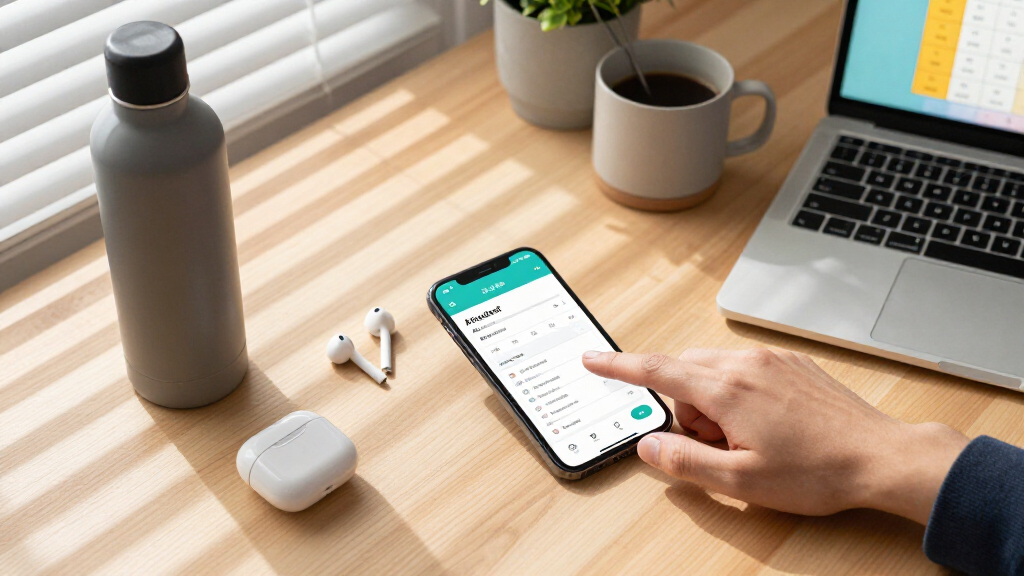

AI-powered student planners split into two camps in 2026: traditional paper planners that pair with smart apps for reminders and digital syncing, and AI-driven study guides that teach students how to use tools like chatbots to plan research and manage workload. My top overall pick is the Excello Brands Academic Year Paper Planner with Rocketplanner App Compatibility, because it bridges both worlds — a durable dated paper planner backed by an app that handles scheduling nudges. For pure budget value, the Global Datebooks Middle & High School planner keeps costs low while covering every school week, and for students who want to learn AI study skills rather than just log assignments, The AI-Powered Scholar is the strongest of the book-style options. The main tradeoff you’ll face is app integration versus simplicity: smart features only help if your student will actually use them. Keep reading for the full breakdown of all 14.

Get business pricing on tech for your team
- Business-only prices and quantity discounts
- Tax-exempt purchasing
- Multiple users, one account, clear invoices
Key Takeaways
- Only one product in this lineup offers true paper-to-app integration (the Excello Brands planner with Rocketplanner), which is why it takes the top spot despite mid-tier print quality.
- The three AI education books are teaching tools, not planners — they rank lower for scheduling but stand out for students who want to build AI research and study habits.
- Global Datebooks appears three times in this roundup at three different sizes; the 7″ x 9″ middle/high school edition hits the best balance of portability and writable space per dollar.
- Sticker bundles and laminated tabs (picks 5, 12, and 13) reliably raised prices by $3–6 without improving weekly layouts — skip them unless a younger student genuinely enjoys decorating.
- Elementary buyers should go straight to the Global Datebooks Elementary planner; every other option assumes middle or high school workloads and wastes pages on features younger kids won’t use.


| AI-powered student planner | Size | Binding | Academic Year |
|---|---|---|---|
| Student Planner 2026-2027 | 8.3" x 10.9" | Spiral bound | July 2026 – June 2027 |
| Student Planner 2026-2027 | 11 x 8.3 inches (landscape) | Golden twin-wire | July 2026 – June 2027 |
| Global Datebooks 2026-2027 Mid | 8.5" x 11" | Spiral | — |
| AI for Educators Made Easy: Un | — | — | — |
| Student Planner 2026-2027 Mont | 8.2" x 10.7" | Spiral | August 2026 – June 2027 |
| The AI-Powered Scholar: Transf | — | — | — |
| Global Datebooks 2026-2027 Ele | 8.5" x 11" | Spiral | — |
| Global Datebooks 2026-2027 Mid | 7" x 9" | Spiral | 2026–2027 |
| The Power of AI for Educators: | — | — | — |
| Aesthetic 2027 Student Planner | — | Spiral | — |
| Excello Brands Academic Year P | — | — | May 2026 – June 2027 |
| Student Planner 2026-2027 | 8.5" x 10.5" | Twin-wire | July 2026 – June 2027 |
| Global Datebooks 2026-2027 Mid | 5.5" x 8.5" | Spiral | 2026-2027 |
| Student Planner 2026-2027 Midd | 8.5" x 11" | — | 2026-2027 school year |
More Details on Our Top Picks
Student Planner 2026-2027, 8.3″ x 10.9″, Black Spiral Bound Academic Organizer
While the roundup’s title promises AI-powered planning, most options here are analog — and this one earns its place with the most spacious writing real estate of the dated planners in this batch. The 8.3″ x 10.9″ pages give room to track six classes plus personal goals without cramming, which matters for students juggling heavy course loads. Compared with the pink 8.2″ x 10.7″ planner below, this model trades sticker fun for dedicated study support sections, a smarter use of page count for high schoolers prepping for exams. The water-resistant cover is a genuine durability edge over Global Datebooks’ standard cardstock. The tradeoff is portability: it won’t slip into a small backpack pocket, and spiral binding shows wear by spring semester. Students wanting app integration should look at the Excello Brands planner with Rocketplanner compatibility instead.
Pros:- Roomy pages accommodate multiple subjects without crowding
- Study support pages add real academic value beyond calendars
- Water-resistant cover survives spills better than standard covers
- Colorful interior pages make sections easy to find at a glance
Cons:- Large footprint makes it awkward to carry between classes
- Spiral binding is prone to bending and coil damage over a full year
Best for: High school and college students with heavy course loads who write detailed notes per subject and keep their planner in one bag
Not ideal for: Students who shuttle between many classes and need something that fits a jacket pocket or small sleeve — the footprint is unforgiving
- Size:8.3″ x 10.9″
- Academic Year:July 2026 – June 2027
- Cover:Water-resistant
- Binding:Spiral bound
- Layout:Dated monthly and weekly
- Extras:Study support sections
Our verdict“This pick makes the most sense for students who plan at a desk and want maximum writing space per week.”
Student Planner 2026-2027, 11 x 8.3 inches
Build quality is where this planner separates itself. The golden twin-wire binding lets pages lay completely flat and turn without snagging — a daily frustration with cheaper spirals like the one on the 8.3″ x 10.9″ organizer above. Its horizontal 11 x 8.3 format gives weekly spreads a wide, scannable shape that suits students who like seeing the whole week at eye level, in contrast to the taller, column-heavy layouts elsewhere in this lineup. Motivational quotes and holiday reminders are a nice touch for students who need periodic nudges, though they’re decoration, not function. Be clear-eyed about what’s missing: zero digital or app integration, so anyone drawn to this roundup for tech-enhanced planning should jump to the Excello Brands planner with Rocketplanner compatibility. Design customization is also minimal compared with the sticker-equipped pink planner.
Pros:- Twin-wire binding lays flat and turns pages smoothly
- Wide landscape spreads make full weeks easy to scan
- Quality white paper resists show-through from gel pens
- Motivational quotes and holiday cues keep momentum through the year
Cons:- No digital or app integration of any kind
- Landscape format is unusually wide for smaller bags
- Few design or color customization options
Best for: Students who write at a desk or table and value smooth, lay-flat pages and clean weekly overviews
Not ideal for: Tech-forward students expecting app pairing or digital reminders — this is purely paper
- Size:11 x 8.3 inches (landscape)
- Academic Year:July 2026 – June 2027
- Pages:12 months of monthly and weekly pages
- Binding:Golden twin-wire
- Paper:High-quality white paper
- Extras:Notes, goals sections, motivational quotes, holiday reminders
Our verdict“Compared with similar options, this one wins on physical craftsmanship for desk-based planners who care about how a page feels.”
Global Datebooks 2026-2027 Middle & High School Student Planner 8.5″ x 11″
This is the most complete out-of-the-box package in the batch: ruler, bookmark, stickers, and study resource pages arrive alongside the dated layouts, which is why it works so well as a first real planner for middle schoolers learning the habit. Compared with the pink 8.2″ x 10.7″ planner, this one leads on accessories and study resources rather than aesthetics, and it covers August through June — aligning with a standard school calendar rather than the July start some competitors use, so summer-month pages don’t go to waste. The stickers genuinely help younger students who won’t yet write full sentences about assignments. The tradeoffs are real, though: it’s strictly a one-year, single-use planner with no undated flexibility, and the 8.5″ x 11″ size is the same footprint as a textbook, which some kids will resent carrying. The 7″ x 9″ Global Datebooks version solves that at the cost of writing space.
Pros:- Ruler, bookmark, and stickers lower the barrier for first-time planners
- Study resource pages double as quick academic references
- August-June coverage matches the actual school calendar
- Durable spiral binding and colorful cover hold up to daily backpack abuse
Cons:- Dated pages make it useless after June 2027
- Full letter-size format is heavy alongside textbooks
- Study resources skew toward younger students, less useful for high schoolers
Best for: Middle school students (and parents buying for them) who need an all-in-one kit that makes planning feel approachable
Not ideal for: Students who want a planner they can reuse or carry alongside a full textbook load — it’s dated, disposable, and bulky
- Format:Dated weekly & monthly
- Size:8.5″ x 11″
- Coverage:August 2026 – June 2027
- Binding:Spiral
- Accessories:Ruler/bookmark, stickers
- Extras:Study resource pages
Our verdict“This model is better suited to middle schoolers getting organized for the first time than to self-sufficient high school students.”
AI for Educators Made Easy: Unlock the Power of Artificial Intelligence to Enhance Teaching Effectiveness, Boost Student Engagement, and Embrace Ethical Practices
The lone entry in this lineup aimed at the adult side of the desk. Where the paper planners organize a single student’s week, this guide addresses the bigger question teachers and homeschooling parents face: how to actually use AI to design assignments, boost engagement, and set ethical guardrails. Compared with The Power of AI for Educators elsewhere in this roundup, this book leans harder into ethics and classroom practice rather than workload reduction, which makes it the better fit for educators worried about responsible use. The drawback is depth — it’s an entry-level orientation, not a technical manual, so teachers already running AI tools daily will find the early chapters repetitive and the implementation guidance thin. Pair it with a student planner like the Global Datebooks kit if you’re equipping both sides of the homework equation.
Pros:- Translates AI concepts into classroom-ready teaching strategies
- Strong emphasis on ethical AI practices for student work
- Addresses engagement, not just efficiency
- Accessible writing for readers with no technical background
Cons:- Lacks detailed technical implementation guidance for specific tools
- Too broad for educators already fluent in AI
Best for: Teachers and homeschooling parents new to AI who want a practical, ethics-first starting point for classroom use
Not ideal for: Tech-comfortable educators seeking step-by-step tool walkthroughs — the coverage stays broad and conceptual
- Format:Paperback / digital guide
- Audience:Educators and administrators
- Focus Areas:Teaching effectiveness, student engagement, ethical AI use
- Level:Beginner to intermediate
- Approach:Strategy and practice, not tool-specific tutorials
Our verdict“This pick makes the most sense for an educator’s first book on classroom AI — not for anyone past beginner level.”
Student Planner 2026-2027 Monthly & Weekly School Planner for Middle and High School, Aug 2026 – Jun 2027, 8.2″ x 10.7″, with Stickers – Pink
Some students only keep up a planner if they enjoy opening it, and this option is built for exactly that buyer. The pink, sticker-friendly design turns planning into something closer to journaling, and the smudge-resistant paper is a real functional upgrade — left-handed students in particular will notice ink staying put compared with the standard white paper in the 11 x 8.3 landscape planner. Feature-wise it sits between competitors: more polished than a bare monthly/weekly grid, but with fewer accessories than the Global Datebooks 8.5″ x 11″ kit, which throws in a ruler and bookmark on top of stickers. The study schedules and resource pages give it academic substance beyond looks. The main limitation is singular: pink is the only colorway, so anyone wanting a neutral or darker design is out of luck, and it’s still a full-size planner to lug around.
Pros:- Stickers and bright design make daily planning feel rewarding rather than like a chore
- Smudge-resistant paper keeps entries legible all semester
- Study schedules and resource pages add genuine academic structure
- Sturdy spiral binding handles daily backpack wear
Cons:- Single pink colorway with no alternatives
- Full-size format is bulky for students moving between many rooms
Best for: Middle and high school students who stay organized better when the tool itself is fun to customize
Not ideal for: Students (or parents) who want neutral colors — there’s no design alternative to the pink cover
- Size:8.2″ x 10.7″
- Academic Year:August 2026 – June 2027
- Layout:Monthly and weekly planning pages
- Paper:Durable, smudge-resistant
- Binding:Spiral
- Extras:Stickers, resource pages, holidays, study schedules
- Color:Pink
Our verdict“Choose this over planner-looking planners if customization and visual appeal are what keep your student actually using it.”
The AI-Powered Scholar: Transform Every Stage of Your Research With Cutting-Edge AI
Among the AI titles in this roundup, this one carves out a distinct niche: while The Power of AI for Educators targets the teacher’s side of the desk, The AI-Powered Scholar speaks directly to students doing serious academic research. It walks through each phase of the research process, framing AI as a methodology tool rather than a novelty, which is a genuinely useful framing for thesis writers and grad students. The Mastering Research Series pedigree adds credibility for readers who want structured, sequential learning. The tradeoff is transparency: with no chapter details or reader reviews available, buyers are gambling on depth. Compared with paper planners like the Global Datebooks line, this is a knowledge investment, not a scheduling tool — it belongs in your stack alongside a planner, not instead of one.
Pros:- Practical AI strategies mapped to every stage of the research process
- Part of a structured series for building research skills progressively
- Focuses on current, cutting-edge AI tools rather than generic study advice
- Written specifically for scholars rather than general consumers
Cons:- No detailed chapter information available before purchase
- No user reviews or ratings to gauge real-world usefulness
- Content may age quickly as AI research tools evolve
Best for: Graduate students and undergraduate researchers who want to apply AI tools to literature reviews, data analysis, and writing
Not ideal for: K-12 students or anyone wanting a hands-on daily scheduling tool — this is a research methodology book, not a planner
- Type:Paperback / Digital book
- Series:Mastering Research Series
- Focus:AI tools for academic research
- Audience:Scholars, graduate students, researchers
- Coverage:All stages of the research process
- Language:English
Our verdict“A reasonable bet for thesis and dissertation writers who want AI applied specifically to research workflows, though the lack of reviews means buying with some uncertainty.”
Global Datebooks 2026-2027 Elementary Student Planner 8.5″ x 11″
Most planners in this roundup are built for middle and high schoolers, which is exactly why this one earns its slot: it’s the rare option designed for young learners. The oversized 8.5″ x 11″ pages give small hands generous room to write assignments legibly — a real outcome, since cramped layouts are the top reason elementary kids abandon planners. The dated August 2026 to June 2027 weekly and monthly layouts mean zero setup work for parents or teachers, unlike undated alternatives. Bonus planning stickers and a ruler bookmark turn planning into something kids actually want to do. The tradeoff is portability; at this size it lives in a backpack or desk rather than a pocket, and compared with the sleeker Aesthetic 2027 Student Planner, the colorful design skews young. Still, no other pick here serves this age group as well.
Pros:- Large format gives elementary students plenty of room to write
- Dated full academic year means no manual setup
- Planning stickers make organization fun and habit-forming for kids
- Study resource pages support early academic skills
Cons:- 8.5″ x 11″ size is bulky for small backpacks and desk-to-desk carrying
- Design and content are strictly elementary — no growing room
Best for: Parents and teachers of elementary students who want a dated, write-it-down planner with big spaces for young hands
Not ideal for: Middle or high school students — the format, design, and resource pages are pitched below their level
- Size:8.5″ x 11″
- Format:Dated weekly & monthly
- Date Range:August 2026 – June 2027
- Binding:Spiral
- Includes:Ruler/bookmark, planning stickers
- Extras:Educational resource pages
- Audience:Elementary students
Our verdict“The clear choice for elementary students who need a forgiving, engaging first planner, as long as size isn’t a dealbreaker.”
Global Datebooks 2026-2027 Middle & High School Student Planner, 7″ x 9″
This is the Goldilocks option among the school-year planners. Compared with the Global Datebooks 8.5″ x 11″ edition, the smaller 7″ x 9″ footprint makes it far easier to shuttle between classes, while the matrix-style weekly layouts still leave room for multiple subjects — the format teachers typically request. The included study skills resource pages push it ahead of design-first rivals like the Aesthetic 2027 Student Planner, which is prettier but lighter on academic scaffolding. Stickers and the ruler bookmark are nice touches rather than headline features. The tradeoffs are honest ones: it’s locked to the 2026-2027 academic year, so it’s worthless after June, and the colorful cover aesthetic won’t suit every teen. Compared with the 5.5″ x 8.5″ compact planner also in this roundup, this one trades pocketability for usable writing space — a trade most students should make.
Pros:- Matrix-style layouts organize multiple subjects per week clearly
- More portable than the 8.5″ x 11″ version while staying writable
- Study skills pages add academic value beyond blank calendars
- Durable spiral binding survives a year in a backpack
Cons:- Dated to a single academic year — no carryover value
- Cover design may not appeal to style-conscious high schoolers
- Lacks premium extras like laminated tabs or pockets
Best for: Middle and high school students who want a dated, subject-friendly planner that balances portability with writing room
Not ideal for: Students who want a planner they can reuse across years, or teens who find colorful classroom-style covers childish
- Size:7″ x 9″
- Format:Dated weekly & monthly
- Academic Year:2026–2027
- Binding:Spiral
- Includes:Ruler, bookmark, stickers
- Extras:Study skills resource pages
- Audience:Middle & high school students
Our verdict“The most sensible all-around planner for a middle or high school student who needs structure without bulk.”
The Power of AI for Educators: Revolutionize Teaching to Stay Competitive, Reduce Workload, and Personalize Learning
Most items in this roundup serve students directly; this one flips the lens to the adult in the room. Where The AI-Powered Scholar focuses on research methodology, this book argues the case for AI as a workload-reduction and personalization engine — lesson differentiation, engagement, and reclaiming evenings from grading. That framing matters: compared with AI for Educators Made Easy, which leans toward practical ethics and teaching tactics, this title emphasizes staying competitive in a changing profession, which resonates differently with career-minded teachers. The drawback is depth — it reads more as a persuasive overview than a technical manual, so educators wanting step-by-step tool walkthroughs will finish hungry. It’s also not a student product at all, so parents shopping this list can skip it. For teachers curious whether AI deserves a place in their classroom, though, it’s a low-stakes starting point.
Pros:- Directly addresses teacher burnout through workload-reduction strategies
- Strong coverage of personalized learning and student engagement
- Accessible framing for educators new to AI
- Positions AI literacy as a career advantage
Cons:- Light on technical implementation and step-by-step guidance
- No previewable content structure or specifications to evaluate depth
- Overlaps with other AI-for-educators books in this roundup
Best for: Teachers and school staff who want a conceptual case for AI in the classroom, especially workload reduction and personalized learning
Not ideal for: Educators seeking hands-on technical tutorials, or students — this isn’t a study or planning tool
- Type:Book (paperback / digital)
- Focus:AI in teaching and classroom practice
- Key Themes:Personalized learning, workload reduction, engagement
- Audience:Educators and school administrators
- Language:English
- Format Note:Conceptual overview, not a technical manual
Our verdict“A solid motivational primer for teachers exploring AI, but not the pick for anyone who needs concrete tool-by-tool instructions.”
Aesthetic 2027 Student Planner for Middle and High School Students
Some students only stick with a planner if they love using it — and that’s the problem this one solves. The trendy composition-book design gives it shelf appeal that the more utilitarian Global Datebooks 7″ x 9″ planner can’t match, and that matters more than it sounds: a planner that gets used beats a better-organized one that doesn’t. Functionally it covers the essentials — monthly and weekly calendars, goal and exam tracking, notes, and study tips — at a portable everyday size with a sturdy spiral binding. The tradeoff is depth. It lacks the extras that Global Datebooks includes, like a ruler bookmark, stickers, and dedicated study-skills pages, and there’s little information about customization. The design also skews toward younger teens; a college student may find it too cutesy. Choose this for motivation, choose Global Datebooks for structure.
Pros:- Trendy design encourages daily use and habit-building
- Covers goals, tasks, homework, and exams in monthly and weekly views
- Sturdy cover and spiral binding at a portable size
- Built-in study tips add academic support
Cons:- Fewer bonus tools than Global Datebooks rivals at similar prices
- Aesthetic leans young — may not suit juniors, seniors, or college students
- Limited documentation on extra features or customization
Best for: Style-conscious middle and early high school students who need an attractive planner they’ll actually enjoy using daily
Not ideal for: Students who prioritize functional depth — study resource pages, stickers, and extras — or older teens wanting a more mature look
- Brand:ZICOTO
- Model Year:2027 (2026–2027 academic year)
- Format:Monthly & weekly calendars, notes, study tips
- Binding:Spiral
- Design:Composition-book style cover
- Tracks:Goals, tasks, homework, exams
- Audience:Middle & high school students
- Unit Count:1
Our verdict“The right pick when the goal is getting a reluctant planner to actually open it every day — just accept fewer functional extras.”
Excello Brands Academic Year Paper Planner (May 2026 – June 2027) with Rocketplanner App Compatibility
This option stands out as the only planner in this lineup that genuinely earns the AI-powered label, thanks to its Rocketplanner app integration. Handwritten pages can be scanned and pushed into Google, Outlook, or Apple Calendar, which means a paper habit can coexist with phone-based reminders — something the Student Planner 2026-2027 with Stickers and the Matrix planner simply can’t do. The 8.5 x 11 pages on 100gsm paper also give serious writing room for dense course loads.
The tradeoff is friction: students who won’t actually scan their pages get nothing more than a good paper planner, and digital-only users will find the whole workflow backwards compared with a calendar app. The extra steps matter, so this pick makes the most sense for hybrid planners committed to the routine.
Pros:- Scans handwritten schedules into Google, Outlook, and Apple Calendar
- 15-month coverage starts early (May 2026) for summer terms
- Full-size 8.5 x 11 pages on thick 100gsm paper
- Works for both academic and personal organization
Cons:- Digital features depend entirely on smartphone scanning discipline
- Clunky for anyone who prefers a fully digital workflow
Best for: College and high school students who write by hand but rely on digital calendar reminders and will actually scan pages weekly
Not ideal for: Students who want zero extra steps — if the scanning routine won’t stick, the app features are wasted money
- Academic Year:May 2026 – June 2027
- Duration:15 months
- Page Size:8.5 x 11 inches
- Paper Weight:100gsm
- App Compatibility:Rocketplanner app
- Calendar Sync:Outlook, Google, Apple Calendar
Our verdict“Choose this if you want one foot on paper and one in your digital calendar — otherwise buy a cheaper pure-paper option.”
Student Planner 2026-2027, Weekly & Monthly Academic Year Calendar with Stickers, Flexible Cover, Pocket, Laminated Tabs
Where the Excello Brands planner wins on smart integration, this one wins on sheer organizational polish: a waterproof flexible cover, laminated tabs, a storage pocket, sticker sheets, and both weekly and monthly spreads all come standard. Compared with the bare-bones Matrix 8.5 x 11 planner, it simply offers more tools for the money, and the twin-wire binding survives backpack abuse better than most.
The catch is density. Quote pages, stickers, and decorative layouts make it feel busy, which matters for students who just want blank space to write. At 8.5 x 10.5 inches it also sits toward the bulky end — closer to a desk planner than something tossed in a small bag. This model is better suited to students who treat planning as a small ritual rather than a quick log.
Pros:- Waterproof cover and laminated tabs hold up to a full year of backpack wear
- Both weekly and monthly views in one book
- Includes stickers, notes pages, and a storage pocket
- Twin-wire binding lies flat for easier writing
Cons:- Decorated pages can feel cluttered for no-frills users
- Sizable footprint makes daily carrying less convenient
Best for: Middle and high school students who enjoy an interactive planning routine with stickers, tabs, and pockets
Not ideal for: Minimalists and students with tiny bags — the size and busy layouts work against them
- Academic Year:July 2026 – June 2027
- Size:8.5″ x 10.5″
- Cover:Waterproof flexible cover
- Binding:Twin-wire
- Layout:Weekly and monthly spreads
- Includes:Stickers, laminated tabs, pocket, notes pages
Our verdict“The best-equipped pure-paper planner here — pick it if you want built-in organizational extras and don’t mind the visual noise.”
Global Datebooks 2026-2027 Middle & High School Student Planner, 5.5″ x 8.5″ with Ruler, Stickers, and Study Resources
This Global Datebooks model solves the problem the Student Planner with Stickers and the Excello both create: size. At 5.5 x 8.5 inches, it slides into a small backpack pocket, and the block-style weekly layout keeps each subject visible at a glance — a genuinely useful format for students juggling six or seven classes. Bonus study resource pages and an included ruler add value without adding much cost.
Be aware of what portability costs you: writing space per day is tighter than on the full-size Matrix planner, and it’s strictly a one-year tool with no digital tie-in whatsoever. Compared with the Excello’s app sync, this is analog all the way down. This pick makes the most sense for younger students who carry everything, everywhere, every day.
Pros:- Compact 5.5 x 8.5 size fits small bags and lockers
- Block-style layout maps cleanly to a class-by-class schedule
- Includes ruler, stickers, and study resource pages
- Durable spiral binding with a colorful, kid-friendly cover
Cons:- Smaller daily blocks limit how much detail fits per subject
- No digital integration or reusable format beyond the single academic year
Best for: Middle schoolers who need a lightweight planner that travels between every class without weighing down a backpack
Not ideal for: Students with heavy college-level workloads who need room for long assignment notes on full-size pages
- Brand:Global Datebooks
- Academic Year:2026-2027
- Size:5.5″ x 8.5″
- Format:Dated weekly & monthly, block style
- Binding:Spiral
- Includes:Ruler, stickers, study resources
- Model Number:GDB-AY26-SB-5585-06
Our verdict“The easiest planner on this list to actually carry daily — ideal for younger students, tight for heavy workloads.”
Student Planner 2026-2027 Middle School & High School Matrix, 8.5″ x 11″
The Matrix is the stripped-down workhorse of this group. There’s no app sync like the Excello Brands planner, no stickers or pockets like the Weekly & Monthly Calendar — just 144 pages of large-format monthly planning and subject organization across a classroom-tested design. That restraint is the point: students who abandon decorative planners by October often stick with something this plain.
The downsides are real, though. It comes in black only, offers no extras whatsoever, and its 8.5 x 11 footprint makes it the least portable option here — the Global Datebooks 5.5 x 8.5 model beats it easily for carry-anywhere use. This option stands out for budget-conscious families buying one planner per kid, per year, with zero distractions attached.
Pros:- Simple layout focused purely on classes, homework, and deadlines
- Full-size 8.5 x 11 pages give maximum writing space per day
- Classroom-tested build survives a full school year
- Low cost with no gimmicks to distract from planning
Cons:- Single black colorway with zero customization or fun features
- Large size makes it awkward to carry between classes
Best for: Families or classrooms buying in bulk who want an affordable, distraction-free planner that lasts the full year
Not ideal for: Students who want portability, personality, or extras — this is the plainest and bulkiest option in the roundup
- Academic Year:2026-2027 school year
- Size:8.5″ x 11″
- Pages:144
- Color:Black
- Material:Paper
- Layout:Monthly planning with subject and notes sections
Our verdict“If you want the most writing space for the least money and nothing else, this is the pick — everyone else should trade up.”
How We Picked
I judged every option through one lens: how well does it help a student actually plan and complete schoolwork during the 2026-2027 academic year? That broke down into four criteria — layout usability (subject columns, writable space per day, monthly overviews), AI or smart-feature value (app pairing, AI-generated study guidance, or lack thereof), build and durability (cover flexibility, spiral quality, tab lamination), and price relative to a nine-month lifespan. Products that matched their format to their audience scored higher than feature-stuffed options aimed at nobody in particular.
The ranking logic follows a simple order: hybrid paper-plus-app planners first, because they deliver the AI promise most directly; solid pure-paper planners next, ranked by layout quality and price; and AI education books last for planning purposes, though I flagged which ones earn their keep as study-skill guides. Where two planners tied on layout, the cheaper and more durable one won the higher slot.
| AI-powered student planner | Binding |
|---|---|
| Student Planner 2026-2027 | Spiral bound |
| Student Planner 2026-2027 | Golden twin-wire |
| Global Datebooks 2026-2027 Mid | Spiral |
| AI for Educators Made Easy: Un | — |
| Student Planner 2026-2027 Mont | Spiral |
| The AI-Powered Scholar: Transf | — |
| Global Datebooks 2026-2027 Ele | Spiral |
| Global Datebooks 2026-2027 Mid | Spiral |
| The Power of AI for Educators: | — |
| Aesthetic 2027 Student Planner | Spiral |
| Excello Brands Academic Year P | — |
| Student Planner 2026-2027 | Twin-wire |
| Global Datebooks 2026-2027 Mid | Spiral |
| Student Planner 2026-2027 Midd | — |
Factors to Consider When Choosing AI-powered Student Planners
Before picking from the fourteen options above, it helps to understand what actually separates a planner a student uses all year from one abandoned by October. These are the factors that shaped my ranking — and the mistakes I see buyers make most often.
Real AI Integration vs. AI Marketing
The phrase “AI-powered” gets attached to products that never touch an algorithm. In this roundup, only one planner connects to an actual app, and the three books teach AI skills rather than automating anything. Before buying, check whether the product syncs with a phone, generates schedules, or simply has a tech-sounding title. A paper planner with no digital layer can still be excellent — but you shouldn’t pay an AI premium for it. The most common mistake here is paying extra for buzzwords while the weekly layout inside is identical to a $8 basic planner.
Grade Level Fit
A high school student juggling seven subjects needs subject-labeled columns and room for long assignments; an elementary student needs larger writing boxes, reading logs, and parent-teacher communication space. Several planners in this list share the same format at different sizes, and the smaller versions sacrifice subject columns to save paper. Buying a middle/high school format for a fourth grader usually means half the pages go unused. Match the format to the workload first, then worry about size and design — the reverse order is how families end up replacing a planner mid-year.
Academic Year Coverage
Start and end dates matter more than most buyers realize. Some planners here run July 2026 through June 2027, others August through June, and one begins in May. If your school starts in August, a May-start planner wastes three months of monthly grids; if you take summer classes, a July start earns its keep. Check the date range against your actual school calendar before comparing prices, because per-month cost swings widely across these fourteen options even when the sticker prices look similar.
Size and Portability Tradeoffs
This lineup spans from 5.5″ x 8.5″ up to 11″ x 8.3″, and the right size depends on where the planner lives. A backpack-only planner at letter size works fine, but students who move between classes with a small bag or a binder system will want the compact formats. The larger sizes give roughly double the writable space per day, which matters for dense schedules but becomes dead weight for a student who writes three lines a week. Don’t default to the biggest page — match the format to how much the student actually records.
When Extra Accessories Are Worth It
Stickers, rulers, pockets, and laminated tabs show up throughout this roundup, and they’re the most inconsistent value in the category. Laminated tabs genuinely extend a planner’s life because unlabeled tabs tear off by December in a backpack. Sticker sheets mostly appeal to middle schoolers who enjoy customizing; for high schoolers they add cost and weight for nothing. My advice: pay a small premium for laminated tabs, skip premium pricing driven by stickers unless the recipient specifically wants them.
Books That Teach Planning vs. Tools That Do It
The AI education books in this list take a different approach — they don’t schedule anything, they teach a student to use AI tools for research, workload triage, and study strategy. That skill-building can outlast any single academic year, which is a real argument for pairing one of these books with an inexpensive dated planner. The mistake to avoid is treating them as substitutes for each other. A student who can plan but can’t research benefits from the books; a student drowning in assignments benefits from the planner first.
Frequently Asked Questions
Do I need an app-connected planner, or is paper enough?
It depends on whether missed assignments come from not writing things down or not looking at what was written. If your student records homework faithfully but forgets to check the planner, app-based reminders close that gap and the hybrid option earns its higher price. If the problem is the writing step itself, no amount of digital nudging helps, and a paper format with generous subject columns — like the Global Datebooks layouts — usually works better. Also check whether the companion app is free or subscription-based, because ongoing fees can double the true cost over a school year.
Which of these planners suits an elementary school student?
The Global Datebooks Elementary planner is the clear choice, and it’s the only option in this lineup designed for younger grades. It uses larger writing boxes, simpler weekly structures, and spaces for reading logs and parent signatures that elementary teachers actually expect. The middle and high school formats in this list assume seven-subject schedules and multi-step assignments, which translates to cramped, mostly empty pages for a fourth grader. Size-wise, its 8.5″ x 11″ format also matches standard take-home folders, so it doesn’t get lost as easily in a younger student’s backpack.
Are the AI education books useful if my student already uses chatbots?
Students who already prompt well for homework help will get less from the entry-level educator books, which spend many chapters on basics. The AI-Powered Scholar is the exception — it targets research workflows, source verification, and structuring long projects, which most casual users haven’t systematized. If your student only uses AI to answer quick questions, a planner will do more for their grades than any of these books. But if they’re writing papers or doing sustained research, that title adds skills no planner provides.
What size planner is best for a high schooler with a heavy course load?
Letter-size formats — 8.5″ x 11″ or 11″ x 8.3″ — give the most room for subject-by-subject entries, and both the Global Datebooks full-size edition and the Matrix planner fit that bill. A dense schedule with seven classes plus activities fills a 5.5″ x 8.5″ compact page within two lines per subject, which leads to cramped, unreadable notes. The compact size only makes sense if your school hands out devices and the paper planner is a backup. For most high schoolers, bigger pages win because the planner stays in the backpack all day anyway.
How much should I expect to spend for the 2026-2027 academic year?
Reliable dated paper planners in this roundup cluster in the $9–15 range, and anything under $9 usually means thinner paper or a shorter date range rather than a genuine bargain. The hybrid app-compatible option sits above that band, which is defensible only if the app features will get used. Books run higher because they’re trade paperbacks rather than disposable annual tools — but they also aren’t tied to a school year, so their cost-per-use works out differently. A practical ceiling: if a planner plus accessories exceeds $20 without app integration, you’re paying for design rather than function.
Conclusion
Best overall goes to the Excello Brands Academic Year Paper Planner with Rocketplanner compatibility — it’s the only option that delivers genuine smart features alongside a full dated layout. Best value is the Global Datebooks 7″ x 9″ Middle & High School planner, which packs the essential weekly format into the lowest sensible price. Best for beginners (younger students or first-time planner users) is the Global Datebooks Elementary planner, with a format gentle enough to build the habit. Best premium is the sticker-and-tab-loaded 8.5″ x 10.5″ weekly/monthly planner, where laminated tabs and a flexible cover justify the extra spend for heavy users. Best for a specific need — students building AI research skills rather than logging homework — is The AI-Powered Scholar, ideally paired with one of the budget paper planners. Match the pick to how your student actually works, and the 2026-2027 year will plan itself.
Fall Picks
fall essentials
As an affiliate, we earn on qualifying purchases.