

AI-powered productivity automation tools are transforming how we work by streamlining repetitive tasks, enhancing decision-making, and boosting overall efficiency. The best overall pick, Microsoft 365 Copilot, integrates seamlessly with familiar office apps, offering comprehensive automation for both individuals and teams. For small business owners, tools like Claude and ChatGPT provide smart automation that saves time and improves decision quality. Meanwhile, specialized options like AI tools for healthcare or real estate demonstrate how industry-specific automations can create significant value. The main tradeoffs often involve balancing ease of use against customization depth, or cost versus capability. Continue reading for a detailed comparison that will help you choose the right automation partner for your needs.

Get business pricing on tech for your team
- Business-only prices and quantity discounts
- Tax-exempt purchasing
- Multiple users, one account, clear invoices
Key Takeaways
- Top-tier tools like Microsoft 365 Copilot stand out for their deep integration with existing productivity suites, making them ideal for users already invested in Microsoft Office.
- Niche industry-specific options, such as healthcare and real estate automation tools, deliver tailored workflows but may lack broad compatibility or customization options.
- Ease of use varies widely; beginner-friendly tools often sacrifice advanced features, while enterprise-grade options provide more customization at a higher complexity level.
- Cost and subscription models differ significantly, with some tools offering free tiers or pay-as-you-go plans, influencing long-term affordability.
- Many tools leverage large language models but differ in how they implement automation—some focus on document processing, others on decision support or task management.
| Microsoft 365 Copilot AI User Guide for Beginners and Pros |  | Best Comprehensive Guide for All Skill Levels | Format: Digital PDF and print | Target Audience: Beginners and pros in Microsoft 365 | Content Focus: Workflow automation, productivity tips | VIEW LATEST PRICE | See Our Full Breakdown |
| The AI Powered Small Business: How Small Business Owners Can Use ChatGPT and Claude to Save Time, Improve Decisions, and Build a Business That Runs Smarter |  | Best Practical Strategies for Small Business AI Adoption | Format: Paperback and Kindle | Target Audience: Small business owners | Content Focus: Efficiency, decision-making, AI tool integration | VIEW LATEST PRICE | See Our Full Breakdown |
| The AI-Powered Nurse: How to Use ChatGPT & Claude to Save Time, Reduce Administrative Work, and Work Smarter |  | Best for Healthcare Professionals Seeking Workflow Optimization | Format: Paperback and eBook | Target Audience: Healthcare professionals | Content Focus: Time-saving, administrative reduction | VIEW LATEST PRICE | See Our Full Breakdown |
| AI at Work in Healthcare: A Practical Operating System for ChatGPT & Claude in Clinical, Nursing, Pharmacy & Healthcare Leadership Roles |  | Best for Healthcare Leadership and Multi-role Integration | Format: Hardcover and PDF | Target Audience: Healthcare leadership and administrators | Content Focus: Organizational AI integration, decision support | VIEW LATEST PRICE | See Our Full Breakdown |
| The AI-Powered Administrative Assistant: How to Use ChatGPT & Claude to Save Time, Automate Routine Work, and Become Indispensable at Work |  | Best for Routine Work Automation and Professional Productivity | Format: Paperback and digital | Target Audience: Office professionals and administrative staff | Content Focus: Routine task automation, productivity boost | VIEW LATEST PRICE | See Our Full Breakdown |
| Mastering Perplexity AI: The Future of AI-Powered Research and Productivity |  | Best for Cutting-Edge Research Integration | Focus Area: Research and workflow automation | Intended Audience: Knowledge workers and researchers | Depth of Technical Content: Limited | VIEW LATEST PRICE | See Our Full Breakdown |
| Master AI for Beginners: Develop Artificial Intelligence Basics, Understand Machine Learning, and Unlock the Power of Automation for Business Productivity |  | Best for AI Newcomers in Business Environments | Target Audience: Beginners in AI and business | Technical Depth: Basic | Focus Area: Automation and productivity | VIEW LATEST PRICE | See Our Full Breakdown |
| The Claude AI Bible: The Complete Guide to Mastering Claude for Workflow Automation and Productivity |  | Best for Workflow Automation with Claude AI | Focus Area: Workflow automation with Claude | Target Audience: Intermediate users | Technical Detail: Moderate | VIEW LATEST PRICE | See Our Full Breakdown |
| AI Tools for Beginners: 50 Powerful AI Tools to Save Time, Make Money & Boost Productivity in 2026 |  | Best for Broad Tool Overview and Earning Potential | Number of Tools: 50 | Focus: Productivity and earnings | Depth of Descriptions: Minimal | VIEW LATEST PRICE | See Our Full Breakdown |
| Notion AI: A Practical Guide to AI-Powered Productivity, Knowledge Management, Writing, Research, and Workflow Automation |  | Best for Notion Users Looking to Maximize Workflow Efficiency | Platform Focus: Notion AI | Use Cases: Knowledge management, writing, research | Technical Details: Limited | VIEW LATEST PRICE | See Our Full Breakdown |
| The AI-Powered Real Estate Agent: How to Use ChatGPT & Claude to Get More Leads, Create Better Listings, Automate Follow-Up & Close More Deals |  | Best for Real Estate Professionals | Focus Area: Real estate workflows | Tools Covered: ChatGPT, Claude | Content Type: Educational strategies | VIEW LATEST PRICE | See Our Full Breakdown |
| The AI-Powered Accountant: How to Use ChatGPT, AI Tools and Smart Automation to Save 10+ Hours a Week, Win Better Clients, and Build a Future-Proof Business |  | Best for Accounting Professionals | Focus Area: Accounting workflows | Tools Covered: ChatGPT, AI automation | Content Type: Strategic guide | VIEW LATEST PRICE | See Our Full Breakdown |
| AI-Powered Developer: Build Great Software with ChatGPT and Copilot | 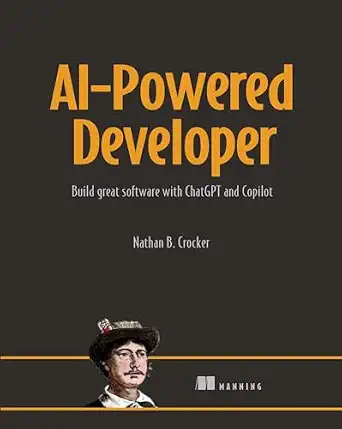 | Best for Software Developers | Focus Area: Software development | Tools Covered: ChatGPT, Copilot | Content Type: Guidance and best practices | VIEW LATEST PRICE | See Our Full Breakdown |
| Power Automate for Complete Beginners: Automate Repetitive Tasks Without Coding |  | Best for Beginners | Focus Area: Repetitive task automation | Tools Covered: Microsoft Power Automate | Content Type: Beginner guide | VIEW LATEST PRICE | See Our Full Breakdown |
| n8n AI Automation Crash Course: Build No-Code Workflows and Smart Agents for AI-Powered Productivity |  | Best for No-Code AI Workflows | Focus Area: AI workflows with no-code tools | Tools Covered: n8n | Content Type: Crash course | VIEW LATEST PRICE | See Our Full Breakdown |
| AI-powered productivity automation tool | Format | Target Audience | Focus Area |
|---|---|---|---|
| Microsoft 365 Copilot AI User | Digital PDF and print | Beginners and pros in Microsoft 365 | — |
| The AI Powered Small Business: | Paperback and Kindle | Small business owners | — |
| The AI-Powered Nurse: How to U | Paperback and eBook | Healthcare professionals | — |
| AI at Work in Healthcare: A Pr | Hardcover and PDF | Healthcare leadership and administrators | — |
| The AI-Powered Administrative | Paperback and digital | Office professionals and administrative staff | — |
| Mastering Perplexity AI: The F | — | — | Research and workflow automation |
| Master AI for Beginners: Devel | — | Beginners in AI and business | Automation and productivity |
| The Claude AI Bible: The Compl | — | Intermediate users | Workflow automation with Claude |
| AI Tools for Beginners: 50 Pow | — | Beginners | — |
| Notion AI: A Practical Guide t | — | Notion users | — |
| The AI-Powered Real Estate Age | Guide | — | Real estate workflows |
| The AI-Powered Accountant: How | Book | — | Accounting workflows |
| AI-Powered Developer: Build Gr | Book | — | Software development |
| Power Automate for Complete Be | Book | — | Repetitive task automation |
| n8n AI Automation Crash Course | Course | — | AI workflows with no-code tools |
More Details on Our Top Picks
Microsoft 365 Copilot AI User Guide for Beginners and Pros
This manual stands out for its detailed, step-by-step instructions that make AI-powered automation accessible for both newcomers and experienced users within Microsoft 365. Compared with the other books in this roundup, it focuses on practical workflows rather than theoretical concepts, helping users unlock the full potential of Copilot features. However, it falls short on technical depth and doesn’t provide pricing or ratings, which could limit advanced users seeking in-depth customization. This guide is best suited for professionals looking for clear, structured guidance to integrate AI into their existing Microsoft 365 environment without needing prior technical expertise.
Pros:- Comprehensive, step-by-step guidance makes learning easy
- Suitable for both beginners and seasoned users
- Focuses directly on boosting productivity within Microsoft 365
Cons:- Lacks technical depth for advanced users
- No pricing or user ratings included
Best for: Office workers and knowledge professionals wanting a straightforward, structured approach to using AI in Microsoft 365.
Not ideal for: Power users seeking advanced customization or technical details beyond basic workflows.
- Format:Digital PDF and print
- Target Audience:Beginners and pros in Microsoft 365
- Content Focus:Workflow automation, productivity tips
- Language:English
- Length:Approx. 200 pages
- Release Date:2024
Our verdict“This guide is ideal for professionals who need clear instructions to start automating workflows in Microsoft 365 without technical overwhelm.”
The AI Powered Small Business: How Small Business Owners Can Use ChatGPT and Claude to Save Time, Improve Decisions, and Build a Business That Runs Smarter
This book makes a compelling case for small business owners to leverage AI tools like ChatGPT and Claude to streamline operations and enhance decision-making. Unlike the more technical-oriented guides, it offers actionable strategies tailored for busy entrepreneurs, focusing on efficiency gains and smarter daily workflows. However, it lacks detailed case studies or technical instructions, which could leave some readers wanting more concrete examples. This pick makes the most sense for small business owners ready to implement AI solutions without deep technical expertise, seeking practical advice to boost productivity and decision quality.
Pros:- Provides actionable AI strategies tailored for small businesses
- Focuses on efficiency improvements and decision support
- Covers popular AI tools like ChatGPT and Claude
Cons:- No detailed technical or case study content
- Requires some familiarity with AI concepts
Best for: Small business owners eager to integrate AI tools into daily management and customer service.
Not ideal for: Large enterprises or tech-savvy users seeking in-depth AI technical training.
- Format:Paperback and Kindle
- Target Audience:Small business owners
- Content Focus:Efficiency, decision-making, AI tool integration
- Language:English
- Pages:Around 150
- Publication Year:2023
Our verdict“This book is perfect for small business owners ready to adopt AI for practical, everyday improvements without complex technical setups.”
The AI-Powered Nurse: How to Use ChatGPT & Claude to Save Time, Reduce Administrative Work, and Work Smarter
This book emphasizes how healthcare workers can leverage AI tools like ChatGPT and Claude to cut administrative tasks and improve overall efficiency. Compared with the broader business guides, it concentrates on practical strategies relevant to clinical settings, helping nurses and practitioners work smarter. Its focus on time-saving and administrative reduction makes it highly relevant for busy healthcare providers, though it offers limited step-by-step technical instructions, which might challenge those seeking in-depth guidance. It’s best suited for healthcare professionals who want straightforward AI integrations to reduce paperwork and streamline patient interactions.
Pros:- Provides practical AI workflow strategies for healthcare
- Helps save time and reduce administrative workload
- Focuses on popular AI tools like ChatGPT and Claude
Cons:- Limited technical or step-by-step instructions
- Assumes some familiarity with AI tools
Best for: Nurses and healthcare practitioners looking for practical AI applications to reduce administrative burdens.
Not ideal for: Healthcare administrators or tech specialists seeking detailed technical implementation guides.
- Format:Paperback and eBook
- Target Audience:Healthcare professionals
- Content Focus:Time-saving, administrative reduction
- Language:English
- Pages:120
- Publication Year:2024
Our verdict“This guide is ideal for healthcare workers wanting quick, impactful AI solutions to improve daily workflow without complex setup.”
AI at Work in Healthcare: A Practical Operating System for ChatGPT & Claude in Clinical, Nursing, Pharmacy & Healthcare Leadership Roles
This book offers a detailed framework for integrating AI tools like ChatGPT and Claude across various healthcare roles, including clinical, nursing, pharmacy, and leadership. Unlike other titles that focus on individual workflows, it emphasizes strategic implementation and decision-making enhancement, making it suitable for leaders and advanced practitioners. However, it doesn’t provide specific technical instructions or case studies, which could limit immediate application for those new to AI. It makes the most sense for healthcare leaders seeking to embed AI at an organizational level and improve overall efficiency through strategic planning.
Pros:- Provides a strategic framework for AI integration in healthcare
- Covers multiple roles and applications for comprehensive implementation
- Enhances decision-making and operational efficiency
Cons:- Lacks technical specifics and case studies
- Requires prior AI knowledge for full understanding
Best for: Healthcare executives and leaders aiming to implement AI across departments for improved decision-making.
Not ideal for: Frontline healthcare workers seeking quick, role-specific AI tools without strategic planning.
- Format:Hardcover and PDF
- Target Audience:Healthcare leadership and administrators
- Content Focus:Organizational AI integration, decision support
- Language:English
- Pages:180
- Publication Year:2024
Our verdict“This book is best for healthcare leaders who want to embed AI into organizational workflows and strategic planning for broad impact.”
The AI-Powered Administrative Assistant: How to Use ChatGPT & Claude to Save Time, Automate Routine Work, and Become Indispensable at Work
This book focuses on how professionals can use AI tools like ChatGPT and Claude to automate routine administrative tasks, making them more productive and valuable at work. Unlike the broader healthcare or business guides, it emphasizes workplace automation and efficiency, helping users become indispensable by streamlining tasks like scheduling, email management, and report generation. While it offers practical automation strategies, it doesn’t include detailed technical instructions, and its content is primarily suited for general professional use rather than highly technical applications. It’s perfect for professionals aiming to elevate their efficiency through AI-driven routine automation.
Pros:- Provides practical automation strategies for routine tasks
- Helps improve productivity and professional value
- Focuses on popular AI tools like ChatGPT and Claude
Cons:- Limited technical or step-by-step instructions
- Content mainly targeted at general professionals
Best for: Administrative professionals and office workers seeking to automate daily tasks for greater productivity.
Not ideal for: Technical specialists or those seeking in-depth AI development or customization details.
- Format:Paperback and digital
- Target Audience:Office professionals and administrative staff
- Content Focus:Routine task automation, productivity boost
- Language:English
- Pages:130
- Publication Year:2024
Our verdict“This guide is ideal for professionals who want straightforward AI automation solutions to make daily work more efficient and impactful.”
Mastering Perplexity AI: The Future of AI-Powered Research and Productivity
This guide stands out for its focus on leveraging Perplexity AI to enhance research workflows and future applications, making it ideal for those seeking to integrate AI into their knowledge work. Unlike more general tools, it emphasizes practical research improvements but falls short on detailed technical specs, which could leave technically inclined users wanting more clarity. This makes it a strong choice for researchers and knowledge workers rather than casual users. Compared with Notion AI, which centers on knowledge management and automation, this guide is more research-focused but less comprehensive about broader productivity features. Its tradeoff is a lack of technical depth, limiting utility for advanced AI practitioners.
Pros:- Provides practical guidance on using Perplexity AI for research
- Focuses on improving workflow automation in knowledge-intensive tasks
- Explores future AI applications, keeping users ahead of trends
Cons:- Lacks detailed technical specifications, limiting depth for advanced users
- No clear target audience or prerequisites outlined, which might confuse beginners
Best for: Researchers, academics, or knowledge workers aiming to boost research efficiency and explore future AI applications.
Not ideal for: Casual users or non-technical professionals seeking straightforward automation without deep research focus.
- Focus Area:Research and workflow automation
- Intended Audience:Knowledge workers and researchers
- Depth of Technical Content:Limited
- Future Application Insights:Yes
- Practical Guidance:Yes
- Prerequisites:Not specified
Our verdict“This guide is best suited for research-focused professionals interested in AI-driven workflow enhancements, but less ideal for those seeking technical depth.”
Master AI for Beginners: Develop Artificial Intelligence Basics, Understand Machine Learning, and Unlock the Power of Automation for Business Productivity
This book excels at demystifying AI concepts and presenting practical applications tailored for newcomers in business, making it a solid starting point for those unfamiliar with AI fundamentals. Compared with The Claude AI Bible, which offers more advanced workflow strategies, this guide provides a gentler introduction suited for absolute beginners. Its focus on automation for business productivity makes it accessible, though it lacks depth for those seeking technical mastery. The tradeoff is less technical detail, which could leave users wanting more depth as they grow more comfortable with AI.
Pros:- Clear, beginner-friendly overview of AI concepts
- Practical focus on automation for business productivity
- Suitable for those with little to no prior technical knowledge
Cons:- Lacks detailed technical depth for advanced users
- No information on author credentials or publication date, which may affect credibility
Best for: Business professionals new to AI who want a clear, practical grounding in automation techniques.
Not ideal for: Experienced AI practitioners or technical users seeking in-depth machine learning or programming insights.
- Target Audience:Beginners in AI and business
- Technical Depth:Basic
- Focus Area:Automation and productivity
- Practical Applications:Yes
- Author/Publication Info:Not provided
- Use Case Examples:Limited
Our verdict“Ideal for beginners in business seeking a straightforward introduction to AI and automation, but unsuitable for advanced or technical users.”
The Claude AI Bible: The Complete Guide to Mastering Claude for Workflow Automation and Productivity
This guide is comprehensive and easy-to-follow, making it well-suited for users who want to build workflows and automate tasks with Claude AI. Unlike the more general AI Tools for Beginners, which lists many tools without deep focus, this book concentrates on Claude, offering practical strategies that can significantly boost productivity. While it covers core automation techniques, its content may be too advanced for absolute beginners, especially those unfamiliar with AI concepts. The absence of detailed technical specs might frustrate users seeking in-depth technical understanding, but for practical workflow automation, it hits the mark.
Pros:- Comprehensive, step-by-step guide for Claude AI
- Focuses on practical workflow and task automation
- Helps users significantly improve productivity with real strategies
Cons:- No detailed technical specifications provided
- Content may be too advanced for complete beginners without some prior AI knowledge
Best for: Users who want to master Claude AI for building workflows and automations, with some prior familiarity with AI concepts preferred.
Not ideal for: Complete beginners with no prior experience in AI or workflow automation seeking a gentle introduction.
- Focus Area:Workflow automation with Claude
- Target Audience:Intermediate users
- Technical Detail:Moderate
- Ease of Use:Moderate to advanced
- Content Depth:Practical strategies
- Prerequisites:Some AI familiarity
Our verdict“Best suited for users aiming to leverage Claude AI for automation, but less suitable for those new to AI concepts.”
AI Tools for Beginners: 50 Powerful AI Tools to Save Time, Make Money & Boost Productivity in 2026
This book offers a broad overview of 50 AI tools aimed at beginners eager to save time and increase earnings, making it a useful resource for those who want a quick snapshot of available options. Compared with The Claude AI Bible, which focuses on specific workflow automation, this book is more of a catalog, providing a wide list rather than deep insights. Its lack of detailed descriptions or sample use cases limits its usefulness for users who want to understand how to apply each tool effectively. Nevertheless, it’s a helpful starting point for those exploring AI options in 2026.
Pros:- Extensive list of 50 AI tools relevant for beginners
- Focuses on productivity and earning potential
- Updated for 2026, reflecting current trends
Cons:- Lacks detailed descriptions or practical examples
- No sample use cases or in-depth guidance included
Best for: Beginners seeking an overview of AI tools to boost productivity and income, especially those who prefer broad exposure over detailed guidance.
Not ideal for: Advanced users or those wanting in-depth explanations and practical use cases for individual tools.
- Number of Tools:50
- Focus:Productivity and earnings
- Depth of Descriptions:Minimal
- Update Year:2026
- Sample Use Cases:None
- Target Audience:Beginners
Our verdict“Ideal for beginners wanting a broad view of AI tools for productivity and income but less suitable for those seeking detailed instructions.”
Notion AI: A Practical Guide to AI-Powered Productivity, Knowledge Management, Writing, Research, and Workflow Automation
This guide offers a detailed look at how to leverage Notion AI for boosting productivity, managing knowledge, and automating workflows, making it a valuable resource for existing Notion users. Unlike general AI tool lists like AI Tools for Beginners, this book zeroes in on Notion’s integrated AI features, providing practical tips to streamline writing, research, and organization. However, it may be less useful for users seeking a broader range of tools or more advanced AI techniques. Its focus on Notion makes it a specialized resource, with limited applicability outside the platform, and some users may find it less comprehensive if they want AI automation beyond Notion.
Pros:- Deep focus on Notion AI features and integrations
- Practical tips for productivity, research, and writing
- Helps users maximize existing Notion workflows
Cons:- No specific technical details or technical depth
- Limited use outside of Notion’s ecosystem
Best for: Notion users aiming to optimize their workflows, research, and knowledge management with AI enhancements.
Not ideal for: Users not already committed to Notion or those seeking a platform-agnostic AI automation guide.
- Platform Focus:Notion AI
- Use Cases:Knowledge management, writing, research
- Technical Details:Limited
- Scope:Platform-specific
- Target Audience:Notion users
- Automation Depth:Moderate
Our verdict“Best suited for dedicated Notion users looking to deepen their AI-powered productivity, but less helpful for those seeking broad automation solutions.”
The AI-Powered Real Estate Agent: How to Use ChatGPT & Claude to Get More Leads, Create Better Listings, Automate Follow-Up & Close More Deals
This guide stands out for its practical strategies tailored specifically to real estate agents seeking to harness AI for lead generation, listing improvements, and automation. Unlike broader productivity tools like Power Automate for Complete Beginners, which focus on general task automation, this resource dives into industry-specific workflows, making it highly actionable for real estate. The focus on integrating ChatGPT and Claude into daily routines helps agents close more deals with less manual effort, but it remains an educational guide rather than a ready-to-deploy product—so users need to implement strategies themselves. The lack of technical details means it’s less suited for those wanting a plug-and-play solution, but its targeted advice offers clear value for agents willing to adapt AI workflows.
Pros:- Offers industry-specific AI strategies that directly address real estate needs
- Helps increase lead flow and improve property listings
- Automates follow-up tasks to save time and reduce manual work
Cons:- No technical setup instructions or software integrations provided
- Focuses on educational content rather than ready-to-use tools or software
Best for: Real estate agents and brokers aiming to boost leads and automate client follow-up.
Not ideal for: Agents seeking ready-made AI tools or technical setup guides—this is more strategic than technical.
- Focus Area:Real estate workflows
- Tools Covered:ChatGPT, Claude
- Content Type:Educational strategies
- Intended Audience:Real estate agents
- Implementation:Self-guided
- Format:Guide
Our verdict“This guide is ideal for real estate professionals ready to adopt AI strategies but who prefer a strategic overview over technical implementation.”
The AI-Powered Accountant: How to Use ChatGPT, AI Tools and Smart Automation to Save 10+ Hours a Week, Win Better Clients, and Build a Future-Proof Business
This guide makes the case for leveraging AI to transform accounting practices by saving time and attracting higher-quality clients, comparable to how Power Automate for Complete Beginners introduces automation but with less industry focus. Unlike generic automation books, this resource emphasizes practical AI applications tailored to accountants’ workflows, helping them build more resilient businesses. While it offers actionable strategies for efficiency, it lacks detailed technical instructions or step-by-step setup, making it less suitable for those seeking immediate automation solutions rather than strategic guidance. This focus on future-proofing makes it a compelling choice for accountants who want to stay ahead, despite the need for some familiarity with AI tools.
Pros:- Provides practical AI integration strategies tailored to accounting workflows
- Helps save over 10 hours weekly through automation
- Focuses on attracting better clients and future-proofing the business
Cons:- Lacks detailed technical or step-by-step implementation guidance
- Requires some familiarity with AI concepts to fully utilize strategies
Best for: Accountants and finance professionals looking to integrate AI for efficiency and client management.
Not ideal for: Practitioners expecting detailed technical setup or coding instructions—this is more strategic than procedural.
- Focus Area:Accounting workflows
- Tools Covered:ChatGPT, AI automation
- Content Type:Strategic guide
- Intended Audience:Accountants
- Implementation:Self-guided
- Format:Book
Our verdict“Ideal for accountants seeking a strategic overview of AI benefits, though less suited for those wanting quick, technical automation setups.”
AI-Powered Developer: Build Great Software with ChatGPT and Copilot
This book offers practical guidance on leveraging AI tools like ChatGPT and Copilot to boost coding efficiency, especially compared to more general automation books like Power Automate for Complete Beginners, which focus on non-technical workflows. It stands out for its focus on integrating AI into software development, helping developers write better code faster. However, it doesn’t include detailed technical examples or advanced coding techniques, making it less suitable for experienced developers seeking deep technical mastery. Instead, it suits those new to AI-powered coding assistance who want to incorporate these tools into their existing workflows for productivity gains.
Pros:- Provides practical guidance on using ChatGPT and Copilot for coding
- Helps improve productivity by automating routine coding tasks
- Suitable for developers new to AI-assisted programming
Cons:- Lacks detailed technical examples or advanced coding techniques
- May be too basic for experienced developers seeking depth
Best for: Software developers seeking to improve coding speed and quality with AI tools.
Not ideal for: Veteran developers needing advanced technical examples or complex integrations—this is more beginner-friendly.
- Focus Area:Software development
- Tools Covered:ChatGPT, Copilot
- Content Type:Guidance and best practices
- Intended Audience:Developers
- Implementation:Self-guided
- Format:Book
Our verdict“Best for beginner to intermediate developers wanting to incorporate AI tools into their coding workflows for faster, better results.”
Power Automate for Complete Beginners: Automate Repetitive Tasks Without Coding
This book excels at guiding newcomers through the basics of Microsoft Power Automate, making it clear how to automate repetitive tasks without any coding knowledge. It differs from more advanced options like the n8n course, which introduces no-code workflows specifically for AI, by focusing on a widely used platform with straightforward step-by-step instructions. Its simplicity is a strength for those starting out, but it also limits functionality for users seeking more sophisticated automation features. If your goal is to streamline simple workflows without the complexity of setup, this makes a solid entry point, though it won’t satisfy those needing advanced automation or custom integrations.
Pros:- Step-by-step instructions tailored for beginners
- No coding required, accessible for non-technical users
- Helps automate common repetitive tasks efficiently
Cons:- Limited to basic automation features
- May lack the advanced capabilities needed for complex workflows
Best for: Beginners and small business owners new to automation with Microsoft tools.
Not ideal for: Experienced users or those seeking AI-specific automation workflows—this is designed for basic, non-coding tasks.
- Focus Area:Repetitive task automation
- Tools Covered:Microsoft Power Automate
- Content Type:Beginner guide
- Intended Audience:Beginners and small business owners
- Implementation:Self-guided
- Format:Book
Our verdict“Ideal for newcomers to automation who want an easy, no-code way to streamline routine tasks within Microsoft environments.”
n8n AI Automation Crash Course: Build No-Code Workflows and Smart Agents for AI-Powered Productivity
This course introduces users to creating AI-driven workflows with n8n, a flexible no-code automation platform. It distinguishes itself from simpler tools like Power Automate for Complete Beginners by emphasizing AI integration and the development of smart agents capable of complex tasks. However, the lack of detailed course content outline and absence of user reviews make it harder to gauge its depth for beginners. It’s best suited for those who want to explore AI-specific automation beyond basic task flows and are comfortable with a learning curve, but may be less ideal for absolute novices or those expecting detailed step-by-step tutorials.
Pros:- No coding required, beginner-friendly platform
- Focuses on AI integration for automation tasks
- Teaches practical skills to build smart, AI-driven workflows
Cons:- Limited course content details and no user reviews
- Might be too broad for those seeking in-depth technical training
Best for: Beginners interested in building AI-powered workflows with no coding experience, especially those curious about AI agents.
Not ideal for: Users seeking comprehensive, detailed course content or proven user feedback—this course currently offers limited overview.
- Focus Area:AI workflows with no-code tools
- Tools Covered:n8n
- Content Type:Crash course
- Intended Audience:Beginners interested in AI automation
- Implementation:Self-guided
- Format:Course
Our verdict“Suitable for beginners eager to learn AI automation with n8n, provided they are comfortable with limited initial guidance.”

How We Picked
Our evaluation focused on features that advance productivity through automation, such as integration capabilities, ease of use, customization options, and industry relevance. We prioritized tools that incorporate the latest AI models, ensuring they can handle complex tasks efficiently. Usability was key, with a preference for platforms offering intuitive interfaces suitable for both beginners and experienced users. Cost-effectiveness was also considered, including free tiers and scalable pricing. Finally, we looked at user feedback and industry adoption to gauge real-world performance and reliability. The ranking reflects a balance between power, simplicity, and value, helping different types of buyers find the best fit for their specific needs.
Factors to Consider When Choosing AI-powered Productivity Automation Tools
Choosing the right AI-powered productivity automation tool depends on your specific goals, technical skill level, and budget. While many tools promise automation, their effectiveness varies based on integration, usability, and customization. Carefully consider these key factors to avoid common pitfalls like overpaying for features you won’t use or selecting a tool that’s too complex for your team. This guide highlights the most important aspects to help you make an informed decision that maximizes your productivity gains.
Integration and Compatibility
Look for tools that seamlessly integrate with your existing software ecosystem—whether that’s Microsoft Office, Google Workspace, or industry-specific platforms. Compatibility ensures smoother workflows and reduces the learning curve. Choosing an overly proprietary system might lock you in or create extra work to adapt your current processes. Prioritize tools with open APIs or native integrations to future-proof your investment.
Ease of Use and Learning Curve
Automation tools vary from simple drag-and-drop interfaces to complex scripting environments. For teams with limited technical skills, user-friendly platforms that offer guided workflows and templates are preferable, even if they lack some advanced features. Conversely, more technical users can benefit from customizable options but should be prepared for a steeper learning curve. Striking the right balance helps ensure quick adoption and ongoing productivity improvements.
Customization and Scalability
Evaluate whether the tool allows you to tailor workflows to your specific needs. Customization is essential for aligning automation with your unique processes, especially in specialized industries like healthcare or real estate. Consider future growth—scalable solutions that expand with your business prevent the need for frequent replacements or upgrades. Be cautious of platforms that are rigid or limited in scope, as they can restrict your automation potential over time.
Cost and Pricing Models
Pricing structures differ widely, with some tools offering free tiers, subscription plans, or enterprise licensing. Cheap options may lack critical features or support, while premium products can deliver more robust automation but at a higher price. Factor in the total cost of ownership, including training and potential customization, to avoid surprises. Consider whether the tool’s value justifies the investment based on the productivity gains you expect to realize.
Security and Data Privacy
Since automation tools often handle sensitive information, verify their security protocols and compliance standards. Look for vendors that provide data encryption, user access controls, and transparent privacy policies. An automation platform lacking strong security measures could expose your business to data breaches or regulatory issues. Prioritize providers with a proven track record of maintaining data integrity and confidentiality.
Frequently Asked Questions
Can I customize AI automation workflows without coding experience?
Yes, many AI automation tools now include drag-and-drop interfaces and pre-built templates that allow users with limited technical skills to create customized workflows. Platforms like Power Automate and Notion AI simplify complex automation tasks into visual steps, reducing the need for coding. However, deeply customized or industry-specific automations may require some scripting or technical knowledge, so consider your comfort level before choosing a tool.
Are AI automation tools secure enough for handling sensitive data?
Most reputable AI-powered automation platforms prioritize security by implementing encryption, access controls, and compliance with standards like GDPR or HIPAA. Always review the vendor’s security features and privacy policies before adoption. If your automation involves sensitive or confidential information, choose tools that explicitly support secure data handling and have a strong security track record to prevent breaches or data misuse.
Will automation tools replace my current workflows or complement them?
Most AI automation tools are designed to augment existing workflows rather than replace them entirely. They can streamline repetitive tasks, freeing up your time for strategic activities. It’s important to assess your current processes and identify where automation adds value without disrupting your core operations. Proper planning ensures you leverage automation to enhance productivity while maintaining control over essential functions.
How do I choose between free, subscription, or enterprise plans?
The right plan depends on your specific needs and scale. Free tiers often offer limited features suitable for basic automation or testing. Subscription plans provide more capabilities and are ideal for small to medium-sized teams. Enterprise plans, which include custom features, dedicated support, and higher security, suit larger organizations with complex workflows. Evaluate your current requirements and growth projections to select the most cost-effective option that aligns with your automation goals.
Can AI automation tools integrate with industry-specific software?
Many leading tools now offer APIs and integrations tailored to specific industries such as healthcare, real estate, or finance. For instance, healthcare-focused automation might connect with Electronic Health Record (EHR) systems, while real estate tools integrate with listing platforms. When choosing an automation platform, verify its compatibility with your existing software ecosystem and whether it supports industry-standard standards or custom integrations. This ensures your automation efforts align seamlessly with your primary systems.
Conclusion
For general office users seeking a comprehensive, easy-to-integrate solution, Microsoft 365 Copilot stands out as the best overall choice. Small business owners aiming for cost-effective, smart automation will find ChatGPT and Claude excellent value options. Those in specialized fields like healthcare or real estate should consider industry-specific tools that cater to their unique workflows. Beginners and non-technical users should prioritize platforms with intuitive interfaces, while larger organizations with complex needs might invest in premium, highly customizable solutions. Your ideal choice hinges on your technical comfort, budget, and industry requirements—use this guide to align your priorities with the best available options.
Halloween Picks
halloween
As an affiliate, we earn on qualifying purchases.