

AI workflow automation tools are transforming how businesses and professionals streamline repetitive tasks and boost productivity. The best overall pick is Google AI Studio for its sophisticated scalability and integration options, while Claude AI Automation shines for its user-friendly setup. However, these tools often involve tradeoffs between ease of use, customization depth, and pricing. Some options require coding knowledge, while others focus on no-code simplicity. Continue reading for a detailed comparison to help you find the right fit for your automation needs.

Get business pricing on tech for your team
- Business-only prices and quantity discounts
- Tax-exempt purchasing
- Multiple users, one account, clear invoices
Key Takeaways
- Top-performing tools balance ease of use with robust automation features, catering to both beginners and advanced users.
- No-code platforms dominate for small businesses and non-technical users, but may lack deep customization options.
- Pricing varies widely; premium tools often offer better scalability and support, justifying higher costs for enterprise use.
- Integration capabilities with existing apps and services are critical for seamless workflows and should influence your choice.
- The best tools provide comprehensive documentation and community support, reducing learning curves and troubleshooting time.




| AI workflow automation tool | Format | Series | Focus |
|---|---|---|---|
| Agentic Coding with OpenAI Cod | Book | — | — |
| AI Workflow Mastery: 100 Pract | Book | — | — |
| Practical AI Workflow Automati | Book | — | — |
| AI Workflow Automation for Blo | Book | AI Toolkit for Bloggers 2026 | — |
| The No-BS Guide to AI Agents & | Book | The No-BS AI Playbooks | — |
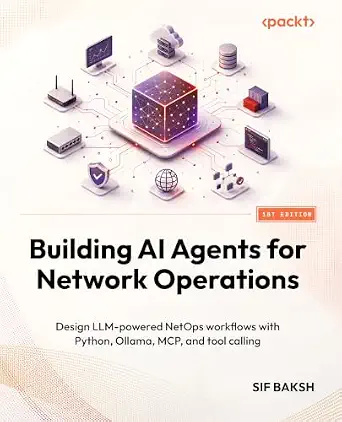
| Building AI Agents for Network | Book | — | — |
| Claude AI Automation & Monetiz | Book | Claude AI Mastery Series | Automation, monetization, scaling |
| Google AI Studio Guide 2026: B | Book | Google Guides, Book 4 | Platform-specific automation |
| OpenCode Custom Workflows: Bui | Book | AI Agent Tools | Custom development |
| Claude Cowork Automation: Buil | Book | Automate & Work Smarter with Claude AI | Repetitive task automation |
| Generative AI Workflows and Pr | Book | N/A | Generative AI workflows |
| The AI-Powered Accountant: How | Book | AI Workflow Guides for Professionals | Accounting automation |
| Claude Mastery: Claude AI for | Book (guide) | — | Prompt building and automation |
| 50 AI Workflows for Engineers: | Book | N/A | — |
| AI for Workflow Automation | Book | Makola Practical AI Mastery | Workflow automation |
More Details on Our Top Picks
Agentic Coding with OpenAI Codex CLI
This guide excels at teaching developers how to craft sophisticated agent workflows with the OpenAI Codex CLI, focusing on agentic engineering, MCP, hooks, and delivery automation. Unlike the more user-friendly Practical AI Workflow Automation, which targets beginners, this book dives deep into technical implementation, making it ideal for those comfortable with coding and automation. The emphasis on MCP and hooks enables creating highly tailored solutions, but the lack of detailed review content leaves some gaps in understanding its full scope. If your goal is to develop complex, bespoke AI agents, this resource provides the necessary technical foundation, though it requires a strong background in coding.
Pros:- Focuses on practical agent workflow development with real coding concepts
- Covers MCP and hooks for flexible automation design
- Includes detailed delivery automation techniques
- Deep technical content for building complex AI agents
Cons:- Requires a solid understanding of coding and AI concepts
- No beginner-friendly explanations or step-by-step tutorials
Best for: Experienced developers and AI engineers aiming to build advanced, customized agent workflows.
Not ideal for: Beginners or non-technical users seeking quick, no-code automation solutions.
- Format:Book
- Topics:OpenAI Codex CLI, agentic engineering, MCP, hooks, delivery automation
Our verdict“This book is best suited for developers seeking to implement sophisticated AI agent workflows with a technical focus.”
AI Workflow Mastery: 100 Practical AI Workflows to Save Hours Every Week, Automate Repetitive Tasks, and Get More Done
This book offers a collection of 100 ready-to-use AI workflows designed to drastically reduce manual effort and increase productivity, making it a practical choice for busy professionals. Compared to the more technical Agentic Coding with OpenAI Codex CLI, which emphasizes building custom solutions, this guide prioritizes immediate applicability and ease of use. While the extensive list of workflows is appealing, the lack of detailed explanations might leave some users wanting more context or customization options. It’s ideal for those who want quick wins and straightforward automation, but less suited for users seeking to develop bespoke AI systems.
Pros:- Provides 100 practical, ready-to-implement workflows
- Focuses on time savings and repetitive task automation
- Accessible for non-technical users
- Helps boost overall productivity quickly
Cons:- Limited depth on how workflows are built or can be customized
- No detailed explanations for each workflow’s underlying logic
Best for: Professionals and entrepreneurs looking for quick, practical AI workflows to save hours weekly.
Not ideal for: Advanced users seeking to customize or develop complex AI agent architectures from scratch.
- Format:Book
- Number of Workflows:100
Our verdict“This book is ideal for users who want immediate, practical AI automation solutions to boost efficiency without technical complexity.”
Practical AI Workflow Automation: A Beginner-Friendly Guide to No-Code Tools
This guide simplifies AI workflow automation by focusing on no-code tools, making it accessible for those without programming skills. Unlike Agentic Coding with OpenAI Codex CLI, which targets technical users, this book prioritizes ease of use and broad applicability across common daily tasks like email, meetings, and customer support. Its wide coverage ensures that beginners can implement automation immediately, but it may lack the depth and flexibility that experienced users desire, and quick-evolving no-code tools could make some content outdated soon. It’s perfect for newcomers who want to get started fast, but less so for seasoned automation practitioners.
Pros:- No coding required, very beginner-friendly
- Covers a broad range of practical use cases
- Easy to follow with step-by-step guidance
- Helps users automate everyday tasks rapidly
Cons:- Basic content may be too simplistic for experienced users
- No-code tools can become outdated quickly as platforms evolve
Best for: Individuals new to AI automation seeking simple, no-code solutions for daily workflows.
Not ideal for: Advanced users or those wanting to develop custom AI agents from scratch.
- Format:Book
- Skill Level:Beginner
Our verdict“This book makes a solid starting point for beginners eager to automate common workflows without coding skills.”
AI Workflow Automation for Bloggers
This guide focuses on streamlining the blogging process, from research to content repurposing, using AI and no-code tools. Compared with Practical AI Workflow Automation, which covers a broader range of workflows, this book zeroes in on content-specific automation tailored for bloggers. It helps create a faster, more efficient publishing cycle but offers limited technical detail or customization options. The overlap with other series entries might reduce its standalone value, yet it remains a valuable resource for bloggers eager to leverage AI for content productivity. It’s less suitable for users seeking general automation beyond content creation.
Pros:- Covers entire blogging workflow from research to repurposing
- Focuses on practical AI and no-code automation tools
- Helps produce content faster and more efficiently
- Tailored to the needs of bloggers
Cons:- Limited detail on technical implementation
- Potential overlap with other books in the series
Best for: Bloggers and content creators aiming to accelerate their publishing workflow with AI tools.
Not ideal for: Automation users outside content creation or those seeking comprehensive general workflows.
- Format:Book
- Series:AI Toolkit for Bloggers 2026
- Series Number:8
- Topics:AI workflow automation, blogging, content research, writing, optimization, content repurposing
Our verdict“This book is best for bloggers who want to integrate AI into their content creation process quickly and practically.”
The No-BS Guide to AI Agents & Automation: Build AI Workflows, Automate Your Business, and 10x Your Productivity — No Coding Required (The No-BS AI Playbooks Book 2)
This book emphasizes practical, no-code AI automation tailored for business users who want to improve productivity without technical skills. Compared to Agentic Coding with OpenAI Codex CLI or AI Workflow Mastery, which target technical or productivity-focused audiences respectively, this guide simplifies the process of building AI workflows for business tasks through straightforward methods. Its structured approach within a series makes it accessible for beginners, but the lack of detailed content verification might limit its depth for more complex automation needs. It’s ideal for entrepreneurs and small business owners seeking quick, effective automation solutions.
Pros:- No coding required, accessible to beginners
- Focuses on business automation and productivity gains
- Part of a well-structured series on AI topics
- Practical, straightforward guidance
Cons:- Limited detailed content or technical depth
- Potential overlap with other beginner guides
Best for: Business professionals and entrepreneurs looking for easy-to-implement AI automation without coding.
Not ideal for: Advanced users or those wanting to develop highly customized, technical AI solutions.
- Series:The No-BS AI Playbooks
- Series Number:2
- Format:Book
Our verdict“This book is well-suited for business users who want simple, effective AI automation to boost productivity with minimal technical effort.”
Building AI Agents for Network Operations
This technical guide stands out for its focus on designing LLM-powered network operations workflows, making it an essential resource for network engineers looking to incorporate AI agents into complex systems. Compared with general AI automation books like the Claude AI Mastery series, it offers in-depth coverage on specific tools like Python and MCP, but it requires prior knowledge of both Python and network infrastructure. Its detailed approach makes it ideal for practitioners seeking practical, cutting-edge solutions, though it might be overwhelming for beginners or those outside the network domain.
Tradeoffs: It sacrifices ease of entry for depth and specificity, making it less suitable for general AI automation learners.
Pros:- Focuses on practical, real-world AI applications for network operations
- Covers multiple tools and integration techniques in depth
- Provides a specialized approach to building LLM-powered workflows
Cons:- Requires prior knowledge of Python and network systems
- Lacks detailed review content or case studies for broader context
Best for: Network engineers and IT professionals implementing AI in operational workflows
Not ideal for: Beginners or those looking for general-purpose AI automation guides without a network focus
- Format:Book
- Topics:AI agents, network operations, LLM workflows
- Technologies:Python, Ollama, MCP, tool calling
- Focus Area:Network-specific AI workflows
- Difficulty Level:Advanced
- Intended Audience:Network engineers and IT specialists
Our verdict“This book is best suited for network professionals seeking to develop tailored AI agents for operational tasks with technical expertise.”
Claude AI Automation & Monetization: Build AI-Powered Systems, Automate Workflows, and Generate Real Income Using Claude AI
This book in the Claude AI Mastery series emphasizes practical strategies for building revenue-generating AI systems, making it ideal for entrepreneurs and business developers aiming to monetize AI workflows. Unlike the more technical ‘Building AI Agents for Network Operations,’ this guide is oriented toward scaling and automation for financial outcomes, though it lacks detailed content verification. Its focus on monetization makes it less suitable for pure developers or those seeking technical deep-dives without a business angle.
Tradeoffs: It prioritizes practical business outcomes over technical complexity, which may limit those seeking in-depth coding guidance.
Pros:- Focused on practical monetization strategies
- Part of a structured series for progressive learning
- Covers both automation and scaling of AI systems
Cons:- Lacks detailed technical content or verification
- May not provide enough depth for advanced AI development
Best for: Entrepreneurs and small business owners looking to monetize AI workflows with Claude AI
Not ideal for: Developers or technical users seeking detailed coding techniques without a focus on income strategies
- Format:Book
- Series:Claude AI Mastery Series
- Focus:Automation, monetization, scaling
- Intended Audience:Entrepreneurs and business owners
- Approach:Practical, income-focused
Our verdict“This book makes the most sense for business-minded users aiming to generate income through Claude AI automation.”
Google AI Studio Guide 2026: Build Intelligent AI Workflows and Scalable Automation Solutions
This guidebook is tailored for users of Google AI Studio, making it ideal for those invested in the Google ecosystem. It provides structured instructions for building intelligent workflows and scalable automation solutions within Google’s platform, similar in scope to the Claude AI Guide but more specialized. The lack of detailed review content suggests it may be more suitable for intermediate users familiar with Google tools rather than complete beginners or those seeking broader automation techniques outside Google’s environment.
Tradeoffs: Its platform-specific focus limits its applicability for users favoring multi-platform or general AI workflow automation.
Pros:- Focused on a specific, widely used AI platform
- Part of an established series indicating structured learning
- Helps build scalable automation solutions within Google AI Studio
Cons:- No detailed content or review content available for evaluation
- Limited relevance outside the Google ecosystem
Best for: Google AI Studio users seeking in-depth platform-specific guidance
Not ideal for: Users looking for platform-agnostic AI automation resources or beginners in AI workflows
- Format:Book
- Series:Google Guides, Book 4
- Topics:Google AI Studio, AI workflows, automation
- Focus:Platform-specific automation
- Level:Intermediate
Our verdict“This guide is best for existing Google AI Studio users aiming to deepen their automation capabilities within the platform.”
OpenCode Custom Workflows: Building Intelligent Automation with AI Agents
This book in the AI Agent Tools series centers on creating personalized workflows with AI agents, contrasting with the more general ‘Claude AI Automation’ guide by emphasizing customization and practical development. Its focus on building tailored automation solutions makes it suitable for developers and technical users who want to craft specific AI agent workflows, though it doesn’t provide an overview of broader automation platforms or non-coding options. The lack of detailed review content limits its appeal for absolute beginners or non-technical users.
Tradeoffs: It offers deep customization but expects a certain level of coding proficiency, which might deter less technical buyers.
Pros:- Focuses on practical, custom AI agent workflow development
- Covers building tailored automation solutions from scratch
- Part of a dedicated series for AI agent tools
Cons:- No detailed review or broad automation context provided
- Requires technical knowledge for effective use
Best for: Developers and technical users designing bespoke AI agent workflows
Not ideal for: Non-technical users or those seeking ready-to-use, no-code automation tools
- Format:Book
- Series:AI Agent Tools
- Series Number:Book 1
- Topic:AI agent workflow automation
- Focus:Custom development
Our verdict“This guide is best for developers aiming to build highly customized AI agent workflows with a focus on coding skills.”
Claude Cowork Automation: Build AI-Powered Workflows, Delegate Repetitive Tasks, and Turn Claude Into Your Personal AI Worker
This book in the ‘Automate & Work Smarter with Claude AI’ series emphasizes turning Claude into a personal AI assistant capable of handling repetitive tasks. Its practical approach makes it appealing for users seeking straightforward automation workflows to boost personal or team productivity, similar to the focus of the Claude AI Mastery series but with a more applied, task-oriented perspective. The absence of detailed review content means it’s best suited for those already familiar with Claude AI or looking for quick, actionable automation tips.
Tradeoffs: Its focus on task delegation and productivity may limit its depth for users wanting comprehensive automation strategies or technical development.
Pros:- Practical focus on automating repetitive tasks
- Addresses a timely need for AI-driven productivity tools
- Helps turn Claude into a versatile personal AI worker
Cons:- No detailed review or broader automation context provided
- Limited to Claude AI, not platform-agnostic
Best for: Professionals and teams wanting quick, actionable AI workflows to automate routine tasks with Claude
Not ideal for: Beginners or users seeking in-depth technical guides or multi-platform automation strategies
- Format:Book
- Series:Automate & Work Smarter with Claude AI
- Topic:AI automation, productivity, task delegation
- Focus:Repetitive task automation
- Application:Personal and team productivity
Our verdict“This book is best for users wanting straightforward, task-focused automation workflows with Claude AI to enhance productivity.”
Generative AI Workflows and Practical Automation: Mastering ChatGPT, Claude, and Modern AI Tools for Maximum Productivity
This book stands out for providing a comprehensive overview of how to build workflows using popular generative AI tools like ChatGPT and Claude. Compared with more specialized guides, it offers a broad foundation suitable for those new to AI automation, but it lacks detailed, step-by-step instructions or case studies. Its focus on practical automation makes it ideal for learners who want a conceptual framework rather than in-depth technical implementation. Tradeoffs include a lack of detailed content and real-world examples, which might leave advanced practitioners wanting more actionable guidance.
Pros:- Covers popular AI tools like ChatGPT and Claude, making it highly relevant
- Focuses on practical workflows that can be implemented immediately
- Provides a broad overview suitable for beginners and intermediate users
Cons:- Lacks detailed step-by-step instructions or case studies
- No in-depth review or evaluation of specific workflows
Best for: AI enthusiasts and beginners seeking a broad understanding of generative AI workflows
Not ideal for: Experienced automation developers looking for detailed technical tutorials or code-based workflows
- Format:Book
- Focus:Generative AI workflows
- Tools Covered:ChatGPT, Claude
- Audience:Beginners to intermediate
- Content Type:Practical workflows and automation
- Series:N/A
Our verdict“A solid starting point for those new to AI workflows who want a conceptual overview with practical guidance.”
The AI-Powered Accountant: How to Use ChatGPT, AI Tools and Smart Automation to Save 10+ Hours a Week, Win Better Clients, and Build a Future-Proof Practice (AI Workflow Guides for Professionals)
This guide is tailored specifically for accounting professionals aiming to automate routine tasks and attract higher-value clients. Compared with general workflow books like the first, it emphasizes how AI can directly impact productivity and client relationships within the accounting domain. Its targeted advice makes it highly relevant for finance professionals, but it might not translate well to other industries. The focus on saving time and enhancing client acquisition makes it a practical choice for practice owners who want tangible results.
Pros:- Industry-specific focus on accounting workflows
- Highlights how to save over 10 hours weekly through automation
- Includes strategies for attracting better clients and future-proofing practices
Cons:- Limited applicability outside the accounting sector
- Lacks detailed technical implementation guidance
Best for: Accountants and finance professionals seeking to automate workflows and improve client service
Not ideal for: Business owners outside finance or those seeking broad AI automation strategies without industry-specific insights
- Format:Book
- Series:AI Workflow Guides for Professionals
- Focus:Accounting automation
- Outcome:Save time, attract better clients
- Intended Audience:Financial professionals
- Content Type:Practical guide
Our verdict“Ideal for accountants who want targeted, practical AI automation strategies to streamline their practice.”
Claude Mastery: Claude AI for Beginners – Build Prompts, Skills, and AI Agent Workflows Without Coding
This beginner-friendly guide makes building AI prompts and workflows accessible without any coding experience. Unlike the broader guides that focus on multiple tools, this book concentrates solely on Claude AI, making it ideal for newcomers who want a focused introduction. Its emphasis on creating automated workflows without coding helps non-technical users set up useful AI agents, though it might lack depth for those seeking advanced techniques. The absence of detailed content validation leaves some uncertainty about how comprehensive the coverage is.
Pros:- No coding required, making it accessible for novices
- Focuses on prompt building and AI agent workflows
- Practical approach to automation for non-technical users
Cons:- Limited depth due to beginner focus
- No detailed review or content validation available
Best for: Beginners interested in mastering Claude AI and automating workflows through prompt engineering
Not ideal for: Experienced developers or users seeking advanced, multi-tool automation strategies
- Format:Book (guide)
- Topic:Claude AI, prompt engineering, AI agents
- Coding Required:No
- Focus:Prompt building and automation
- Audience:Beginners
- Content Type:Practical guide
Our verdict“A great starting point for total beginners wanting to automate with Claude AI without coding skills.”
50 AI Workflows for Engineers: From Debugging to System Design, Code Review & Engineering Automation
This collection offers a range of 50 workflows tailored specifically for engineers, covering debugging, system design, code review, and automation. Compared with more general automation guides like the first, it targets technical users with concrete, actionable workflows designed to streamline complex engineering tasks. Its focus on practical use cases makes it highly valuable for developers seeking immediate productivity gains, but it may lack foundational explanations for those new to AI automation. The absence of detailed content validation leaves some questions about the depth of each workflow.
Pros:- Covers a variety of engineering-specific use cases
- Workflow-based approach promotes practical application
- Helps automate complex tasks like debugging and code review
Cons:- No detailed content or workflow validation provided
- Requires some technical knowledge to implement effectively
Best for: Software engineers seeking specific, actionable AI workflows to enhance development processes
Not ideal for: Non-technical professionals or those looking for high-level overviews without hands-on workflows
- Format:Book
- Topic Areas:Debugging, System Design, Code Review, Engineering Automation
- Target Audience:Software engineers
- Approach:Actionable workflows
- Content Type:Practical guide
- Series:N/A
Our verdict“Perfect for engineers wanting ready-to-implement workflows to automate key development tasks.”
AI for Workflow Automation (Makola Practical AI Mastery, Book 9)
This guide emphasizes straightforward AI-driven workflow automation, concentrating on connecting tools and reducing repetitive tasks. Compared with more comprehensive or industry-specific guides like the accountant book, it adopts a broad, practical approach suitable for anyone looking to save time through automation. The focus on connecting tools and automating repetitive work makes it accessible for beginners, but the lack of detailed content or reader reviews limits understanding of its depth. It’s a solid choice for those who want quick wins without technical complexity.
Pros:- Focuses on connecting tools and automating routine tasks
- Practical and easy to understand
- Helps users save time on repetitive work
Cons:- Limited detailed content or real-world examples
- No reader reviews or validation of effectiveness
Best for: Professionals and small business owners seeking simple, practical AI automation solutions
Not ideal for: Advanced users or those requiring industry-specific or highly complex automation strategies
- Series:Makola Practical AI Mastery
- Series Number:Book 9
- Focus:Workflow automation
- Approach:Connecting tools, reducing repetitive work
- Format:Book
- Content Type:Practical guide
Our verdict“An accessible, no-nonsense guide for anyone wanting quick AI automation wins in daily workflows.”
How We Picked
Our evaluation focused on a combination of performance, usability, integration flexibility, and value. We examined each tool’s ability to automate complex workflows, the level of user-friendliness, and the scope of integrations with popular platforms like Slack, Google Workspace, and APIs. Cost-effectiveness was also key, balancing features against pricing tiers. Additionally, we prioritized tools with strong support resources and positive user feedback. This approach ensures the rankings reflect real-world utility for a range of users, from beginners to enterprise teams.
Factors to Consider When Choosing AI Workflow Automation Tools
Choosing the right AI workflow automation tool depends on several factors. Beyond features, consider your technical skills, existing infrastructure, and specific automation goals. A well-matched tool can save time, reduce errors, and scale with your needs, but mismatched selections can lead to frustration and wasted investment. Here are key considerations to keep in mind before making a decision.
Ease of Use and Learning Curve
For non-technical users, no-code or low-code platforms are essential to avoid steep learning curves. Simpler interfaces speed up deployment and reduce errors, but might limit customization. Conversely, advanced tools with scripting or APIs offer greater flexibility but require more technical knowledge. Balance your team’s skill level with the complexity of workflows you want to automate to choose appropriately.
Integration and Compatibility
Automation tools are only as powerful as their integrations. Check if the platform connects smoothly to your current apps, databases, and APIs. A tool with broad compatibility reduces manual data transfers and streamlines workflows. Be cautious of tools that require additional connectors or custom development, which can add to setup time and costs.
Scalability and Performance
Consider whether the tool can grow with your needs. Some solutions perform well with small-scale tasks but struggle under larger loads or complex workflows. Premium options often offer better scalability, support, and performance guarantees. If you anticipate significant growth or enterprise-level automation, investing in a scalable platform is wise, even if it costs more upfront.
Pricing and Total Cost of Ownership
Pricing structures vary from flat monthly fees to usage-based models. Be aware of hidden costs like additional connectors, support, or customization. Cheaper options might lack features or support, leading to higher long-term expenses. Evaluate the total cost against the expected ROI to avoid underinvesting or overspending on features you don’t need.
Support and Community Resources
Robust documentation, tutorials, and active user communities make onboarding easier and troubleshooting faster. Platforms with dedicated support can help resolve issues promptly, minimizing downtime. For complex workflows, consider tools that offer premium support options or training services, especially if automation is mission-critical.
Frequently Asked Questions
How do I know if a no-code AI automation tool is sufficient for my needs?
No-code tools are ideal if you lack programming skills or need quick deployment for straightforward workflows. They typically cover common automation scenarios, such as data entry, notifications, or simple integrations. However, if your processes require complex logic, custom algorithms, or deep API integrations, no-code platforms might fall short. In such cases, a hybrid approach or more advanced tools may be necessary to meet your objectives effectively.
Are AI workflow automation tools secure enough for handling sensitive data?
Security depends on the platform’s compliance standards, data encryption, and access controls. Leading tools adhere to industry regulations like GDPR, HIPAA, or SOC 2, providing reassurance for sensitive data. Always review the platform’s security policies, and consider deploying on private or enterprise environments for added protection. Implementing proper user access controls and monitoring can further safeguard your workflows and data.
Can I integrate these tools with existing enterprise systems?
Most top-tier AI automation tools support a wide range of integrations with popular enterprise applications, including CRM, ERP, and communication platforms. Check each platform’s compatibility list and API support before committing. Some tools also offer custom connector development, but this may require additional technical expertise or costs. Ensuring compatibility upfront helps prevent future bottlenecks and additional development efforts.
How much technical skill do I need to set up advanced AI workflow automation?
The level of skill required varies widely. No-code options target non-technical users, with drag-and-drop interfaces and guided workflows. More advanced tools involving scripting, APIs, or custom coding demand programming knowledge, typically in languages like Python or JavaScript. For complex automation, consider whether your team has the necessary skills or if hiring external expertise is justified to maximize the tool’s potential.
Is it worth investing in premium AI automation platforms?
Premium platforms often offer better performance, scalability, security, and dedicated support, making them suitable for high-stakes or large-scale automation needs. While they come at a higher cost, the investment can lead to significant time savings and reduced errors, especially in enterprise environments. For small teams or straightforward tasks, budget-friendly options may suffice, but evaluate the long-term value and growth potential when choosing premium solutions.
Conclusion
For general business use and those seeking a balance of power and simplicity, Google AI Studio stands out as the best overall choice. Small teams or non-technical users should consider Practical AI Workflow Automation for its no-code ease. Enterprise users with complex, scalable needs will find AI Workflow Mastery or Claude AI Automation worth the investment. Beginners or those new to automation should prioritize platforms with strong support and intuitive interfaces, while experienced users should look for tools offering extensive customization and API access. Tailor your choice based on your technical skills, budget, and automation scope to get the best results.
Halloween Picks
halloween
As an affiliate, we earn on qualifying purchases.