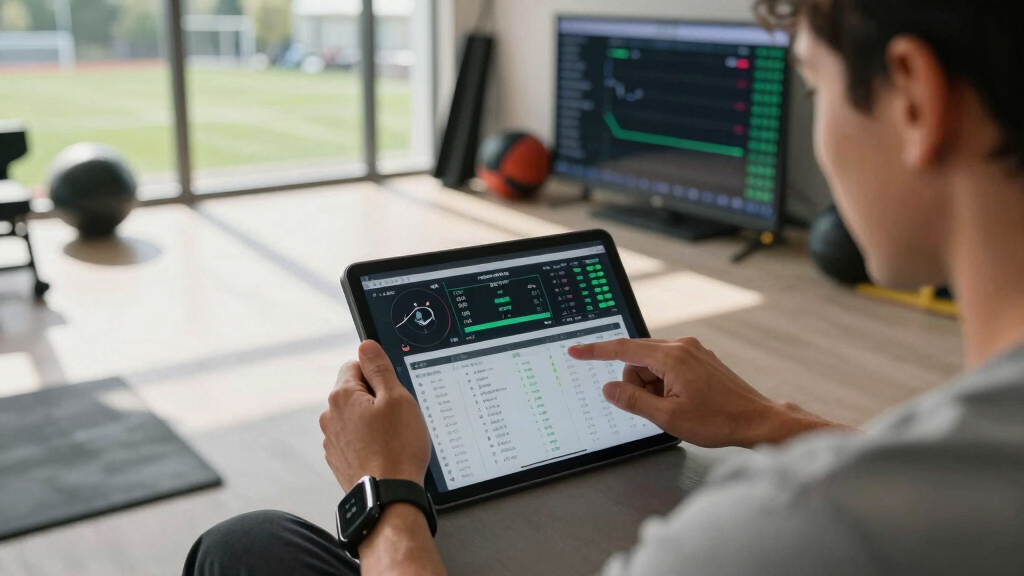

As AI continues to revolutionize sports, choosing the right analytics tools can significantly boost performance, strategy, and injury prevention. Among the most promising options are AI Sports Analytics for Performance Enhancement, best for in-depth training optimization; AI Biomechanics & Movement Optimization, ideal for injury prevention and motion analysis; and AI Game Strategy, which excels in opponent scouting and pre-game planning. Each offers unique strengths but comes with specific tradeoffs, such as technical complexity or limited practical examples. Here’s a curated look at the top picks for 2026, helping you identify the best fit for your sports analytics needs.

Get tech for your team delivered free — and shop member deals
- Fast, free delivery on millions of items
- Access to Prime Big Deal Days deals on October 6–7
- Prime Video, Amazon Music and more included
Key Takeaways
- Performance optimization tools excel for detailed athlete monitoring but may require technical skills.
- Biomechanics AI tools focus on injury prevention and movement analysis, suited for advanced sports science applications.
- Strategy-focused AI tools are perfect for pre-game planning and opponent analysis, with less emphasis on raw performance data.
- Tradeoffs include complexity versus ease of use, and the level of practical implementation provided.
- Choosing the right tool depends heavily on whether your priority is performance, injury prevention, or strategic planning.
| AI Sports Analytics for Performance Enhancement |  | Best Overall for In-Depth Performance Insights | Format: Hardcover | Focus: Performance analytics | Approach: Data-driven | VIEW LATEST PRICE | See Our Full Breakdown |
| AI Biomechanics & Movement Optimization for Sports Performance |  | Best for Injury Prevention & Movement Analysis | Format: Digital content | Focus: Biomechanics and injury prevention | Approach: Motion pattern analysis | VIEW LATEST PRICE | See Our Full Breakdown |
| The AI Betting Revolution: Transforming Gambling with Cutting-Edge Applications |  | Best for Betting & Risk Management in Sports | Format: Book | Focus: Sports betting and AI | Approach: Predictive analytics | VIEW LATEST PRICE | See Our Full Breakdown |
| AI Game Strategy: Video Analysis & Opponent Scouting in Sports |  | Best for Pre-Game Strategy & Opponent Analysis | Format: Book | Focus: Video analysis & opponent scouting | Approach: Pre-game strategy | VIEW LATEST PRICE | See Our Full Breakdown |
| Game, Set, AI: How Artificial Intelligence is Changing Tennis |  | Best for Tennis-Specific AI Insights | Format: Unknown | Focus: Tennis analytics | Application: Player development | VIEW LATEST PRICE | See Our Full Breakdown |
More Details on Our Top Picks
AI Sports Analytics for Performance Enhancement
This comprehensive guide shines in delivering advanced AI-driven insights for athletic performance, making it ideal for coaches and dedicated athletes. Compared to other options, it excels in data-driven training strategies but can be demanding in terms of technical implementation. Its practical analytics tools help translate complex data into actionable training plans, though the limited real-world case studies may leave some users seeking more concrete examples. It’s the best choice for those who want cutting-edge insights but are prepared for a learning curve.
Pros:- Cutting-edge AI insights for sports performance
- Practical analytics tools for training optimization
- Data-driven approach enhances athlete monitoring
Cons:- Requires technical expertise to implement effectively
- Limited real-world case studies in some editions
Best for: Coaches and athletes seeking a detailed, data-centric approach to performance
Not ideal for: Casual users or those seeking quick, plug-and-play solutions
- Format:Hardcover
- Focus:Performance analytics
- Approach:Data-driven
- Intended Audience:Coaches and athletes
- Complexity:High
- Case Studies:Limited
Bottom line: A top-tier choice for serious athletes and coaches aiming for deep performance insights, despite the technical learning curve.
AI Biomechanics & Movement Optimization for Sports Performance
This book is ideal for those interested in the intersection of AI and biomechanics, focusing on preventing injuries and enhancing athletic power through motion analysis. It offers in-depth insights into AI applications in human motion but falls short in practical implementation examples, making it less accessible for beginners. Compared with performance analytics tools, this pick emphasizes injury prevention and biomechanical optimization, making it highly suitable for sports science professionals but perhaps less so for casual users.
Pros:- In-depth analysis of AI in biomechanics
- Provides injury prevention strategies
- Focus on maximizing athletic movement
Cons:- No physical product, digital only
- Limited practical implementation examples
Best for: Sports scientists and performance specialists interested in biomechanics
Not ideal for: Laypersons or users seeking straightforward, ready-to-use AI tools
- Format:Digital content
- Focus:Biomechanics and injury prevention
- Approach:Motion pattern analysis
- Audience:Sports science professionals
- Application:Injury prevention and power optimization
- Case Studies:Limited
Bottom line: A specialized resource for biomechanics professionals, with a focus on injury prevention through AI-driven motion analysis.
The AI Betting Revolution: Transforming Gambling with Cutting-Edge Applications
While primarily focused on gambling, this book offers valuable insights into how AI is reshaping predictive analytics and risk management, which can be applied to sports betting and strategic decision-making. Compared with sports performance tools, it’s less about athlete data and more about strategic application in the betting industry. It’s well-suited for those exploring AI’s broader impact but might be too technical for casual readers or those looking for direct sports analytics solutions without a betting focus.
Pros:- Covers cutting-edge AI in betting
- Provides insights into future trends
- Part of a reputable tech series
Cons:- May be too technical for casual readers
- Limited practical sports implementation examples
Best for: Betting professionals and sports strategists interested in predictive AI
Not ideal for: Users seeking practical athlete performance tools
- Format:Book
- Focus:Sports betting and AI
- Approach:Predictive analytics
- Series:Tech books
- Trend Analysis:Future industry trends
- Audience:Betting professionals
Bottom line: Ideal for betting professionals and strategists looking to incorporate AI into risk management and predictive analytics.
AI Game Strategy: Video Analysis & Opponent Scouting in Sports
This book explores how AI enhances sports strategies through video analysis and opponent scouting, making it a valuable resource for teams aiming to refine pre-game tactics. It offers insights into AI-driven video analysis but lacks specific implementation examples, which could limit its practical use for some readers. Compared to other tools focused on athlete performance or biomechanics, this pick emphasizes strategic planning and scouting, ideal for coaches and analysts aiming to leverage AI for game-day advantages.
Pros:- Covers advanced AI applications in sports strategy
- Provides insights into opponent scouting
- Useful for pre-game tactical planning
Cons:- Lacks specific implementation examples
- No practical case studies provided
Best for: Coaches and analysts focusing on game strategy
Not ideal for: Individuals seeking detailed athlete performance metrics
- Format:Book
- Focus:Video analysis & opponent scouting
- Approach:Pre-game strategy
- Application:Tactical planning
- Audience:Coaches and sports analysts
- Case Studies:None
Bottom line: A strategic tool for teams wanting to leverage AI for pre-game insights and opponent analysis, with some limitations in practical demonstration.
Game, Set, AI: How Artificial Intelligence is Changing Tennis
This book targets tennis enthusiasts and professionals eager to understand how AI is revolutionizing the sport. While it promises insights into AI-driven coaching, analytics, and player development, the lack of detailed specifications or case studies makes its practical value less clear. Compared to broader sports analytics tools, this title offers a specialized look at tennis, making it a good pick for tennis-focused practitioners but less useful for other sports or general analytics needs.
Pros:- Focuses on AI in tennis
- Offers sport-specific insights
- Suitable for tennis professionals
Cons:- Limited technical details
- Few practical examples
Best for: Tennis coaches and players interested in AI applications
Not ideal for: Users seeking broad sports analytics tools or non-tennis sports insights
- Format:Unknown
- Focus:Tennis analytics
- Application:Player development
- Approach:Sport-specific insights
- Audience:Tennis coaches and players
- Case Studies:Few
Bottom line: A tailored resource for tennis practitioners looking to incorporate AI into training and analysis, though it may lack depth for advanced users.
How We Picked
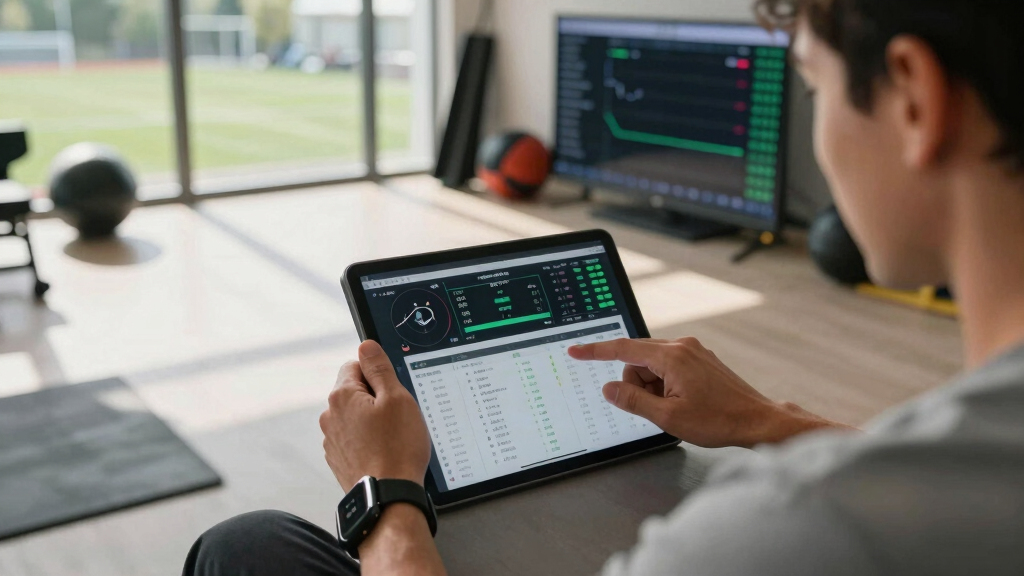
Our selection process involved evaluating each product’s primary role in sports analytics, examining the depth and practicality of their features, and considering user needs across different expertise levels. We prioritized tools that clearly differentiate in their focus—performance, biomechanics, or strategy—and balanced technical sophistication with usability. Additionally, we looked at the reputation of the publishing sources, the relevance of case studies or real-world examples, and overall user feedback. The goal was to identify tools that stand out for their innovation, applicability, and ability to deliver actionable insights in 2026.
Factors to Consider When Choosing AI Tools For Sports Analytics
Choosing the right AI tool for sports analytics depends on your specific needs—whether you’re focused on performance enhancement, injury prevention, strategic planning, or betting. Each type of tool offers different features and levels of complexity, so understanding their core strengths and limitations is key to making an informed decision.
Identify Your Primary Goal
Decide whether your main focus is improving athlete performance, preventing injuries, analyzing opponents, or applying AI to betting strategies. This will narrow your options and help you select a tool tailored to your needs.
Evaluate Your Technical Skill Level
If you possess strong technical skills, you may prefer advanced, data-heavy tools like AI Sports Analytics for Performance Enhancement. For those seeking easier, ready-to-use solutions, options with less complexity are better suited.
Consider Practical Application & Case Studies
Look for tools that include real-world examples or case studies if you want actionable insights. Digital-only products may require more effort to implement, whereas physical books or comprehensive guides might include more detailed strategies.
Balance Cost and Features
Premium tools often come with more features but at a higher cost. Weigh the benefits against your budget, especially when practical implementation or ongoing support is a concern.
Frequently Asked Questions
What should I consider when choosing an AI tool for sports analytics?
When choosing an AI tool, consider your primary goal—whether it’s improving performance, preventing injuries, or tactical planning. Also, assess your technical skills, the level of practical application provided, and your budget. The right choice aligns with your specific needs and expertise level.
Are these AI tools suitable for beginners?
Some tools, like AI Game Strategy or Game, Set, AI, are more accessible for beginners with straightforward applications. However, more advanced options, such as AI Sports Analytics for Performance Enhancement, may require substantial technical knowledge and experience to implement effectively.
Can AI tools replace traditional coaching and analysis?
AI tools are designed to augment traditional coaching by providing data-driven insights, but they do not replace the nuanced judgment and experience of human coaches. Combining AI analytics with expert coaching yields the best results for athlete development and strategic planning.
How important are practical case studies in these tools?
Practical case studies help users understand how to apply AI insights in real-world scenarios. They can accelerate learning and implementation, especially for complex tools. Limited case studies, as seen in some options, may require additional effort to adapt the concepts to your context.
What is the main difference between performance analytics and biomechanics tools?
Performance analytics tools focus on monitoring and optimizing athlete output through data-driven strategies, often emphasizing metrics and training plans. Biomechanics tools, on the other hand, analyze human motion to prevent injuries and improve movement efficiency, making them more suitable for sports science professionals and injury prevention specialists.
Conclusion
For coaches and athletes seeking comprehensive performance insights, AI Sports Analytics for Performance Enhancement offers a detailed, data-centric approach. Those focused on injury prevention and biomechanics will find AI Biomechanics & Movement Optimization invaluable, especially for advanced sports science applications. Teams interested in pre-game strategy and opponent scouting should consider AI Game Strategy, while betting professionals aiming to leverage AI for predictive analytics may benefit from The AI Betting Revolution. Your choice should align with your specific sports analytics goals and technical comfort level, ensuring you get the most actionable and relevant insights in 2026.
As an affiliate, we earn on qualifying purchases.Halloween Picks
halloween