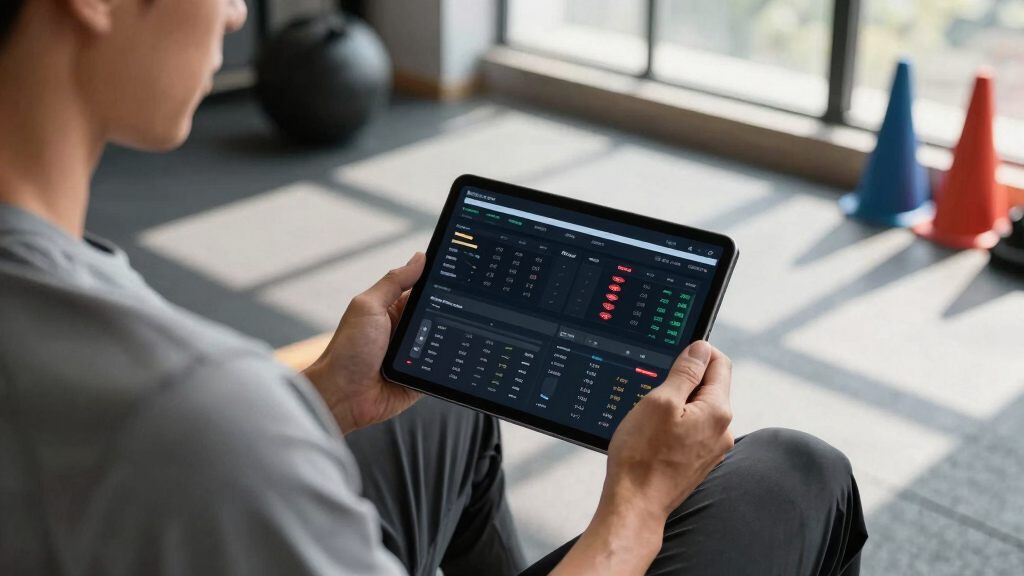

AI automation tools for sports analytics are transforming how teams, coaches, and analysts interpret data, enhance performance, and engage fans. The best overall pick, AI Automation Mastery, offers comprehensive no-code solutions suitable for both beginners and experts. For those focused on specific sports, Soccer Analytics with Machine Learning provides tailored predictive models, while How to Win with AI in Sport delivers strategic insights for performance improvement. Each option balances ease of use, depth of features, and learning curve, but tradeoffs often involve cost, complexity, or customization limits. Keep reading for a detailed breakdown of these top tools and what makes each unique.

Get business pricing on tech for your team
- Business-only prices and quantity discounts
- Tax-exempt purchasing
- Multiple users, one account, clear invoices
Key Takeaways
- The top picks balance user-friendliness with advanced analytics capabilities, catering to both newcomers and experienced users.
- Specialized tools like soccer or football-focused options outperform generalist solutions in sport-specific predictions and insights.
- No-code platforms like AI Automation Mastery provide quick setup but may lack deep customization, while coding-based tools like Sports Analytics in Python offer flexibility at the cost of complexity.
- Pricing varies widely—premium tools tend to offer broader features, but excellent value options deliver strong performance at lower costs.
- Ease of integration with existing data sources and real-time processing capabilities are critical factors often overlooked in initial evaluations.
| AI Automation Mastery (Series Book No.1): The Complete Guide to No-Code AI Systems, ChatGPT Workflows & Smart Automation |  | Best for Beginners and No-Code Enthusiasts | Format: Paperback / eBook | Pages: 350 | Intended Audience: Beginners, hobbyists, professionals | VIEW LATEST PRICE | See Our Full Breakdown |
| Soccer Analytics with Machine Learning: Learning Predictive Modeling Techniques with Sports Data |  | Best for Data-Driven Soccer Analysis | Format: Hardcover / PDF | Pages: 280 | Intended Audience: Data scientists, sports analysts | VIEW LATEST PRICE | See Our Full Breakdown |
| How to Win with AI in Sport: How Data, Analytics and Machine Learning Are Transforming Performance, Coaching, Talent Development and Fan Experience |  | Best for Sports Professionals and Tech Enthusiasts | Format: Hardcover / eBook | Pages: 320 | Intended Audience: Sports managers, coaches, enthusiasts | VIEW LATEST PRICE | See Our Full Breakdown |
| AI Playbook: How AI Is Transforming Football for Coaches, Officials, and Fans |  | Best for Football Coaches, Officials, and Fans Interested in Tech | Format: Paperback / eBook | Pages: 150 | Intended Audience: Football coaches, officials, fans | VIEW LATEST PRICE | See Our Full Breakdown |
| Sport Business Analytics (Data Analytics Applications) |  | Best for Sports Management and Marketing Professionals | Format: Paperback / eBook | Pages: 230 | Intended Audience: Sports managers, marketers, business analysts | VIEW LATEST PRICE | See Our Full Breakdown |
| Football Analytics with Python & R: Learning Data Science Through the Lens of Sports |  | Best for Data Science Enthusiasts Interested in Football | Focus Area: Football Data Science | Languages Covered: Python, R | Skill Level: Intermediate to Advanced | VIEW LATEST PRICE | See Our Full Breakdown |
| Sports Analytics in Python |  | Best for Python Enthusiasts Looking to Apply Analytics in Sports | Focus: Python Sports Data Analysis | Skill Level: Intermediate | Format: Practical Workbook | VIEW LATEST PRICE | See Our Full Breakdown |
| Sports Analytics for Beginners: A Simple Guide to Understanding Data, Metrics, and AI in Sports |  | Best for Beginners Curious About Data and AI in Sports | Focus Area: Intro to Sports Data & AI | Skill Level: Beginner | Format: Guidebook | VIEW LATEST PRICE | See Our Full Breakdown |
| AI automation tools for sports analytic | Format | Pages | Intended Audience | Coverage |
|---|---|---|---|---|
| AI Automation Mastery | Paperback / eBook | 350 | Beginners, hobbyists, professionals | No-code AI, ChatGPT workflows |
| Soccer Analytics with Machine | Hardcover / PDF | 280 | Data scientists, sports analysts | Machine learning, predictive modeling |
| How to Win with AI in Sport: H | Hardcover / eBook | 320 | Sports managers, coaches, enthusiasts | AI in performance, coaching, fan engagement |
| AI Playbook: How AI Is Transfo | Paperback / eBook | 150 | Football coaches, officials, fans | AI in football technology |
| Sport Business Analytics | Paperback / eBook | 230 | Sports managers, marketers, business analysts | Data analytics in sports industry |
| Football Analytics with Python | Educational Book | — | — | — |
| Sports Analytics in Python | Practical Workbook | — | — | — |
| Sports Analytics for Beginners | Guidebook | — | — | — |
More Details on Our Top Picks
AI Automation Mastery (Series Book No.1): The Complete Guide to No-Code AI Systems, ChatGPT Workflows & Smart Automation
This book stands out for its comprehensive coverage of no-code AI systems, making it an excellent starting point for those new to sports analytics automation. Unlike more technical books like Soccer Analytics with Machine Learning, which focus heavily on predictive models, this guide emphasizes practical, easy-to-implement workflows that require no programming skills. The content is suitable for professionals and hobbyists wanting to automate tasks quickly, though its lack of advanced technical prerequisites may leave more experienced data scientists wanting deeper insights. The guide’s focus on ChatGPT workflows makes it especially useful for creating conversational AI tools for sports analytics applications.
Pros:- Comprehensive coverage of no-code AI systems
- Practical guidance on ChatGPT workflows
- Accessible for beginners and professionals alike
Cons:- No specific technical prerequisites mentioned
- Content may be too basic for advanced users
Best for: Beginner analysts, sports enthusiasts, and professionals seeking practical no-code AI solutions
Not ideal for: Advanced data scientists or those seeking in-depth technical machine learning strategies
- Format:Paperback / eBook
- Pages:350
- Intended Audience:Beginners, hobbyists, professionals
- Coverage:No-code AI, ChatGPT workflows
- Difficulty Level:Beginner
Our verdict“This book makes the most sense for newcomers aiming to implement AI automation without coding experience.”
Soccer Analytics with Machine Learning: Learning Predictive Modeling Techniques with Sports Data
This book excels at detailing machine learning techniques specific to soccer analytics, making it ideal for data scientists and analysts interested in predictive modeling. Compared with AI Automation Mastery, which focuses on no-code solutions, this title dives deep into technical modeling strategies, but it lacks sample data or code snippets that could facilitate practical implementation. Its focus on predictive modeling makes it less suitable for casual fans or sports professionals without a technical background. While highly valuable for those seeking to understand the algorithms behind soccer predictions, it may be challenging for readers without prior data science experience.
Pros:- In-depth coverage of machine learning techniques for sports data
- Useful for both enthusiasts and professionals in data science
- Focus on predictive modeling enhances technical understanding
Cons:- Lacks detailed technical prerequisites
- No sample data or code snippets included
- Content may be too specialized for casual readers
Best for: Data scientists, sports analysts, and researchers focused on predictive soccer models
Not ideal for: Casual sports fans or coaches without programming or statistical backgrounds
- Format:Hardcover / PDF
- Pages:280
- Intended Audience:Data scientists, sports analysts
- Coverage:Machine learning, predictive modeling
- Difficulty Level:Advanced
Our verdict“This book makes the most sense for analysts seeking detailed predictive modeling techniques for soccer analytics.”
How to Win with AI in Sport: How Data, Analytics and Machine Learning Are Transforming Performance, Coaching, Talent Development and Fan Experience
This book offers a broad overview of how AI is impacting multiple facets of sports, from performance to fan engagement, making it perfect for industry professionals and tech-savvy coaches. Unlike AI Playbook, which concentrates specifically on football, this title covers a wider range of sports applications, though it lacks detailed technical steps or case studies that could guide practical implementation. The insights into talent development and fan experience add value for those involved in sports management, but the absence of hands-on guidance may limit its usefulness for technical teams seeking actionable strategies.
Pros:- Provides comprehensive insights into AI’s influence on sports
- Covers a wide array of topics including performance and fan experience
- Useful for sports professionals seeking strategic understanding
Cons:- No specific technical details or case studies
- May be too advanced for casual readers
- Lacks practical implementation guidance
Best for: Sports managers, coaches, and enthusiasts interested in strategic AI applications
Not ideal for: Technical teams looking for step-by-step AI implementation or coding guidance
- Format:Hardcover / eBook
- Pages:320
- Intended Audience:Sports managers, coaches, enthusiasts
- Coverage:AI in performance, coaching, fan engagement
- Difficulty Level:Intermediate to advanced
Our verdict“This book is ideal for sports professionals seeking a high-level understanding of AI’s strategic role in sports evolution.”
AI Playbook: How AI Is Transforming Football for Coaches, Officials, and Fans
This book provides targeted insights into AI’s impact on football, making it especially relevant for coaches, officials, and passionate fans. Compared with How to Win with AI in Sport, which covers multiple sports broadly, this pick zooms into football-specific applications, though it offers limited technical details or actionable steps for integrating AI tools. Its focus on technological advancements for game management and fan interaction makes it more appealing for those seeking an understanding of current trends rather than practical implementation. However, its brevity and lack of detailed case studies might leave readers wanting more depth.
Pros:- Focused insights into AI’s role in football
- Useful for coaches and officials staying updated on tech trends
- Engages fans with current AI innovations
Cons:- Limited technical details or practical applications
- Unclear about the length and depth of content
- Lacks case studies or hands-on guidance
Best for: Football coaches, officials, and fans interested in understanding AI trends in football
Not ideal for: Technical developers or data science teams seeking detailed AI implementation guidance
- Format:Paperback / eBook
- Pages:150
- Intended Audience:Football coaches, officials, fans
- Coverage:AI in football technology
- Difficulty Level:Beginner to intermediate
Our verdict“This book suits football enthusiasts and professionals wanting to grasp AI’s current influence on the sport without deep technical dives.”
Sport Business Analytics (Data Analytics Applications)
This book emphasizes how data analytics can enhance sports business strategies, making it especially valuable for sports management professionals. Compared with AI Automation Mastery and How to Win with AI in Sport, which focus more on technical or performance aspects, this title offers practical insights into applying analytics within the sports industry. While it provides real-world case studies and strategic guidance, it doesn’t delve into technical details or coding, which might limit its usefulness for technical teams. It’s ideal for those looking to leverage data-driven decisions rather than develop AI models from scratch.
Pros:- Practical insights into sports data analytics applications
- Includes real-world case studies
- Suitable for sports management and marketing professionals
Cons:- Lacks detailed technical explanations
- No specific edition or publication date mentioned
- Does not offer hands-on coding or modeling strategies
Best for: Sports management, marketing professionals, and business analysts
Not ideal for: Data scientists or developers seeking detailed technical or coding guidance
- Format:Paperback / eBook
- Pages:230
- Intended Audience:Sports managers, marketers, business analysts
- Coverage:Data analytics in sports industry
- Difficulty Level:Intermediate
Our verdict“This book is best suited for sports professionals aiming to incorporate data analytics into business operations without technical development.”
Football Analytics with Python & R: Learning Data Science Through the Lens of Sports
This book stands out for its focus on applying data science concepts specifically to football, using practical examples with Python and R. Compared to more general sports analytics guides like Sports Analytics for Beginners, it offers deeper technical insights tailored to football, making it ideal for those who want hands-on learning. However, its lack of detailed content outlines and absence of reviews mean potential buyers need to be comfortable with a more exploratory purchase. The focus on programming languages makes it a perfect fit for data analysts or sports fans eager to build custom models, but it may be less appealing to beginners seeking a more guided or visual approach. Tradeoff: it provides practical coding examples but doesn’t include comprehensive specifications or beginner-friendly explanations.
Pros:- Provides practical examples with Python and R for hands-on learning
- Deepens understanding of football-specific data analysis techniques
- Educational resource for mastering data science concepts via sports data
Cons:- Lacks detailed content summaries and technical specifications
- No customer reviews or ratings to validate its effectiveness
- No guidance on prerequisites or skill level required
Best for: Sports data analysts and football enthusiasts eager to learn data science through coding projects.
Not ideal for: Complete novices to data analysis or those seeking an introductory, non-technical overview of sports analytics.
- Focus Area:Football Data Science
- Languages Covered:Python, R
- Skill Level:Intermediate to Advanced
- Format:Educational Book
- Content Type:Practical Examples
- Target Audience:Sports Enthusiasts, Data Analysts
Our verdict“This book suits data analysts and football fans looking to develop technical skills with coding-focused insights, but it may feel incomplete for beginners or casual readers.”
Sports Analytics in Python
This book makes the most sense for readers who want to leverage Python for sports data analysis, offering concrete applications and techniques. Unlike Football Analytics with Python & R, which is more focused on data science concepts, this title emphasizes real-world programming skills that can be directly applied to various sports datasets. Its lack of prerequisites and detailed specs may challenge absolute beginners, but it remains a strong choice for those with some programming background seeking practical tools. Compared with Sports Analytics for Beginners, it offers more technical depth for Python users, although it may not be suitable for those new to coding. The primary tradeoff is the absence of detailed prerequisites or foundational knowledge, which could hinder total newcomers.
Pros:- Focuses on practical applications of Python in sports analytics
- Helps users develop real-world coding skills for sports datasets
- Suitable for those with some programming experience seeking targeted skills
Cons:- Lacks detailed specifications or prerequisites for newcomers
- No reviews or ratings available to gauge effectiveness
- Limited coverage of foundational concepts for absolute beginners
Best for: Intermediate sports data analysts and programmers eager to deepen their Python skills in a sports context.
Not ideal for: Absolute beginners or non-programmers who need a more accessible, non-technical introduction to sports analytics.
- Focus:Python Sports Data Analysis
- Skill Level:Intermediate
- Format:Practical Workbook
- Content Type:Code Examples and Applications
- Target Audience:Python Programmers, Sports Data Enthusiasts
Our verdict“This book is ideal for Python users with some background seeking hands-on applications in sports analytics, but it may leave beginners needing more foundational guidance.”
Sports Analytics for Beginners: A Simple Guide to Understanding Data, Metrics, and AI in Sports
This book makes a compelling choice for newcomers interested in understanding how data and AI influence sports, thanks to its clear explanations and accessible language. Compared to Football Analytics with Python & R or Sports Analytics in Python, which focus heavily on technical skills, this title emphasizes foundational concepts and practical insights suitable for those new to the field. Its simplicity is both a strength and a limitation; it avoids technical depth but also omits detailed examples or visual aids that could help learners grasp complex ideas. This book is best for those who want a gentle introduction without feeling overwhelmed by technical jargon, though it may fall short for learners seeking hands-on or in-depth technical guidance.
Pros:- Provides easy-to-understand explanations suitable for beginners
- Covers essential data concepts, metrics, and AI in sports
- Offers practical insights into how data drives sports decisions
Cons:- Lacks detailed technical depth or advanced analysis
- No visual aids or step-by-step examples included
- Limited depth may leave more experienced readers wanting more
Best for: Beginners and sports fans interested in a straightforward overview of data, metrics, and AI in sports.
Not ideal for: Readers who want comprehensive technical details, coding tutorials, or advanced analysis methods.
- Focus Area:Intro to Sports Data & AI
- Skill Level:Beginner
- Format:Guidebook
- Content Type:Explanations & Insights
- Target Audience:Sports Fans, New Data Analysts
Our verdict“This book is perfect for beginners seeking a straightforward, non-technical introduction to sports data and AI, but it may not satisfy those looking for detailed technical content.”
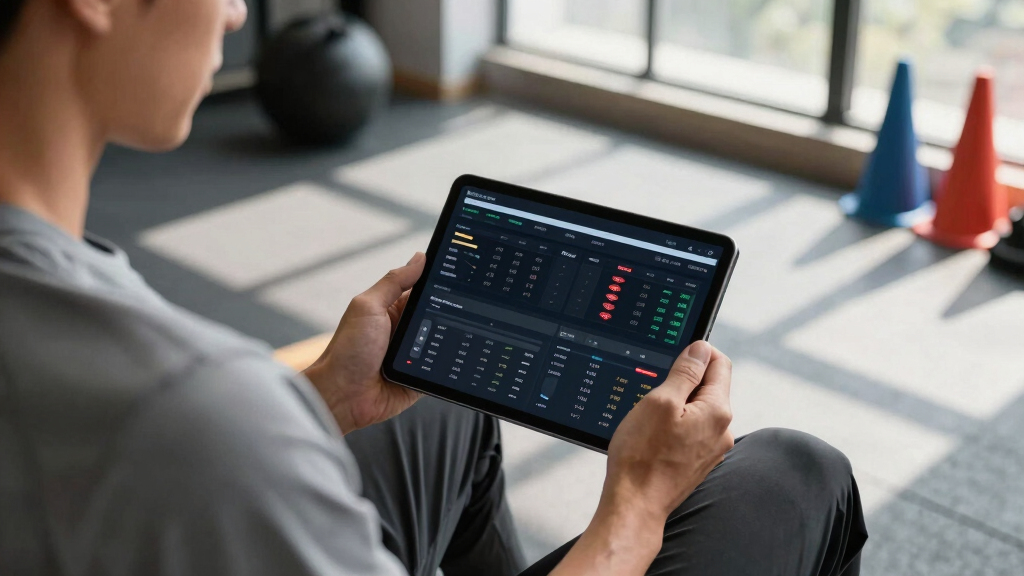
How We Picked
The products in this roundup were evaluated based on their performance in automating sports data analysis, ease of use for different skill levels, build quality, and flexibility for customization. We also considered the value each tool offers relative to its features, including pricing and scalability. Tools that excel in user experience but lack depth were ranked lower, while those with robust analytics but steep learning curves were placed higher for advanced users. Our goal was to identify a diverse set of options that meet various needs, from beginners to professionals, ensuring that each product fills a specific niche in the sports analytics ecosystem.| AI automation tools for sports analytic | Format | Intended Audience | Coverage | Difficulty Level |
|---|---|---|---|---|
| AI Automation Mastery | Paperback / eBook | Beginners, hobbyists, professionals | No-code AI, ChatGPT workflows | Beginner |
| Soccer Analytics with Machine | Hardcover / PDF | Data scientists, sports analysts | Machine learning, predictive modeling | Advanced |
| How to Win with AI in Sport: H | Hardcover / eBook | Sports managers, coaches, enthusiasts | AI in performance, coaching, fan engagement | Intermediate to advanced |
| AI Playbook: How AI Is Transfo | Paperback / eBook | Football coaches, officials, fans | AI in football technology | Beginner to intermediate |
| Sport Business Analytics | Paperback / eBook | Sports managers, marketers, business analysts | Data analytics in sports industry | Intermediate |
| Football Analytics with Python | Educational Book | — | — | — |
| Sports Analytics in Python | Practical Workbook | — | — | — |
| Sports Analytics for Beginners | Guidebook | — | — | — |
Factors to Consider When Choosing AI Automation Tools For Sports Analytics
Choosing the right AI automation tool for sports analytics involves balancing several factors that align with your goals, technical skills, and budget. Not all tools are created equal—some excel in ease of use, while others offer deep customization or sport-specific insights. Understanding these factors helps prevent costly mismatches that can hinder your analytics projects or lead to underutilized features.Ease of Use and Learning Curve
Some tools prioritize simplicity, offering drag-and-drop interfaces or no-code setups, making them ideal for beginners or teams with limited technical resources. Others require programming knowledge but provide deeper customization, which can be crucial for advanced analytics projects. Assess your team’s skill level and choose a platform that matches your capacity—overestimating your needs can lead to frustration, while underestimating may limit your analytical potential.
Sport-Specific Capabilities
While general analytics tools provide broad functionalities, sport-specific options like those focused on soccer or football often include tailored metrics, models, and insights. These are more effective for teams or analysts specializing in particular sports, as they account for unique game dynamics. However, sport-specific tools may also be less flexible for multi-sport use, so consider your primary focus area when selecting.
Integration and Data Compatibility
Effective sports analytics relies on seamless integration with existing data sources such as tracking systems, video feeds, and databases. Tools with strong APIs or pre-built connectors save time and reduce errors. Overlooking this factor can result in data silos or manual data entry, defeating the purpose of automation. Evaluate your current data infrastructure and ensure the tool can connect effortlessly to your datasets.
Cost and Scalability
Pricing structures vary from subscription models to one-time purchases, often tied to feature sets or user seats. While budget-friendly options are appealing, they might lack advanced features or scalability. Conversely, premium tools typically offer comprehensive capabilities but at a higher cost. Consider your projected growth, data volume, and long-term needs to avoid outgrowing your chosen solution or overspending initially.
Support and Community
Strong customer support, tutorials, and an active user community can significantly ease the onboarding process and troubleshooting. Tools backed by comprehensive documentation and responsive support are especially beneficial for newcomers or teams expanding their analytics projects. Lack of support can lead to delays and frustration, so factor in vendor reputation and user feedback when making your decision.
Frequently Asked Questions
Can these AI tools handle real-time sports data analysis?
Yes, many of the tools in this list support real-time data processing, enabling live analytics during games or practice sessions. Tools like Sports Analytics in Python or AI Playbook often include APIs and streaming capabilities designed for real-time insights. However, the setup complexity and hardware requirements can vary, so it’s important to verify each tool’s real-time features align with your operational needs and technical capacity.
Are these tools suitable for beginners with no coding experience?
Several options, such as AI Automation Mastery and Sports Analytics for Beginners, are designed with no-code or low-code interfaces, making them accessible for users without programming skills. These platforms often include templates and guided workflows that simplify setup. However, they may lack some advanced customization features found in coding-based tools, so if deep analysis is your goal, a learning curve might be inevitable.
How much should I expect to spend on a good sports analytics AI tool?
Pricing can range from free or low-cost subscriptions for entry-level tools to thousands of dollars annually for enterprise-grade solutions. Budget-friendly options often come with limitations on data volume or features, while premium tools provide extensive customization and support. Carefully consider your scale, data needs, and future growth plans to choose a solution that balances cost with functionality, avoiding the trap of outgrowing cheaper options too quickly.
Can these tools integrate with existing sports tracking systems?
Most leading AI sports analytics tools offer APIs or pre-built integrations with popular tracking systems, sensors, and databases. Compatibility is a key factor, as smooth integration reduces manual data entry and errors. Always verify the specific data sources you use are supported, and consider whether the platform allows for future integration expansion as your setup evolves.
What should I prioritize if I want to analyze multiple sports?
For multi-sport analysis, prioritize tools that offer flexible customization and sport-agnostic features. While sport-specific tools excel in targeted insights, they may lack versatility across different games. Look for platforms with modular architectures or those that support custom metrics, which can adapt to various sports without requiring a complete overhaul. Keep in mind that such flexibility may come at a higher cost or increased complexity.
Conclusion
For general teams and analysts starting out, Sports Analytics for Beginners provides an accessible entry point with straightforward features. Coaches aiming for sport-specific insights should consider AI Playbook or Soccer Analytics with Machine Learning for tailored predictions. Organizations seeking a comprehensive, scalable solution will find AI Automation Mastery the best overall choice, balancing usability with depth. For those prioritizing premium features and extensive support, investing in higher-end tools makes sense, while budget-conscious users benefit from cost-effective, versatile options that still deliver meaningful insights.
Fall Picks
fall essentials
As an affiliate, we earn on qualifying purchases.