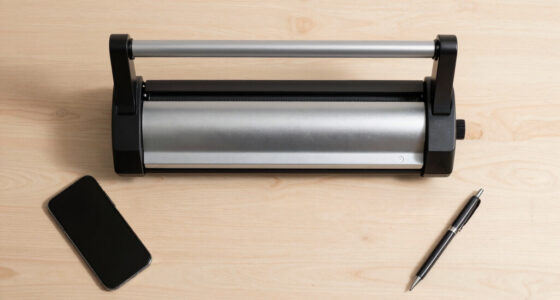
Choosing the best label applicator machine for packaging depends on your production volume, label type, and budget. The Primera AP380 stands out as the overall best for its high speed and reliability. For smaller operations or DIY setups, the Generic Manual Label Applicator offers portability and simplicity at a lower cost. Meanwhile, the VEVOR Semi-Automatic Labeling Machine hits a sweet spot for moderate production with good automation. Each option involves tradeoffs between speed, ease of use, and investment, so continue reading to see which aligns best with your needs.
Key Takeaways
- Manual labelers are budget-friendly and portable but lack high throughput.
- Semi-automatic models strike a balance between speed and ease of operation, suitable for small to medium volumes.
- Automatic and semi-automatic options generally cost more but significantly boost efficiency for larger batches.
- Adjustability for different bottle sizes is a common feature, but the ease of change varies across models.
- Build quality and durability are critical for long-term reliability, especially in high-volume settings.


More Details on Our Top Picks
Generic Manual Label Applicator, Portable Handheld Barcode Sticker Gun, Flat Round Bottle Labeling Machine, for 1” 3” Label Roll Core
This manual label applicator stands out for its straightforward design and ease of use, making it ideal for small-scale labeling tasks. Compared with the Primera AP362, it offers a more affordable, portable solution without complex setup, though it sacrifices speed and automation. Its ergonomic handle and durable ABS structure facilitate effortless operation, perfect for quick labeling of small batches. However, it’s less suited for high-volume production or irregularly shaped bottles, where more advanced machines excel. The compact size and simple manual operation make it a great choice for small businesses or hobbyists, but not for large-scale or automated environments. Tradeoffs include limited speed and no automatic features, which could hinder productivity for bigger operations.
Pros:- Very cost-effective with minimal setup required
- Lightweight and portable for easy handling
- Ergonomic handle reduces user fatigue
- Durable ABS structure ensures long lifespan
Cons:- Manual operation limits labeling speed
- Not suitable for irregular or large bottles
- Requires frequent cleaning of rollers to prevent residue buildup
Best for: Small business owners or hobbyists needing reliable, low-cost labeling for round bottles or jars.
Not ideal for: High-volume manufacturing or users requiring automated, high-speed labeling processes.
- Material:ABS, TPR
- Suitable Label Range:0.7-2.4 inches in length, 1.4-2.5 inches in width
- Label Roll Core Diameter:≥0.8 inches
- Label Roll Outer Diameter:≤4.7 inches
- Operation Mode:Manual
- Size:11.2 x 4.4 x 3.7 inches
- Weight:0.9 lbs
- Dispenser Core Diameter:1 inch
Bottom line: This pick makes the most sense for small-scale users prioritizing affordability and simplicity over speed and automation.
Primera AP362 Label Applicator
This model is praised for its quick setup and precise application, especially when used with Primera LX-series printers. Compared to the generic manual gun, it offers semi-automatic operation and can handle up to 1200 containers per hour, greatly boosting productivity. Its ability to accurately apply one or two labels on front and back of cylindrical bottles makes it ideal for wine or beverage labeling. The control is simple with a push button, but its weight and reliance on manual handling make it less suitable for very high-volume applications. The Primera AP362 is perfect for small to medium-sized bottling lines that need consistent, accurate labeling but is less appropriate for fully automated environments. Speed and precision come at a higher cost and complexity compared to simple manual guns.
Pros:- Easy setup with quick operation
- High labeling accuracy and consistency
- Works well with Primera LX-series printers
- Capable of applying front and back labels simultaneously
Cons:- Relatively expensive compared to manual options
- Limited to cylindrical containers only
- Requires a power source and some space for setup
Best for: Small wineries or beverage producers needing precise, semi-automatic labeling for cylindrical bottles.
Not ideal for: Mass production environments requiring fully automatic, high-speed labeling systems.
- Max Container Size:8.375 inches
- Output Rate:Up to 1200 containers/hour
- Power:Electric
- Control Method:Push Button
- Weight:0.01 ounces
- Compatible Printer:Primera LX-series
- Label Types:Color, Adhesive
- Application:Cylindrical containers
Bottom line: Ideal for small to medium-sized operations that prioritize accuracy and ease of use over speed and full automation.
VEVOR Manual Round Labeling Machine, 15-20pcs/min, Applicator for Round Bottles, Adjustable for 0.78-4.72 inch Diameter (with Pressing Bar)
This manual labeling machine excels in its versatility and adjustable design, making it suitable for a range of round bottles. Compared to the Primera AP362, which is semi-automatic and more precise, the VEVOR model offers a manual, cost-effective alternative ideal for small batches. Its ability to handle bottles from 0.78 to 4.72 inches in diameter and labels from 10 to 300mm long makes it adaptable for cosmetics, food, and beverage industries. The sturdy stainless steel construction ensures durability, but the manual operation means it’s less suited for high-volume production. If your operation involves different bottle sizes and you prefer a budget-friendly, portable option, this machine is an excellent choice. Tradeoff: manual operation limits throughput compared to semi-automatic systems.
Pros:- Highly adjustable for different bottle diameters
- Durable stainless steel construction
- Compact and portable design
- Capable of handling various label sizes
Cons:- Manual operation reduces speed
- Not suitable for continuous, high-volume labeling
- Requires physical effort for operation
Best for: Small manufacturers needing flexible, low-cost labeling for various round bottles.
Not ideal for: High-volume production or users seeking fully automatic solutions.
- Bottle Diameter Range:0.78-4.72 inches
- Label Length Range:10-300mm
- Label Width Range:10-110mm
- Material:Stainless Steel
- Operation Mode:Manual
- Speed:15-20 pcs/min
- Power:Manual
- Size:18.58 x 8.98 x 10.24 inches
Bottom line: A practical choice for small-scale, multi-size labeling needs with budget constraints, but not for fast-paced, high-volume environments.
ZONEPACK Upgraded Manual Labeling Machine Label Applicator Bottle Labeler Sticker Label Printer Packing Machine with Handle for Round Glass Plastic Metal Bottle etc…
The ZONEPACK upgraded model emphasizes ease of operation and adaptability, making it ideal for small batch labeling across different bottle types. Compared with the VEVOR machine, it offers similar adjustability but features an upgraded pressing bar for better label fit and a compact desktop design. Its manual operation and simple adjustment make it suitable for cosmetics, beverages, and food industries, but it won’t match the throughput of semi-automatic machines like the Primera AP362. The adjustable holder and user-friendly design streamline labeling tasks, although it requires manual effort and is less suited for large-scale production. For small businesses or hobbyists, this machine provides a good balance of flexibility and affordability. Tradeoff: manual process limits speed but offers high versatility.
Pros:- Adjustable for different bottle sizes
- Upgraded pressing bar ensures better label fit
- Compact desktop design saves space
- Suitable for various bottle materials
Cons:- Manual operation reduces productivity
- Not designed for high-speed labeling
- Requires physical effort and precise adjustment
Best for: Small-scale producers needing flexible, space-saving labeling for round bottles.
Not ideal for: High-volume, automated labeling operations or continuous production lines.
- Bottle Diameter:15-120mm
- Label Length:10-300mm
- Label Width:10-110mm
- Material:ABS, SUS201
- Operation Mode:Manual
- Speed:15-20 pcs/min
- Size:17.72 x 13.58 x 17.7 inches
- Weight:21 kg
Bottom line: A space-efficient, adjustable manual option ideal for small batches and diverse bottle sizes, but not for large-scale automation.
Hanchen Semi-Automatic Round Bottle Labeling Machine, Adjustable Labeler Label Applicator Machine for φ0.6-4.7” Cylinder 20-40pcs/min
The Hanchen semi-automatic model offers a significant step up from fully manual machines, providing increased efficiency with a maximum of 40 bottles per minute. Compared to the manual applicator, it reduces labor intensity and improves consistency thanks to its optical sensor and stable aluminum alloy body. It’s suitable for small to medium-sized operations, especially those needing accuracy and moderate throughput. Its adjustable roller and stable design allow for precise labeling on cylinders up to 4.7 inches in diameter. While it’s more efficient than manual guns, it still requires some manual handling and setup, limiting its use in continuous, large-scale production. Overall, it suits small enterprises aiming for a balance between automation and cost. The tradeoff is that it still relies on manual effort, limiting throughput compared to fully automatic models.
Pros:- Improves efficiency over manual applicators
- Optical sensor ensures accurate placement
- Adjustable for various cylinder sizes
- Sturdy, reliable aluminum alloy construction
Cons:- Limited to 20-40 bottles per minute
- Requires manual setup and bottle handling
- Not suitable for high-speed industrial use
Best for: Small to medium-sized factories or labs needing improved speed without full automation.
Not ideal for: High-volume, fully automated production lines or continuous operation environments.
- Max Bottles Per Minute:40
- Bottle Diameter Range:0.6-4.7 inches
- Material:Aluminum alloy
- Sensor:Optical
- Operation Mode:Semi-Automatic
- Power:Electric
Bottom line: A solid semi-automatic choice that boosts productivity for small to medium operations but isn’t suited for high-volume automation.
Hanchen Manual Round Bottle Labeling Machine with Comfort Press Handle for Precision & Speed, Adjustable Bottle Labeler Label Applicator Machine for Vial Light Small Bottles Effortless Labeling
This Hanchen manual labeler stands out for its high precision and adjustable design, making it ideal for labeling small vials and bottles in cosmetics, pharmaceuticals, and food industries. Compared with the Primera AP380, it offers more straightforward manual operation but lacks the speed and automation features, which means it requires consistent manual effort. Its adjustable mechanisms ensure accurate, wrinkle-free labels on cylindrical containers, with a labeling rate of about 20-40 pcs/min. However, setup can be fiddly, especially maintaining parallel rollers and feeding straight labels. The durable construction and ergonomic handle make it comfortable for extended use, though it’s not suitable for flat or irregularly shaped bottles. This pick makes the most sense for small-scale, high-precision labeling where manual control outweighs speed.
Pros:- Highly adjustable for different bottle diameters (15-120mm).
- Ergonomic design reduces hand fatigue during extended use.
- Excellent for precise, bubble-free, wrinkle-free labeling.
Cons:- Relatively slow at 20-40 pcs/min compared to semi-automatic models.
- Setup and alignment require careful adjustment, which can be time-consuming.
Best for: Small batch producers or craft labs needing precise, manual labeling on cylindrical bottles.
Not ideal for: High-volume factories requiring fully automated, fast labeling processes or irregularly shaped bottles.
- Adjustable diameter range:15-120mm
- Labeling speed:20-40 pcs/min
- Material build:High-quality metal
- Weight:6.5 kg
- Label width compatibility:up to 120mm
- Dimensions:15.8″D x 8.3″W x 9.5″H
Bottom line: This manual labeler is perfect for small-scale operations prioritizing accuracy and control over speed.
VEVOR Semi-Automatic Round Labeling Machine, 20-50pcs/min, Electric Bottle Label Applicator for Round Bottles, Round Bottle Labeler Suitable for Diameter 0.78-4.72 inches (with Pressing Bar)
The VEVOR semi-automatic model excels at handling various round bottles, from medicine to beverage bottles, with a speed of 20-50 pcs/min. Its fiber optic sensor ensures precise label placement, outperforming manual models like the Hanchen in speed and ease of use, though it still requires operator intervention. Its durable aluminum alloy body and rust-resistant design promise long-lasting performance in busy production lines. Upgrading from manual machines, it reduces setup time, especially with its twist adjustment for quick label changes. However, the machine struggles with transparent labels, which may limit its flexibility. Its high-speed efficiency makes it ideal for small to medium production runs, but it’s less suited for irregular or non-round containers. This makes it a great middle ground for semi-automated labeling needs.
Pros:- Sensor-based for accurate label detection and placement.
- Durable aluminum alloy construction for long-term use.
- Quick twist adjustment for fast label roll changes.
Cons:- Limited to round bottles with diameters 0.78-4.72 inches.
- Ineffective with transparent labels, reducing flexibility.
Best for: Small to medium manufacturers needing a reliable semi-automatic solution for round bottles in food, beverage, or cosmetic industries.
Not ideal for: Operators working with transparent labels or highly irregular container shapes, where precision is still manual or requires full automation.
- Label diameter range:0.78-4.72 inches
- Speed:20-50 pcs/min
- Construction:Aluminum alloy
- Sensor type:Fiber optic
- Weight:41.42 lbs
- Power:50 watts
Bottom line: This semi-automatic model strikes a balance between speed and ease of use for small to medium batch labeling tasks on round bottles.
Manual Round Labeling Machine, Bottle Label Applicator for Round Bottles(White)
This manual round labeling machine offers a simple, compact solution for small batch or occasional labeling, suitable for bottles, cans, and plastic containers with diameters from 0.6″ to 4″. Its longer body design improves label adhesion, minimizing bubbles and wrinkles—an upgrade over shorter manual models like Hanchen’s. Compared to the Primera AP380, it lacks sophisticated adjustments and digital controls but makes up for it with affordability and straightforward operation. Its manual operation means it’s best for low-volume tasks, and setting the proper position requires some trial and error, especially at varied bottle sizes. It’s lightweight and easy to store, but not suited for high-speed or high-volume production environments. This pick is ideal for hobbyists or small businesses needing quick, simple labeling without automation.
Pros:- Simple, manual operation with minimal setup.
- Affordable price point for small businesses.
- Effective for bottles, cans, and plastic containers.
Cons:- Limited to manual speed, not suitable for large volumes.
- Adjustments are less precise and require manual trial for different sizes.
Best for: Small-scale producers or hobbyists seeking an affordable, easy-to-use manual solution for round bottles.
Not ideal for: Large batch or high-speed operations that demand automation and consistent throughput.
- Bottle diameter:0.6-4 inches
- Label width:0.4-5.1 inches
- Operation:Manual
- Weight:20 lbs
- Material:Plastic and metal
- Design:Longer body for better adhesion
Bottom line: This manual applicator is perfect for occasional use and small batches where cost and simplicity matter most.
Primera AP380 Label Applicator Bottle Labeling Machine for Cylindrical Containers (74291) – Adjustable, semi-Automatic, Labels up to 1500 containers per Hour
Primera’s AP380 is tailored for high-volume labeling of cylindrical containers, capable of applying up to 1500 bottles per hour with precision. Its quick setup, LED counter, and adjustable guides make it ideal for factories or warehouses needing fast, consistent results. Compared to the VEVOR semi-automatic, it offers more advanced features like multiple label offsets and a built-in waste liner rewinder, simplifying large batch operations. The AP380’s ease of operation with foot switch activation and safety certifications makes it suitable for professional environments. Its main limitation lies in its semi-automatic nature—manual container placement still required—and it’s less adaptable to irregular shapes or non-cylindrical containers. Overall, it’s an excellent choice for automated, efficient cylindrical labeling at high speeds.
Pros:- Fast application speed up to 1500 containers/hour.
- Built-in waste liner rewinder for clean work environment.
- Adjustable guides and offsets for precise labeling.
Cons:- Semi-automatic operation still requires manual loading.
- Limited to cylindrical or tapered containers, not suitable for irregular shapes.
Best for: Industrial or warehouse settings requiring fast, reliable cylindrical container labeling with minimal operator fatigue.
Not ideal for: Small-scale or craft operations where automation and speed are less critical, and cost is a concern.
- Labeling speed:up to 1500/hr
- Max media size:8.375 inches
- Label type:Adhesive
- Material:Food switch series
- Warranty:1 year
- Weight:20 lbs
Bottom line: This semi-automatic applicator excels in high-volume cylindrical labeling, streamlining large production runs efficiently.
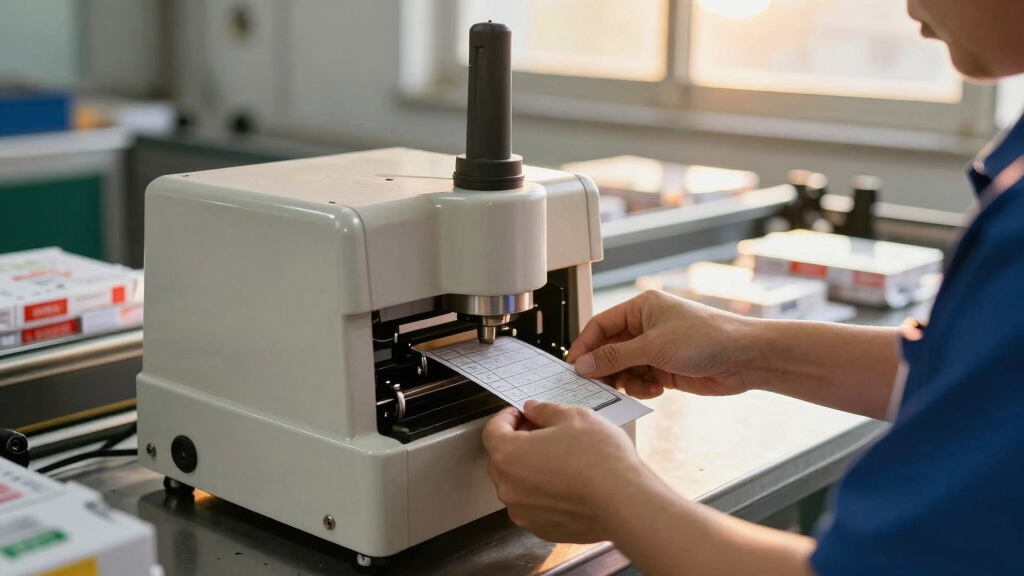
How We Picked
I evaluated these label applicator machines based on performance, ease of use, build quality, versatility, and value for money. I prioritized models that serve different scales of production—from small businesses and DIY crafters to more automated industrial setups. Each product was selected for its unique role and standout features, ensuring a varied lineup. The ranking reflects the balance of speed, precision, affordability, and user-friendliness, helping buyers find the best fit for their specific packaging needs.Factors to Consider When Choosing Best Label Applicator Machine For Packaging
When selecting the best label applicator machine for packaging, consider several key factors that impact your workflow and long-term satisfaction. Not all models are equal in speed, versatility, or ease of maintenance, so understanding these aspects helps you make a smarter choice. A well-chosen machine can streamline your labeling process, reduce waste, and improve product presentation, but a mismatch could lead to delays or increased costs.Production Volume and Speed
Start by estimating your daily or weekly labeling needs. Manual models are best for low volume or occasional use, while semi-automatic and automatic machines are better suited for higher throughput. The speed of the machine, often measured in labels per minute, directly impacts your productivity. Be wary of models that are too slow for your volume, but also avoid over-investing in high-speed machines if your demand is modest.
Bottle and Label Compatibility
Different machines support various bottle sizes and shapes. Ensure the model you choose can handle your specific container dimensions, especially if you work with irregular or small bottles. Adjustable features are valuable for versatility, but check how easy it is to change settings between runs. Compatibility issues can cause delays and increase setup time, so prioritize models with clear, straightforward adjustments.
Ease of Use and Maintenance
User-friendly controls and straightforward maintenance routines save time and reduce frustration. Manual models tend to be simpler but may require more physical effort, while semi-automatic and automatic options often incorporate digital controls for precise placement. Consider the availability of replacement parts and the ease of cleaning, especially in high-volume environments where downtime can be costly.
Build Quality and Durability
Investing in a sturdy machine pays off in long-term reliability. Cheaper, lightweight models may be tempting but can wear out quickly, especially under frequent use. Look for machines with robust construction and reputable brand support. This is particularly important if your operation is high-volume or if you need consistent, high-precision labeling over time.
Budget and Total Cost of Ownership
Balancing initial investment with ongoing costs is key. Manual models are typically the most affordable upfront but may incur higher labor costs. Automated options cost more initially but can save on labor and increase output. Consider long-term expenses such as replacement parts, maintenance, and potential upgrades. A slightly higher upfront investment in a durable, efficient model can pay off through lower operational costs over time.
Frequently Asked Questions
Can I use a manual label applicator for high-volume production?
Manual label applicators are generally best suited for low to moderate volumes or occasional use. They require physical effort and are slower compared to semi-automatic or automatic models. If you anticipate high daily output, investing in a semi-automatic or fully automatic machine will likely be more efficient and reduce labor fatigue, ensuring your workflow remains smooth.
Are automatic label applicators difficult to operate and maintain?
Automatic and semi-automatic models are designed for ease of operation with digital controls, but they do require some initial setup and calibration. Maintenance routines are typically straightforward but depend on the build quality and brand support. Regular cleaning and periodic part replacements are necessary to keep them running smoothly, especially in busy production environments.
How do I know if a label applicator can handle my bottle sizes?
Check the adjustable range specified by the manufacturer, including maximum and minimum bottle diameters and heights. Machines with quick-change features or adjustable pressing bars make it easier to switch between different sizes. Testing a model with your actual bottles, if possible, can prevent mismatches that cause delays or poor label placement.
Is investing in a semi-automatic labeler worth it for small businesses?
Yes, semi-automatic labelers often provide a good balance of speed, control, and affordability for small to medium-sized businesses. They significantly improve efficiency over manual methods without the high costs associated with fully automatic systems. If your production volume is steady but not overwhelming, a semi-automatic model can boost your output while keeping operational costs manageable.
What are common mistakes to avoid when choosing a label applicator?
One common mistake is focusing solely on price without considering durability and compatibility. Choosing a machine that isn’t adjustable for your bottle sizes can cause delays and frustration. Additionally, neglecting ease of maintenance or support options may lead to downtime and costly repairs. Carefully matching the machine’s capabilities to your specific needs prevents these issues and ensures smoother operations.
Conclusion
For small businesses or hobbyists, the Generic Manual Label Applicator offers budget-friendly simplicity. If your operation requires higher speeds and efficiency, the Primera AP380 provides a reliable semi-automatic solution that balances cost and performance. Large-scale producers should consider investing in an automatic model like the VEVOR Semi-Automatic Labeling Machine for maximum throughput. Beginners will appreciate the straightforward operation of manual or semi-automatic options, while seasoned operators needing durability and speed should look toward premium, industrial-grade machines. Ultimately, selecting the right machine depends on your volume, budget, and specific labeling needs—use this guide to find your best fit.