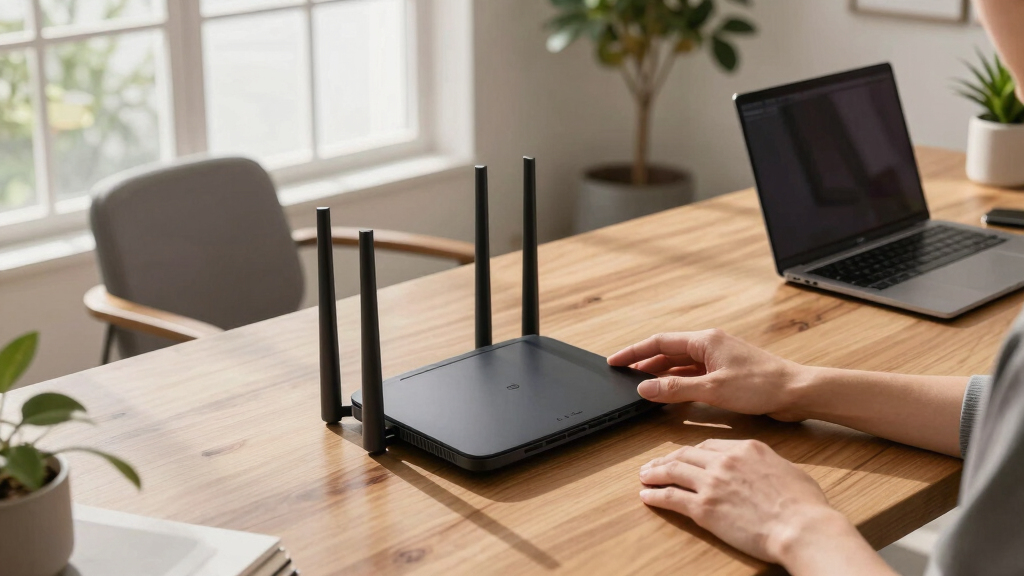

Choosing the best Wi-Fi 7 mesh system for a home office involves balancing speed, coverage, ease of use, and future-proofing. The TP-Link Deco 7 BE25 stands out as the overall best, thanks to its impressive speed and extensive coverage. The NETGEAR Orbi 770 Series offers top-tier performance for larger spaces, while the TP-Link Deco 7 Pro BE14000 provides a premium feature set for demanding setups. Many systems trade off between ease of setup, wired connectivity options, and advanced security features. Continue reading for a detailed breakdown of each option to find the best fit for your home office needs.
Key Takeaways
- High-performance tri-band systems like the Deco 7 Pro BE14000 excel in handling multiple devices and demanding tasks.
- Wired backhaul support remains essential for maintaining optimal speeds in larger or more complex setups.
- The top picks balance coverage area with hardware capabilities to suit both small and large home offices.
- Advanced security features such as VPN, AI-Roaming, and HomeShield are common among premium models.
- Price varies based on features like multi-band support, wired ports, and overall speed, making it vital to match system capabilities with specific needs.


More Details on Our Top Picks
TP-Link Deco 7 BE25 Dual-Band BE5000 WiFi 7 Mesh Wi-Fi System | 4-Stream 5 Gbps, 240 Mhz | Covers up to 6,600 Sq.Ft | 2X 2.5G Ports Wired Backhaul | VPN, MLO, AI-Roaming, HomeShield, 3-Pack
The Deco 7 BE25 stands out for its impressive coverage of up to 6,600 sq. ft. and support for over 150 devices, making it ideal for busy home offices. Compared to the NETGEAR Orbi 370 Series, it offers similar coverage but with more advanced Wi-Fi 7 features like Multi-Link Operation (MLO) and 240 MHz channels, delivering faster, more stable connections. Its dual 2.5 Gbps wired ports in each unit ensure high-speed wired backhaul, reducing latency and boosting overall performance. While setup is straightforward via the Deco app, its slightly larger footprint and higher price could be drawbacks for smaller spaces or budget-conscious users. This pick makes the most sense for professionals needing reliable, high-speed Wi-Fi across a large home workspace with multiple devices.
Pros:- Excellent coverage up to 6,600 sq. ft.
- Supports over 150 devices with stable performance
- Advanced Wi-Fi 7 features like MLO and 240 MHz channels
- Easy app-based setup and management
Cons:- Larger physical size may not suit small spaces
- Higher price point compared to WiFi 6 systems
- Limited to a 3-pack, less flexible for smaller homes
Best for: Home office users with extensive device needs and space for a 3-pack system
Not ideal for: Small apartments or users seeking a budget-friendly, simple setup without extensive coverage
- Coverage:6600 sq.ft
- Wi-Fi Generation:Wi-Fi 7
- Data Transfer Rate:up to 5 Gbps
- Number of Ports:2x 2.5G WAN/LAN
- Device Capacity:150+
- Antenna Type:Internal
Bottom line: Ideal for large home offices needing extensive coverage and high-speed, future-proof Wi-Fi 7 performance.
NETGEAR Orbi 370 Series Dual-Band WiFi 7 Mesh Network System for Home (RBE373) – Wireless Router + 2 Extenders, Security Features, 5 Gbps, Covers 6,000 sq.ft., 70 Devices, 2.5GB Internet Port, BE5000
The Orbi 370 RBE373 offers reliable Wi-Fi 7 performance with a broad coverage of 6,000 sq. ft. and a user-friendly setup process, making it suitable for home offices that prioritize simplicity. Unlike the TP-Link Deco 7, it includes two extenders for flexible placement and coverage, which helps eliminate dead zones in medium-sized homes. Its support for up to 70 devices is ample for most home work environments, and the built-in security features add peace of mind. However, compared to the Deco 7, it lacks the advanced multi-GHz channels and MLO, which could limit maximum speeds in very high-demand scenarios. This system is perfect for users who want a straightforward, extendable mesh network that covers a large area without complex configurations.
Pros:- Easy to set up with the NETGEAR app
- Includes two extenders for flexible coverage
- Supports up to 70 devices
- Built-in security and automatic updates
Cons:- Limited to 5 Gbps speeds, less future-proof than Wi-Fi 7 multi-GHz systems
- No Wi-Fi 7 MLO support
- Coverage slightly less than some competitors at the same price
Best for: Home office users seeking reliable coverage with easy installation and security
Not ideal for: Large enterprise setups or users demanding ultra-high speeds beyond 5 Gbps
- Coverage:6000 sq.ft.
- Wi-Fi Generation:Wi-Fi 7
- Data Transfer Rate:up to 5 Gbps
- Number of Ports:1x 2.5G Ethernet
- Device Capacity:70
- Antenna Type:Internal
Bottom line: Best for those who want a dependable, expandable Wi-Fi 7 system with minimal fuss in a medium-sized home office.
NETGEAR Orbi 370 Series Dual-Band WiFi 7 Mesh System for Home (RBE372) – Wireless Router + 1 Extender, Security Features, Covers 4,000 sq.ft., 70 Devices, Universally Compatible with ISPs
The Orbi RBE372 provides a compact yet capable WiFi 7 mesh solution with coverage of up to 4,000 sq. ft., perfect for smaller home offices or apartments. It supports up to 70 devices, making it suitable for most smart work environments, and is compatible with all ISPs, simplifying setup for users with different providers. Its straightforward dual-band design simplifies installation, but it doesn’t include the advanced multi-GHz features or the extensive wired backhaul options found in higher-end systems like the Deco 7 Pro. Its more limited coverage means it’s less suitable for very large homes or multi-story setups but offers excellent performance for smaller spaces. This makes it a good choice for users who need reliable Wi-Fi 7 coverage without excess complexity or size.
Pros:- Compact size fits smaller spaces
- Supports up to 70 devices
- Universal ISP compatibility
- Easy to set up via app
Cons:- Limited to 4,000 sq.ft. coverage
- Lacks multi-GHz support for maximum future speeds
- Fewer wired ports compared to higher-end models
Best for: Small to medium home offices or apartments needing reliable Wi-Fi 7 coverage
Not ideal for: Large homes or users requiring extensive wired backhaul options
- Coverage:4000 sq.ft.
- Wi-Fi Generation:Wi-Fi 7
- Data Transfer Rate:up to 5 Gbps
- Number of Ports:1x 2.5G Ethernet
- Device Capacity:70
- Antenna Type:Internal
Bottom line: Best for small to medium-sized spaces where reliable Wi-Fi 7 is needed with simple setup and strong device support.
TP-Link Deco 7 Pro BE63 Tri-Band WiFi 7 BE10000 Whole Home Mesh System – 6-Stream 10 Gbps, 4×2.5G Ports Wired Backhaul, 4X Smart Internal Antennas, VPN, HomeShield, Free Expert Support (3-Pack)
The Deco 7 Pro BE63 offers top-tier Wi-Fi 7 speeds with a total of 10 Gbps and extensive coverage of up to 7,600 sq. ft., making it ideal for demanding home offices and smart home setups. Its tri-band configuration and 6-stream architecture excel at providing seamless, high-speed connectivity for multiple devices and heavy workloads. The four 2.5G wired ports and support for over 200 devices ensure maximum flexibility and future readiness. While the setup process is straightforward through the Deco app, its larger size and premium price tag may deter users with limited space or tighter budgets. The advanced security features, including VPN and HomeShield, add a layer of protection. This model is perfect for professionals seeking a high-performance, scalable, and future-proof Wi-Fi 7 system.
Pros:- Exceptional speeds up to 10 Gbps
- Extensive coverage and device capacity
- Tri-band with 6 streams for optimal performance
- Advanced security features including VPN
Cons:- Higher cost and larger footprint
- Complex setup for non-technical users
- Overkill for small or simple home networks
Best for: Power users with large homes and demanding network needs who want the best performance and security
Not ideal for: Small spaces or budget-conscious users seeking entry-level Wi-Fi 7 solutions
- Coverage:7600 sq.ft.
- Wi-Fi Generation:Wi-Fi 7
- Data Transfer Rate:up to 10 Gbps
- Number of Ports:4x 2.5G
- Device Capacity:200+
- Antenna Type:Internal
Bottom line: Ideal for high-demand home offices and smart homes that require the fastest, most secure Wi-Fi 7 mesh system with extensive coverage.
Amazon eero 7 dual-band mesh Wi-Fi 7 router (newest model) – Supports internet plans up to 2.5 Gbps, Coverage up to 4,000 sq. ft., 2-pack
This eero 7 mesh system stands out for offering Wi-Fi 7 features at a surprisingly affordable price point, especially when compared with higher-end systems like the NETGEAR Orbi 770. It supports internet plans up to 2.5 Gbps and covers 4,000 sq. ft. with a 2-pack, making it suitable for mid-sized homes. Its TrueMesh software and multi-link operation help minimize dead spots, though it’s less capable of handling very large device counts compared to premium options like the TP-Link Deco 7 Pro. The setup is straightforward with the app, and backward compatibility ensures older devices remain supported. However, its wired speed potential is limited by dual-band design, and some may find its coverage insufficient for larger properties. This pick makes the most sense for small to medium homes seeking reliable Wi-Fi 7 without breaking the bank.
Pros:- Affordable price point for Wi-Fi 7 technology
- Supports internet plans up to 2.5 Gbps
- Easy setup with the app and backward compatibility
Cons:- Limited to dual-band speeds, restricting wired performance
- Coverage may be insufficient for very large homes or extensive device networks
Best for: Small to medium-sized households on a budget needing reliable Wi-Fi 7 coverage.
Not ideal for: Large homes or users with high device counts who require extensive wired backhaul or multi-gig speeds.
- Wi-Fi Standard:Wi-Fi 7 (IEEE802.11a/b/g/n/ac/ax/be)
- Coverage:Up to 4,000 sq. ft.
- Number of radios:2
- Supported devices:120+
- Ethernet ports:2x 2.5 GbE
- Processor:Quad-core 1.1 GHz
Bottom line: A solid choice for budget-conscious users wanting future-proof Wi-Fi 7 in a smaller home setting.
TP-Link Deco 7 BE23 Dual-Band BE3600 WiFi 7 Mesh Wi-Fi System | 4-Stream 3.6 Gbps, 160 Mhz | Covers up to 6,500 Sq.Ft | 2× 2.5G Ports Wired Backhaul | VPN,MLO,AI-Roaming, HomeShield, 3-Pack
Compared to the Amazon eero 7, the TP-Link Deco 7 BE23 offers higher theoretical wireless speeds (up to 3.6 Gbps) and a larger coverage area of 6,500 sq. ft. with its three-pack, making it ideal for bigger homes. Its support for Wi-Fi 7’s Multi-Link Operation, 4K-QAM, and wired backhaul with 2× 2.5 GbE ports provides flexibility for high-performance wired and wireless setups. It also includes robust security features like HomeShield and AI-Roaming, which improve device management and security. Still, its complexity is a bit higher, and its app interface may feel less intuitive for some users. It’s less suited for users with small homes or minimal device needs. This system is perfect for large households demanding extensive coverage and advanced security features at a competitive price.
Pros:- Supports Wi-Fi 7 with speeds up to 3.6 Gbps
- Covers up to 6,500 sq. ft. with 3-pack
- Includes wired backhaul with 2× 2.5 GbE ports
Cons:- Setup and app interface can be less user-friendly
- Higher cost compared to simpler systems like eero 7
Best for: Large homes and tech-savvy users seeking extensive coverage and advanced network security.
Not ideal for: Small apartments or users who prioritize ultra-simple setup over advanced features.
- Wi-Fi Standard:Wi-Fi 7 (IEEE802.11a/b/g/n/ac/ax/be)
- Coverage:Up to 6,500 sq. ft.
- Supported devices:200+
- Ethernet ports:2× 2.5 GbE per unit
- Processor:Unknown
- Security:HomeShield, MLO, VPN
Bottom line: An excellent choice for large households needing broad coverage and high-speed Wi-Fi 7 with extra security features.
TP-Link Deco 7 Pro BE14000 Tri-Band Wi-Fi 7 Whole Home Mesh System | 8-Stream 14 Gbps | 10 Gbps WAN/LAN Port | Up to 8100 Sq.ft, 200 Devices Capacity | 320 MHz, HomeShield, AI-Roaming (BE67 3-Pack)
The Deco 7 Pro BE14000 outshines many competitors like the NETGEAR Orbi 770 in sheer speed and advanced tri-band capabilities, supporting up to 14 Gbps with 8 streams and extensive device capacity. Its 10 Gbps WAN/LAN port and support for Ethernet backhaul make it ideal for demanding home offices or multi-device environments requiring consistent high bandwidth. Its AI-Roaming and HomeShield security improve device management and security across a large coverage of 8,100 sq. ft. Additionally, its USB 3.0 port offers extra connectivity options. The system’s complexity and price may be overkill for smaller homes or simple setups, but for busy, tech-heavy environments, it provides unmatched performance. It’s less suited for users with limited wired infrastructure or smaller spaces. This is the best choice for power users who need top-tier Wi-Fi 7 performance and security.
Pros:- Supports Wi-Fi 7 with speeds up to 14 Gbps
- Includes 10 Gbps WAN/LAN ports and USB 3.0
- Covers up to 8,100 sq. ft. with 200 devices supported
Cons:- High cost and complexity, with a steep learning curve
- Overkill for typical small home or casual users
Best for: Power users and large home offices requiring maximum speed, device capacity, and wired connectivity.
Not ideal for: Small apartments or users seeking a straightforward setup without high-speed or wired features.
- Wi-Fi Standard:Wi-Fi 7 (IEEE802.11a/b/g/n/ac/ax/be)
- Coverage:Up to 8,100 sq. ft.
- Supported devices:200+
- Ethernet ports:1× 10 Gbps + 2× 2.5 Gbps
- Streams:8
- Processor:Unknown
Bottom line: An excellent high-performance system for demanding, device-rich environments needing maximum speeds and coverage.
NETGEAR Orbi 770 Series Tri-Band WiFi 7 Mesh Network System (RBE773) – Router + 2 Satellite Extenders, Security Features, Up to 11Gbps, Covers up to 8,000 sq. ft., 100 Devices, 2.5 Gig Internet Port
For those seeking the highest possible Wi-Fi 7 speeds and extensive coverage, the NETGEAR Orbi 770 offers up to 11 Gbps over tri-band connections, surpassing the TP-Link Deco 7 Pro in raw speed. Its coverage of 8,000 sq. ft. with three units makes it ideal for large, demanding homes or home offices. The system supports up to 100 devices, which is adequate for most high-end setups, and its 2.5 Gbps port ensures fast wired connections. Security features are integrated, and firmware updates happen automatically, reducing management overhead. While its premium price reflects its top-tier performance, it might be excessive for small or average users. It’s less suited for those with modest needs or budget constraints. This system is perfect for users who want the best of everything in Wi-Fi 7 technology and coverage.
Pros:- Supports Wi-Fi 7 with speeds up to 11 Gbps
- Covers up to 8,000 sq. ft. with 3 units
- Includes 2.5 Gbps Ethernet port and security features
Cons:- High cost and complex setup
- Limited to 100 devices, which may be restrictive for very large networks
Best for: Large, tech-heavy homes or professional environments needing maximum speed, coverage, and security.
Not ideal for: Small homes, budget-conscious users, or those with minimal device requirements.
- Wi-Fi Standard:Wi-Fi 7 (IEEE802.11a/b/g/n/ac/ax/be)
- Coverage:Up to 8,000 sq. ft.
- Supported devices:100
- Ethernet ports:1× 2.5 Gbps
- Speed:Up to 11 Gbps
- Security:Advanced security features
Bottom line: The top choice for large, high-performance home networks demanding maximum speed and coverage with premium features.
TP-Link Deco X55 AX3000 WiFi 6 Mesh System – Covers up to 6500 Sq.Ft, Replaces Wireless Router and Extender, 3 Gigabit Ports per Unit, Supports Ethernet Backhaul, Deco X55(3-Pack)
While not a Wi-Fi 7 system, the Deco X55 AX3000 offers reliable coverage of up to 6,500 sq. ft. and supports over 150 devices, making it a strong choice for users who want to upgrade to Wi-Fi 6. It’s simpler and more affordable than Wi-Fi 7 options like the NETGEAR Orbi 770 but still provides solid performance for typical home or small office environments. Its support for Ethernet backhaul and three gigabit ports ensures wired stability, and the app makes setup straightforward. Its security features, including TP-Link’s HomeShield, add peace of mind. However, it falls short of Wi-Fi 7’s speed and future-proofing, which might matter for bandwidth-heavy tasks. This system works well for users who want a reliable Wi-Fi 6 upgrade with broad coverage without the extra expense of Wi-Fi 7.
Pros:- Covers up to 6,500 sq. ft.
- Supports over 150 devices
- Includes Ethernet backhaul with 3 gigabit ports
Cons:- Limited to Wi-Fi 6 speeds, not future-proof like Wi-Fi 7 systems
- Less suitable for high-bandwidth professional use
Best for: Home users seeking a reliable Wi-Fi 6 upgrade with extensive coverage and simple setup.
Not ideal for: Power users or large offices needing the latest Wi-Fi 7 speeds or ultra-high device capacity.
- Wi-Fi Standard:Wi-Fi 6 (IEEE802.11ax)
- Coverage:Up to 6,500 sq. ft.
- Supported devices:150+
- Ethernet ports:3× Gigabit
- Speed:AX3000 (up to 3.0 Gbps)
- Security:HomeShield
Bottom line: A reliable upgrade option for broad coverage and device support in a Wi-Fi 6 environment.
How We Picked
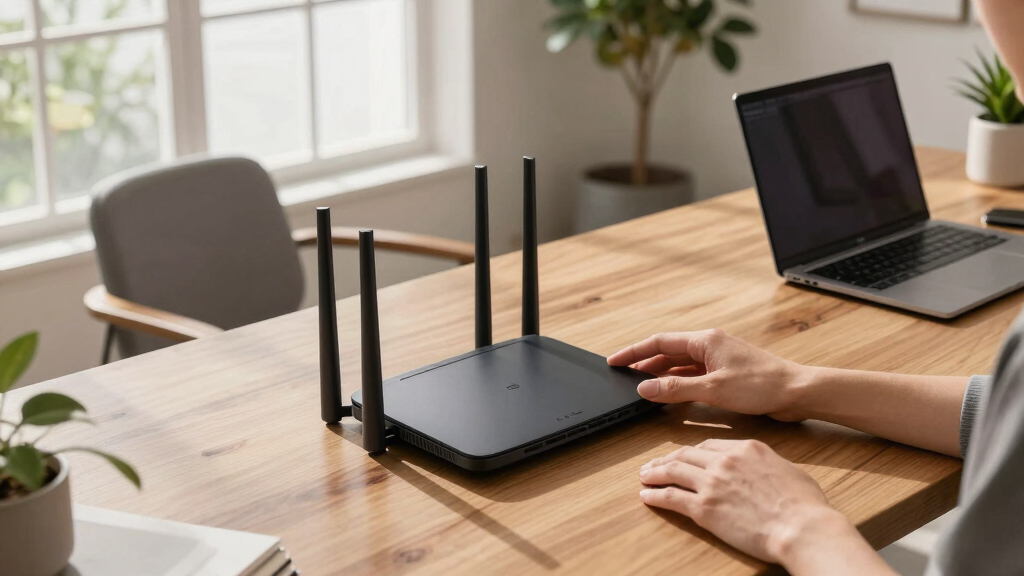
These products were evaluated based on performance metrics like maximum throughput, coverage area, and device capacity, ensuring they meet the demands of a busy home office. Ease of setup and management were also key, as intuitive interfaces save time and frustration. Build quality and future-proof features such as wired backhaul, multi-band support, and security options influenced the rankings. Price-to-performance ratios were considered to identify options offering the most value for different budgets. The ranking reflects a balance between high-end performance and practical usability for typical home office environments.Factors to Consider When Choosing Best Wi-fi 7 Mesh System For Home Office
When selecting a Wi-Fi 7 mesh system for your home office, it’s vital to consider several factors beyond just raw speed. Understanding coverage needs will help prevent dead zones, while wired options can significantly boost stability for bandwidth-heavy tasks. Security features safeguard your network against threats, especially with multiple devices connected. Compatibility with your internet plan and existing equipment also plays a role, alongside ease of setup and ongoing management. Being aware of these broader considerations helps ensure you pick a system that not only performs well today but remains reliable in the future.Coverage Area and Device Capacity
Assess how much space your home office covers and how many devices will connect simultaneously. Larger spaces benefit from systems with extensive coverage or multiple nodes, like the NETGEAR Orbi 770, which can handle up to 8,000 sq. ft. or more. If you plan to connect dozens of devices, look for models supporting high device counts without sacrificing speed. Overestimating your needs can lead to unnecessary expense, but underestimating may cause dead zones or lag. Striking the right balance ensures a seamless experience across your entire workspace.
Wired Backhaul and Ports
Wired backhaul support is key for maximizing speeds in complex setups, especially in multi-room or multi-floor environments. Devices like the TP-Link Deco 7 Pro feature multiple Ethernet ports for wired connections, reducing wireless congestion. If you have a lot of wired devices or plan to expand, prioritize systems with sufficient ports and wired backhaul options. However, wired infrastructure adds complexity and cost, so consider whether your space allows for Ethernet cabling or if wireless backhaul suffices.
Speed and Performance
While Wi-Fi 7 promises higher speeds, actual performance depends on hardware capabilities and your internet plan. Systems like the TP-Link Deco 7 BE25 deliver multi-gigabit speeds suitable for demanding tasks like 4K streaming or large file transfers. For typical home office use, high throughput reduces lag and buffering, especially when multiple devices are active. However, investing in top-tier hardware may offer diminishing returns if your internet service or network setup can’t match those speeds. Match system capabilities with your real-world bandwidth needs to avoid overspending.
Security and Management Features
Security features like VPN support, HomeShield, and AI-Roaming help protect sensitive work data and simplify network management. Premium systems often include parental controls, device prioritization, and automatic updates. For a home office with multiple users, these features prevent unauthorized access and optimize performance. However, more advanced security may come with a steeper learning curve or higher price. Consider your comfort level with network management and whether built-in security features justify the cost.
Ease of Setup and Future-Proofing
User-friendly apps and straightforward installation processes save time and frustration. Systems with clear instructions, mobile app management, and automatic updates tend to be more reliable long-term. Future-proofing involves choosing models with support for Wi-Fi 7, multi-band support, and hardware upgrades. While premium models tend to offer the latest features, they are often more complex to configure initially. Balance ease of use with the need for advanced features that will keep your network current over the years.
Frequently Asked Questions
Will a Wi-Fi 7 mesh system work with my existing Wi-Fi 6 devices?
Yes, most Wi-Fi 7 systems are backward compatible with Wi-Fi 6 and earlier standards, ensuring your existing devices continue to work seamlessly. This backward compatibility allows you to upgrade your network gradually without losing functionality. However, to maximize performance benefits of Wi-Fi 7, newer devices should support the standard, especially if you want to leverage the higher speeds and lower latency it offers. Compatibility ensures a smooth transition while maintaining your current device ecosystem.
Is wired backhaul necessary for a reliable home office Wi-Fi mesh system?
Wired backhaul isn’t strictly necessary but significantly enhances network stability and speed, especially in larger or multi-story homes. Wireless backhaul can suffice in smaller spaces or where Ethernet wiring is impractical, but it may introduce some congestion and reduce maximum throughput. If your home office relies on high-bandwidth activities like video conferencing or large data transfers, investing in wired backhaul improves performance. Consider your home’s wiring infrastructure and your performance needs when deciding.
How many devices can a Wi-Fi 7 mesh system realistically support?
Most modern Wi-Fi 7 systems can support dozens of devices simultaneously, with some models handling up to 200 devices efficiently. The actual number depends on the hardware’s processing power, bandwidth management features, and network traffic. For a typical home office with multiple work devices, smart home gadgets, and mobile phones, a system supporting 70-100 devices provides ample headroom. Overloading your network can cause lag, so choosing a system with sufficient capacity prevents slowdowns during peak usage.
What is the benefit of tri-band Wi-Fi 7 systems over dual-band options?
Tri-band systems allocate one dedicated band to backhaul, freeing up the other two for device connections, which results in more consistent speeds and reduced interference. This setup is especially beneficial in large homes or offices with many connected devices, as it minimizes congestion and latency. While tri-band systems tend to be more expensive, their performance advantages in busy environments make them worth considering for serious home office setups. If your network has high demands, a tri-band system can provide a noticeable improvement.
Should I prioritize speed or coverage when choosing a Wi-Fi 7 mesh system?
The choice depends on your specific environment and usage patterns. If your home office is in a large space or multiple rooms, coverage might be more critical to eliminate dead zones. Conversely, if your workspace is small but requires high-speed data transfers, prioritizing speed makes sense. Many systems offer a balance, so consider your primary activities—like video conferencing, large file uploads, or streaming—to guide your decision. Matching the system’s strengths with your actual needs ensures better overall satisfaction.