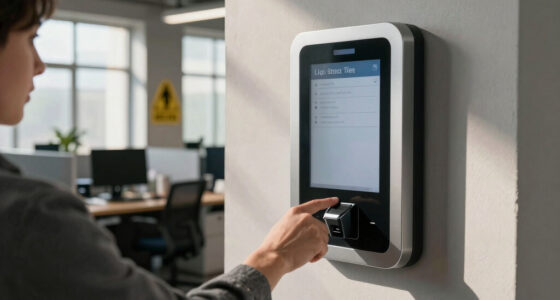
This checklist is for people setting up an AI workflow at home or at a desk: whether you’re connecting a laptop, capturing meetings, improving calls, or organizing files. It covers practical gear alongside two categories where choosing by your needs matters more than starting with a specific product.

Get tech for your team delivered free — and shop member deals
- Fast, free delivery on millions of items
- Access to Prime Big Deal Days deals on October 6–7
- Prime Video, Amazon Music and more included
The sections follow the setup from connectivity and meeting capture to storage, video, audio, and power monitoring. Each one explains what the item contributes, what to check before buying, and—where a pick is provided—who that product may suit. The picks are starting points, not a claim that one setup fits every device or workflow.
Before shopping, list your computer’s ports, operating system, peripherals, and any software or smart-home platform you use. Check each product’s current specifications against those requirements, paying particular attention to compatibility and connection type. Use the look-for bullets as a quick comparison checklist, and skip features you won’t use.
USB-C Docking Station
A dock can make a desk setup easier to connect by bringing compatible peripherals together through one workstation connection. The listed pick, Plugable UD-ULTC4K 13-in-1 USB-C Docking Station with Triple 4K Displa, is a model to consider if you’re comparing docks for a multi-display setup. The product name signals a focus on multiple connections and triple 4K display support, but confirm the full current specifications before relying on those capabilities.
A common mistake is assuming that any USB-C port supports every dock feature. Check your computer’s port capabilities, operating system, supported display outputs, and the dock’s host-connection requirements. Also verify that the exact monitors and cables you plan to use are supported together; display resolution and number of screens can depend on the host device and connection configuration. Review the complete port list to make sure it includes the connections your workflow actually needs, rather than choosing by port count alone.
Think through placement and cable reach, too: confirm the dock can sit where you want it and that your existing peripherals have compatible connectors. Before purchase, compare the full model name and manufacturer documentation with your laptop and monitor details. Compatibility comes first; a dock is only useful when it supports the devices and display arrangement you intend to connect.
What to look for:
- Confirm your computer’s USB-C port supports the dock’s required features.
- Check operating-system and host-device compatibility in the current documentation.
- Verify support for your intended monitor count, resolution, and connection layout.
- Review the complete port list against your peripherals and cables.
- Check cable reach and desk placement before settling on a setup.
Plugable UD-ULTC4K 13-in-1 USB-C Docking Station with Triple 4K Display Support

Connect up to three 4K 60Hz displays, USB accessories, Ethernet, audio, and SD cards through a single USB-C connection. The dock provides up to 100W laptop charging and up to 20W accessory charging, with compatibility for supported Windows, macOS, and ChromeOS systems.
Pros:
- Supports up to three 4K 60Hz displays
- Provides up to 100W laptop charging
- Combines display, USB, Ethernet, audio, and SD card connections
- Includes lifetime support
Cons:
- Requires DisplayLink drivers on macOS
- HDCP-protected streaming content may not play on connected displays
Best for: People comparing a dock for a compatible multi-display workstation
Not ideal for: Shoppers who have not confirmed host and monitor compatibility
Bottom line: Verify the full specifications against your computer and screens before choosing this dock.
AI Meeting Recorder
An AI meeting recorder can help capture conversations for later review, but the right choice depends on how you meet and what your organization permits. Decide whether you need live transcription, searchable notes, summaries, or simply an audio record; those are different requirements. Start by checking whether your meeting platform already offers the functions you need, then compare dedicated tools only if there is a clear gap. Define the job first, rather than buying based on a broad AI label.
Compatibility is a frequent source of disappointment. Check support for your meeting apps, computer or phone, operating system, and preferred export formats. If you work across multiple platforms, verify each one individually. Also review how recordings and transcripts are stored, who can access them, how deletion works, and whether the tool’s settings meet your privacy and workplace policies. Ask about consent and recording notices where relevant; requirements vary by situation, so don’t assume a device or app handles them automatically.
Consider the actual meeting environment: remote calls, in-person discussions, or a mix may call for different capture methods. Check microphone placement, whether participants can be heard clearly, and how the tool handles speaker identification in your use case. Test a representative meeting before relying on the output for important notes. Privacy, app support, and usable transcripts are more meaningful criteria than an impressive feature list on its own.
What to look for:
- Confirm support for the meeting platforms and devices you use.
- Check transcript, summary, search, and export features against your needs.
- Review data storage, access controls, deletion options, and privacy terms.
- Check recording-consent and workplace-policy requirements for your situation.
- Test capture quality and speaker handling in a typical meeting.
External SSD
An external SSD can provide portable storage for project files, recordings, and other workflow materials. The listed pick is the SanDisk 2TB Extreme PRO Portable External SSD. Consider it if its capacity, connection, and documented compatibility match your setup; confirm those details from current manufacturer information before deciding. Think about what you will store, how often you will move files, and whether the drive will travel with you.
One common mistake is treating the stated capacity as the only important specification. Check the connection your computer supports, the drive’s included cable or connector details, and whether your operating system can use it as intended. Also distinguish storage from backup: keeping a working copy on a portable drive does not by itself protect against loss, damage, or accidental deletion. For important files, plan a separate backup method and decide how you’ll keep that copy current.
Fit the drive to your routine. If you regularly transfer large files, compare the manufacturer’s documented performance with your computer’s connection and your actual workload; don’t assume the drive will reach a particular speed in every setup. If portability matters, check the product’s physical dimensions and handling guidance. Confirm the exact model and capacity in the listing, and review warranty and support terms before purchase. Capacity, connection, and backup planning are the key checks.
What to look for:
- Confirm the exact model and stated capacity in current product details.
- Check connector, cable, and computer compatibility.
- Compare documented transfer performance with your host connection and workload.
- Plan a separate backup for important files rather than relying on one drive.
- Review physical dimensions, handling guidance, warranty, and support terms.
SanDisk 2TB Extreme PRO Portable External SSD

The SanDisk 2TB Extreme PRO Portable External SSD offers fast transfer speeds of up to 1050MB/s using NVMe technology. Its rugged aluminum design is water- and dust-resistant with impact protection, making it ideal for creative professionals on the go.
Pros:
- High transfer speeds for quick file movement
- Rugged and durable design with water and dust resistance
- Compatible with both PC and Mac systems
Cons:
- Read speed only; write speed may be lower
- Performance can vary depending on usage conditions
- Slightly higher price due to rugged features
Best for: People who need an external drive for portable project storage
Not ideal for: Anyone expecting a single drive to serve as a complete backup plan
Bottom line: Check host compatibility and make a separate backup plan for files you can’t afford to lose.
Webcam with AI Framing
A webcam with AI framing may help keep a speaker positioned in the image, but the feature’s usefulness depends on your calls, camera placement, and software. First decide whether you need a standalone webcam at all: your computer’s built-in camera may already meet your needs. If you do compare models, check what “AI framing” means in the manufacturer’s documentation, whether it operates through the webcam or companion software, and which operating systems and meeting apps support it. Verify the feature in your own setup rather than relying on the label.
Consider the room and framing you want. A fixed desk position, a shared workspace, and frequent movement in front of the camera can call for different behavior. Check how the camera mounts, whether its field of view suits your seating distance, and whether framing controls can be adjusted or disabled. Confirm whether the feature requires an app, account, or ongoing background process, and make sure that requirement is acceptable for your computer and workplace.
Image quality also depends on lighting, camera placement, and the meeting platform’s settings. Compare documented resolution and connection requirements, then test the webcam in the apps you actually use. A common mistake is focusing only on automatic framing while overlooking microphone needs, mounting fit, or privacy controls such as a physical cover. App compatibility, placement, and control should guide the choice alongside any AI feature.
What to look for:
- Confirm which apps and operating systems support the framing feature.
- Check whether companion software or an account is required.
- Match field of view and mounting options to your desk and seating position.
- Review documented resolution and connection requirements.
- Look for adjustable framing and privacy controls, then test in your meeting apps.
USB Microphone
A dedicated USB microphone can be a useful part of a desk setup when clearer or more controlled voice capture is a priority. The listed pick is the RØDE NT-USB+ Professional USB Condenser Microphone. Before choosing it, check the manufacturer’s current specifications for supported connections, operating systems, included accessories, and any software requirements. Match those details to the computer and applications you plan to use.
A frequent buying mistake is expecting a microphone alone to solve every audio problem. Room echo, background noise, microphone distance, and placement all affect what listeners hear. Consider where the microphone will sit and whether its form and mounting options suit your desk. Check whether you need a stand, arm, pop protection, or headphones, and verify what is included rather than assuming. If you take calls in a shared or untreated room, test the mic in that environment before making it central to your workflow.
Also confirm that your meeting, recording, and AI tools can select the microphone as an input. If you switch among computers or devices, verify each one separately and check the connection and cable requirements. Compare the microphone’s documented controls and monitoring options with the way you work; avoid paying attention to features you won’t use. Compatibility, placement, and room sound matter as much as the product name when building a reliable voice setup.
What to look for:
- Check current connection and operating-system requirements.
- Confirm your meeting and recording apps can select the microphone.
- Review included accessories and identify any mounting or pop-protection needs.
- Consider desk placement, speaking distance, and room acoustics.
- Test it in your actual call or recording environment before relying on it.
RØDE NT-USB+ Professional USB Condenser Microphone

The RØDE NT-USB+ is a professional-grade USB condenser microphone featuring a studio-quality capsule, ultra-low-noise circuitry, and versatile controls. It offers high-resolution audio, zero-latency monitoring, and includes a pop filter and desktop stand, making it ideal for podcasting, music recording, and streaming.
Pros:
- High-quality studio-grade sound with low noise
- Versatile controls and audio processing features
- Includes pop filter and desktop stand for convenience
- Compatible with computers, tablets, and smartphones
Cons:
- Requires USB-C port, may need adapters for some devices
- Premium features may be complex for beginners
Best for: People seeking a dedicated microphone for compatible computer workflows
Not ideal for: Anyone who cannot accommodate suitable placement or check app support
Bottom line: Confirm connection and app compatibility, then account for room sound and microphone placement.
Smart Plug with Energy Monitoring
A smart plug with energy monitoring can add connected control and usage visibility to a compatible setup. The listed pick is the THIRDREALITY Smart Plug Gen3 4-Pack, 15A Zigbee Smart Outlet with Powe. The name indicates a Zigbee product and energy-monitoring focus, but check the complete listing and current documentation for full capabilities, included items, and requirements. Don’t assume it will work directly with your network or preferred smart-home platform.
Compatibility is the first buying check. Verify whether a Zigbee hub or coordinator is required, which platforms and controllers are supported, and whether the plug can join the network you already use. Confirm the outlet type and electrical ratings against the devices you intend to connect, and follow manufacturer guidance. A common mistake is choosing a smart plug for a high-load device without checking its electrical requirements and the plug’s documented limits. Never use a plug in a way that conflicts with its instructions or the connected appliance’s requirements.
For energy monitoring, check what information the product exposes and how you can view it in your chosen app or controller. Consider whether you want monitoring, scheduling, remote control, or a combination, and verify each function rather than inferring it from the product name. If buying a multi-pack, think through outlet locations and network coverage before setting up every unit. Hub support, electrical fit, and data access determine whether this category is useful in your workflow.
What to look for:
- Confirm whether a Zigbee hub or coordinator is required.
- Check compatibility with your existing smart-home platform and controller.
- Match outlet type and documented electrical limits to the connected device.
- Verify where and how energy-monitoring information is displayed.
- Plan outlet locations and network coverage before setting up a multi-pack.
THIRDREALITY Smart Plug Gen3 4-Pack, 15A Zigbee Smart Outlet with Power Monitori

This 4-pack of THIRDREALITY Gen3 smart plugs uses Zigbee 3.0 and requires a compatible Zigbee hub for control through Home Assistant, SmartThings, Echo devices, and other supported platforms. Each 15A plug offers real-time power monitoring, Zigbee repeater functionality, voice or remote control, and customizable power-on restoration.
Pros:
- Real-time power monitoring with ±1% accuracy helps track energy usage
- Built-in Zigbee repeater extends smart home mesh network coverage
- Works with major platforms including Home Assistant, SmartThings, and compatible Echo devices
- Space-saving design avoids blocking adjacent outlets and supports grouped control
Cons:
- Requires a compatible Zigbee hub and does not work as a standalone Wi-Fi plug
- Customizable power-on status restoration is limited to select platforms
- Some advanced features depend on platform-specific support
Best for: People with a compatible Zigbee setup who want connected outlet monitoring
Not ideal for: Anyone without a confirmed hub, platform, or electrical match
Bottom line: Verify hub support and electrical requirements before connecting any appliance.
Build the setup in a practical order: first confirm the computer, ports, meeting apps, and smart-home platform you already have. Then prioritize the items that remove a real bottleneck—often connectivity or storage—before adding optional audio, camera, or monitoring features. For every purchase, check compatibility and required accessories before comparing extras, and keep backup and privacy plans in view.
You don’t need every category to create a useful AI workflow. Start with the one part of your setup that causes the most friction, test it with your actual devices and apps, and add the next item only when a clear need remains. A little checking upfront makes it easier to build a setup that feels reliable and suited to your work.
Halloween Picks
halloween
As an affiliate, we earn on qualifying purchases.