

Event-driven automation is gaining popularity because it helps teams save time, reduce errors, and respond faster by automatically triggering tasks when specific events happen, like inquiries or purchases. It streamlines workflows, minimizes manual effort, and boosts responsiveness, allowing your team to focus on bigger priorities. As you explore how this system works, you’ll discover simple ways to implement and optimize automation for your needs. Keep going to learn more about harnessing its full potential.
Key Takeaways
- Teams adopt event-driven automation to increase efficiency, reduce manual errors, and enhance real-time responsiveness.
- It triggers workflows automatically based on specific events, streamlining tasks like communication and data updates.
- Benefits include improved scalability, operational flexibility, and freeing teams to focus on strategic activities.
- Successful implementation requires careful planning, security considerations, and integration with existing systems.
- Training and demonstrating clear advantages help overcome resistance and encourage adoption across teams.

EVENT-DRIVEN ENTERPRISE APPLICATIONS: Messaging workflows asynchronous coordination and business process automation
As an affiliate, we earn on qualifying purchases.
As an affiliate, we earn on qualifying purchases.
What Is Event-Driven Automation and How It Works

Have you ever wondered how certain tasks in your business or daily life automatically trigger without manual intervention? That’s the power of event-driven automation. It relies on event triggers, which are specific actions or occurrences that kickstart an automation workflow. For example, receiving a new customer inquiry or a purchase on your website can serve as an event trigger. Once triggered, the system automatically launches a predefined workflow, such as sending a confirmation email or updating records. This process eliminates the need for manual input, saving you time and reducing errors. Event-driven automation works seamlessly behind the scenes, ensuring your tasks are completed immediately after the trigger occurs, making your operations more efficient and responsive. Vibe coding offers a flexible way to describe and customize these automation triggers and responses. Additionally, smart home technology demonstrates how event-driven responses can optimize energy management and enhance security in modern living environments. Incorporating European cloud servers can further enhance the security and sustainability of these automated systems by leveraging energy-efficient and compliant infrastructure. Moreover, understanding the underlying regulatory frameworks helps organizations ensure their automation workflows remain compliant with European data protection and operational standards. A thorough understanding of home theatre projectors and their features can also inspire innovative automation integrations in entertainment setups, creating more immersive experiences.

n8n Workflow Automation for Beginners: A Practical Guide to Automating Business Tasks with No-Code Workflows
As an affiliate, we earn on qualifying purchases.
As an affiliate, we earn on qualifying purchases.
Why Teams Are Choosing Event-Driven Automation

Teams are increasingly adopting event-driven automation because it markedly boosts efficiency and responsiveness. Manual processes can slow your team down, causing delays and errors. By automating responses to specific events, you reduce the need for manual intervention, freeing your team to focus on strategic tasks. This shift enhances team collaboration, as everyone works with real-time data and coordinated workflows. Instead of juggling multiple manual steps, your team can respond instantly to changes, improving overall productivity. Event-driven automation also minimizes human error, ensuring more reliable outcomes. Additionally, understanding the underlying cleaning appliances and systems helps optimize automation strategies tailored to your team’s needs. Recognizing the importance of process optimization further supports the implementation of effective automation solutions. Investing in system maintenance ensures that automation runs smoothly and efficiently. Staying aware of system health can prevent unexpected failures and downtime. Incorporating continuous monitoring helps maintain optimal performance and quickly addresses potential issues. As a result, your team stays agile, adapts quickly to new challenges, and maintains a competitive edge. Overall, choosing event-driven automation means streamlining processes that once relied on manual effort, empowering your team to operate more effectively.

The Sales Funnel Book: How To Multiply Your Business With Marketing Automation
As an affiliate, we earn on qualifying purchases.
As an affiliate, we earn on qualifying purchases.
Top Benefits of Using Event-Driven Automation in Your Workflow
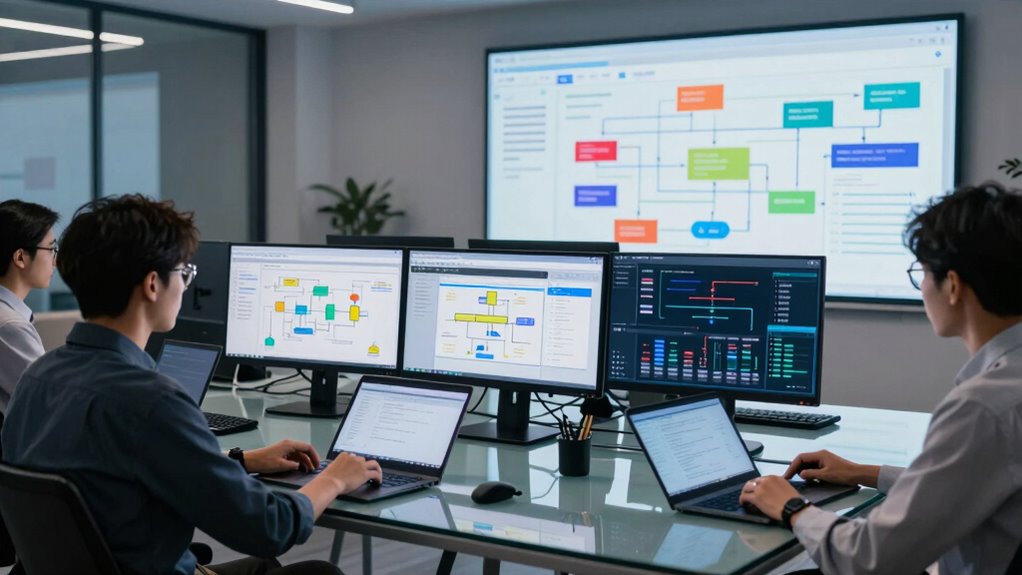
Implementing event-driven automation offers several key advantages that can transform your workflow. First, it provides real-time responsiveness, enabling you to react instantly to changes or issues as they happen. This quick adaptability helps prevent bottlenecks and keeps processes running smoothly. Second, it improves scalability, allowing your system to handle increased loads effortlessly without manual intervention. As your needs grow, automation adjusts seamlessly. Third, automation reduces manual effort and minimizes errors, freeing your team to focus on strategic tasks. With these benefits, your operations become more efficient and flexible, supporting rapid growth and continuous improvement. Overall, adopting event-driven automation empowers you to respond faster, scale smarter, and optimize your workflow for greater success. Additionally, understanding the importance of responsiveness in your processes ensures you can adapt quickly to changing conditions.

Linkind Matter Smart Plug, Work with Apple Home, Siri, Alexa, Google, SmartThings, Smart Home Smart Outlet Timer 15A/1800W, APP Remote Control & Schedule, 2.4G Wi-Fi Only, 4 Pack
【Easy Setup, One Control】With Matter, Skip the step of downloading and registering multiple manufacturers' apps every time you…
As an affiliate, we earn on qualifying purchases.
As an affiliate, we earn on qualifying purchases.
How to Set Up Event-Driven Automation Systems

To establish an event-driven automation system, you first need to identify the key events that matter to your workflow. Once you’ve pinpointed these events, you can create triggers that automatically activate actions when they occur. This approach guarantees your automation responds precisely and efficiently to real-time changes. Incorporating automation tools can streamline the setup process and improve overall system responsiveness. Understanding digital safety principles can help prevent unintended consequences and protect your data throughout the automation process. Additionally, being aware of smart appliance capabilities can enhance your system’s integration and performance. Moreover, implementing clear protocols ensures that automation remains transparent and trustworthy for all users. Developing a robust security framework further safeguards your automation system from potential vulnerabilities.
Identify Key Events
Identifying key events is the foundation of setting up effective event-driven automation systems. Your first step is trigger identification—pinpoint the specific actions or occurrences that should initiate automation. Next, focus on event categorization: group related events to streamline response strategies. Consider common triggers like user actions, system updates, or external data changes, and decide how to classify them for clarity. This process guarantees your automation responds accurately and efficiently. To get started, think about:
- Which events directly impact your workflows
- How to differentiate between routine and critical triggers
- Ways to label events for easy recognition and management
Automate With Triggers
Once you’ve pinpointed the key events that should trigger automation, the next step is setting up those triggers within your system. This involves selecting appropriate trigger mechanisms that monitor specific conditions or actions, such as a new lead or a completed purchase. You’ll configure your automation workflows to activate automatically when these triggers occur, ensuring seamless responses without manual intervention. To do this effectively, choose reliable trigger mechanisms that accurately detect events and avoid false positives. Once set up, test your triggers to confirm they activate as intended. Properly configured triggers are the backbone of your event-driven automation, enabling your system to respond instantly and keep processes running smoothly without constant oversight. Incorporating simple systems can help maintain clarity and reduce errors in your automation setup.
Common Challenges and How to Overcome Them

Have you ever faced unexpected hurdles when implementing event-driven automation? One common challenge is team resistance, as some team members may fear change or doubt the new system’s effectiveness. To overcome this, involve them early in the process and highlight benefits clearly. Additionally, providing training and support can help ease concerns and build confidence in the new system. Offering hands-on experience with the automation tools can further demystify the process and foster acceptance. Another obstacle is integration hurdles, where existing tools don’t seamlessly connect with automation platforms. Address this by choosing flexible solutions and planning thorough integrations upfront. Ultimately, managing complex events can become overwhelming, leading to missed triggers or false alerts. Simplify by starting small, testing frequently, and scaling gradually. Recognizing these challenges and proactively addressing them helps ensure smoother adoption and maximizes the benefits of event-driven automation for your team. Additionally, understanding privacy policies is crucial to protect automation systems from potential threats.
Is Event-Driven Automation Right for Your Team?

Implementing event-driven automation can transform how your team operates, but it’s not a one-size-fits-all solution. If your team relies heavily on manual processes, automation can streamline workflows and reduce errors. It encourages better team collaboration by enabling members to focus on strategic tasks rather than repetitive tasks. Additionally, consider whether your team has the technical resources and readiness to adopt new tools. If your workflows are highly manual or involve frequent team coordination, event-driven automation could be a game-changer. Conversely, if your team prefers traditional methods or faces resistance to change, implementation might be more challenging. Assess your team’s needs, current processes, and capacity for change to determine if event-driven automation will truly add value. Furthermore, understanding the reliability and safety aspects of new tools is crucial to ensure smooth operation and avoid potential disruptions. Evaluating the regulatory environment can also help prevent compliance issues that could hinder automation adoption. Ensuring that the tools are compatible with your existing technical infrastructure is also essential for a seamless integration process.
Frequently Asked Questions
What Industries Benefit Most From Event-Driven Automation?
You’ll find manufacturing and healthcare benefit the most from event-driven automation. In manufacturing, it boosts efficiency by automating responses to real-time data, minimizing downtime. Healthcare innovation gets a boost as automation triggers instant alerts and actions, improving patient care. These industries rely on quick, data-driven reactions, making event-driven automation essential for optimizing operations, reducing errors, and delivering better outcomes.
How Secure Is Event-Driven Automation Data Handling?
You can trust event-driven automation data handling is secure when it uses data encryption and strict access controls. Encryption safeguards your data both in transit and at rest, preventing unauthorized access. Access controls ensure only authorized personnel can view or modify sensitive information. By combining these security measures, you reduce risks and safeguard your data, making event-driven automation a reliable choice for sensitive and critical operations.
Can Small Teams Implement Event-Driven Automation Effectively?
Yes, small teams can implement event-driven automation effectively. While scaling challenges and integration hurdles might seem intimidating, starting with simple workflows helps you adapt quickly. Use user-friendly tools designed for smaller setups, and focus on automating key tasks to boost efficiency. With careful planning and gradual adoption, you’ll overcome hurdles and realize the benefits of event-driven automation without feeling overwhelmed.
What Are the Hidden Costs Associated With Event-Driven Automation?
Like Pandora’s box, event-driven automation can reveal hidden costs you didn’t foresee. You need a thorough cost assessment to understand potential expenses, such as increased resource allocation for maintaining and troubleshooting automation workflows. Unexpected costs might include integration complexities, training, or ongoing support. By proactively evaluating these factors, you’ll avoid surprises and guarantee your automation strategy remains cost-effective and aligned with your team’s evolving needs.
How Do You Measure Success in Event-Driven Automation Projects?
You measure success in event-driven automation projects by tracking performance metrics like response time, accuracy, and system uptime. Success criteria include achieving faster incident resolution, reducing manual effort, and improving overall efficiency. You should also monitor stakeholder satisfaction and ROI. When these metrics meet or exceed your targets, you can confidently say your automation project is successful, helping your team operate more smoothly and proactively.
Conclusion
So, now you’re ready to ditch those old workflows for shiny, event-driven automation. Because who doesn’t want their team to run smoother than a well-oiled machine—preferably one that never crashes or takes coffee breaks? Embrace the chaos, automate the mundane, and watch your productivity soar. Just remember, with great automation comes great responsibility… and maybe a little more free time to finally binge that series you’ve been pretending to ignore.