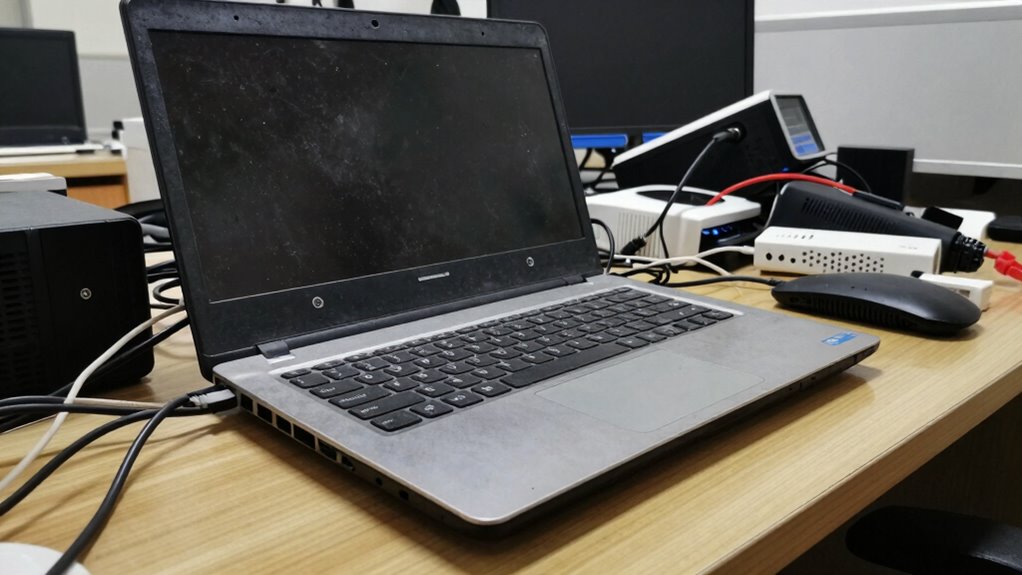

Buying cheap business hardware may save you money upfront, but it often leads to costly repairs, frequent downtime, and operational disruptions. Lower-quality components are more prone to failures, which can slow your team, delay projects, and harm customer relationships. Over time, these hidden costs add up, draining your budget and impacting productivity. Investing in higher-grade equipment can prevent recurring issues and long-term expenses—keep going to discover how to make smarter hardware choices for your business.

Get tech for your team delivered free — and shop member deals
- Fast, free delivery on millions of items
- Access to Prime Big Deal Days deals on October 6–7
- Prime Video, Amazon Music and more included
Key Takeaways
- Cheap hardware often leads to frequent repairs, increasing long-term maintenance costs.
- Low-quality components increase the risk of hardware failures and operational downtime.
- Shortened device lifespan results in more frequent replacements, raising overall expenses.
- Downtime and technical issues decrease productivity and can damage customer relations.
- Investing in higher-quality hardware reduces hidden costs and supports sustainable business growth.
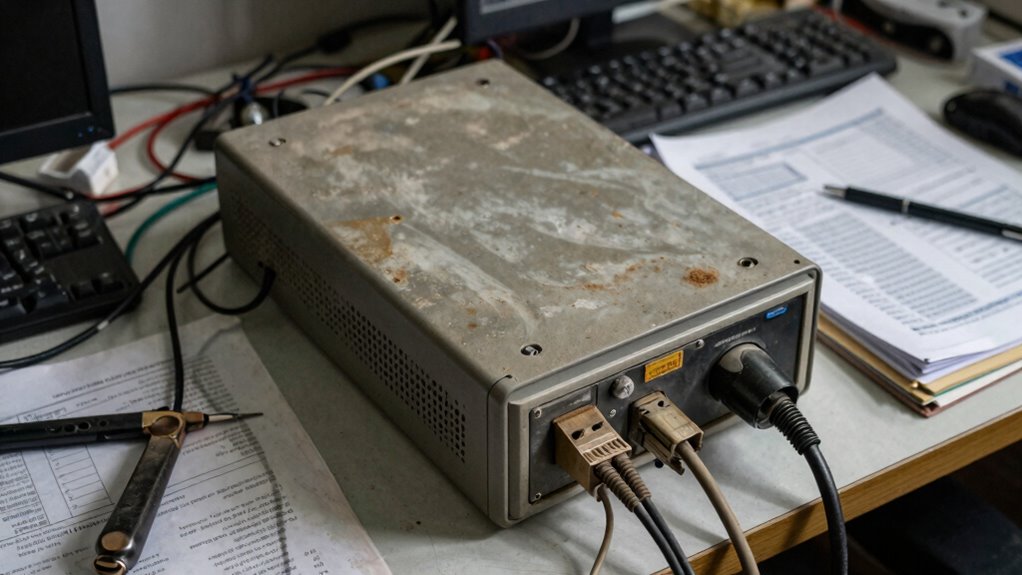
Buying cheap business hardware might save you money upfront, but it often leads to unexpected costs down the line. When you cut corners on quality, you risk facing costly repairs that can drain your budget. Cheaper devices are often built with lower-grade components, making them more prone to breakdowns. When hardware fails unexpectedly, you not only spend money on repairs or replacements but also lose valuable time. These repairs can be frequent and disruptive, forcing you to divert resources from other priorities to fix the hardware instead of growing your business.
Furthermore, opting for inexpensive hardware can result in significant downtime delays. When equipment breaks down, your daily operations grind to a halt. This downtime means your staff can’t work efficiently, orders get delayed, and customer satisfaction declines. The longer your hardware remains inoperable, the more revenue you potentially lose. In many cases, the costs associated with downtime outweigh the initial savings you achieved by purchasing cheaper equipment. Delays caused by unreliable hardware can also lead to missed deadlines and strained client relationships, which may harm your business reputation over time. Additionally, poor-quality hardware often lacks robust durability, making it more susceptible to damage in everyday use and increasing the likelihood of failures. Investing in higher-grade components can help reduce the frequency of hardware failures and extend the lifespan of your equipment.
A comprehensive approach to hardware selection considers both initial cost and long-term reliability, which is essential for sustainable growth.
You might think you’re saving money by choosing cheaper hardware, but the truth is that these hidden costs add up quickly. Frequent repairs mean you’re continually investing in fixes or replacements, and those expenses can surpass what you’d have spent on higher-quality equipment from the start. Plus, the time your team spends troubleshooting and fixing hardware issues is time taken away from productive work. This inefficiency can cause delays that ripple through your entire operation, affecting everything from project timelines to customer service. A cost-benefit analysis of quality hardware often reveals that investing in durability saves more money in the long run.
Another aspect to evaluate is the impact on your staff’s productivity. When hardware is unreliable, employees get frustrated and waste time dealing with technical issues instead of focusing on their tasks. This frustration can lower morale and even lead to higher turnover if issues persist. Over time, these small inconveniences translate into larger costs — both in terms of money and employee satisfaction. Investing in durable, reliable hardware can help prevent these issues and ensure smoother daily operations. Furthermore, higher-quality equipment often comes with better technical support and warranties, reducing the long-term support costs for your business.
In the end, buying cheap business hardware might seem like a smart move initially, but the hidden costs—costly repairs, downtime delays, decreased productivity—quickly overshadow those savings. Investing in quality hardware might seem more expensive upfront, but it pays off through fewer disruptions, fewer repairs, and smoother operations. When you take into account the full picture, prioritizing durability and reliability makes better financial sense for your business in the long run.
As an affiliate, we earn on qualifying purchases.
Frequently Asked Questions
How Does Cheap Hardware Affect Employee Productivity?
Cheap hardware can hurt your employee productivity by causing frequent breakdowns and slow performance, which frustrates staff and hampers their work. When hardware reliability suffers, employee morale drops, making your team less motivated and more prone to errors. You might save money upfront, but these issues lead to increased downtime, delays, and higher long-term costs, ultimately undermining your business’s efficiency and growth.
Are There Legal Risks With Low-Cost Business Hardware?
Around 60% of businesses face legal risks from low-cost hardware, mainly due to non-compliance with legal standards. Using cheap hardware can lead to warranty issues and violations of legal compliance, putting your company at risk of fines or lawsuits. You might save money upfront, but these hidden legal risks can result in significant costs later. Always make certain your hardware meets legal standards to avoid costly legal complications.
What Are the Environmental Impacts of Cheap Hardware?
Cheap hardware often contributes to environmental harm through increased e-waste and resource depletion. When devices break faster, you generate more e-waste that’s hard to manage properly, polluting the environment. Additionally, manufacturing low-cost hardware typically uses more raw materials, depleting natural resources quicker. By choosing higher-quality equipment, you can reduce waste and lessen your environmental impact, supporting sustainable e-waste management and conserving essential resources for the future.
Can Cheap Hardware Compromise Data Security?
Yes, cheap hardware can compromise data security. Research shows that 60% of data breaches stem from vulnerabilities in outdated or poorly manufactured devices. When you buy inexpensive hardware, you risk security vulnerabilities like weak encryption or insecure firmware, making it easier for hackers to access sensitive information. These hidden flaws can lead to costly data breaches, reputation damage, and legal penalties, making cheap options a false economy in the long run.
How Does Inexpensive Hardware Impact Long-Term Business Growth?
Inexpensive hardware can hinder your long-term business growth because it often lacks durability, leading to frequent repairs or replacements. This creates downtime and drains resources, preventing smooth operations. Additionally, cheaper brands may have weaker reputations, making clients question your reliability. Investing in durable, reputable hardware might cost more upfront, but it supports sustained growth, enhances brand reputation, and minimizes disruptions, ensuring your business remains competitive in the long run.
enterprise-grade computer monitors
As an affiliate, we earn on qualifying purchases.
As an affiliate, we earn on qualifying purchases.
Conclusion
So, next time you’re tempted by the price tag, remember: cheap hardware often wears a mask, hiding costs that can drain your time and money. Investing wisely isn’t just about saving now — it’s about avoiding the nightmare of replacements, repairs, and lost productivity later. Think of quality as the lighthouse guiding your ship safely through stormy waters. In this game, the better choice isn’t always the cheapest, but the one that keeps your business sailing smoothly.
As an affiliate, we earn on qualifying purchases.
As an affiliate, we earn on qualifying purchases.
Halloween Picks
halloween
As an affiliate, we earn on qualifying purchases.