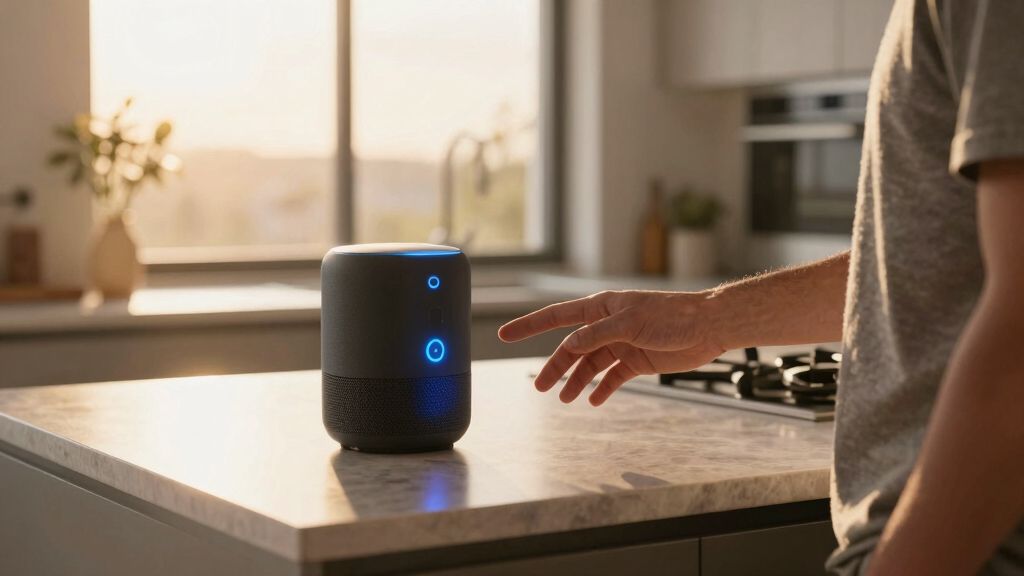

AI-powered personal assistants have become essential tools for managing daily tasks, boosting productivity, and automating routines. The best options, like Claude, stand out for their advanced natural language understanding and seamless integration with other systems. Meanwhile, more affordable or beginner-friendly choices focus on ease of use and straightforward automation. The main tradeoffs often involve balancing power versus simplicity, and customization versus out-of-the-box functionality. Continue reading for a detailed comparison of the top 12 options and what makes each unique.

Get business pricing on tech for your team
- Business-only prices and quantity discounts
- Tax-exempt purchasing
- Multiple users, one account, clear invoices
Key Takeaways
- The strongest AI assistants combine natural language processing with deep task automation capabilities.
- Most top picks excel at integration with popular platforms but vary significantly in customization options.
- Ease of use remains a key factor for beginners, while advanced users prioritize flexibility and control.
- Hardware-enabled options like Mimiclaw offer unique advantages but often lack the intelligence of software-only solutions.
- Pricing and subscription models heavily influence value, with premium options delivering more tailored features.
| Complete Guide to Using AI Personal Assistants for Beginners and Seniors |  | Best for Beginners & Seniors | Platforms Covered: Siri, Alexa, Google Assistant, ChatGPT | Target Audience: Beginners & Seniors | Format: Digital guide | VIEW LATEST PRICE | See Our Full Breakdown |
| How to Build a Powerful AI Assistant: Training for Everyday Use |  | Best for Practical AI Training | Format: Digital book/manual | Focus Areas: Training, Personalization, Task Management | Target Audience: Intermediate users | VIEW LATEST PRICE | See Our Full Breakdown |
| Claude for Humans: A Practical Guide to Inbox Zero, Task Management, and AI-Powered Productivity |  | Best for Productivity & Workflow Optimization | Format: Book (likely Kindle/Paperback) | Focus Areas: Inbox Zero, Task Management, Productivity | Target Audience: Professionals and productivity-focused users | VIEW LATEST PRICE | See Our Full Breakdown |
| AI Personal Assistant Guide for Task Automation and Productivity |  | Best for Automation & Data-Driven Decisions | Format: Digital guide | Focus Areas: Task Automation, Productivity, Decision-Making | Platforms Covered: ChatGPT, Google Bard | VIEW LATEST PRICE | See Our Full Breakdown |
| Claude Projects & Skills Mastery: Build Your Personal AI System |  | Best for Building Custom AI Systems | Format: Digital guide | Focus Areas: AI System Building, Automation, Project Management | Target Audience: Intermediate and technically inclined users | VIEW LATEST PRICE | See Our Full Breakdown |
| THE PERSONAL ASSISTANT: A GAME OF AI |  | Best for Innovative Strategy and Deep Engagement | Interaction Mode: Gamified AI interface | Engagement Level: High | Learning Curve: Steep | VIEW LATEST PRICE | See Our Full Breakdown |
| How to Use AI as Your Personal Assistant (Snappy Guides) |  | Best for Beginners and Quick Implementation | Target Audience: Beginners, small business owners | Content Focus: Step-by-step instructions | Technical Depth: Basic | VIEW LATEST PRICE | See Our Full Breakdown |
| The AI Powered Virtual Assistant: How to Use Automation, Systems, and Smart Tools to Deliver High-Value VA Services at Scale |  | Best for Professional Automation and Scalability | Target Audience: VA entrepreneurs, freelancers | Main Focus: Automation and systems | Ease of Use: Moderate to advanced | VIEW LATEST PRICE | See Our Full Breakdown |
| AI for Leaders: Making Faster and Smarter Decisions |  | Best for Executive Decision-Making | Target Audience: Executives, managers | Focus Area: Decision-making, risk reduction | Level of Detail: Strategic, high-level | VIEW LATEST PRICE | See Our Full Breakdown |
| Ai-Power Personal Traveler Assistant |  | Best for On-the-Go Travel Planning | Device Type: Portable AI assistant device | Primary Use: Travel planning and navigation | Connectivity: Wi-Fi and cellular | VIEW LATEST PRICE | See Our Full Breakdown |
| AI Personal Assistants: How to Automate Your Life, Business, and Productivity Using Next-Gen Virtual Helpers |  | Best for Strategic Automation and Deep Planning | Focus: Advanced AI automation techniques | Scope: Personal and business productivity | Approach: Theoretical with practical strategies | VIEW LATEST PRICE | See Our Full Breakdown |
| Mimiclaw AI Assistant Device – OpenClaw Compatible Smart Hardware with Compact Display and Telegram Chat |  | Best for Mobile, On-the-Go AI Assistance | Memory Storage: 1 MB | Hardware Interface: USB Type-C | Compatibility: Major AI APIs, OpenClaw platforms | VIEW LATEST PRICE | See Our Full Breakdown |
More Details on Our Top Picks
Complete Guide to Using AI Personal Assistants for Beginners and Seniors
This guide stands out for its clarity and accessibility, making it ideal for those new to AI assistants or seniors unfamiliar with smart technology. Unlike more advanced manuals, it simplifies voice commands, smart home controls, and troubleshooting, ensuring beginners can confidently start using assistants like Siri, Alexa, Google Assistant, and ChatGPT. While it provides a solid foundation, it offers limited depth for experienced users seeking advanced customization. The absence of physical components makes it suitable for digital learners but less so for those expecting hands-on hardware. This guide is perfect for newcomers who want an easy, straightforward introduction.
Pros:- Simplified instructions tailored for non-technical users
- Covers major AI assistants and smart home features
- Includes troubleshooting tips for common issues
Cons:- Limited content for advanced or tech-savvy users
- No physical product or interactive elements included
Best for: Beginners and seniors seeking an approachable introduction to AI assistants
Not ideal for: Tech-savvy users wanting in-depth customization or advanced integrations
- Platforms Covered:Siri, Alexa, Google Assistant, ChatGPT
- Target Audience:Beginners & Seniors
- Format:Digital guide
- Includes Troubleshooting:Yes
- Depth Level:Basic
- Language Support:English
Bottom line: This digital guide is best suited for beginners and seniors wanting a clear, easy-to-follow introduction to AI assistants.
How to Build a Powerful AI Assistant: Training for Everyday Use
This guide makes the most sense for users interested in customizing AI to serve as a writing partner or daily organizer, unlike more general guides like the beginner-oriented Complete Guide to Using AI Personal Assistants. It emphasizes practical training techniques that turn AI into a tailored helper, focusing on real-world tasks. However, it assumes some familiarity with AI concepts, which might challenge absolute beginners. It also doesn’t include ready-to-use tools, so users must already have or seek out suitable software. This pick is ideal for those looking to actively shape their AI assistants for personal productivity.
Pros:- Focuses on practical training techniques for daily use
- Covers both writing assistance and organizational tasks
- Helps users make AI more responsive to personal needs
Cons:- Lacks specific software recommendations
- Requires some prior AI familiarity for full comprehension
Best for: Non-technical users who want to customize AI for writing and daily tasks
Not ideal for: Complete beginners or those seeking step-by-step setup without prior AI knowledge
- Format:Digital book/manual
- Focus Areas:Training, Personalization, Task Management
- Target Audience:Intermediate users
- Prerequisites:Basic AI knowledge
- Coverage:Writing, Organization
- Level of Technical Detail:Moderate
Bottom line: This guide is best for users eager to train and customize their AI assistants for practical, everyday tasks.
Claude for Humans: A Practical Guide to Inbox Zero, Task Management, and AI-Powered Productivity
This book excels in helping users streamline their workflows by integrating AI tools like Claude into daily routines, especially for managing emails and tasks more efficiently. Compared with the more general Complete Guide, it offers targeted strategies for achieving ‘Inbox Zero’ and prioritizing tasks. However, it assumes some familiarity with AI platforms, which might limit its usefulness for absolute beginners. Its focus on practical productivity methods makes it less suitable for users seeking a broad overview of AI assistants. This guide is ideal for professionals aiming to boost productivity using AI-driven inbox and task management.
Pros:- Provides actionable strategies for inbox management
- Focuses on AI-driven task prioritization
- Helps users integrate AI into daily workflows effectively
Cons:- Requires prior familiarity with AI tools like Claude
- Limited to specific productivity frameworks
Best for: Busy professionals and productivity enthusiasts familiar with basic AI concepts
Not ideal for: Beginners or users looking for general AI assistant tutorials
- Format:Book (likely Kindle/Paperback)
- Focus Areas:Inbox Zero, Task Management, Productivity
- Target Audience:Professionals and productivity-focused users
- Prerequisites:Some AI familiarity
- Main AI Tool:Claude
- Application Scope:Workflow Optimization
Bottom line: This guide is best for users wanting to leverage AI for efficient inbox and task management in a professional setting.
AI Personal Assistant Guide for Task Automation and Productivity
This guide offers practical insights into using AI like ChatGPT and Google Bard for automating tasks and enhancing productivity, similar in purpose to How to Build a Powerful AI Assistant. Unlike the beginner-focused Complete Guide, it dives into automation strategies and decision frameworks, making it suitable for users who want to actively implement AI solutions. However, it lacks hands-on exercises or interactive tools, which might limit engagement for some learners. This makes it a good choice for those comfortable with reading and applying AI concepts independently. This guide is a strong pick for users interested in automating workflows and making data-driven decisions.
Pros:- Covers multiple AI platforms (ChatGPT, Google Bard)
- Provides practical automation techniques
- Includes frameworks for AI-driven decision-making
Cons:- No hands-on practice or interactive components
- Requires familiarity with AI concepts for full benefit
Best for: Tech-savvy users seeking automation strategies and decision support
Not ideal for: Absolute beginners or users wanting a step-by-step setup with interactive elements
- Format:Digital guide
- Focus Areas:Task Automation, Productivity, Decision-Making
- Platforms Covered:ChatGPT, Google Bard
- Application Type:Automation and Data Insights
- Target Audience:Intermediate to advanced users
- Interactivity:None
Bottom line: This guide is ideal for users aiming to automate tasks and leverage AI insights for smarter decisions.
Claude Projects & Skills Mastery: Build Your Personal AI System
This guide makes a compelling case for users wanting to develop their own AI systems to automate and streamline workflows, diverging from more general guides like Complete Guide by focusing on system building and project management. It emphasizes automating repetitive tasks and managing projects efficiently, perfect for those with some technical background. However, it offers limited hands-on coding examples, which could be a barrier for absolute beginners or those expecting step-by-step tutorials. It’s best suited to users with foundational technical skills who want to create tailored AI solutions. This pick suits tech-inclined users aiming to build personalized AI systems to increase efficiency.
Pros:- Teaches AI system development for automation
- Focuses on project management frameworks
- Helps users avoid repetitive work cycles
Cons:- Limited hands-on coding examples
- Requires some technical knowledge
Best for: Intermediate users with technical skills interested in building AI systems
Not ideal for: Complete beginners or users seeking ready-made solutions without technical prerequisites
- Format:Digital guide
- Focus Areas:AI System Building, Automation, Project Management
- Target Audience:Intermediate and technically inclined users
- Prerequisites:Basic programming or AI knowledge
- Main Focus:Custom AI development
- Repetitive Tasks:Yes
Bottom line: This guide is best for users with technical skills looking to create custom AI systems for automation and project management.
THE PERSONAL ASSISTANT: A GAME OF AI
This product stands out for its immersive and strategic approach to AI personal assistance, effectively turning AI into a game that enhances user engagement. Unlike more straightforward tools like Ai-Power Personal Traveler Assistant, which focuses on convenience, THE PERSONAL ASSISTANT: A GAME OF AI emphasizes interactive decision-making and mental stimulation, making it ideal for those who enjoy gamified tech experiences. The main tradeoff is that it may require a steeper learning curve and more time investment, which could be a drawback for users seeking quick, simple solutions. While it excels in fostering creativity and strategic thinking, it might not suit users needing rapid, task-focused assistance.
Pros:- Highly interactive and engaging AI interface
- Encourages strategic thinking and problem-solving
- Unique gamified approach that motivates continued use
Cons:- Requires significant time to master and utilize effectively
- Less practical for quick task execution and routine assistance
Best for: Tech enthusiasts and strategists who want an engaging, challenge-based AI experience
Not ideal for: Users seeking quick, straightforward task management or daily productivity boosts
- Interaction Mode:Gamified AI interface
- Engagement Level:High
- Learning Curve:Steep
- Target Audience:Gamers, strategists
- Customization Options:Limited
- Platform Compatibility:Web and mobile
Bottom line: This is best suited for users who enjoy gamified experiences and want to challenge their cognitive skills with AI.
How to Use AI as Your Personal Assistant (Snappy Guides)
This guide makes a strong case for those new to AI, providing clear, step-by-step instructions that demystify AI-powered assistance. Compared with more comprehensive systems like The AI Powered Virtual Assistant, which delve into automation and system integration, this resource focuses on immediate, actionable tips suited for beginners. Its biggest limitation is that it doesn’t recommend specific AI platforms, which might leave advanced users wanting more technical depth. Still, for someone starting out or seeking quick wins, this guide offers practical value without overwhelming complexity.
Pros:- Clear and straightforward explanations of AI features
- Practical, step-by-step instructions for daily use
- Helps users quickly implement AI tools into routines
Cons:- Lacks specific platform or tool recommendations
- Limited technical depth for experienced users
Best for: New users or small business owners looking for easy, practical AI integration
Not ideal for: Advanced AI users or those seeking in-depth technical training and platform comparisons
- Target Audience:Beginners, small business owners
- Content Focus:Step-by-step instructions
- Technical Depth:Basic
- Platform Recommendations:None specified
- Use Cases:Task automation, productivity
- Learning Curve:Low
Bottom line: Ideal for beginners seeking practical, easy-to-follow guidance on incorporating AI into everyday tasks.
The AI Powered Virtual Assistant: How to Use Automation, Systems, and Smart Tools to Deliver High-Value VA Services at Scale
This book makes a compelling case for leveraging automation, systems, and smart tools to scale virtual assistant services, making it ideal for entrepreneurs and professional VA providers. Compared with AI for Leaders, which targets decision-making at the executive level, this resource dives into operational strategies and system integration to boost productivity at scale. Its main tradeoff is that it assumes some familiarity with automation platforms, which could be a barrier for total beginners. For those looking to grow a VA business or automate complex workflows, this guide offers actionable insights and practical frameworks.
Pros:- Focuses on scalable automation solutions
- Provides detailed strategies for system integration
- Helps deliver high-value VA services efficiently
Cons:- Requires prior knowledge of automation tools
- Less suitable for personal or small-scale use
Best for: Freelancers and business owners aiming to scale VA services efficiently
Not ideal for: Individuals seeking personal, non-commercial AI assistance or beginners with no automation background
- Target Audience:VA entrepreneurs, freelancers
- Main Focus:Automation and systems
- Ease of Use:Moderate to advanced
- Application Scope:Business scaling
- Technical Prerequisites:Basic automation knowledge
- Content Type:Guide and strategy
Bottom line: Suitable for professional virtual assistants and entrepreneurs looking to expand and automate their service offerings.
AI for Leaders: Making Faster and Smarter Decisions
This book offers practical advice for leaders aiming to incorporate AI into their decision-making processes. Unlike general-purpose personal assistants, it emphasizes strategic AI application to reduce risks and clarify complex choices, making it a strong pick for managerial roles. However, it might not suit users without some prior AI familiarity or those seeking hands-on, operational AI tools. While it provides valuable frameworks for smarter decisions, the limited case studies mean readers may need to seek additional resources for real-world application.
Pros:- Practical strategies for AI-driven decision making
- Helps reduce risks in complex choices
- Focuses on leadership and strategic implementation
Cons:- May require some prior AI understanding
- Limited real-world case examples included
Best for: Executives and managers looking to embed AI into strategic decisions
Not ideal for: Individuals seeking daily personal assistance or detailed technical AI implementation
- Target Audience:Executives, managers
- Focus Area:Decision-making, risk reduction
- Level of Detail:Strategic, high-level
- Prerequisite Knowledge:Moderate AI familiarity
- Content Type:Practical guide
- Use Case:Leadership, strategy
Bottom line: Ideal for leaders who want to leverage AI to make faster, smarter decisions with confidence.
Ai-Power Personal Traveler Assistant
This personal traveler assistant shines for frequent travelers needing quick, hands-free help with navigation, bookings, and itinerary management. Compared to The AI Powered Virtual Assistant, which targets broader productivity tasks, this device is specialized, offering instant, location-aware assistance. Its main tradeoff is that it’s a dedicated hardware device, which might be less flexible than app-based solutions. It’s a practical choice for those who value mobility and real-time travel support, but less suitable for desk-bound users or those requiring extensive customization.
Pros:- Compact, portable hardware design
- Real-time travel and navigation support
- Hands-free voice control for convenience
Cons:- Limited to travel-related tasks only
- Less customizable compared to app-based assistants
Best for: Travelers who prioritize convenience and real-time assistance while on the move
Not ideal for: Office workers or users seeking general productivity AI tools
- Device Type:Portable AI assistant device
- Primary Use:Travel planning and navigation
- Connectivity:Wi-Fi and cellular
- Voice Control:Yes
- Size:Compact
- Battery Life:8 hours
Bottom line: Perfect for travelers needing immediate, location-aware assistance with a focus on mobility.
AI Personal Assistants: How to Automate Your Life, Business, and Productivity Using Next-Gen Virtual Helpers
This comprehensive guide stands out for its focus on advanced AI automation techniques that can transform both personal routines and complex business operations. Unlike standalone assistants like Mimiclaw, which prioritize portability and immediate interaction, this book offers a theoretical framework that encourages strategic thinking about AI integration. It is ideal for users who already have a solid understanding of digital tools and want to elevate their automation game, but it might frustrate beginners seeking step-by-step instructions. The emphasis on productivity strategies makes it a valuable resource, yet its limited hands-on guidance means you’ll need to supplement it with practical experience.
Pros:- Covers cutting-edge AI automation techniques applicable to both personal and business contexts
- Provides practical strategies for scaling productivity and workflow optimization
- Encourages strategic thinking about AI integration beyond basic commands
Cons:- Primarily theoretical with limited hands-on implementation examples
- Requires prior familiarity with digital tools and AI concepts, which may be a barrier for some users
Best for: Tech-savvy entrepreneurs and managers seeking a deep, strategic understanding of AI automation for business and personal use
Not ideal for: Beginners or users looking for quick, actionable steps without prior AI or digital tool knowledge
- Focus:Advanced AI automation techniques
- Scope:Personal and business productivity
- Approach:Theoretical with practical strategies
- Audience:Users with prior AI knowledge
- Content type:Strategic guide
- Format:Written book
Bottom line: This guide is best suited for experienced users aiming to develop a comprehensive automation strategy, rather than those seeking quick solutions.
Mimiclaw AI Assistant Device – OpenClaw Compatible Smart Hardware with Compact Display and Telegram Chat
Compared with the comprehensive guide, this device offers immediate, practical AI support in a portable form. Its compact display and USB-C powered design make it especially appealing for users who need quick answers or task management on the move. While it supports multiple AI platforms like Claude and Kimi, its limited 1 MB storage means it relies heavily on external AI services, which could introduce latency or connectivity issues. This makes it ideal for quick interactions but less suitable for extensive offline use or storing large data locally. Its voice and text capabilities provide flexible ways to interact, though dependence on external APIs might limit responsiveness at times.
Pros:- Compact, portable design with a clear, integrated display
- Supports multiple AI platforms including Claude, Kimi, and OpenClaw
- USB-C powered with fast Wi-Fi setup for quick deployment
- Offers voice and text interaction for versatile use
Cons:- Limited to just 1 MB of local storage, restricting offline data handling
- Dependent on external AI services, which can result in latency or connectivity issues
Best for: Busy professionals or travelers needing lightweight, portable AI assistance with flexible platform support
Not ideal for: Users requiring extensive local data storage or offline functionality, as its 1 MB capacity is minimal
- Memory Storage:1 MB
- Hardware Interface:USB Type-C
- Compatibility:Major AI APIs, OpenClaw platforms
- Interaction:Voice and text
- Power:USB-C
- Connectivity:Wi-Fi
Bottom line: This device is ideal for on-the-go users who prioritize portability and quick AI interactions over extensive local storage or offline capabilities.
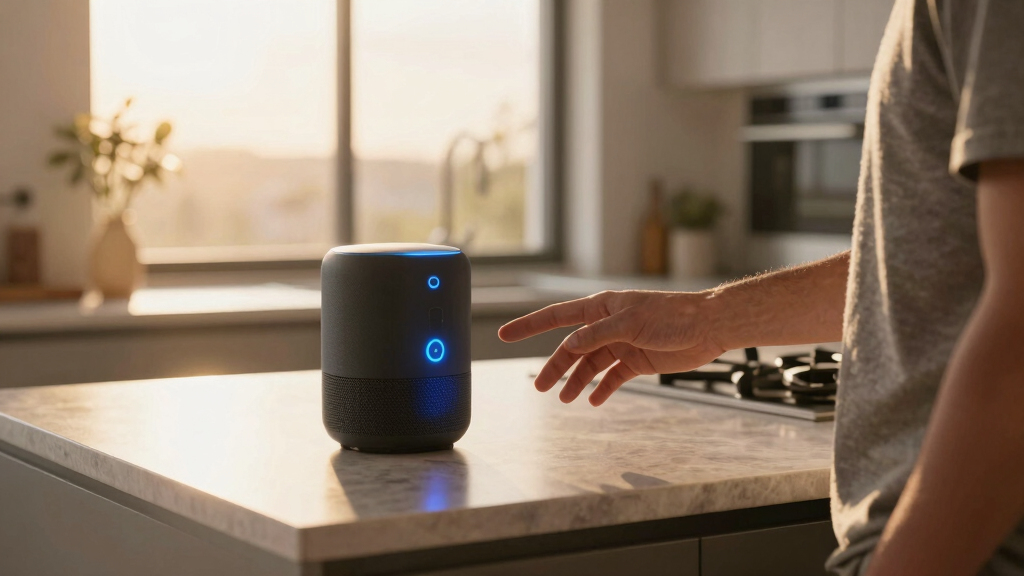
How We Picked
The products in this roundup were evaluated based on their ability to perform core assistant functions like task management, automation, and natural language understanding. We prioritized solutions that balance usability with advanced features, ensuring they cater to a broad range of users from beginners to power users. Build quality, integration options, and ongoing support also played crucial roles. Products were ranked after comparing their feature sets, user interface, customization options, and overall value, with a focus on how effectively they help users automate and streamline their workflows.Factors to Consider When Choosing AI-powered Personal Assistants
Choosing the right AI-powered personal assistant depends on your specific needs, technical skill level, and budget. Beyond basic features, considering how well an assistant integrates with your existing tools and how customizable it is can make a significant difference. It’s also wise to think about hardware compatibility and ongoing costs. This guide highlights key factors to consider to ensure you pick a solution that truly enhances your productivity and fits your lifestyle.Performance and Natural Language Understanding
High-performing AI assistants should interpret your commands accurately and respond naturally. Look for solutions that use advanced NLP models, which can handle context, nuance, and complex queries. Poor understanding can lead to frustration and reduced trust in the system. Consider whether the assistant can learn from interactions over time to improve its responses, especially if you plan to use it for complex or frequent tasks.
Ease of Use and User Interface
An intuitive interface is essential for beginners or those who prefer simplicity. Some assistants offer voice-only interaction, while others combine voice with visual dashboards. Beware of overly complex setups that require technical expertise; the best options provide clear onboarding and minimal configuration. A cluttered or unintuitive UI can hinder adoption and reduce overall productivity gains.
Integration and Compatibility
Your assistant should seamlessly connect with your existing apps, devices, and platforms—whether it’s email, calendars, smart home devices, or business tools. Compatibility issues can limit usefulness, forcing you to switch workflows or invest in new hardware. Check for open APIs and broad ecosystem support, especially if you rely on specific software or hardware ecosystems like Google, Apple, or custom enterprise systems.
Customization and Automation Capabilities
More advanced users benefit from assistants that allow deep customization, scripting, and automation. This can include creating personalized workflows, integrating third-party services, or training the assistant with your data. On the other hand, simpler solutions that focus on predefined tasks are better suited for casual users. Weigh how much flexibility you need against the complexity of setup and ongoing management.
Pricing, Support, and Ongoing Development
Cost varies widely from free models to premium subscriptions. Consider whether the price reflects the features offered and if there are hidden costs, such as hardware or premium support plans. Ongoing development and customer support are vital, especially for enterprise or mission-critical use cases. Look for providers with a track record of regular updates, active community support, and clear upgrade paths to avoid obsolescence.
Frequently Asked Questions
Can AI-powered personal assistants fully replace human assistants?
While AI assistants excel at automating routine tasks and managing schedules, they still lack the nuanced understanding and judgment of a human assistant. For simple, repetitive, or information-driven tasks, they can be highly effective and save time. However, in complex decision-making, emotional intelligence, or tasks requiring discretion, human oversight remains essential. Expect AI to complement rather than fully replace human support for now.
How secure are AI-powered personal assistants with my data?
Security depends on the provider and how you configure the assistant. Reputable solutions employ encryption, privacy controls, and transparent data policies. Always review the privacy settings and understand what data the assistant collects and stores. For highly sensitive information, consider solutions with local processing capabilities or strong data anonymization features to minimize risks.
Which AI assistant is easiest for beginners to set up and use?
Among the options, those with streamlined onboarding processes and minimal configuration—like certain cloud-based, voice-first assistants—are best suited for beginners. Look for solutions with clear tutorials, user-friendly interfaces, and integrated guides. These options often focus on out-of-the-box functionality, making it easier to start automating tasks without a steep learning curve.
Are hardware-enabled AI assistants more capable than software-only options?
Hardware-enabled assistants, like Mimiclaw, offer tangible benefits such as portability and dedicated interfaces, which can enhance usability in specific contexts. However, their intelligence and automation capabilities often lag behind software-only solutions that leverage cloud processing and updates. The choice depends on whether physical interaction or mobility is a priority for your use case.
How do I decide between a free AI assistant and a paid premium option?
Free assistants can be sufficient for basic needs, but they often lack advanced features, customization, or dedicated support. Premium options typically provide more robust automation, better integration, and ongoing updates, which can significantly boost productivity. Consider your workload complexity, need for reliability, and privacy concerns when weighing free versus paid solutions to ensure your choice aligns with your goals.
Conclusion
If you’re looking for a versatile, well-rounded AI assistant with strong natural language processing and integration capabilities, Claude stands out as the best overall pick. For budget-conscious users or those new to automation, simpler and more intuitive options may serve better. Power users and enterprise teams should consider solutions with deep customization and automation features, even if they require a steeper learning curve. For specific needs like mobility or hardware integration, devices like Mimiclaw offer unique benefits. Match your choice to your technical comfort level, automation needs, and budget to get the most value from your AI-powered helper.
Fall Picks
fall essentials
As an affiliate, we earn on qualifying purchases.