
TL;DR

Get tech for your team delivered free — and shop member deals
- Fast, free delivery on millions of items
- Access to Prime Big Deal Days deals on October 6–7
- Prime Video, Amazon Music and more included
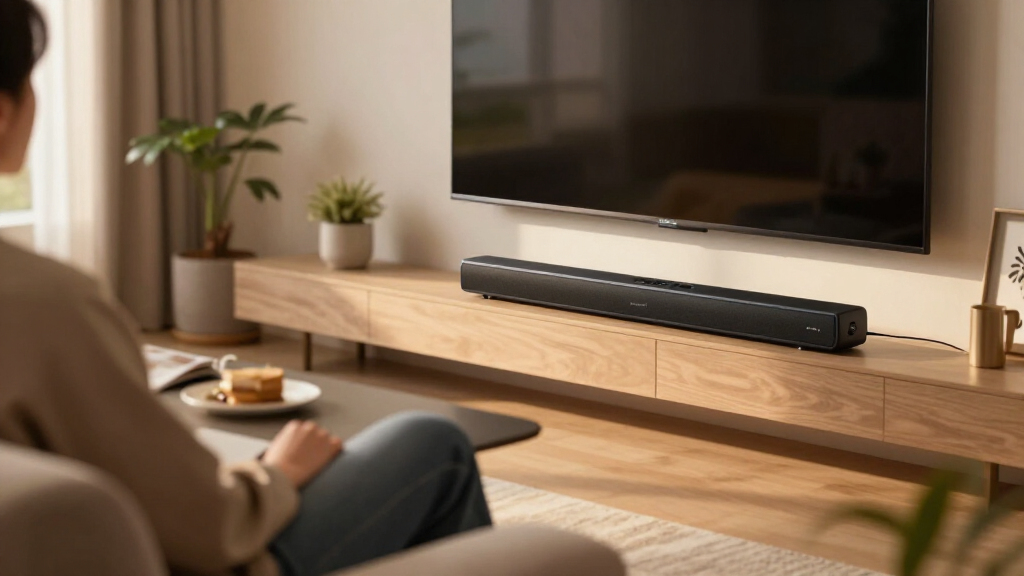
AI-driven soundbars are emerging as a key trend in 2026, promising improved clarity, immersive sound, and smarter features. Industry leaders are integrating AI to enhance user experience, though full capabilities are still developing.
In 2026, soundbar manufacturers are increasingly integrating artificial intelligence (AI) into their products to deliver clearer, more immersive TV sound. This shift aims to address common audio issues like dialogue muddiness and weak bass, offering consumers smarter, more adaptable audio solutions. Industry sources confirm that AI-enhanced soundbars are set to become a defining feature of the 2026 market.
Leading brands such as Samsung, Bose, and Sonos are rolling out new models equipped with AI-driven processing capabilities. These features include automatic room calibration, adaptive sound optimization, and enhanced dialogue clarity, all designed to improve the home theater experience. For example, Samsung’s latest S60D model employs AI algorithms to analyze room acoustics and adjust sound output in real time, providing a more balanced and clear audio experience without manual setup.
Industry analysts highlight that AI integration allows soundbars to adapt dynamically to different content types and room conditions, offering a personalized listening experience. While some features, such as virtual surround and Dolby Atmos support, are already established, AI-powered enhancements are expected to refine these technologies further. Experts note that these advancements could make high-quality sound more accessible and easier to use for the average consumer.
The 10 picks
- 1
 Bose TV Speaker – Compact Soundbar with Bluetooth and HDMI-ARC, Includes Remo…View on Amazon →
 - 2
 Sound Bar for Smart TV with Bluetooth, ARC, Optical, AUX, Detachable DesignView on Amazon →
 - 3
 Sound Bar for Smart TV, 90W Bluetooth/ARC/Optical/AUX Connectivity, Detachabl…View on Amazon →
 - 4
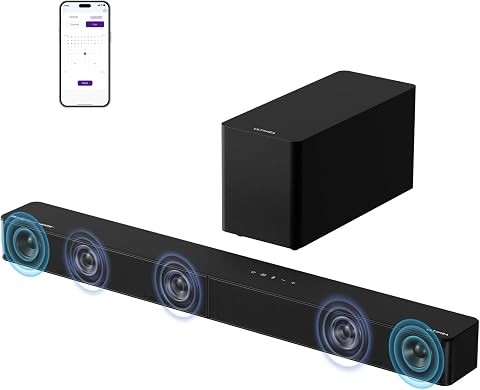 ULTIMEA 5.1CH Surround Sound Bar with Subwoofer, Dolby Atmos, VoiceMX, BassMX…View on Amazon →
 - 5
 Sound Bar for Smart TV, 90W Bluetooth/ARC/Optical/AUX Connect, Detachable DesignView on Amazon →
 - 6
 Amazon Fire TV Soundbar, 2.0 Speaker with DTS Virtual:X and Dolby AudioView on Amazon →
 - 7
 Sony S100F 2.0ch Soundbar with Bass Reflex Speaker, Bluetooth, HDMI ARC, and…View on Amazon →
 - 8
 Samsung B-Series Soundbar HW-B550F 2.1 ch DTS Virtual:X with Subwoofer (2025…View on Amazon →
 - 9
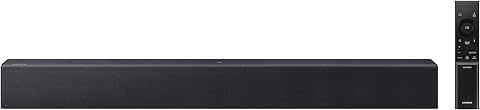 Samsung B-Series Soundbar HW B400F 2.0 ch with Built-in Subwoofer (2025 Model)View on Amazon →
 - 10
 ULTIMEA 2.1ch Surround Sound Bar for TV with Built-in Subwoofer, 132W Peak Po…View on Amazon →
Why AI-Enhanced Soundbars Matter in 2026
The integration of AI technology in soundbars represents a significant step toward smarter home audio systems. For consumers, this means less manual tuning and more consistent sound quality across different rooms and content types. AI features can improve dialogue clarity, reduce background noise, and optimize soundstage, making TV viewing more engaging and less frustrating.
From a market perspective, AI-driven soundbars could accelerate the adoption of advanced home entertainment setups, influencing manufacturers’ future designs. As AI becomes more widespread, it could also lead to more personalized and adaptive audio experiences, aligning with broader trends toward smart home ecosystems. Overall, this shift enhances user convenience and satisfaction, with implications for both product development and consumer expectations.
2026 Soundbar Market and AI Adoption Timeline
Over the past few years, soundbar technology has steadily evolved from basic stereo speakers to sophisticated systems supporting Dolby Atmos and virtual surround sound. Industry leaders like Samsung and Sonos have pioneered features such as voice control and ecosystem integration. In 2026, the focus is shifting toward AI integration, with recent product launches showcasing real-time room calibration and adaptive sound processing.
While AI features are still emerging, early models indicate a trend toward more intelligent, self-optimizing audio systems. The broader adoption aligns with the increasing popularity of smart home devices and the demand for effortless, high-quality entertainment experiences. However, the degree of AI sophistication and its impact on overall sound quality remains an area of ongoing development.
“Our new soundbars use AI algorithms to automatically optimize sound based on room acoustics and content type, delivering clearer dialogue and richer sound.”
— Samsung spokesperson
Unconfirmed AI Capabilities and Market Adoption Pace
While many manufacturers are announcing AI-enabled soundbars, the specific capabilities and real-world performance of these features are still being tested and refined. It is unclear how quickly consumers will adopt these advanced models and how much they will cost compared to existing products. Additionally, the extent to which AI will improve audio quality beyond current high standards remains to be seen.
Upcoming AI-Integrated Soundbar Launches and Testing
Manufacturers are expected to continue releasing AI-enhanced soundbars throughout 2026, with detailed reviews and consumer feedback shaping future updates. Industry events like CES 2026 will likely showcase the latest innovations, providing clearer insights into AI’s role in home audio. Further, software updates may expand AI features in existing models, gradually increasing their effectiveness and appeal.
Key Questions
What specific AI features will be available in 2026 soundbars?
Expected features include automatic room calibration, adaptive sound optimization, enhanced dialogue clarity, and real-time content analysis to adjust sound profiles dynamically.
Will AI make soundbars more expensive?
Initial models with AI are likely to carry a premium, but prices may decrease as technology matures and becomes more widespread.
Can AI improve existing soundbars through software updates?
Some manufacturers may offer firmware updates to add or enhance AI features on current models, but hardware limitations could restrict full capabilities.
How does AI compare to traditional sound processing in soundbars?
AI offers dynamic, personalized adjustments based on room acoustics and content, potentially providing a more natural and clearer listening experience than static processing methods.
Are AI soundbars compatible with all TV setups?
Compatibility depends on connectivity options like HDMI eARC or optical, but most new models are designed to integrate seamlessly with modern smart TVs.
Source: ThorstenMeyerAI.com
Fall Picks
fall essentials
As an affiliate, we earn on qualifying purchases.