📊 Full opportunity report: Cohort Models For Overcoming Phone Addiction Challenges on IdeaNavigator AI — validation score, market gap, and execution plan.

Get business pricing on tech for your team
- Business-only prices and quantity discounts
- Tax-exempt purchasing
- Multiple users, one account, clear invoices
TL;DR
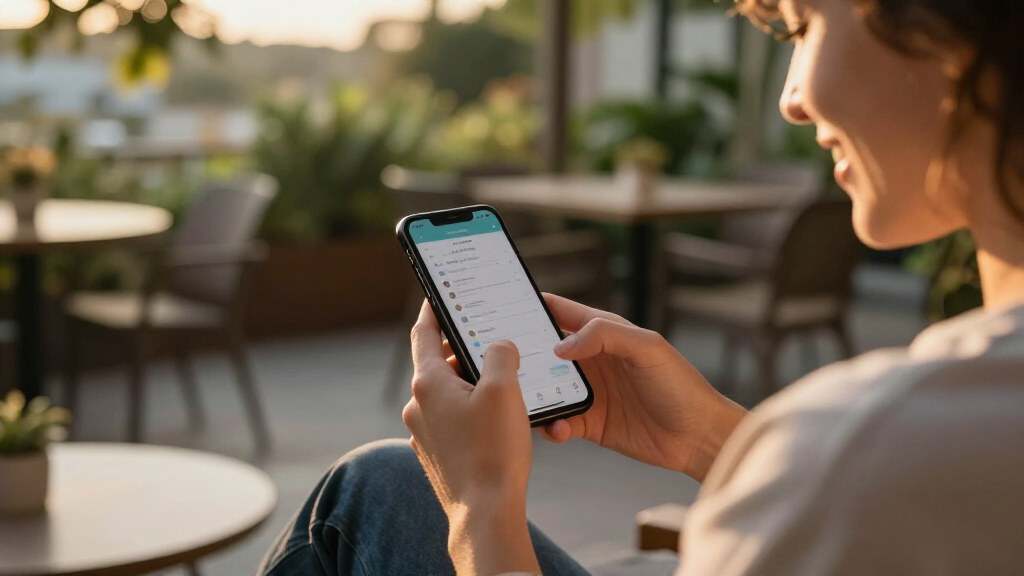
A new approach suggests using structured, group-based recovery programs for adults with severe phone addiction who have not responded to existing solutions. Pilot testing is planned to evaluate effectiveness and scalability.
Researchers and digital wellness advocates are proposing cohort-based recovery programs as a targeted intervention for adults with severe phone addiction who have already failed traditional app blockers. This approach aims to fill a market gap by providing structured, group-based support that leverages peer accountability and professional facilitation, potentially offering a scalable solution to a widespread problem.
The initiative focuses on adults with entrenched phone habits that are resistant to simple technical solutions like app blockers, which are often overridden within days. The proposed program involves eight-week cohorts of ten adults, with weekly facilitated sessions, daily check-ins, personal trigger maps, and relapse plans. Participants may also share screen-time data within the group, fostering accountability and mutual support. Graduates would join ongoing alumni groups, creating a sustained recovery community.
According to sources involved in the project, the program will be offered at a fee of around $400 per cohort, with additional revenue from alumni subscriptions. The plan is to run two paid pilot cohorts, measuring changes in screen time at weeks 8 and 16, and tracking alumni engagement to validate effectiveness. This model aims to address the unmet needs of adults with severe, persistent phone overuse who are not helped by existing low-cost or high-cost interventions.
Why Cohort Models Could Transform Phone Addiction Treatment
This initiative could significantly impact how digital wellness services are delivered, especially for adults with hard-to-change habits. By combining peer accountability, professional facilitation, and structured recovery plans, cohort programs may offer a scalable, cost-effective alternative to individual coaching or ineffective technical blockers. If successful, this approach could reduce phone overuse, improve mental health outcomes, and fill a notable gap in the current market, which largely offers either inexpensive blockers or expensive personal coaching. The development also aligns with broader trends toward community-based mental health interventions and digital health integration.
phone addiction recovery support groups
As an affiliate, we earn on qualifying purchases.
As an affiliate, we earn on qualifying purchases.
Growing Concern Over Phone Overuse and Existing Gaps
Phone overuse has become a mainstream concern, with increasing recognition of its impact on mental health, productivity, and well-being. Current solutions primarily fall into two categories: low-cost app blockers, which are often quickly overridden, and high-cost private coaching, which reaches only a small fraction of users. This leaves a significant segment of adults with severe habits without effective, affordable support. The rise of digital health infrastructure, including API integrations for screen-time tracking, now makes it feasible to develop structured group recovery programs at scale. The idea of cohort-based interventions draws from established practices in addiction recovery and behavioral health, adapted for the digital age.
As an affiliate, we earn on qualifying purchases.
Effectiveness and Scalability of Cohort Recovery Programs Still Unclear
While the proposed model is grounded in established recovery practices, its actual effectiveness for phone addiction remains untested. The success of pilot cohorts in reducing screen time and fostering long-term behavioral change is yet to be demonstrated. Additionally, questions remain about participant engagement, the optimal group size, and the scalability of facilitation resources. It is also unclear how well these programs will integrate with existing mental health services or digital platforms, and whether they will be accessible and appealing to diverse adult populations.
As an affiliate, we earn on qualifying purchases.
Upcoming Pilot Programs to Evaluate Effectiveness
The next step involves launching two paid pilot cohorts at a fee of approximately $400 each. These pilots will run over eight weeks, with measurements of screen-time reduction at weeks 8 and 16, and tracking of alumni engagement. Results from these pilots will inform refinements to the program structure, pricing, and delivery methods. If outcomes are positive, the initiative could expand to broader markets, potentially becoming a standard intervention for adults with severe phone overuse. Further research may also explore integrating these cohorts with clinical mental health services or digital health platforms for wider adoption.
As an affiliate, we earn on qualifying purchases.
Key Questions
How effective are cohort-based recovery programs for phone addiction?
Effectiveness is currently unproven; pilot programs are planned to measure reductions in screen time and behavioral change over several months.
Who is the target audience for these programs?
Adults with severe, entrenched phone habits that have not responded to simple technical solutions like app blockers.
How much will the program cost?
The proposed fee is around $400 for an eight-week cohort, with additional subscription options for alumni groups.
Can this model be scaled to larger populations?
Scalability depends on the ability to facilitate multiple cohorts simultaneously and develop cost-effective moderation, which is still under evaluation through pilot testing.
What are the next steps after the pilot programs?
Results will determine whether the program can be expanded, refined, or integrated with existing digital health services for broader deployment.
Source: IdeaNavigator AI
Halloween Picks
halloween
As an affiliate, we earn on qualifying purchases.