
TL;DR

Get business pricing on tech for your team
- Business-only prices and quantity discounts
- Tax-exempt purchasing
- Multiple users, one account, clear invoices
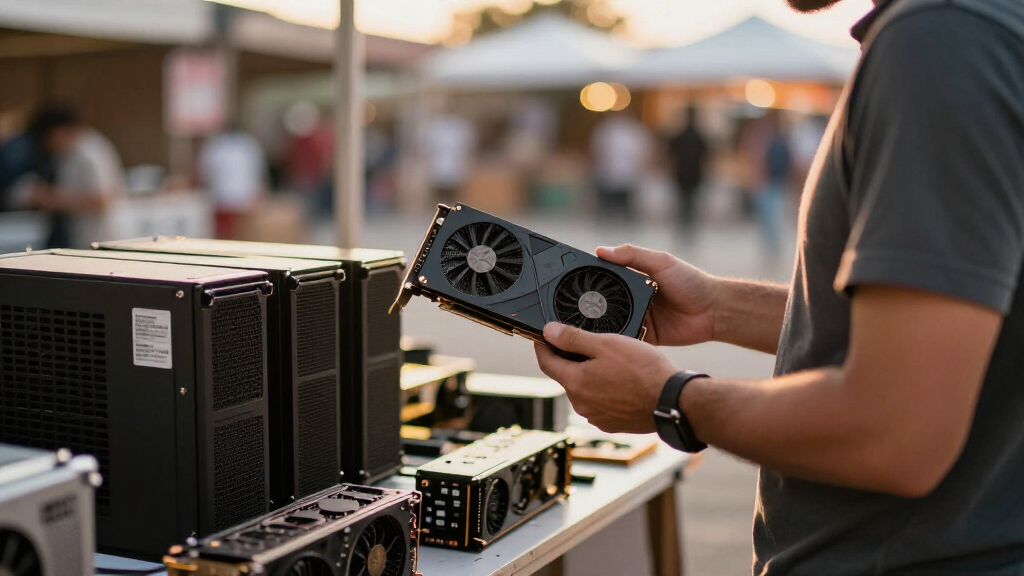
Stoa Markets, a marketplace for GPUs and AI servers founded by YC S26 alumni, has officially launched. The platform aims to connect buyers and sellers of new and used hardware, addressing demand in AI and machine learning fields.
Stoa Markets, a new online marketplace for GPUs and AI servers, has officially launched, providing a platform for buying and selling both new and used hardware. Founded by alumni of Y Combinator’s S26 batch, the platform aims to address the growing demand for AI infrastructure amid supply constraints and high costs.
The platform, accessible at stoaexchange.com, was announced by its founders—Eren, Berat, and Kaan—who describe it as a marketplace designed to facilitate transactions in the AI hardware ecosystem. The founders stated that the platform is intended to serve AI developers, researchers, and enterprises seeking more flexible options for acquiring GPUs and servers.
According to the founders, the marketplace features both new and used hardware, with a focus on transparency and competitive pricing. They emphasized that users can list equipment for sale, browse listings, and communicate directly through the platform. The founders also noted that the platform aims to reduce reliance on traditional supply chains, which have been strained by geopolitical issues and chip shortages.
Potential Impact on AI Hardware Supply Chain
The launch of Stoa Markets could significantly influence the supply and pricing of GPUs and AI servers, which are critical components in AI research and deployment. By enabling direct transactions between buyers and sellers, the platform may increase market liquidity and competition, potentially lowering costs. This development is particularly relevant amid ongoing supply chain disruptions and high hardware prices, which have slowed AI development for some organizations.
As an affiliate, we earn on qualifying purchases.
Growing Demand and Supply Challenges in AI Hardware
Over the past year, demand for GPUs and AI servers has surged due to the rapid expansion of AI applications, including large language models and computer vision systems. Meanwhile, supply constraints—stemming from global chip shortages, geopolitical tensions, and increased manufacturing costs—have driven up prices and limited availability.
Existing marketplaces and hardware vendors have struggled to keep pace with demand, prompting startups and developers to seek alternative channels. The emergence of platforms like Stoa Markets reflects a broader trend toward decentralizing hardware procurement in the AI ecosystem.
“Our goal is to create a transparent, efficient marketplace that connects buyers and sellers of AI hardware, making it easier and more affordable to access the equipment needed for AI development.”
— Eren, co-founder of Stoa
As an affiliate, we earn on qualifying purchases.
Unconfirmed Aspects and Future Developments
It is not yet clear how widely adopted Stoa Markets will become or how it will impact existing hardware vendors and marketplaces. Details about the platform’s transaction volume, pricing models, and user base are still emerging. Additionally, regulatory and logistical challenges associated with used hardware sales remain unaddressed at this stage.
As an affiliate, we earn on qualifying purchases.
Next Steps and Platform Expansion Plans
The founders plan to expand the platform’s features, including escrow services and verification mechanisms to ensure hardware authenticity. They also aim to grow the user base through partnerships with hardware vendors and AI companies. Monitoring user feedback and transaction data over the coming months will be key to assessing its impact on the AI hardware market.
As an affiliate, we earn on qualifying purchases.
Key Questions
How does Stoa Markets differ from existing hardware marketplaces?
Stoa Markets emphasizes transparency and the ability to buy both new and used hardware directly from sellers, aiming to reduce costs and increase liquidity in the AI hardware market.
Is the platform available internationally?
Yes, the platform is accessible globally, though specific regional restrictions or shipping limitations may apply depending on hardware origin and seller location.
What types of hardware can I buy or sell on Stoa?
The platform primarily focuses on GPUs and AI servers, including both new and used equipment suitable for AI development and deployment.
Are there any security or authenticity guarantees?
Details about verification processes are still being developed, but the founders have indicated plans to implement mechanisms to verify hardware authenticity and condition.
What are the costs associated with using Stoa Markets?
Specific fee structures have not yet been disclosed, but the platform aims to offer competitive pricing with transparent transaction fees.
Source: hn
Fall Picks
fall essentials
As an affiliate, we earn on qualifying purchases.