
TL;DR

Get business pricing on tech for your team
- Business-only prices and quantity discounts
- Tax-exempt purchasing
- Multiple users, one account, clear invoices
Cactus has announced Needle2, a 14MB agentic language model optimized for phones, wearables, and smart home devices. This development aims to bring advanced AI to resource-constrained hardware, potentially transforming device intelligence.
Cactus has unveiled Needle2, a 14MB agentic language model designed specifically for deployment on phones, wearables, smart home devices, and small robots. This development aims to enable advanced AI functionalities directly on resource-limited hardware, expanding the reach of intelligent systems.
Needle2 is a significantly smaller version of Cactus’s previous models, optimized for low-memory environments without sacrificing core capabilities like tool calling, device interaction, and structured data extraction. The model’s small size—just 14MB—allows it to run locally on devices with limited storage and processing power, reducing reliance on cloud-based AI services.
According to Cactus, Needle2 maintains a high level of agentic functionality, enabling devices to perform complex tasks such as voice command execution, automation control, and context-aware interactions, all within a small footprint. The company emphasizes that the model is suitable for integration into a wide range of consumer electronics, from smartphones to smart home hubs and small robots.
Henry from Cactus, the developer behind Needle2, stated, “Our goal was to create an AI model that could run efficiently on everyday devices, making advanced AI accessible everywhere without the need for constant internet connectivity or high-end hardware.” The release was announced via Show HN, signaling a focus on developer engagement and early adoption.
Potential Impact on Mobile and Smart Devices
This development could significantly expand the capabilities of resource-constrained devices by enabling them to perform complex AI tasks locally. It may reduce dependency on cloud services, improve privacy, and lower latency for AI interactions. If widely adopted, Needle2 could accelerate the integration of intelligent features into everyday gadgets, transforming user experiences and device functionalities.As an affiliate, we earn on qualifying purchases.
Previous AI models and the push for smaller, efficient architectures
Prior to Needle2, most advanced language models required substantial computational resources, limiting their deployment to cloud servers or high-end devices. Recent efforts in AI development have focused on creating smaller, more efficient models, but few have achieved the combination of small size and high functionality demonstrated by Needle2. Cactus’s earlier work with larger models laid the groundwork for this breakthrough, emphasizing the importance of agentic capabilities—such as tool calling and structured data extraction—in small-footprint models.
Needle2 represents a step forward in this trend, aiming to bring sophisticated AI functionalities to devices that traditionally could not support such models due to hardware constraints. The announcement aligns with a broader industry push toward edge AI, where processing is done locally to improve privacy and reduce latency.
“Our goal was to create an AI model that could run efficiently on everyday devices, making advanced AI accessible everywhere without the need for constant internet connectivity or high-end hardware.”
— Henry from Cactus
As an affiliate, we earn on qualifying purchases.
Limitations and performance benchmarks of Needle2
Details about Needle2’s exact performance metrics, accuracy, and robustness are not yet publicly available. It is unclear how the model compares to larger, cloud-based models in real-world tasks or what specific hardware specifications are required for optimal operation. Additionally, the extent of its agentic capabilities and limitations in complex scenarios remain to be tested and validated.
As an affiliate, we earn on qualifying purchases.
Next steps for deployment and developer access
Further information is expected to be released by Cactus regarding detailed benchmarks, integration guides, and developer tools for Needle2. The company may also begin pilot programs or collaborations with device manufacturers to test real-world applications. Monitoring for updates on performance evaluations and broader adoption will be key to understanding its impact.
As an affiliate, we earn on qualifying purchases.
Key Questions
How does Needle2 compare to larger AI models?
Needle2 is designed to deliver core functionalities of larger models within a much smaller size (14MB), but detailed performance comparisons are not yet available. Its focus is on agentic capabilities suitable for resource-limited devices.
Can Needle2 run offline on devices?
Yes, due to its small size, Needle2 is intended to operate locally on devices without requiring constant internet connectivity, enhancing privacy and reducing latency.
What types of devices can support Needle2?
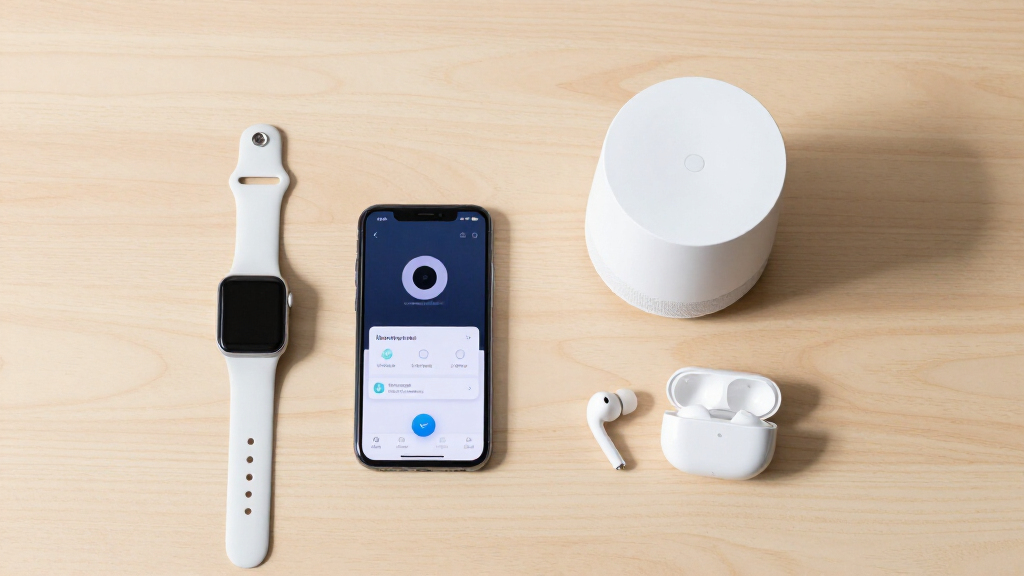
Devices with limited storage and processing power, such as smartphones, wearables, smart home hubs, and small robots, are the primary targets for Needle2 deployment.
Is Needle2 publicly available for developers?
Details about public access or licensing are not yet confirmed, but Cactus has announced the release via Show HN, indicating early engagement with developers.
What future developments are expected for Needle2?
Further performance benchmarks, integration tools, and real-world testing are anticipated, along with potential collaborations with hardware manufacturers to facilitate deployment.
Source: hn
Fall Picks
fall essentials
As an affiliate, we earn on qualifying purchases.